Welcome to Modern Agriculture!

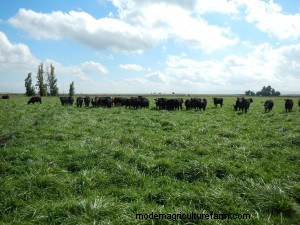 The so-called ‘fescue belt’ has some of the highest beef cow concentrations anywhere in the US. That raises the question, if fescue is so bad, why are there so many cattle where it grows? The bottom line is fescue is only bad if you don’t know how to use it effectively. For those cattle producers who do know how to use it, having tall fescue is one of the first steps to being a low-cost cattle producer.
A quick review of the fescue problem reminds us an endophytic fungus growing inside the plant is the real cause of fescue toxicity. That toxicity includes the production of alkaloids that suppress the animal’s appetite and reduce blood flow to the body extremities. This results in heat stress in the summer and potential for gangrene in the feet and tail in cold weather. The seed heads are the most toxic part of the plant and the leaf blade is least toxic. Understanding these basic factors is the basis of learning how to manage fescue effectively.
Here are some strategies for managing fescue. There is a perception that fescue is a dominating plant that will overpower everything else in the pasture and leave you with nothing but toxic fescue. This can occur but it is the direct response of poor grazing management. Cheap nitrogen fertilizer through the 1950s and 60s along with continuous grazing is what gave fescue this reputation. Take those two factors out of your management and fescue becomes a much friendlier plant.
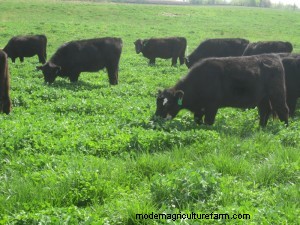
Implementing Management-intensive Grazing is the first step to getting in control of the fescue issue. This will do several beneficial things for you. First thing is it will allow you to increase plant diversity in the pasture. Tall fescue thrives under continuous grazing while most other plants do not. Timing and degree of impact of grazing allows other plants to compete effectively with the fescue. Species diversity allows the grazing animals to dilute the toxins in their daily diet by offering something else to eat. Remember, ‘the solution to pollution is dilution’. If you have other grasses and legumes growing in the mixture, the livestock simply consume much less of the toxins. Orchardgrass, redtop, crabgrass, perennial warm-season grasses, and a wide range of legumes are all suitable companion plants for infected fescue.
Alkaloids are nitrogen-containing compounds. The more available N, the higher the alkaloid level and the more toxic the fescue becomes. Putting on a big slug of N fertilizer spikes the toxicity of fescue. Using legumes in the pasture mix to supply a lower, slow release N availability can help reduce toxicity levels. Obviously the legume component also contributes to diluting the diet itself as well.
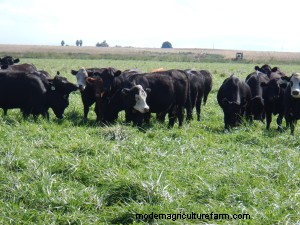 With seed heads being the most toxic part of the plant, we can avoid seed head production with aggressive Spring grazing. Fescue will only produce a seed head on the first growth flush of the year. Timing and severity of Spring grazing determine how many seed heads will be present in the pasture. Later regrowth will be mostly lower -toxicity leaves making late summer or autumn stockpiled forage lower in alkaloid content.
The greatest advantage with tall fescue is its ability to be stockpiled for winter grazing. It is productive in the fall, has its best nutritive value in cooler weather, withstands a lot of freezing and thawing while still maintaining yield and quality, and it provides solid footing in the muddy winters common in the lower Midwest and Upper South. I always say there are five good reasons for growing fescue: November, December, January, February, and March.
The final piece of living with endophyte infected tall fescue is having cattle with a high level of tolerance and environmental adaptation. Several seed stock producers including Pharo Cattle Co and Ozark Hills Genetics have been successfully selecting for fescue-tolerant cattle for a number of years. These cattle have proven to be adaptable to a wide range of environmental conditions and thrive in low-input production models in conjunction with sound grazing management. As these cattle have moved eastward into the tall fescue belt, they have shown their tolerance for fescue.
 Taking a coordinated approach to fescue management that includes effective planned grazing, interseeding other pasture species, and choosing fescue-tolerant cattle can turn your fescue scourge into productive, cost effective pastures. Making a plan and implementing it is the first big step to living with endophyte infected tall fescue.