Comfrey (Symphytum officinale) has been a cornerstone of herbal medicine for centuries, celebrated for its natural ability to support tissue repair and reduce inflammation. The herb’s leaves are rich in allantoin, a compound that encourages healthy cell growth and promotes rapid recovery of bruises, sprains, sore muscles, and minor skin irritations.
Whether you’re building a home herbal medicine cabinet or simply want a reliable natural first‑aid solution, learning to make a comfrey poultice is an essential skill for any homesteader or wellness enthusiast.
Disclaimer: I am not a licensed medical professional. This guide is for informational purposes only. Always consult a qualified healthcare provider before adding new remedies to your routine.
Quick Snapshot
- ✅ Title: Comfrey Poultice
- 🌿 What Is Comfrey? A perennial medicinal herb that supports skin, tissue, and bone health.
- ⭐ Why It Matters: Simple, affordable, and proven – a must‑have in your herbal toolkit.
- 🕒 Ready In: 10–15 minutes
- ✂️ Tools: Bowl, blender (or mortar & pestle), clean gauze, optional bandage.
- ⚕️ Safety Tip: Apply only to intact skin; avoid deep or puncture wounds.
Why This Remedy Works
Comfrey’s large taproot pulls nutrients deep from the soil, making it an excellent companion plant for fruit trees and a powerful healing agent. Its key benefits include:
- Natural: Directly taps into the healing power of your own herb garden.
- Simple: Fresh or dried leaves are easy to process.
- Frugal: Uses readily available ingredients.
- Time‑tested: A staple in traditional herbal practices for generations.
What Is Comfrey?
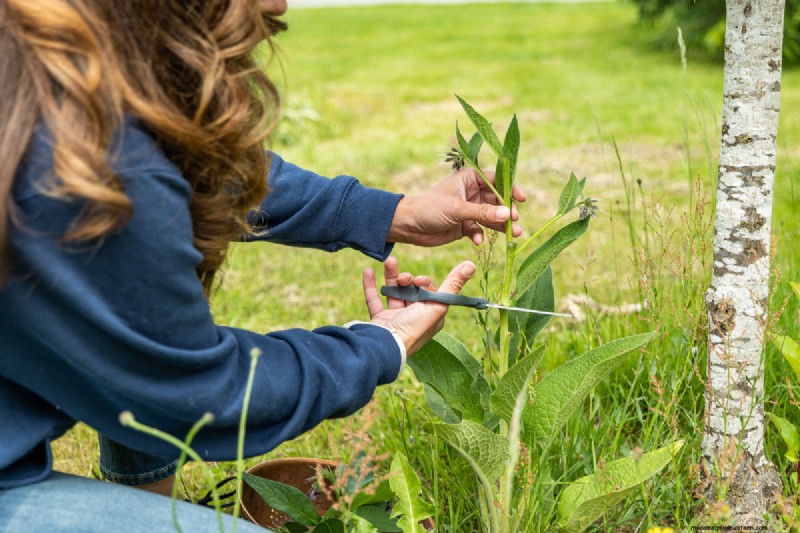
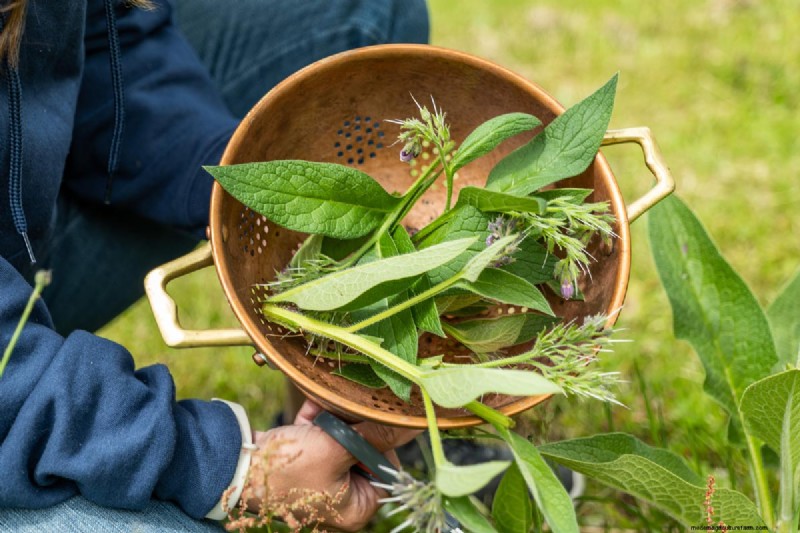
Often called “knitbone,” comfrey earned its nickname from its historical use in repairing bruises and minor injuries. The leaf’s allantoin content makes it a favorite among herbalists for promoting cell regeneration and tissue repair.
Beyond poultices, comfrey is versatile: it can be turned into salves, infused oils, compost activators, and garden fertilizers.
Key Supplies and Ingredients
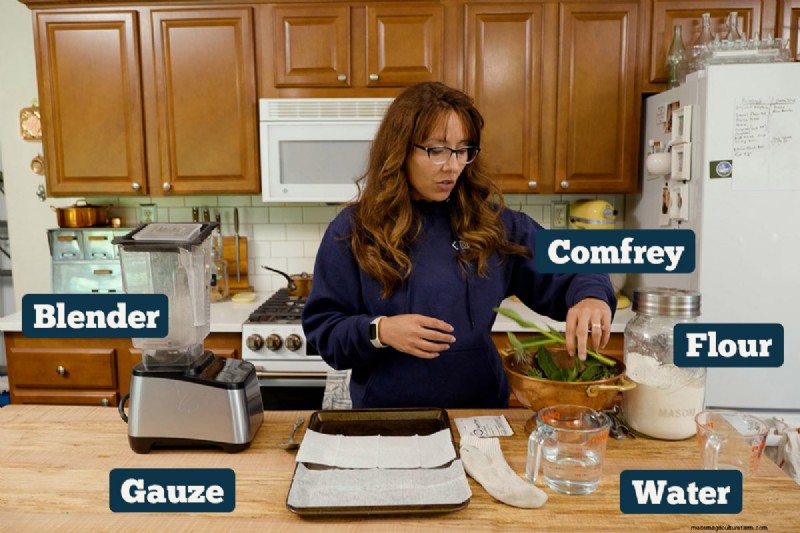
- Comfrey Leaves – Fresh is best; dried leaves are acceptable.
- Blender or Mortar & Pestle – A high‑powered blender simplifies the process.
- Gauze (or cheesecloth) – For spreading the poultice.
- Bandage or Wrap (optional) – To secure the poultice.
- Food Scale – Accurate measurement of comfrey leaves.
Step‑by‑Step: Making a Comfrey Poultice
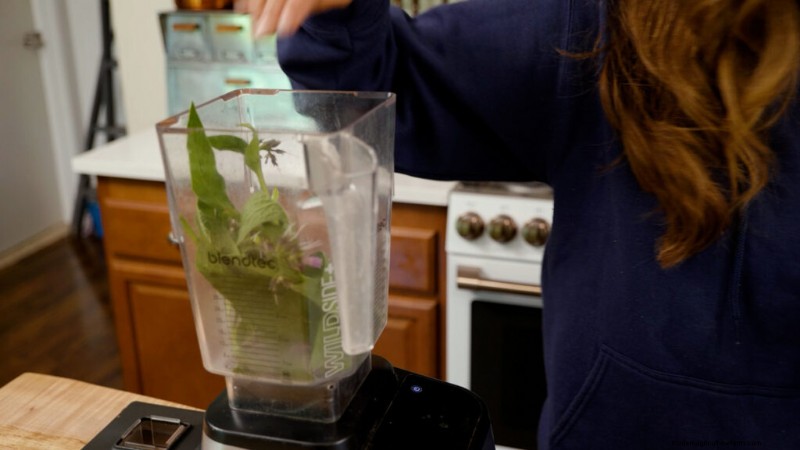
- Blend: Place comfrey flowers, leaves, and stems in a blender. Add water, close the lid, and blend until a rough puree forms. If using dried leaves, soften them in warm water before blending.
- Bind: Add a binder (flour, arrowroot, or bentonite clay). Blend again until the mixture resembles a muffin‑batter consistency.
- Spread: Cut gauze into two pieces. Spoon the paste onto the wider‑weave gauze, covering the area of concern. Adjust thickness based on the injury.
- Seal: Cover with the tight‑weave gauze to keep the poultice in place. For a cold compress, freeze the gauze before use.
Practical Tips
- Grow Your Own – Comfrey thrives in most climates and yields abundant leaves year after year.
- Harvest Before Flowering – Tender leaves pre‑flowering are ideal for medicinal use.
- Freeze for Longevity – Freeze fresh or pre‑made poultices for up to 12 months.
- Keep Dried Leaves – Dried comfrey stores well; dry properly to preserve potency.
- Test for Sensitivity – Apply a small patch on sensitive skin first.
How to Use a Comfrey Poultice
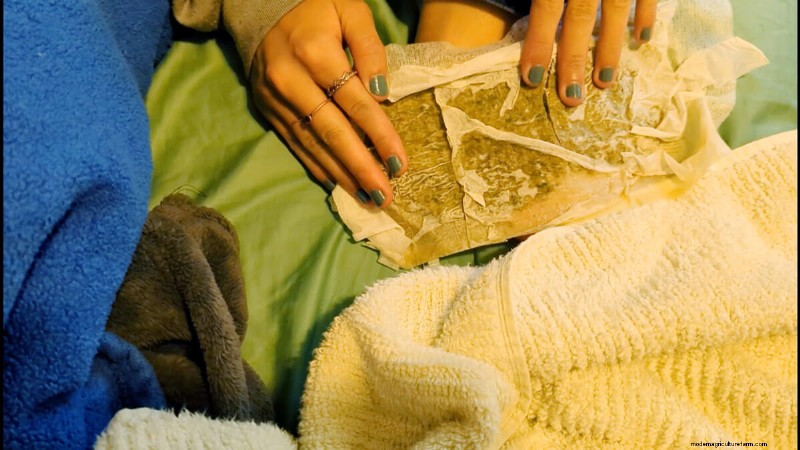
Apply the poultice to the affected area and leave it on for 20–60 minutes. Many herbalists repeat the application once or twice daily as needed.
Traditional uses include:
- Bruises
- Sprains and strains
- Sore muscles
- Minor swelling
- Achy joints
- Minor skin irritations
Safety Notice: Use only on intact skin. Avoid deep wounds, punctures, infections, or broken skin unless directed by a healthcare professional.
FAQs
- What is a comfrey poultice good for? It helps soothe bruises, sprains, sore muscles, and minor swelling while supporting natural healing.
- How long should it stay on? 20–60 minutes, depending on comfort and the injury’s severity.
- How to make a fresh poultice? Crush or finely chop fresh leaves into a moist paste, spread onto a clean cloth, and apply.
- How to use poultice for inflammation? Mix fresh herbs with warm water into a paste, apply to the skin to provide soothing relief and aid inflammation response.
Building Your Herbal Toolkit

Starting with a simple poultice recipe is an excellent introduction to home herbalism. Replacing over‑the‑counter products with homemade remedies gives you peace of mind and control over what’s in your medicine cabinet.
Ready to deepen your practice? Join my Practical Home Herbalism course to learn how to listen to your body, identify effective remedies, and craft your own confidence‑boosting herbal medicine kit.
Connect & Share
If you’ve made this poultice, rate it ⭐ in the recipe card below, snap a photo, and tag me on social media @melissaknorris so I can see your creations!
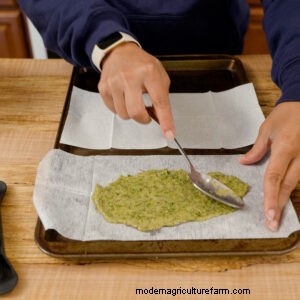
Comfrey Poultice Overview
Prep Time: 5 minutes | Freezing Time: 1 hour | Total Time: 1 hour 5 minutes
Key Ingredients:
- 45 g fresh comfrey leaves (or 15 g dried)
- 1 cup water
- ¼ cup binder (flour, arrowroot, or bentonite clay)
Optional: Bandage or wrap to secure the poultice.
Conclusion
Comfrey poultices offer a natural, cost‑effective solution for everyday injuries. With a few simple steps, you can harness the herb’s healing power right at home.


