
Welcome to Modern Agriculture!

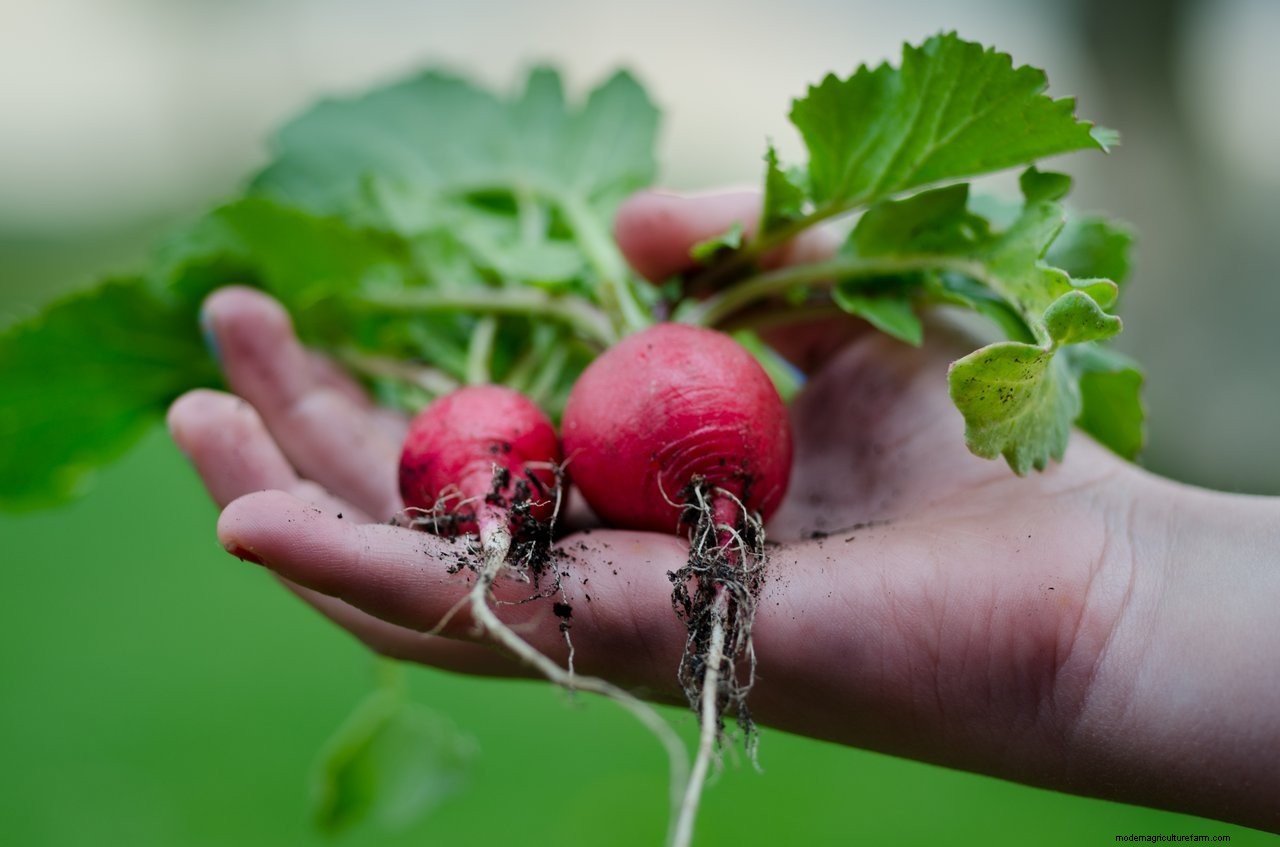
Anybody can grow their own food, whether they live in a large country acreage or a small city apartment. If you’ve got space in your backyard, ask a local garden center what types of seeds grow best in your area’s climate. Then, choose a selection of your favorite fruits, veggies and herbs that would do well.
By growing your own food, you’ll be adding to the world’s global food supply instead of taking from it. If all you’ve got is a small apartment deck, or even just a windowsill, you can still grow veggies in pots. Tomatoes, herbs and lettuce are good options.
One of the best ways to help the global food supply is by buying certified sustainable foods, especially when it comes to seafood. The world’s waterways are being depleted at an alarming rate—there is just not enough wild seafood to feed everyone. By choosing to buy your seafood from sustainable fish farms, you’re helping ensure that there’s enough fish to feed everyone for generations to come.
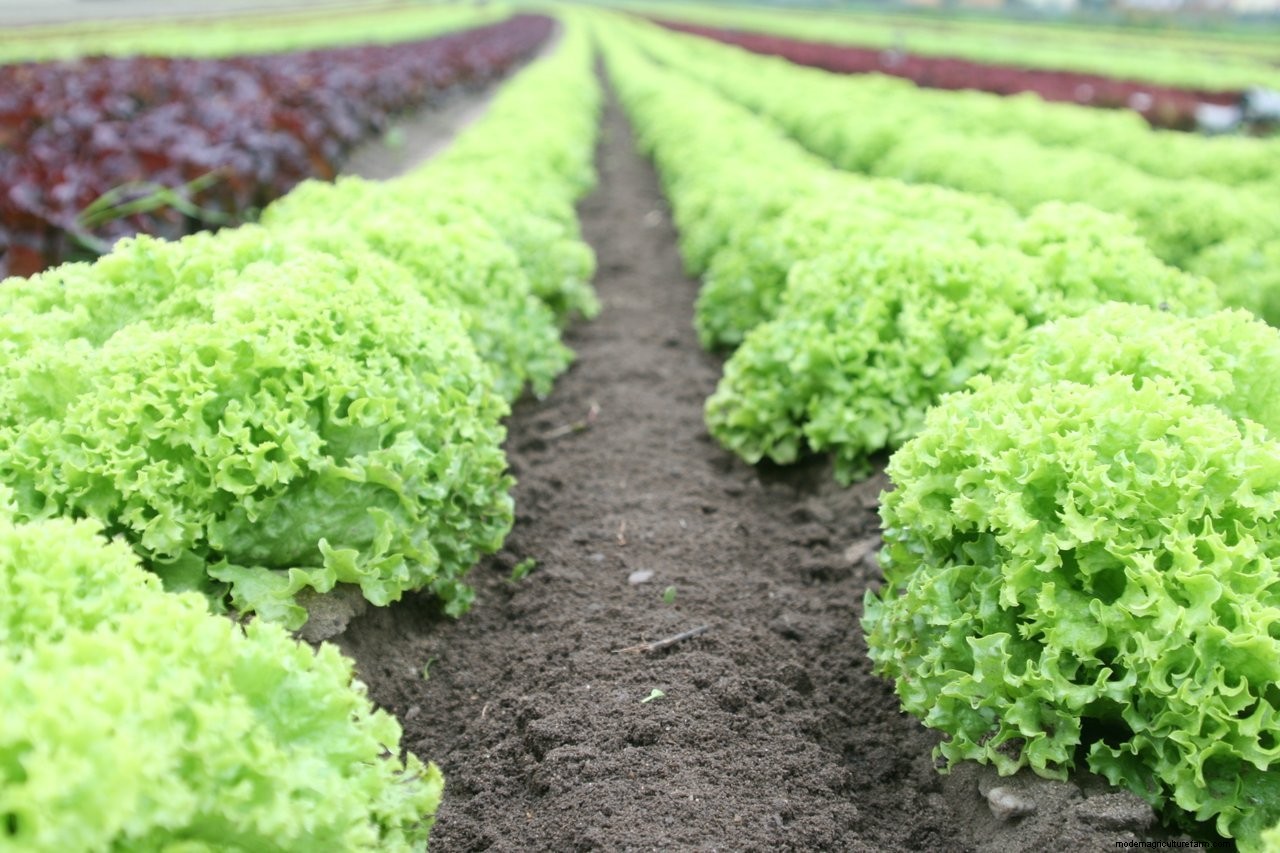
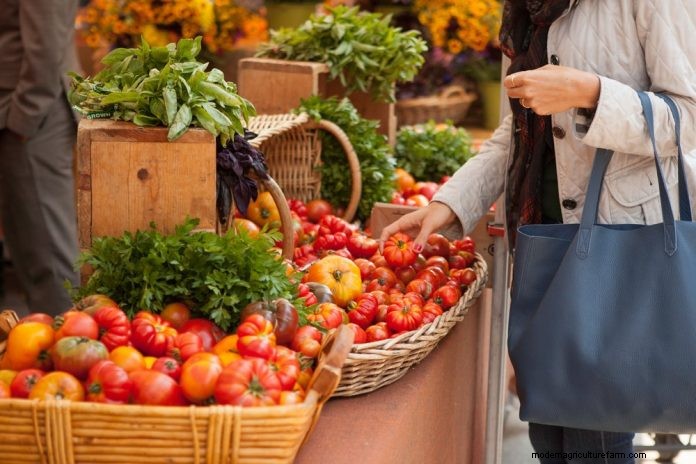
By the time your fruits and vegetables reach your supermarket, they’ve often experienced a long journey. It probably started with them being picked before they were ripe and included several long days or weeks on a truck, train or boat. Not only are these fruits and vegetables not as nutritious as those that were picked at peak ripeness, they also cause a whole lot of carbon emissions during the transportation stage. By buying from local farmers or markets, you’re getting produce that’s both fresh and planet-friendly.
The world’s population is growing at a rapid rate, which is resulting in a global food shortage. But if we all do our part to help reduce waste, grow our own food, shop sustainably and buy local, we can help ensure that there will be enough food to go around.
Photo credits: Manutsawee Buapet / Shutterstock.com, Skitterphoto, Michael Heinrich


