
Welcome to Modern Agriculture!

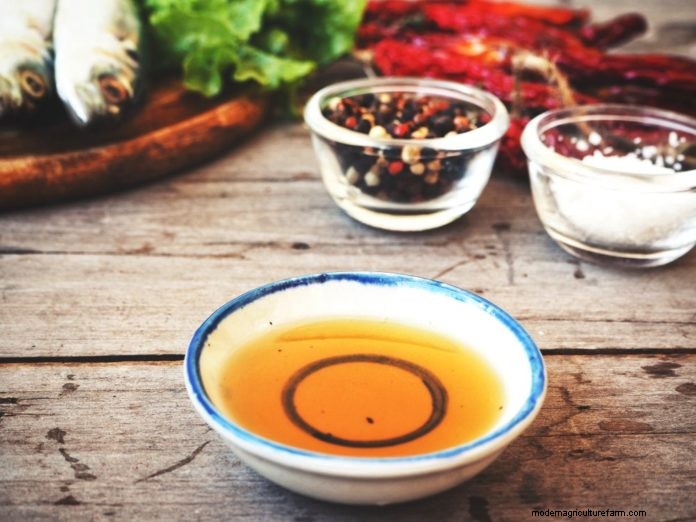
Omega-3 and omega-6 are both essential fatty acids that the human body cannot produce on its own. Luckily, fish oil supplements can provide them for us, and fish byproducts play a significant role in making them. Another fish product that can be repurposed as a dietary supplement is marine collagen. Collagen is a long-chain amino acid known for its uses in cosmetic procedures, but when taken as a supplement, marine collagen can help fight inflammation of the skin and increase hair and nail health.
Fish byproducts also play a role in the coloring of history. Sepia dye was originally produced from the ink of cuttlefish and was used to give black and white photos their brown hue. These days, squid ink is used primarily by the food industry to color dishes like pasta. Give squid ink risotto or pasta a try next time you want a unique party dish.
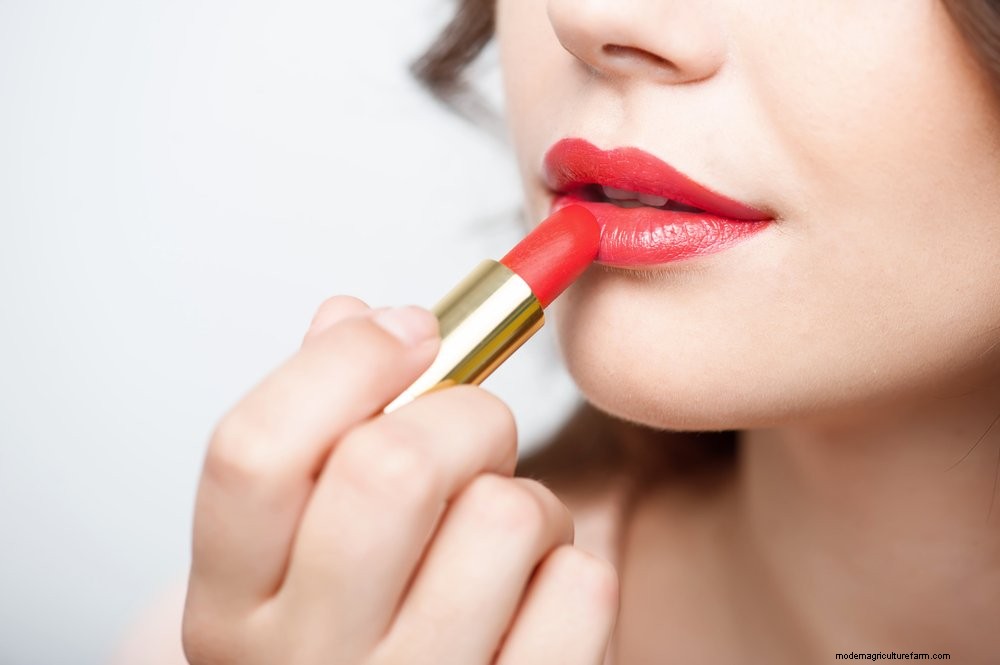
There’s a reason aquariums are so mesmerizing—fish scales reflect light in an eye-catching way. Fish scales have a radiant quality to them and are capable of producing the same beautiful sheen you see in pearls and oyster shells. Cosmetics companies take advantage of this pearlescent quality of fish scales from fish like Tilapia, which produces that same glow in their lipsticks and glosses. Since it’s not always the best idea to eat fish scales, using them in cosmetics is an excellent way to prevent this excess of scales from going to waste.
Goods made from cow-hides are common all over the world but what about leather made from fish? Fish skin has been made into leather for generations and now companies are making fish skins into wearable products. French company Femer tans fish skins and sells them as shoes, wallets and other accessories. They even use 100% all-natural tannin, which is the product used to turn skins into leather. Tilapia producer Regal Springs upholds a zero-waste policy by repurposing fish leather into belts and other accessories.
The benefits and applications of Tilapia and other fish byproducts really are very versatile. Beyond the uses mentioned above, it can be stretched to form the head of a drum. Other craftsmen use fish byproducts to make jewelry boxes or develop photos, with pearl essence playing an important role in adding color to each of their trades. A farm in Austin, Texas, even bought 3,000 pounds of oyster shells from a local seafood market and used the shells as a “gravel” road.
The next time you see a pearlescent lip color or a sepia photo, take a moment to consider how this product came to be. By understanding how such items are created, you can gain a deeper appreciation for the importance of zero-waste policies. It can be inspiring to see how the most innovative creators among us can make something beautiful out of what the rest of the world considers to be waste.
Want to learn more about what fish producers are doing to help the environment? Check out one of these stories:
Photo Credits: successo images / Shutterstock Inc., 1989studio / Shutterstock Inc., Olena Yakobchuk / Shutterstock Inc.


