
Welcome to Modern Agriculture!

The problem of oak leaves has the fish community divided into 2 different categories. One claim is that oak leaves are actually damaging to your fish since they carry various harmful chemicals and bacteria. This category of people is the minority.
The majority claim that oak leaves are actually beneficial for your tank’s fauna thanks to the minerals and vitamins present in the leaves. You also have that valuable oak tannin that will color the tank water in an impressive whiskey shade.
So, which camp is right?
Let’s have a look!
Yes, they are. The answer should’ve been obvious if you think that the fish’s natural habitat is teeming in a variety of dead leaves falling from nearby trees. If oak leaves would hurt the fish, we would see this effect in the wild as well, and we don’t.
Oak leaves are safe for your fish, and many aquarists use them primarily for décor purposes. The oak tannin will color the water, create a unique-looking environment, and keep your fish happy for several reasons, which we will detail shortly.
You can either get them straight from nature, around your area or purchase them. If you’re not too keen about the latter, check out SmokyMountains.com for their annual Foliage Map. That should help you pinpoint the areas and timeframe when oaks and other trees will enter the Autumn phase and shed their old leaves.
If that sounds like too much bother, Etsy and Amazon are your best friends. It makes little difference where you get your leaves, but I recommend getting yours straight from the source.
Aside from providing you with a sense of genuine, the leaves may also be of superior quality. Commercial leaves may lack many nutrients that get lost through the handling process.
I would say you have 4 options when it comes to preparing oak leaves for your aquarium:
Aside from these methods, you could also place them in a dry and warm place for a while. The leaves will dry out completely within a couple of days, at which point you can add them to your aquarium.
As to how to place them in your tank, just spread them across the water’s surface. The leaves will soak and fall to the bottom shortly.
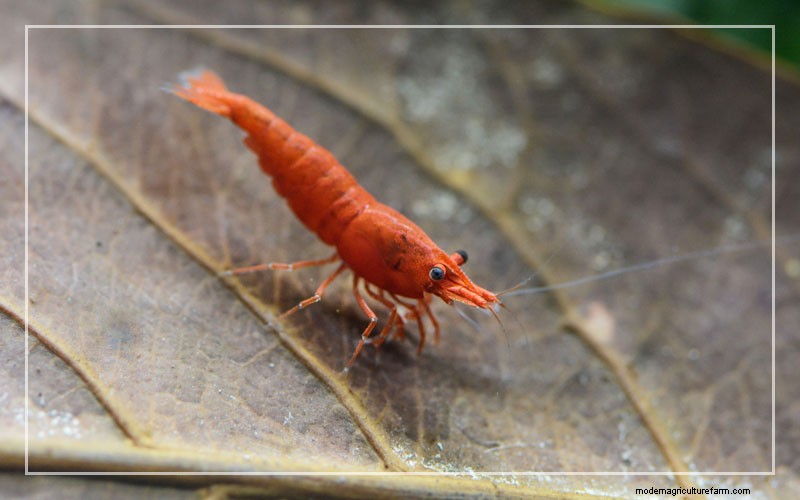
Placing oak leaves in your fish tank will come with several benefits, mainly:
There’s no set timeframe for when to remove oak leaves from your tank. Just remember that boiling the leaves before placing them into the tank will shorter their lifespan. In other words, the leaves will decay faster and lose their nutrients at an accelerated rate.
Unprocessed oak leaves can probably last for several years in the tank. You can assess their appearance visually and remove them when they begin losing their structure and start appearing broken and decayed. You should remove them at that point since decaying matter will increase the water’s ammonia and nitrate levels.
You shouldn’t use too many leaves to get the desired effects. Around 5-6 big, meaty oak leaves should do for a 55-gallon tank. You can add more if you want a plus of tannin in the water.
Bottom line is – oak leaves are safe and actually beneficial to your tank’s fauna. There’s just one crucial aspect that I’d like to mention here. Be very careful where you collect the leaves from; gathering them from the side of the road or near other people’s properties is always a bad idea.
Aside from the leaves being contaminated with various pollutants, they may also show traces of pesticides and other chemicals that could kill your fish. If you can, get your leaves from unpopulated areas, maybe a forest near your home that is less likely to have contaminated leaves.
Also, don’t boil them before use. Just rinse them with some tank water and use them as they are. The boiling process will destroy most of their nutrients, waste the leaves’ tannin, and kill many beneficial bacterial cultures.


