
Welcome to Modern Agriculture!

Guppy fin rot can be treated easily if it’s spotted early enough. However, if you leave it too long, or you don’t realise your guppy has it, then it can become fatal. In this article you’re not only going to find out what fin rot in guppies looks like, but you’ll also learn the causes, how to treat it and how to prevent it as well!
So keep reading to find out everything you need to know to keep your guppies alive!
Fin rot is a disease, not just specific to guppies. It’s especially common among all fish that have long flowing tails such as bettas.
It’s an infection that can be caused by both a fungal infection or a bacterial infection. However, the underlying cause in most cases will be a stressed betta or a betta living in poor water conditions.
Fortunately, fin rot in guppies is pretty easy to spot, especially if you’re checking for symptoms regularly. However, it’s important to be able to spot all the different symptoms so you can figure out how serious the fin rot is, as well as whether it’s bacterial or fungal.
Bacterial fin rot looks uneven and often times the fins are going to look more ragged, than when it’s caused by a fungal infection.
Fungal fin rot on the other hand will appear more even across the fins. And this can also be accompanied by a white edge going across your guppies fins. (If you notice white spots, however, then it may be ich.)
As well as trying to figure out whether it’s a fungal or bacterial infection, you’ll also need to know whether your guppy is suffering from mild, major or severe fin rot. Knowing how extensive the fin rot is will allow you to give your guppies the best treatment possible.
If your guppy has mild fin rot, then you may notice the following symptoms:
If you think that your guppy is suffering from major fin rot, then you don’t have time to waste. Major fin rot can often be fatal if left untreated. It weakens your guppies immune system massively, opening them up to a whole range of illnesses and diseases.
Severe fin rot also know as body rot, is the extreme end of fin rot. This isn’t something that will happen overnight however, it can often take a couple of weeks before it gets that bad.
It’s important to note, that saving your guppy at this stage of fin rot is going to be extremely difficult.
As well as this, in all cases, you may notice that your guppies don’t appear as active as normal. They may be a bit more lethargic and also lose their appetite.
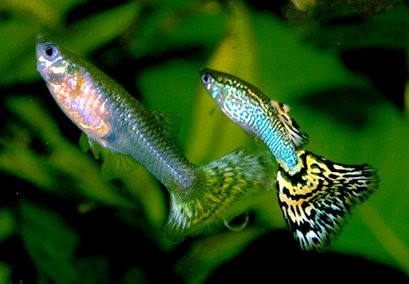
The way you treat guppy fin rot will be dependent on how severe is it. Obviously as the severity increases, the treatment will also become more extreme. However, if you take good care of your guppy and you look after them, then they should hopefully make a full recovery.
Just remember, that when something like this happens you should always speak to a professional who will give you the best advice.
Also, to treat fin rot, it’s always best to set up a quarantine take, and move your sick guppy to it. Not only, does this mean that any treatment won’t affect your other fish, but it also means that fin rot won’t be passed on.
And if the fin rot has been caused by bullying, then it’s also going to stop your guppy getting their fins nipped.
If your guppy is only suffering from mild fin rot, then you won’t need to do too much. Here are the steps you’ll need to take.
If your guppies condition has moved passed mild fin rot and has instead moved to major fin rot, then the way you treat them will be different. Remember, while minor fin rot has some time to treated, major fin rot will be needed to be treated as soon as possible.
Lastly, this is how you can treat severe fin rot. However, remember, when your guppies are suffering from severe fin rot, there’s a strong chance they’re not going to survive. You’ll also need to use much stronger medication such as API Pimafix (if it’s fungal) or API Furan 2 (if it’s bacterial).
Fortunately, fin rot is fairly easy to prevent. And it’s always better to prevent something from happening, rather than having to treat it. Here are a few of the ways you can stop guppy fin rot.
The best thing you can do is clean your tank regularly. The amount you’ll need to clean your tank will depend on the size of the tank and how many fish you have. The less you have the less you’ll have to clean it, however, the more overcrowded your tank becomes, the more you’ll need to clean it.
You should also make sure that you’re performing frequent water changes as well. Once again, the size and stocking of the tank are going to determine how often you’ll need to change the water.
Smaller tanks may need the water changing every 3-4 days, whereas bigger tanks can go a couple of weeks without having the water changed. Depending on how many fish you have.
Overstocking your tank is going to increase the chance of fin rot for three reasons. First of all, the increased bioload from all the fish will increase the chance of bad bacteria growing in the tank.
Second of all, overstocking your tank is going to stress out all of the fish. Not only will the tank become much dirtier much quicker, but they also won’t have enough space for their own territory. Becoming stressed by this, will weaken their immune system.
And lastly, the more fish you have in your tank, the more likely it is that your fish may start acting aggressive to each other. If aggression increases, then fin nipping may occur. Which can often trigger fin rot in guppies.
Filters are essential to keeping your fish tank clean. It’ll constantly cycle the water removing a lot of the debris, waste, and ammonia in the tank, which can stress your guppies out and make them sick.
(Find out more about why guppies need filters.)
If you have bullies in your tank, then you may need to move them to another one. The more bullying that occurs, the more likely it is that a fish will get sick.
If you don’t have another tank to put the bully, then you can always try to take them back to the shop.
However, if this doesn’t work, then you can also try adding lots of hiding places in your tank.
You should also make sure that you’re feeding your guppies the best food possible. Low-quality food isn’t going to give them the nutrition they need which will compromise their immune system.
High-quality food should cater to their dietary needs, which needs both plant matter and meat. As well as this, you should also feed them live food every once in a while as well.
To find out more about the best food for guppies check out this article. (Or here’s an article if you just want to find out more about what guppies should eat.)
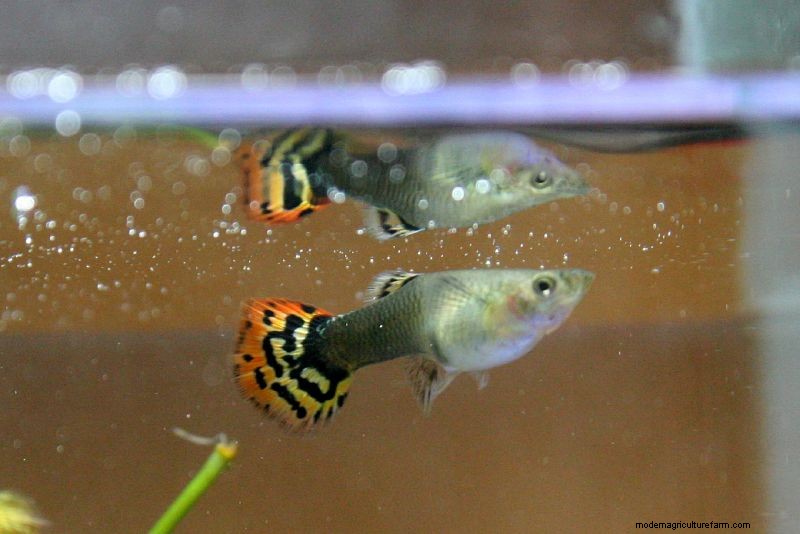
Fin rot is an extremely contagious illness. If you don’t act quickly to stop it, it could spread to most of the other fish in your tank as well.
So if one of your fish is suffering from fin rot, make sure you perform a 100% water change in your main tank as well as cleaning the tank as best yo ucan.
Once you’ve done this monitor your fish closely to make sure no more suffer from fin rot.
Now you know what causes guppy fin rot, how to prevent it, the symptoms and most importantly how to treat it!
Remember, the best thing you can do is make sure you’re keeping your tank clean and that you’re not overstocking it. If you do this you’re going to drastically reduce the chance of fin rot occurring in your tank.
If you liked this article, make sure you check out the rest of the website! And if you have any more questions you can ask them in the Q&A Section!


