
Welcome to Modern Agriculture!

Pests are the bane of every aquarist’s existence. These tiny creatures come seemingly from nowhere. And once you got an infestation, it’s a tough battle to rid your tank of them. But knowledge is power! Once you arm yourself with the right information, you’ll be better able to identify and eliminate annoying hitchhikers in your aquarium.
Not sure what those little squiggly creatures in your tank are? Keep reading! In this article, you’ll learn how to distinguish between seven common aquarium pests. I also cover the best methods and medications to kill these unidentified critters.
There are a few large categories of aquarium pests— gastropods, crustaceans, tubeworms, flatworms, and polyps. Each of these categories contains numerous species. We’ll look at seven of the most common ones below.
The following pests differ in appearance and behavior, but as you’ll see, treatment options are vastly similar. Except for crustaceans, most pests are vulnerable to the same medications. Without further ado, here’s how to identify and get rid of seven of the most common aquarium pests:
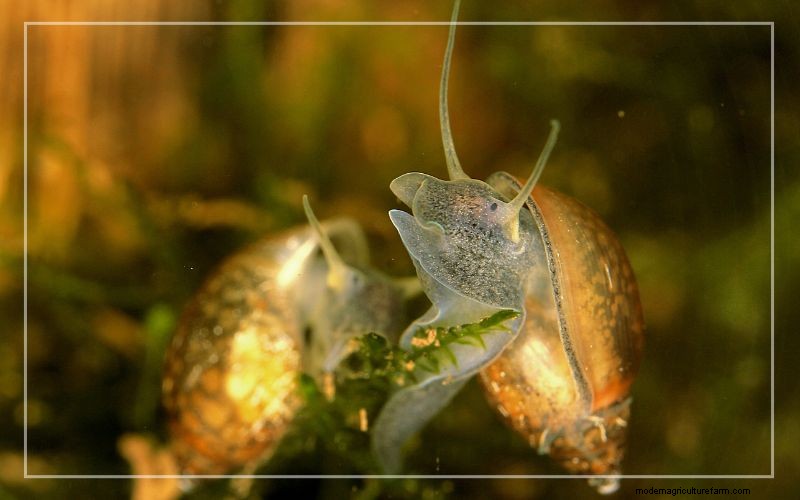
Snails are notorious aquarium pests. Multiple invasive species exist, but bladder, ramshorn, and Malaysian trumpet snails are the most common. You’ll notice snails sliding across the glass or the substrate if you have a snail infestation.
The snails’ appearance will differ slightly depending on the species. Pest snails range from ½ an inch to 1 inch in size. The shells can be cone-shaped or spiraled and vary in color from grey to brown. Ramshorn snails are more colorful and can be pink, blue, red, or orange.
Although we commonly classify them as pests, snails are actually quite useful. They’re omnivorous scavengers and consume all the nasty bits you don’t want in the tank. This includes algae, decaying plant matter, and leftover fish food. They’re also extremely peaceful and unlikely to bother other aquarium inhabitants.
The problem is that they’re highly prolific. Snails are extremely hardy and live up to two years or more. Young snails mature sexually at just 40 days old and reproduce extremely fast. When breeding, snails can lay dozens of eggs at a time.
It’s easy to imagine how a few snails can suddenly result in an outright infestation. Having a bunch of snails can then look and become annoying. Snails are especially messy, leaving slime trails and dirtying your aquarium glass.
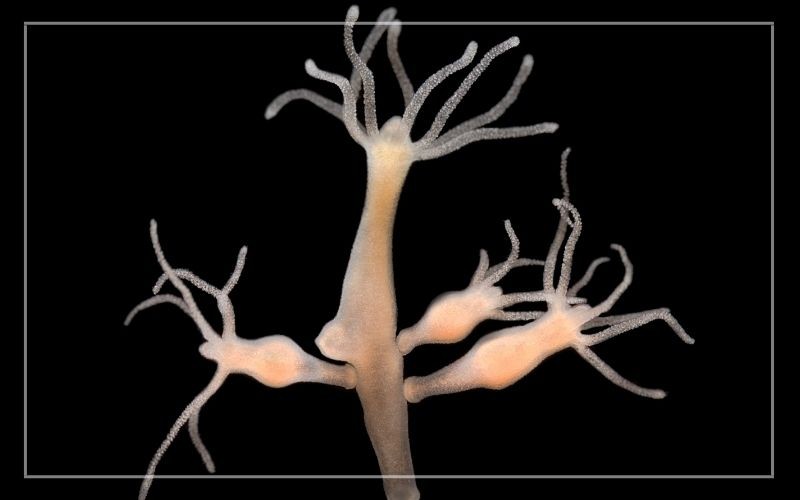
Hydras are a species of freshwater polyp, a really dangerous aquarium pest in shrimp tanks. They’re related to anemones and have similar stinging abilities. They’re very easy to distinguish from other pests thanks to their unique body shape. Hydras grow to 1 inch long and are shaped like little white or greenish sticks.
Hydras are flat on one end. They use this side of their body to anchor themselves to different objects in the tank. You might see them on the substrate, plants, driftwood, rocks, or glass. On the other end, hydras have multiple thin, long tentacles and a mouth in the center. The tentacles are used for feeding and self-defense (stinging).
They look pretty gross, but they aren’t dangerous to fish or invertebrates in the tank. They also have no impact on water quality. What’s the problem, then? Hydras reproduce very easily and very fast.
Hydras reproduce asexually through budding and segmentation. Once one hydra reaches its full adult size, it divides into two hydras. Then, the two hydras keep growing and budding again, creating more hydras. Wash, rinse, repeat. This process happens every 20 days!
Hydras may also represent a problem for your fish, albeit in indirect ways. Hydras can eat small fish fry. They will also compete with your fish and crustaceans for food like daphnia, brine shrimp, and copepods. If your fish, shrimp, or snails accidentally touch a hydra, this can cause mild skin irritation.
Keep the aquarium clean with frequent water changes and cleanings too. This will eliminate detritus and copepods, which the hydra might eat. This won’t kill the hydra right off, though. Hydras can last longer than a month without food. But it should slow down its reproduction.
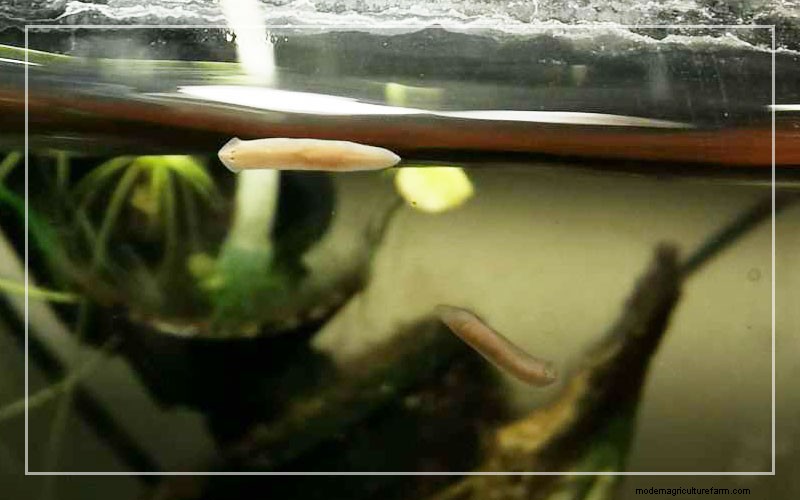
Planaria are non-parasitic flatworms, some of the worst aquarium pests in shrimp tanks. They reach 0.1-3/8 of an inch at most. Two species exist— white planaria (Procotyla) and brown planaria (Dugesia). They look similar to other worms but are easily distinguishable upon closer inspection. Planaria, unlike other pest worms, have an arrow or shovel-shaped head.
If you see them under a magnifying glass, planaria have close-set eye spots on the top of their heads. Planaria are harder to observe because they’re mostly nocturnal. When the lights are on, they typically lurk at the bottom, hidden deep inside the substrate.
When active, planaria emerge and float close to the surface. Like any “good” aquarium pest, planaria reproduces asexually by tearing itself up into two and regenerating into separate worms. The entire process takes a few weeks.
As disgusting as they are, planaria are mostly harmless to fish. They’re too small to do any harm, and they’re non-parasitic. They can’t infect aquarium inhabitants. However, they do eat fish eggs, snail eggs, and baby shrimp.
White planaria are opportunistic carnivores and will attack small critters in the tank. Brown planaria, on the other hand, are scavengers and mostly consume rotting food and plant matter.
That’s why I recommend bottom-feeders and scavengers like cory catfish, loaches, plecos, and cichlids. Since planaria worms aren’t parasitic, your fish don’t risk infection from eating them.
Besides, if you already have bottom-feeding fish, feeding them less can help. The fish will work up an appetite, encouraging them to eat the planaria instead.
Siphon the substrate once weekly and rinse the physical filter media. Remember water changes too! These also help get rid of some food particles in the tank.
You can trap lots of worms at once using this method. You might need to repeat the process up to three times before getting all the worms out, though. You’ll also have to kill them before disposing of them. Boiling kills planaria in just a few minutes.
There’s not much you can do about the live food, but if you’ve already got an infestation, I recommend buying food from another supplier in the future.
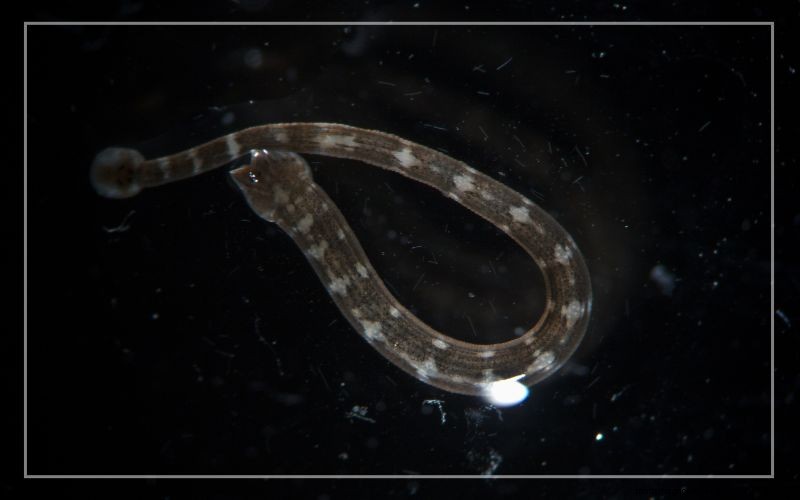
Other aquarium pests are Leeches, a type of aquatic tubeworm. Multiple species exist, but the most commonly-occurring ones include Asian leeches, snail leeches, and fish leeches.
They all look quite similar to other flatworms. They have a semi-flat to cylindrical body shape and are up to 1.2 inches long. These pests have a narrow tail portion and a rounded, eyeless head. They range in color from white to green to reddish brown.
Leeches can hang out anywhere in the aquarium but typically attach themselves to surfaces. These pests hold onto rocks, plants, or gravel with their lower body and wave their heads up in the air in search of prey.
Leeches are hermaphrodites, so they have both male and female reproductive organs. However, unlike other worms, they reproduce sexually by intertwining their bodies. They also lay eggs which take over one month to hatch. Thus, compared to other pests, leeches are somewhat easier to control.
And you want to take control over the leech population asap. Leeches are among the worst aquarium parasites. They latch onto prey using piercing teeth and then suck on the blood. Most leeches attack snails and shrimp. However, fish leeches will also attack, you guessed it, fish. If left unchecked, leeches can slowly kill infected organisms.
You can remove them one by one when you see them. A pair of aquarium plant tweezers will come in handy. A quicker method is by siphoning these pests out, especially if most hang out on the substrate.
Of course, if you have other invertebrates in the aquarium, you’ll want to skip this option. To use this method, add one tablespoon of aquarium salt for every 3-5 gallons of water in the tank.
Whichever treatment you choose, you’ll have to repeat the process a few times until the eggs hatch. So, what are your options? The most common chemicals used against leeches include copper sulfate and potassium permanganate.
Copper sulfate kills leeches effectively. However, this treatment will also kill snails and shrimp. Potassium permanganate is highly effective and mostly safe at a concentration of 2 ppm. Sensitive fish, plants, and other species might react negatively, though. It’s best to remove fish from the tank when trying this method.
Bleach is also highly effective, but I wouldn’t use it. Most plants die after a bleach dip. Adding bleach to disinfect the main tank will also kill all the beneficial nitrifying bacteria.
Detritus are small white worms. They range from 0.1 to 0.5 inches long and have thin, hair-like bodies. When seen from afar, these worms look like small white threads. These tiny worms are insidious at first because they like hanging out buried in the substrate.
When the oxygen levels in the aquarium drop, the worms squiggle out of the gravel and float in the water column or up to the surface. They can look very off-putting when they reproduce enough to become noticeable. But for the most part, detritus worms aren’t dangerous. In fact, they help clean up the tank!
As their name suggests, these worms are detritivores. They consume rotting plant matter and fish waste. They pose no threat to your fish, snails, or shrimp, but are considered a nuisance and many aquarists look at them as aquarium pests. They’re so small that most fish and invertebrates can eat them.
But they’re hermaphrodites with a short life cycle, so they reproduce rapidly. Thus, it’s hard to keep their numbers in check. When detritus worms take over the aquarium, they’ll cause rapid oxygen depletion. This is particularly dangerous for fish, which can suffer from hypoxia.
Once the eggs hatch, you can use dewormers, copper, or hydrogen peroxide to kill the worms. Hydrogen peroxide is safe for most plants but can kill fish and invertebrates. Wash the plants and the gravel thoroughly after using chemical treatments.
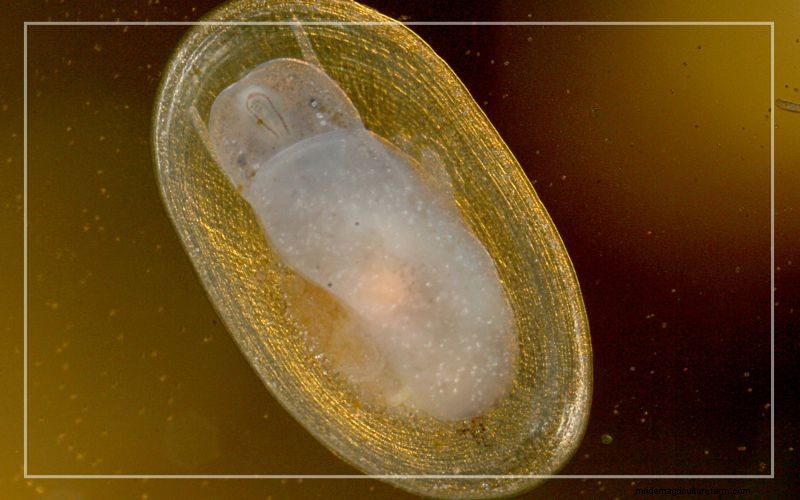
Limpets are tiny mollusks closely related to snails. They can be extremely small, barely 1/25th of an inch, though most grow up to 0.3 inches. They have a simple elongated shell, ranging from translucent to yellowish-brown. Limpets are very slow-moving. They’re static most of the time.
They’re very hard to spot in the tank due to their small size and light coloration. Even then, they’re usually in plain sight, lurking on plants or the aquarium glass. Sometimes, limpets might also burrow. Limpets reproduce quite slowly. It takes 3-5 weeks between reproduction and the eggs hatching. A freshly-hatched limpet takes an additional two months to develop fully.
You’ll be happy to learn that limpets pose no threat to the aquarium inhabitants. They’re peaceful and mostly herbivorous. They don’t attack or infect fish, snails, or shrimp. They’re so tiny they won’t even damage plants. But they do help you get rid of waste and annoying algae! Limpets also make a good snack for fish and shrimp in the tank. Nevertheless, you have some options if you want to make them go away.
How To Get Rid Of Limpets
Limpets are so small they won’t stand a chance against most species. Some good options include gobies, corydoras, loaches, pea puffers, tetras, bettas, and more! Even invertebrates like assassin snails and red claw shrimp can help.
Almost all treatments that kill limpets will also kill other invertebrates. If you don’t have snails or shrimp to worry about, I recommend using No-Planaria medication, copper-based medications, or fenbendazole-based treatments.
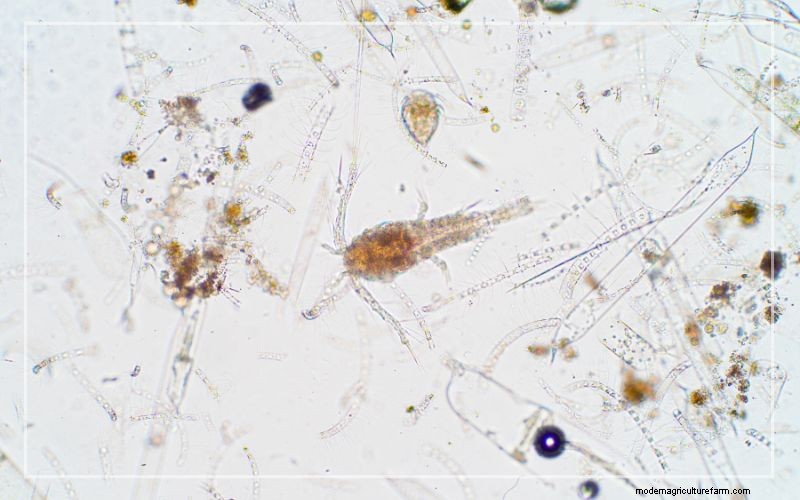
Copepods are among the smallest aquarium pests. They have rounded bodies with an elongated tail portion and long antennae. They can measure as little as 1/25th of an inch. The largest copepods reach an honorable size of 0.1 inches. They’re also sometimes called cyclops because they only have one eye.
Copepods might lurk anywhere in the tank, but they usually hide among plants, rocks, and rocky substrates. When moving, copepods take small leaps, kinda’ like fleas. Despite their alien appearance, copepods are completely harmless to all aquarium inhabitants.
Copepods are crustaceans, meaning they’re also detritivores. They eat leftover foods from fish, along with decaying matter. They don’t eat live plants or other live animals. Their small size makes them a non-threat, even for tiny fry.
Copepods are a common food source for most fish species in the wild. Some aquarists even try maintaining their own copepod supply for feeding their younger fish. As long as the aquarium is well-maintained, copepods pose no issue. Getting rid of them completely is difficult, but there are things you can do to control the copepod population.
How To Get Rid Of Copepods
Their main food source is detritus in the tank, so you’ll have to clean frequently. Siphon the substrate and do a partial water change weekly. Also, don’t forget physical filter media and pre-filter sponges. There’s a lot of detritus gathering on these surfaces too!
Copepods are crustaceans and, thus, are unlikely to be affected by dewormers. They can also live in both freshwater and marine environments. The best treatments, in this case, include copper and diluted bleach solutions. Rinse the plants and driftwood thoroughly after applying these treatments.
Most aquarium pests come hidden in new plants, rocks, driftwood, substrates, livestock, and even live food. The best thing you can do is to quarantine new décor, fish, snails, and shrimp. If you already have an infestation in the aquarium, you can use a combination of methods to eliminate pests.
Try cutting the food supply, adding predators, removing the pests manually, using traps or chemical medications. Medication should be the last treatment route, as most chemicals that kill pests will also hurt snails, shrimp, and plants. And remember, not all pests are bad! Although they don’t look nice, organisms like copepods, limpets, and detritus worms can help keep the aquarium clean without hurting your fish and invertebrates!


