
Welcome to Modern Agriculture!

Post-Harvest Technology: Haven achieved a bountiful yield farmers need to invest in solid pot-harvest technology. Technology is needed to facilitate best practices in quality preservation, picking, storage, transportation. Other reasons for proper investment in the technology is loss prevention, food security, avoidance of contamination, increased shelf-life.
Groundnut cultivation
Why Invest in Post-Harvest Technology
Causes of Loss
There are many causes of loss of produce before and after harvest. Loss includes disease, biological process, post-harvest losses and physical chemical damage. More include toxic gasses, pathogens, mechanical risks, weather conditions.
Causes
Objective of Post-Harvest Technology
The main objective of post-harvest technology is to minimize loss, eliminate disease, damage and control storage temperature. Mode of handling the produce is given good consideration include packaging or carrying. The entire delicate process is to maintain the freshness of the produce until it reaches the market.
Objective
Stages of Post-Harvest Crops
The importance of post-harvest technology determines produce shelf life and final quality. Stages of post-harvest crops are dumping, pre-sorting, threshing manual or machine thresh. Others are washing, cleaning, sizing, grading and packing. Some require disease preventing treatment, ripening and color initiation.
Stages
Dumping
Dumping is a process used to clean the fruits before pre-sorting. The technology includes immersion, wetting and dry dumping. This effectively reduce abrasions, mechanical injury, bruising. Dust is also remove by dry dumping method through gentle soft brushing application.
Pre-sorting
All fruits are not made equal some are misshaped others bad density. Proper sorting enables easy handling, healthy fruit, remove bad fruits, proper packaging and transport.
Threshing
Threshing is done manually or with a machine. Machine threshing is more efficient offers better time good labor management. Depending on the crop methods include trampling, flail, racks, boards, feet, hand threshing.
Washing
Some crop require washing in solution, dry cleaning and cleaning. They go through sizing, grading, sorting to separate for uniform quality and pre-shipping. Things they look for are uniformity in shape, color, size, firmness. More include insect damage, mechanical injury, maturity, disease.
News-programme to boost oil palm production
Ripening and Disease Prevention
In some fruits ethylene is applied to stimulate ripening. Farmers use ethylene on oranges, tomatoes, and banana. More treatment include humidity /temperature control to achieve color initiation or ripening. Some apply disease prevention treatment like vapor treatment to control fruit flies, rot disease or stone weevil.
Packaging
Packaging requirements depends on the type of crop produced. It is important to provide a hygienic way of packaging to preserve quality and safe handling. Fresh fruits are packaged in boxes, cartons, gunny bags, bamboo baskets and wooden boxes.
Handling
Post-harvest handling requirements are different based on the produce. To handle apples the objective is to pick resilient apples through sorting, packaging, transportation.
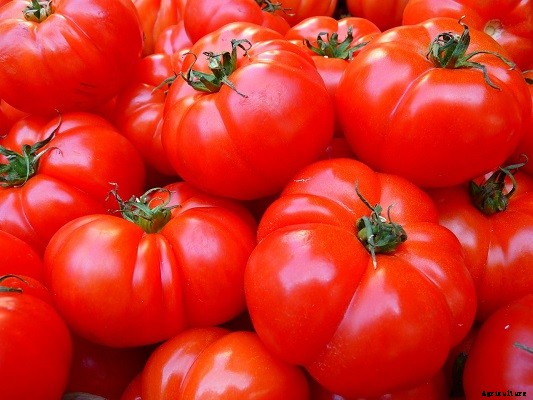
A fruit like mango involves fruit selection, color monitoring, fruit shape, texture and firmness and type of packaging. Tomatoes in-turn are highly perishable and requires delicate handling, transportations, short storage.


