
Welcome to Modern Agriculture!

In making a decision as regards to which type of fish pond that will be better for your fishes, This depends on the way you are looking at it and what you actually want. As far as am concerned, the two could be very rewarding if adequately managed.
In comparism, water management in earthen pond is easier than in concrete pond because most wastes from the fish and the feeds are absorbed by the soil in earthen ponds while they have to be flushed out in concrete ponds.
Also phytoplanktons and zooplanktons are available as additional sources of feed in earthen pond while artificial feeds are the only source in concrete ponds. There is no need to clean earthen ponds as it is done for concrete pond.
However, it is easier to ensure adequate security with concrete pond than with earthen ponds because most concrete ponds are usually built in and enclosure. Also sorting, numbering and harvesting are easily done in concrete ponds than in earthen ponds.
Diseases, cannibalism and death is also easily observed in concrete tanks, meanwhile how well the fishes are consuming and absorbing their feeds is easily known in concrete ponds than in earthen ponds and more importantly, you do not need a water-logged (swampy) area before embarking in concrete pond construction.
Meanwhile for you to be able to decide as to which of the ponds will be best for your intending fishes, you will have to first understand the advantages and the disadvantages of each of the different type of ponds we have and compare them with what you want to achieve from your fish farm.
Therefore let us discuss the advantages and disadvantages of the different type of fish ponds we have below:
Read Also: Female Fish and their Reproductive Strategies: All You Need to Know About
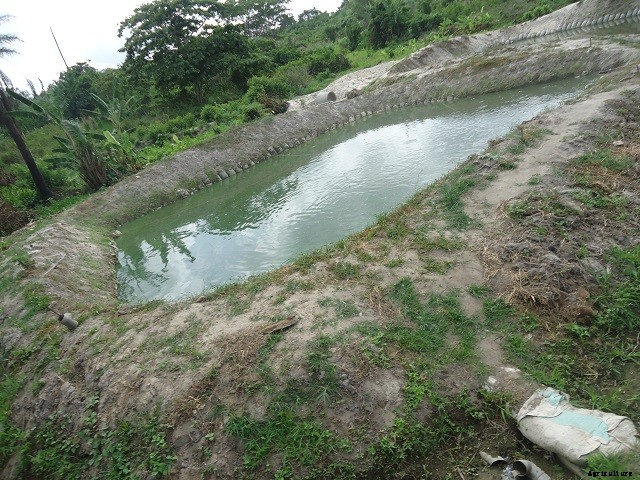
1. Earthen Ponds: are artificial dams, reservoir, or lake constructed for different species of fishes in order to retain some features of the natural aquatic environment. Earthen ponds are created manually, or mechanically, in a carefully selected site with high water retention ability. Earthen ponds are constructed manually with the use of shovels and diggers.
However, in recent times, the use of excavators to dig ponds has been on the increase. An excavator can dig a pond that ten men will ordinarily dig in five days within just ten hours.
For commercial pond construction, the use of excavator is more cost effective than manual construction. It also saves time and can attain good depths in hours.
The choice of land for earthen pond must take into cognizance availability of water, or at worse confirm wetlands in season and out of season.
Other factors that must be considered include soil type, soil texture and soil permeability. A site located in an area that mainly has sandy soil costs more when it comes to construction because ponds constructed in such areas will need sandbagging to prevent the collapse of such a pond.
Advantages of Earthen Pond over Other Types of Ponds
Read Also: Species of Female Fish and their Method of Reproduction
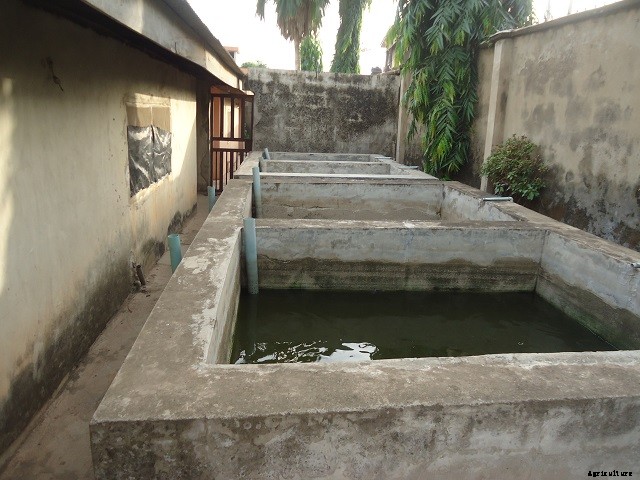
2. Concrete Ponds: are usually constructed with concrete and sometimes reinforced to make them stronger. Construction of concrete ponds is often handled by highly skilled professionals in civil/construction engineering.
For any concrete pond to stand the test of time it must be well constructed. The use of blocks for the construction of concrete tanks is not usually encouraged.
Concrete tanks for catfishes can be constructed below or above the earth surface. Concrete ponds are must popular in urban areas where catfish farming are practiced.
Advantages of Concrete Pond over Earthen Ponds
3. Tarpaulin/Synthetic Leather Ponds: are dug like an earthen pond but the walls are lined with a form of rubber/leather carpet to prevent water percolation. These kinds of ponds are excellent at raising juveniles and brood stock. They are usually constructed with flow-through system.
Advantages of Tarpaulin/Synthetic Leather Pond
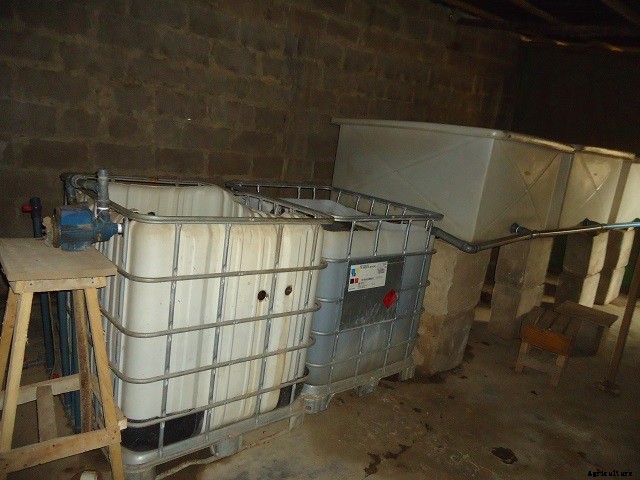
4. Plastic/Rubber Tanks: are of different sizes specifically manufactured for raising catfishes. Some of these containers are constructed to accommodate as much as one tonne of table-size fish.
Advantages of Rubber/Plastic Tank
Read Also: Female Fish and their Reproductive Strategies: All You Need to Know About
5. Fiberglass Tanks: are transparent tanks used to raise frys and fingerlings under a controlled temperature before they are transferred into the outdoor tanks.
Advantages of Fiberglass Tank
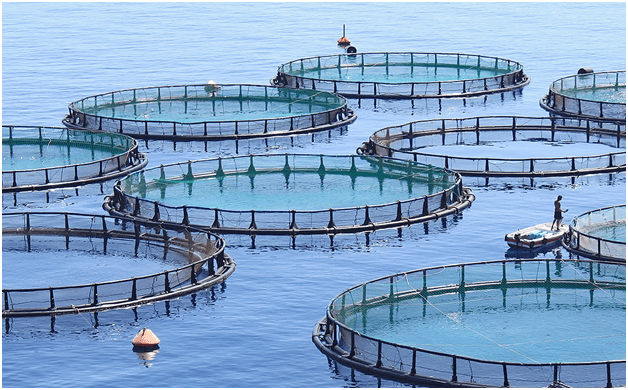
6. Cage Tanks: are constructed and placed inside fresh water. They are anchored to the surrounding pegs. Most of the times, feeding of fishes in the tanks are done with the use of a canoe because these tanks are placed in the middle of a large water body to replace their water environment in an enclosed cage.
Advantages of Cage Tank
Related: Anatomy of Fishes: Female Fish and their Reproductive Strategies
