
Welcome to Modern Agriculture!

Cattle diseases are diseases that affect the individual in a general way. The state of health of the animals depends mainly on the conditions of the animal, the conditions of the environment in which it is found and the presence of agents that produce diseases.
All producers must develop a preventive health plan in their farm that includes vaccinations, control of external and internal parasites and some handling techniques such as decorate, hoof trimming, etcetera. Once the animal has contracted an illness, the producer must be able to distinguish and treat it properly.
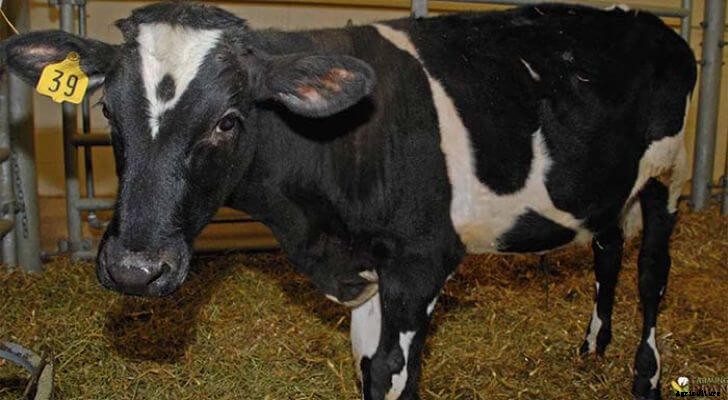
They are diseases that affect the individual in a general way, that is to say, the agent producing the disease may feel a predilection for a particular organ, however, the symptoms and signs of it affect the general body condition of the individual. Most are acute-stroke diseases and in most cases cause prostration and death rapidly.
Reproductive diseases often lead to infertility of animals, increased abortions, and the birth of weak offspring. They are diseases usually caused by bacteria, viruses, and parasites with great potential to infect and transmit to other individuals. The method of contact is usually direct contact and acute and chronic disease can occur. You May Also Like To Read Angus Cattle.
They are the diseases that affect the gastrointestinal tract, most of them are caused by pathogenic microorganisms with great invasive power. Gastrointestinal diseases affect the digestion of food and absorption of nutrients, produce diarrhea and vomiting and in consequence of weakness and dehydration of animals, electrolyte imbalance and in many cases are affect the stomach and intestinal tissues.
Here are the diseases that affect the nervous system, which, after detecting changes in the external or internal environment of the body, interprets sensory information and directs responses through electrical activity. Usually, diseases are causing discord, optic disturbances, motor disorders, seizures and abnormal behavior of the animal.
The diseases of the musculoskeletal system that most frequently affect the production of animals are those related to the locomotion of the individual. An animal that can not move efficiently to find food is no longer productive.
Most of these diseases result from skeletal disorders and joint changes, as well as muscular, infectious diseases, nutritional deficiencies, congenital defects and in many cases injuries.
Diseases that affect the respiratory system of individuals are usually spread through nasal and ocular secretions, saliva sprayed on the cough and in the case of viruses up to respiration. You May Also Like To Read Hereford Cattle
There are some factors that predispose the animal to develop these diseases such as exposure to excessive loads of dust, mixing of animals of different origins, high concentrations of moisture and ammonia among others.
These are diseases that affect the regulation of energy production and damage tissues necessary for the survival of individuals. Metabolic disorders are usually the result of an excess or deficiency of enzymes or catalysts and are mainly related to the factors of production and management.
They are those that are located inside your host, are generally not observed with the naked eye and it is necessary to perform tests in the laboratory to detect their presence. Endoparasites can be located in any organ, however, each different species feels a predilection for a particular organ.
Ectoparasites are parasites that prefer to live on their host, usually located on the skin, hair, feathers, and horns. Such as Ticks, Mites, Flies, Lice.
In the same way as diseases, poisoning can lead to the deterioration of animal health and in many cases to the death of animals depending on the Dose that the animal consumers of a certain toxic agent and of the susceptibility of the animal against the mentioned agent.
There are many cattle diseases that can affect the individual in a general way. The state of health of the animals depends mainly on the conditions of the animal, the conditions of its environment and whether there are agents that produce these diseases present. This article has outlined some common causes for certain cattle diseases as well as how to prevent them from happening again. If you find yourself with any questions about this guide or want more information please contact us! Thank you for reading our blog post today – we hope it’s helped answer your questions! Good luck to all those who work closely with cows!
As A Reference: Diseases
