Pig farming is very profitable farming nowadays. Pig farming is now popular in the united states. A clean farm avoids the presence of diseases and increases production. Pig farming or hog farming is the raising and breeding of domestic pigs as livestock and is a branch of animal husbandry. Pig farms are one of the most controversial topics in today’s society.
Pig farmers have to deal with many different approaches when it comes to their style of the farm which includes intensive commercial units, commercial free-range enterprises, or extensive farming. This blog post will give you insight into what each type entails so that you can make an educated decision on how your pig farm should be run!
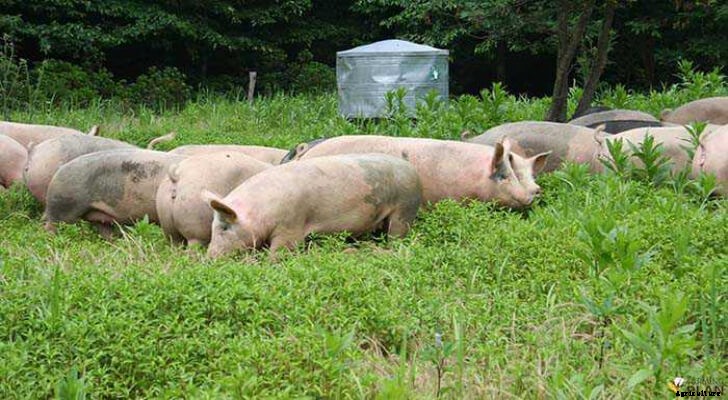
During Productive Cycle of Pig Farming
- The daily collection of feces.
- Disinfection of the sheds at least 3 times a week, using a pump with disinfectant, to lower the bacterial load.
- Flame installations and equipment if possible.
- Disinfect according to the disinfectant rotation program.
- The areas around the sheds must undergo a process of hygiene, disinfection, weed control, and rat removal.
Finished the Productive Cycle of Pig Farming
During the sanitary evacuation (minimum 7 days) to carry out the following activities:
- On the same day that the animals leave, the cleaning and disinfection of the pen must be carried out.
- Remove all organic matter from floors and walls.
- Wash and degrease floors and walls, using degreasing soap.
- Wash and disinfect drinking fountains, feeders, silos, hoppers, and curtains.
- Flame installations and equipment if possible.
- Disinfect according to the disinfectant rotation program.
The areas surrounding the sheds must undergo a process of hygiene, disinfection, weed control and rat removal. Mobilization ramps and walkways should always be kept clean. The amount of disinfectant for the disinfection pumps or bows must be prepared DAILY according to the number of vehicles entering the farm, in order not to lose the action of the disinfectant.
If the foot disinfectant is liquid change DAILY if it is a powder (quicklime) change every 8 days.
Storage, Control, Supply and Use of Water
Water Installation and Control
- A record of procedures for cleaning, treatment, and analysis of water and its facilities used on the farm should be kept.
- Drinking water and washing facilities should be exclusive and avoid exposure to the sun as it raises the water temperature.
- It is recommended that each shed has a water tank for medication supply.
- Water tanks and hoses should be washed and disinfected every 15 days.
- Drinkers should be washed and disinfected at least once a month.
- The installation of the drinking troughs should be adequate so that it provides at least 2 liters per minute to the pig.
- During the cleaning process, the pigs should be justified in contact with the wastewater, since the concentration of the disinfectants used can cause death in the animal.
- It is important to keep reserve tanks for a minimum of 3 days in case of emergency. Water tanks for supply to animals should always be clean and covered.
- Drinking water must contain at least 3 parts per million (ppm) of chlorine.
- The water used to clean the farm must be potable.
- It is suggested to carry out the analyses every year on the physical-chemical and microbiological conditions and the quality of the water.
Water supply
The inadequate supply of water reduces the consumption of food, which generates less weight gain. The drinking water for the pig must be FRESH, COLD and ABUNDANT. At least 1 drinker per 15 pigs should be available. The permanent management of drinking water must be guaranteed.
Management, Storage, Control and Food Supply
The pig is an animal that requires a balanced and adequate diet, should not be fed with waste or with the mortality of other species (birds)
- The food used on the farm, whether it is made or purchased from third parties, must be adequate for each stage of production (gestation, lactation, replacement, pre-weaning, weaning, initiating, growing and fattening).
- If the food used is processed within the farm must meet the nutritional requirement according to the productive stage of the pig.
Supply
The nutritional requirement of the genetics of the pig. On a permanent basis. Feeders should never be empty especially in the breeding and fattening stages.
You must use balanced foods of brands that have Sanitary Registration.
- Fresh food must be provided to the pig.
- Food leftovers should be removed from the feeders before filling them again for lactating females.
- Keep track of your daily food intake.
Guaranteed feedings should be used and the date of manufacture, expiration, and sanitary registration should be verified.
Storage
Wineries must be identified with a label, remain closed, have ventilation, and be disinfected periodically.
- The storage of the balance must be maximum of 1 month for saw and 15 days for the coast. Storage of food balanced, marked, covered, clean, dry, closed, ventilated and with the door.
- The windows should be protected with meshes that prevent the entry of pests.
- The food store must be of specific use for the balanced foods and should be away from storage place of agrochemicals, veterinary products, fuels, etc. Do not store balanced foods together with products (chemicals, pesticides, etc.)
- Pallets should be used on the floor of the food hold, with a minimum wall separation of 15 cm, to allow for cleaning, airflow, and pest control.
Management of Medicines
It is cheaper, to prevent than cure. Comply with the biosafety program. In the event of notifiable diseases (foot-and-mouth disease, PPC swine fever), they must be reported immediately by the owner or his technician.
- Have a specific place for storage of veterinary products, free of dust, sun rays, and moisture.
- Use an exclusive refrigerator for storage of vaccines, respecting the cold chain.
- Must keep records of the use of all medications on the farm with date, identified health problem, brand, expiration date, etc.
- Prescription of any medication must be done by a veterinarian.
- Use registered products only.
- Check that the product does not present sediments or forced seals.
- Store as recommended by the manufacturer.
- The withdrawal time indicated in the medication must be respected before the animal is slaughtered.
Pest control of Pig Farming
Adequate control of rodents, birds, insects, and weeds is necessary to prevent the entry of diseases into the farm
- Make a plan to control pests present on the farm.
- Keep track of existing pests and products used for control.
- Use traps to control rodents.
- Have a sketch of the location of the traps or baits.
- Place meshes to prevent the entry of birds into production areas.
- Traps should be placed in strategic locations that are not hazardous to children, staff, and animals.
- Specific insecticides must be used for the control of flies for this purpose.
- Keep the farm free of garbage, debris, and debris.
Conclusion
Pig farming is a complex and nuanced practice. There are many different breeds of pigs, as well as various styles of pig farming. This guide should help you understand what style of pig farming would work for your farm or business; but if you want to take the next step and learn how to become an expert in this field, we have some resources that can show you how! We hope this article has helped answer any questions about raising pigs on your farm – please feel free to reach out anytime with more questions or concerns.
As A Reference: Wikipedia


