Welcome to Modern Agriculture!

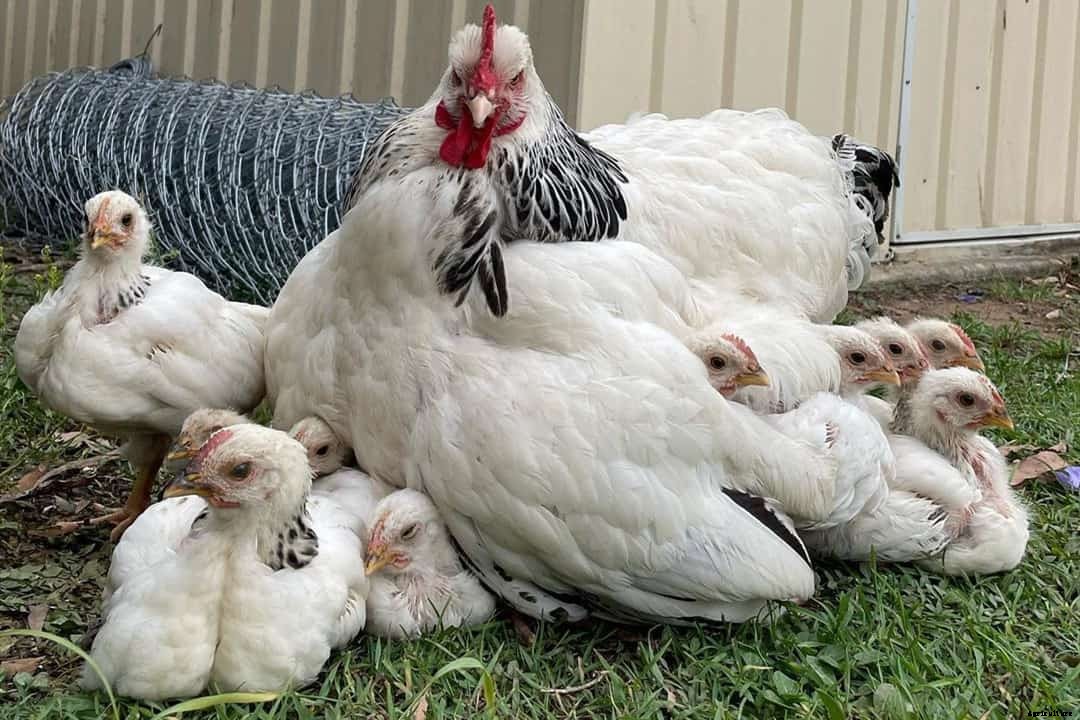
Sussex hens are reliable layers. You can count on them to provide you with consistent eggs and raise their chicks well, even during wintertime.
These wonderful mothers are naturally curious, docile, and friendly, making them a delight to raise. Keep in mind that they are not aggressive and could not effectively fend for themselves. So, it would be best to separate them from other pushy breeds to prevent them from being bullied.
The unique plumage of the Speckled variety is an effective camouflage against predators. This trait makes them perfect for free-ranging. They are also excellent foragers, which makes raising them easy on the pocket.
This all-around hardy bird can thrive in all kinds of climates, especially the cold ones. They can tolerate hot summer months as long as they have access to cold water and shady spots where they can cool down.
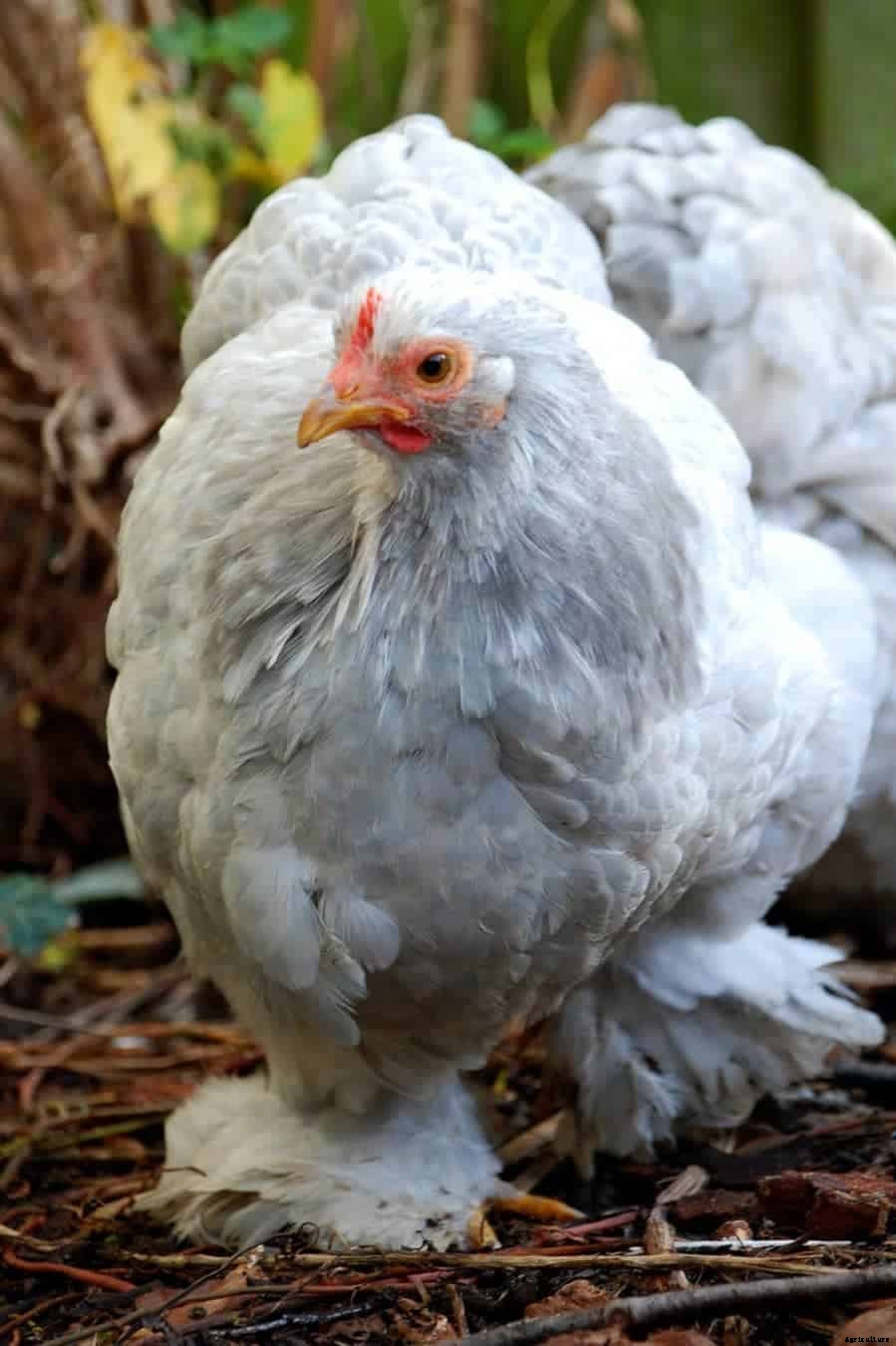
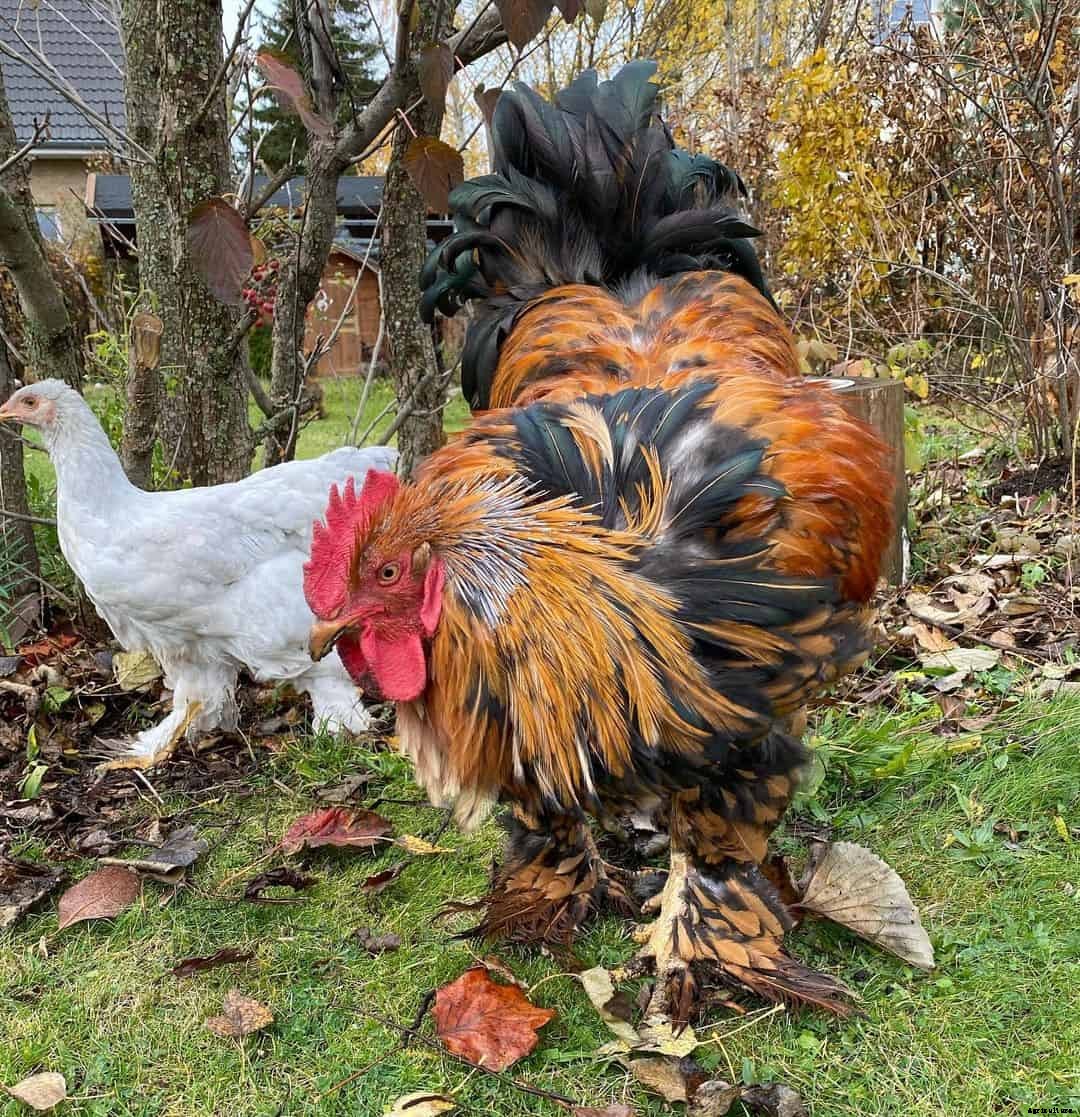
Cochins may not be excellent egg producers, but they are excellent brooders and great mothers. They can hatch multiple batches of chicks in a year, so you can grow your flock as fast as you want. However, during the colder months, they may stop being nurturing mama hens earlier than usual.
The Cochin is a breed that originated from China and was imported to Europe during Queen Victoria’s reign. They have massive and fluffy plumage that reaches their legs, making them appear bigger than they are.
This breed is easy to handle due to its friendly and docile nature. They are perfect for homes with small children. Their kindheartedness extends to other breeds as they could also go broody on eggs of different breeds and species (including turkeys and ducks!)
These lovable birds are also contented being in a coop with a sizeable run. However, you have to be careful not to overfeed them. They tend to gain a lot of weight due to inactivity and their love for treats.
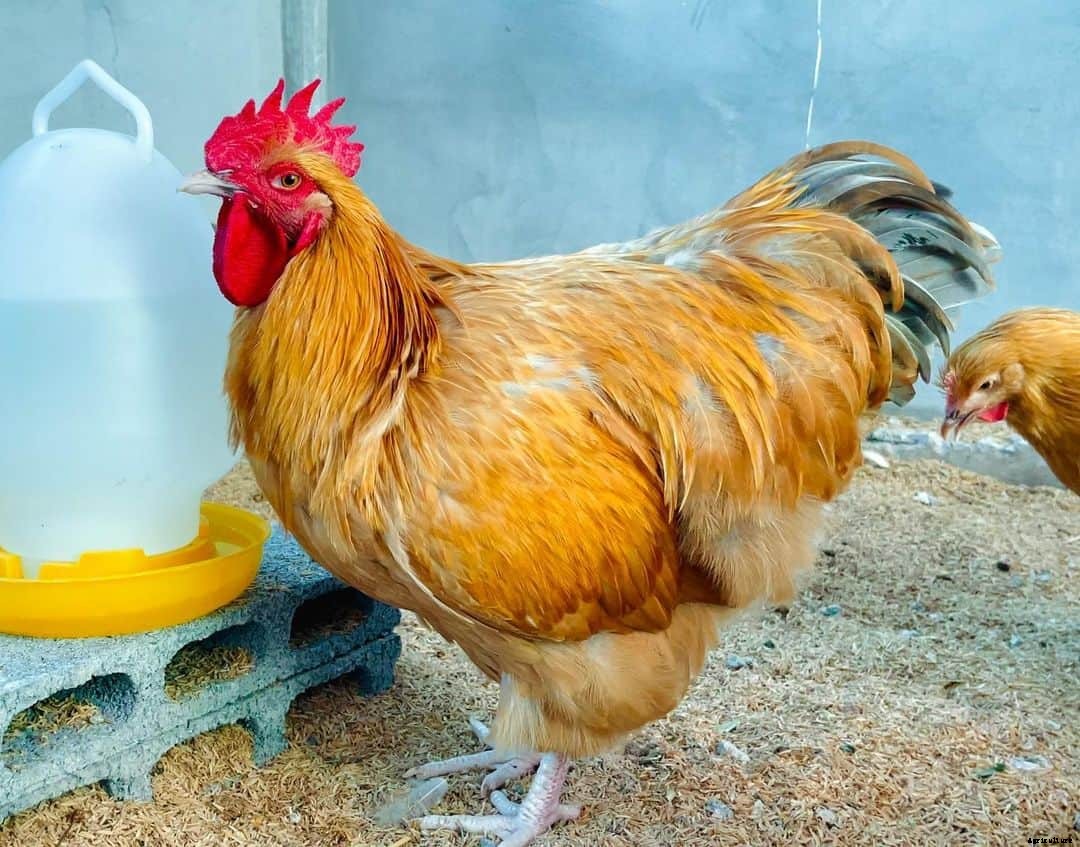
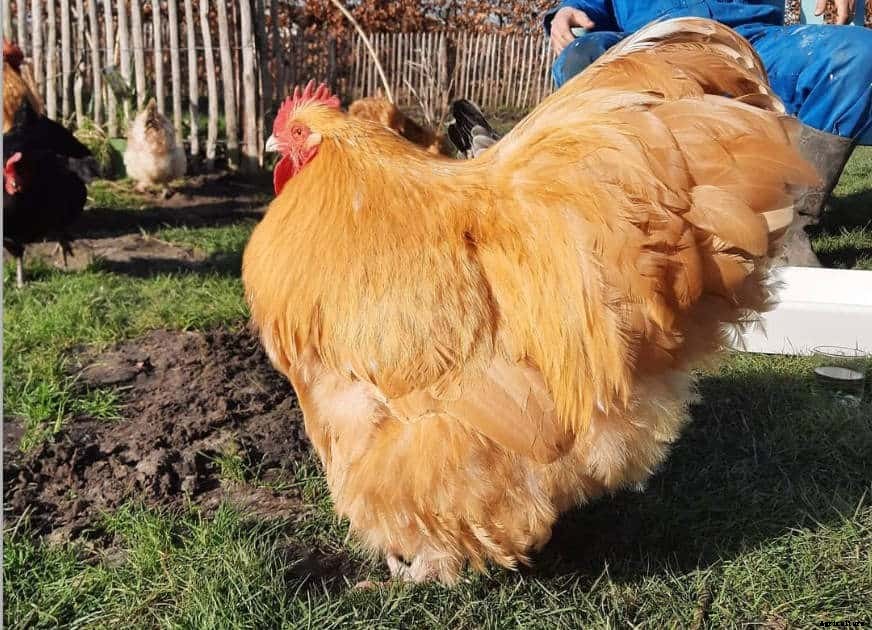
Orpingtons are exceptional mother hens known for their docile and sweet nature. They would make a great addition to any backyard flock and can thrive even in small spaces. These exceptional layers are cold-hardy and would often be in a broody mood.
This dual-purpose breed has loose, fluffy feathers that give the impression that they are heavier than their actual age. Their name comes from the location where it was bred- in Orpington, a place near London.
These lovely birds have a sweet and gentle disposition, so they are great for families with small children. They are so friendly that they welcome any eggs that their keepers place under them.
The Orpington can tolerate any confinement, strange noises, and frequent handling well. These qualities make them a favorite for class projects and poultry shows. They are relatively low maintenance but would rely on feeders more rather than forage their food.
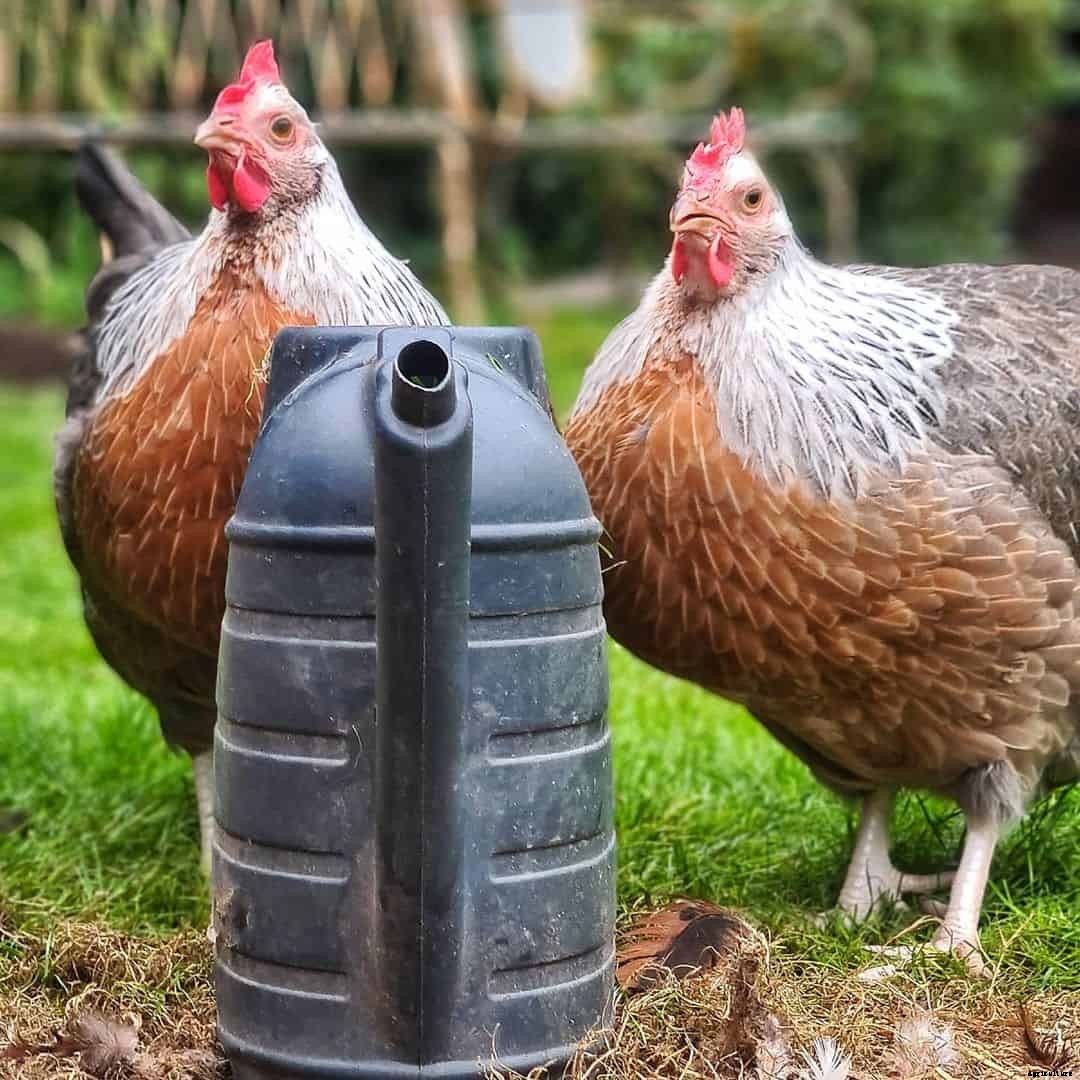
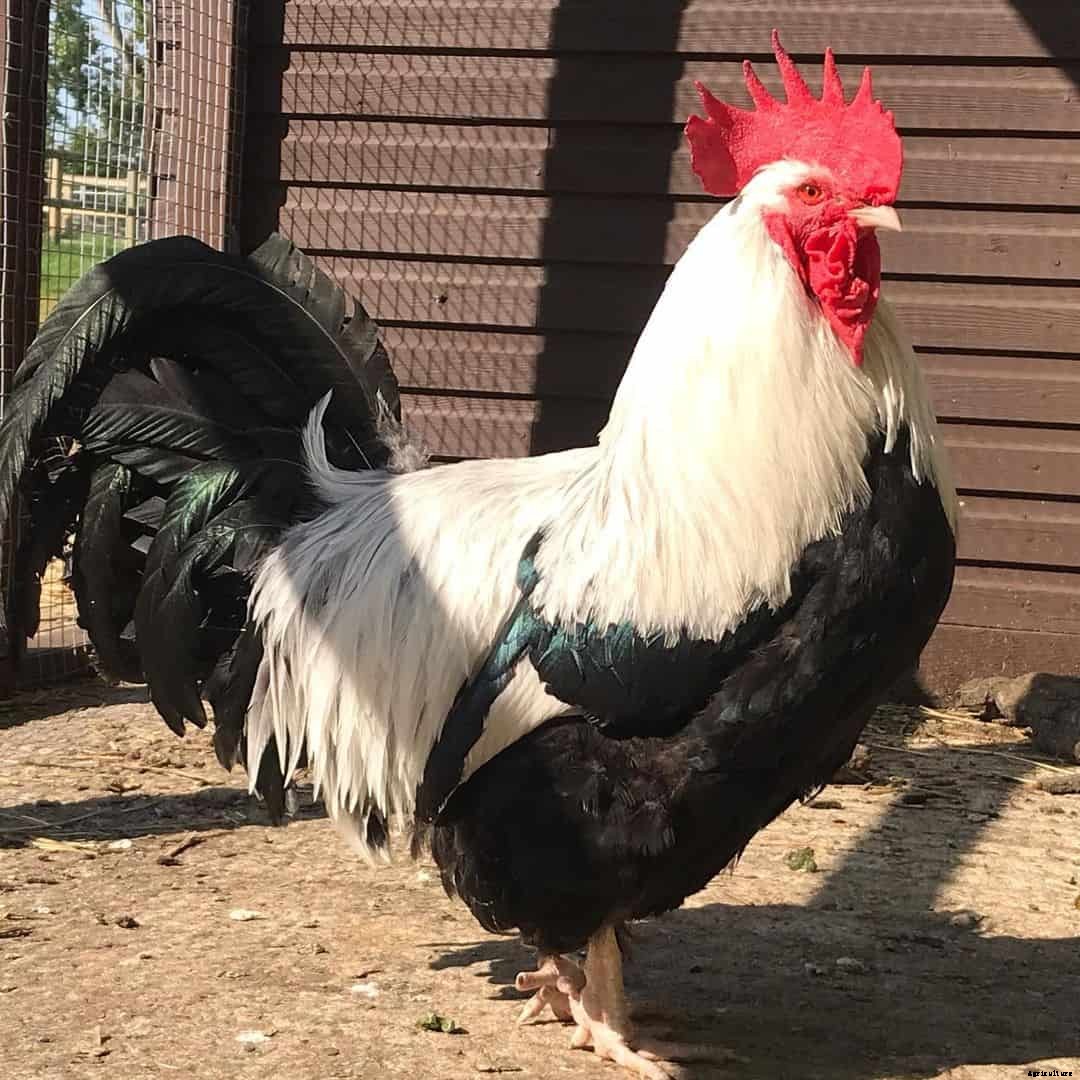
The Dorking is a rare chicken breed that is known for its broody tendencies and decent laying abilities. They are an affectionate bunch and are exceptional mothers.
Their mother’s instincts spread to other babies of the flock. They can take care of chicks even if they are not her own. You can find them mothering their clutches longer than other birds in the coop.
This breed is known to be one of the oldest since it dates back to 43 AD. However, it is now considered endangered. Its scarcity can be due to the commercialization of the poultry industry. Breeders are now more concerned about raising faster-growing chickens more than broody ones.
It would be a great idea to start raising these broody hens in one’s backyard to continue the legacy of this breed. Expect their incubating ability to peak in their second year as their mothering abilities improve as they age. They can go broody once or twice a year.
Dorkings are short and plump and were bred for egg and meat production. They are known to be great producers of juicy breast and leg meat.
This breed can be good foragers but is known to stay close to home, making free-ranging a viable option. Dorkings are not afraid of humans, and they love to interact with them.
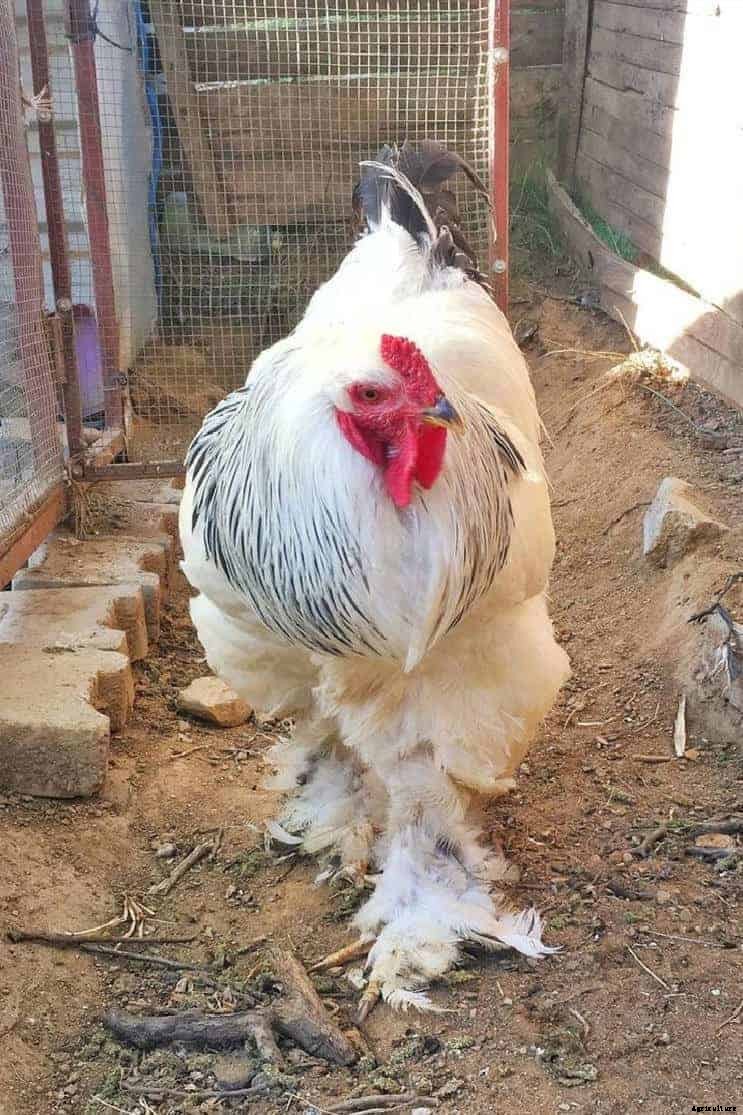
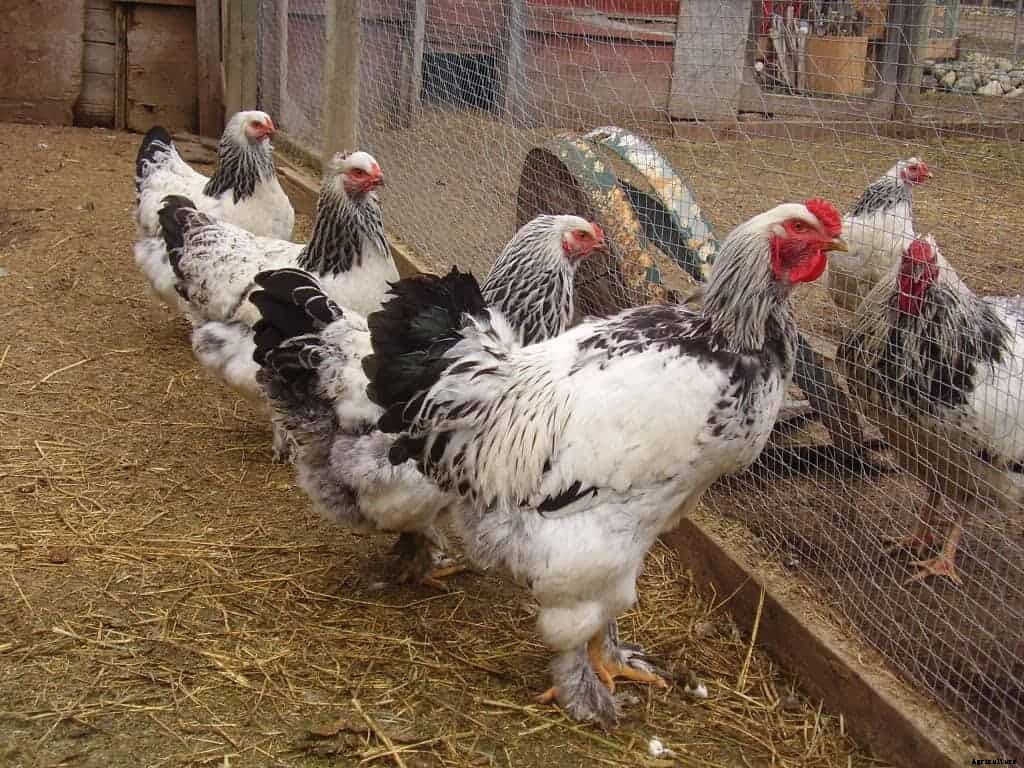
The Brahma, known as the “gentle giant” in the poultry world, are excellent layers and constantly go broody. These fantastic mama hens are calm, friendly, and make great companions.
This breed is both heat and cold hardy. They can lay a generous amount of eggs even during winter. However, since they have heavily feathered shanks and legs, they are more prone to moisture. This situation will not bode well during cold months since it may lead to fatal frostbite.
These even-tempered birds don’t mind small spaces, despite their size. They’d happily go about their day even in confinement. However, sometimes they’d overdo their relaxation and tend to be more inactive than other breeds. They’d rather wait for their share of feeds and treats than forage for bugs and weeds.
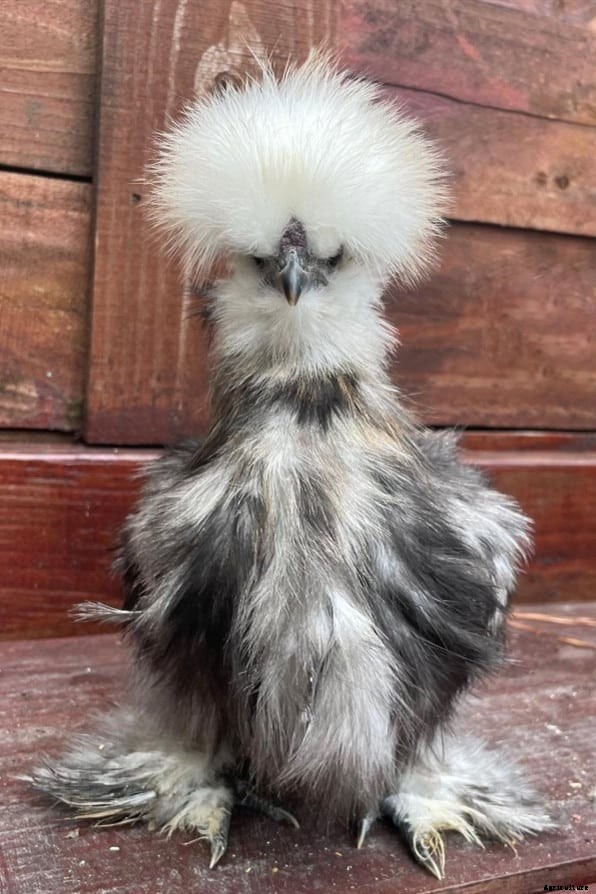
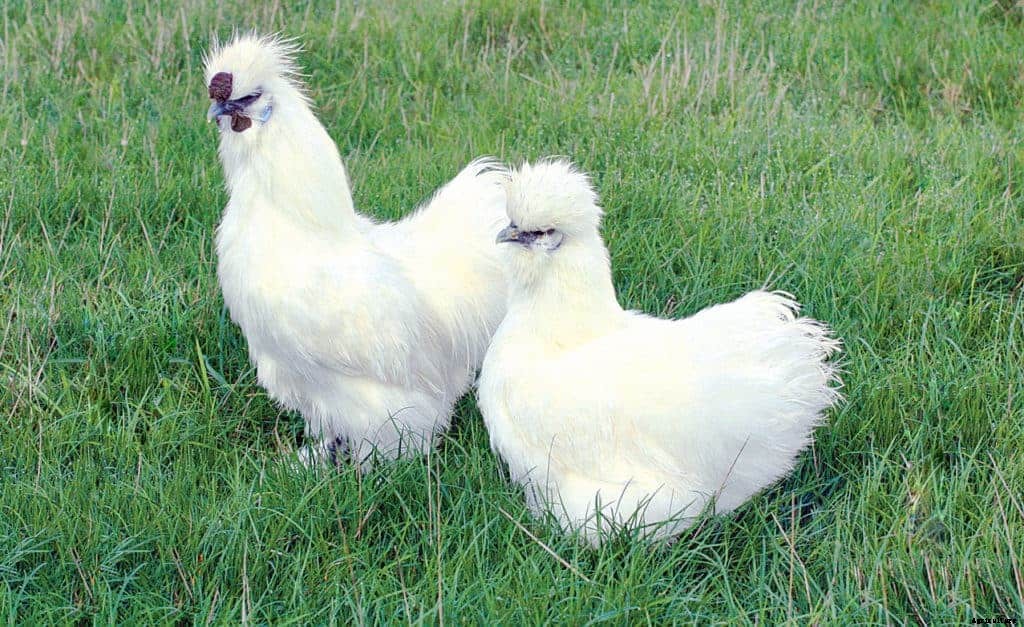
The unusual-looking Silkie chicken takes the top spot when it comes to broodiness. The hens may not be as productive as other breeds, but you can rely on them to sit on their eggs for as long as they’re needed.
Like the other breeds mentioned here, Silkie moms would gladly incubate and hatch eggs that are not their own. This caring disposition earned them the title of the “Broody Queens” of the chicken world.
This docile and adorable breed is popular among raisers who have kids in their homes. They do not shy away from human affection. They would actively seek it and would gamely sit on one’s lap.
The appearance of this unique breed adds to their charm. This breed seems to have more fluff than feathers. Their name was derived from their silky and satin-like plumage. Since they are smaller than other chickens, they are easy to raise as well.
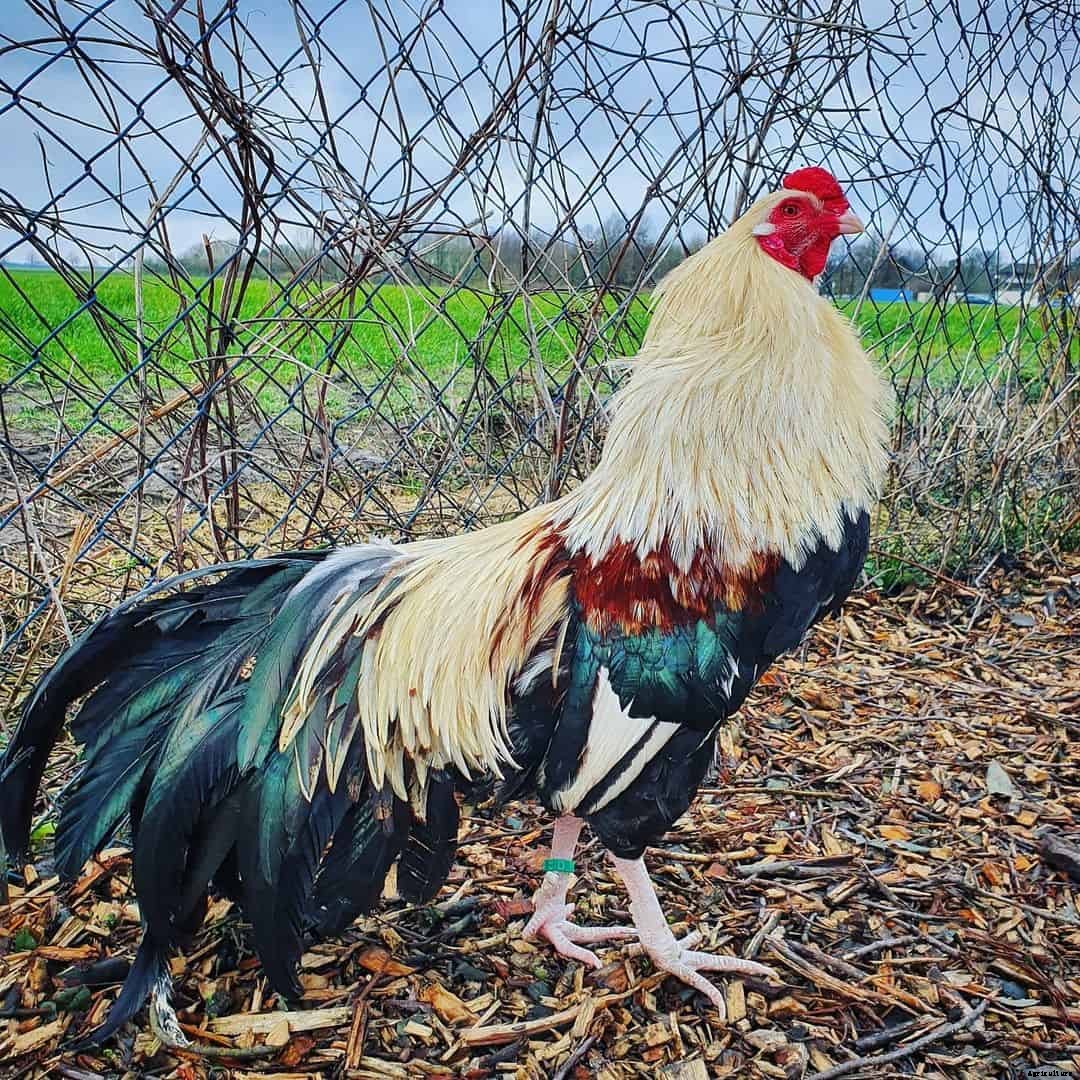
If you live in a warm or tropical place and looking for a broody hen, the extremely heat-hardy Cubalaya is the best choice. They may not lay as many eggs as you’d want, but they go into a broody mode often.
They aren’t as friendly as the momma hens that we’ve mentioned, so it would be best to keep children away from them. They can be pretty aggressive, but their curious nature can tone the feistiness in them. Despite their occasional sour moods, these hens can be good foster mommas to other chicks, too.
This chicken was brought to Cuba from the Philippines and is the only breed recognized by the Cuban National Poultry Association. Its name was coined to honor the country that refined the breed. Cubalaya was bred for three purposes- for meat, eggs, and cockfighting.
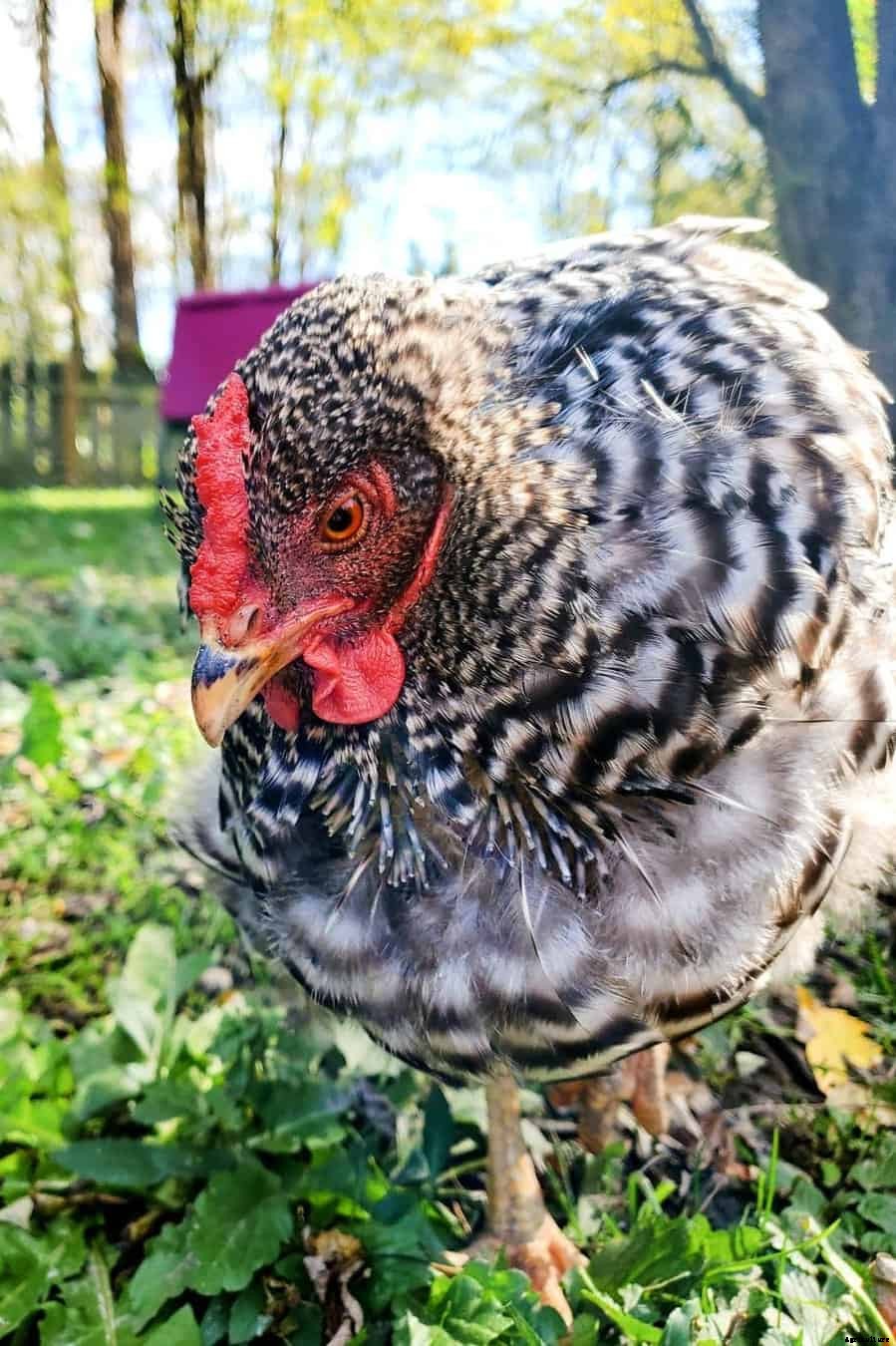
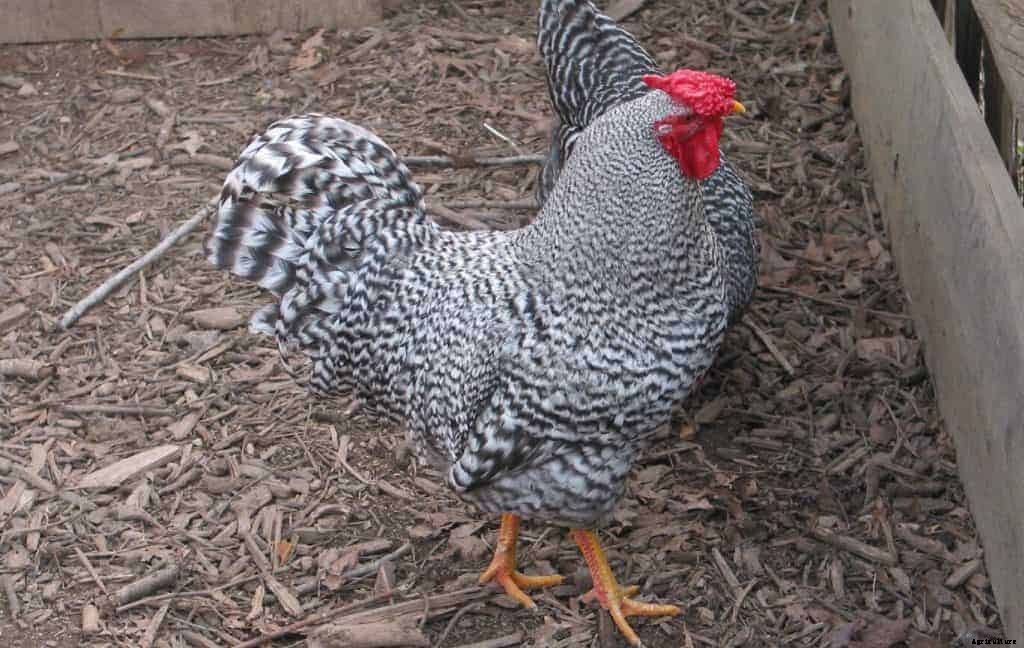
The oldest American breed, Dominique, has a sweet, calm, and gentle disposition. They love to follow you around to seek attention and ask for treats.
The momma Dominiques are exceptionally attentive to their chicks and have a high raising rate until the babies are independent. They have been broody ever since colonial times, which led them to exist even up to today.
This reliable breed can thrive both in free-range or in confinement. These chickens are also good foragers, and you could rely on them to fend for themselves.
They are also a good choice for a family with younger children since they are not aggressive and gentle towards humans. However, their docile nature can be a problem when they are mixed with other aggressive breeds. They can best thrive in a flock that has other calm chickens.
Your dream of naturally growing a sustainable flock is now within reach. There are several breeds of broody hens that you can raise in your backyard. It would be best to consider the climate of your place and the size of your coop or range.
It also helps to see if your broody hen will get along with the other chickens in your flock. The most important thing is that you don’t stress yourself waiting for the broodiness to set in. Let nature take its course. If the hens feel free to nurture their babies, they’d happily provide you with the chicks that you want.