
Welcome to Modern Agriculture!

Raising ducks is a hobby that fulfills a lifetime passion and is hard to let go of. Our family loves and cares for a small flock of Pekins.
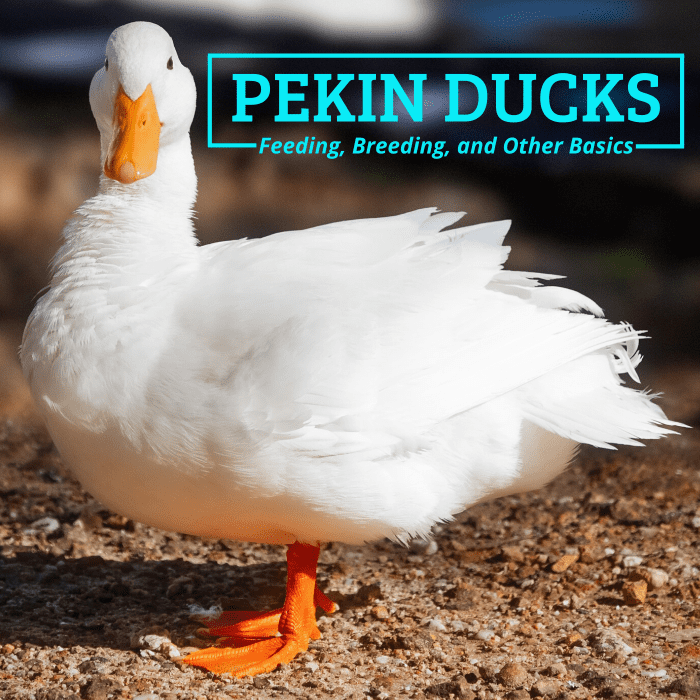
Pekin ducks are a type of large-breed, white-feathered, dabbling duck that was domesticated over 2000 years ago. Although the location of their origin is disputed, most agree it was probably somewhere in Southeast Asia. Due to selective breeding, these birds produce larger eggs and more meat than most other ducks and have a visual appearance that pleases the eye. Over the years, Pekins have become one of the most common production ducks in the world.
Most Pekins are large and white with orange beaks. These hearty, friendly birds were bred specifically for meat and egg production and have become almost synonymous with the word duck today. They are calm-natured and a little bit skittish, but they make excellent pets due to their unique personalities and overall durability. Raising Pekins is easier than raising most other breeds of domestic duck because of their strong immune systems and ability to survive in extreme conditions.
Celebrity Pekins
Both the Aflac duck and Donald Duck are Pekins! As you may have noticed, both have white feathers and orange beaks.
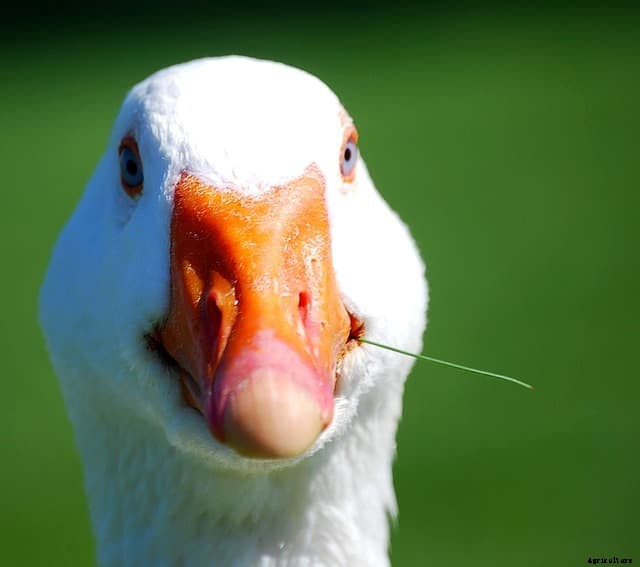
Ducks are scavengers, and they will eat just about anything that will fit into their mouths. Pekins are dabbling ducks, which means they get their food from land and the water's surface rather than by diving underwater. To get the maximum lifespan from this feathered creature, it's important to help it eat healthily. Although ducks will not overeat, they will devour unhealthy junk food. So, what do ducks eat?
In the wild, depending on the time of year and location, ducks eat a wide variety of things. So many, in fact, that any list would just be too long. Instead, here are a few random healthier items to help you get an idea of how broad a wild duck's typical diet can be. In the wild, ducks eat many aquatic organisms like fish, frogs, and algae. They also forage for nuts, berries, and seeds. Worms, crickets, flies, and mosquitos are also on the menu.
A domestic duck can usually roam free on a farm and find most of its food on its own. That said, a healthy duck's diet still needs to be supplemented with traditional poultry feed. Poultry feed is usually cheap and readily available at any pet or feed store. To determine the type of feed that you will need, you will have to decide what your duck's purpose is.
For Good Eggs: If you want healthy eggs, the girls need a "layer feed." Layer feed is rich in calcium and the vitamins poultry need to produce beautiful eggs. Boys, on the other hand, need a healthy, protein-rich diet with intermittent calcium supplements to ensure fertile eggs.
For Pet Ducks: Pets are a bit different. Free-ranging ducks are great at finding food, so supplementing meals with chicken scratch or corn is usually sufficient. Be careful with corn, however. If too much is consumed, ducks can become overweight. Corn and protein are better for the winter months. Corn helps add an extra layer of fat, while protein provides the energy to stay warm.
For Babies: Baby ducks need a type of food referred to as "chick starter." Chick starter provides the protein and vitamins babies need to live strong, healthy lives. Avoid medicated food for ducklings; ducks have strong immune systems, and the extra medicine could weaken them.
Is It Pekin or Peking?
The names sound alike, but they're not the same thing. Pekin is a breed while Peking is a delicious Chinese roast duck dish.
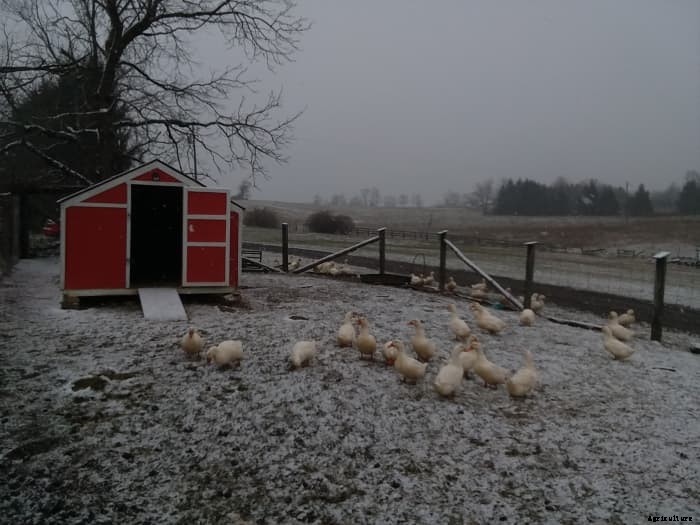
Whether you want to keep Pekins as pets, for eggs, for meat, or for some other purpose, you'll need to make sure their living environment is suited to their needs.
Ducks are hardy creatures and can survive extreme hot and cold temperatures. In the winter, they need a draft-free shelter with hay on the floor. In the summer, they need shade and extra water.
Contrary to popular belief, ducks do not need water to swim in; they only need water deep enough to clean out their bills. Most ducks do love to swim, so providing a place for them to do so is definitely a good idea—it just isn't technically necessary. Cleanliness and predators are the main things you need to watch out for.
Ducks poop! Pens can get messy fast, so keeping the coop and pen clean is of utmost importance to avoid sickness outbreaks and keep healthy ducks. I can't stress how important it is to keep the feed containers, pen, and coop clean. A healthy duck is a happy duck.
To keep the coop free from predators, you have to understand what predators you might encounter. For instance, protecting your Pekins from the neighbors' dog or a raccoon is different than protecting the coop from a bear or a pack of coyotes. Know the predators in your area and adjust accordingly.


