
Welcome to Modern Agriculture!


One of the most confusing and hotly debated issues in chicken keeping is what NOT to feed chickens. There are many sides to this issue, some people feed their chickens absolutely everything and leave it up to the chickens to decide what’s best for them. Others are uber careful about every morsel that enters the chicken coop.
When deciding what chickens should not eat, we tend to fall somewhere in the middle.
There are hundreds of foods that you can feed to your chickens and some that you absolutely want to avoid. In fact, there are at least 33 foods chickens shouldn’t eat. Some of the foods on this list may not outright kill your chickens, but have been known to cause internal issues and are best avoided all together.
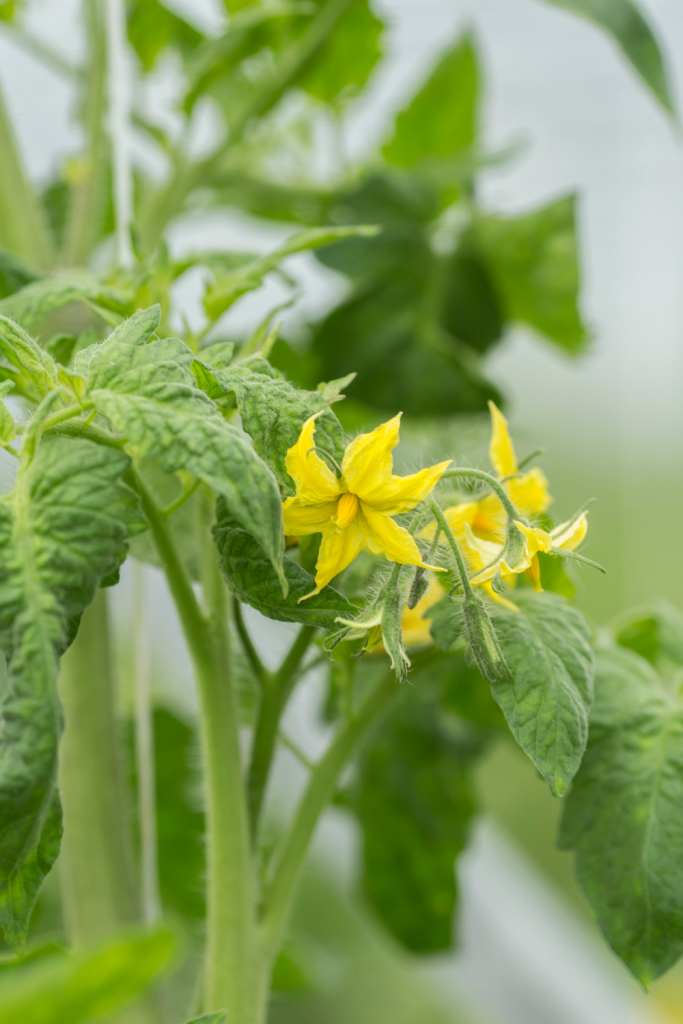
It may be tempting to give your chickens every bit of scrap to come out of your garden, but slow your roll for just a moment.
There are several things from the garden that are just terrible for chickens. Leaves from plants in the nightshade family are poisonous to chickens.
Potatoes with green skin can make your chickens sick and even kill them, and they’re not good for you either!
Many types of uncooked beans will kill your birds. Be sure to do your best to keep chickens out of the garden and avoid giving them the items on this list.
Most of the things in your kitchen are fine to feed to chickens in moderation. We’ve even written a post on 100 things you can feed your chickens including lots of goodies from the kitchen.
We do have to warn you though, the following items are ones to keep out of the coop. Some of these foods are straight up poisonous, and some your chickens will just scoff at. Either way, avoid feeding these foods to your chickens.
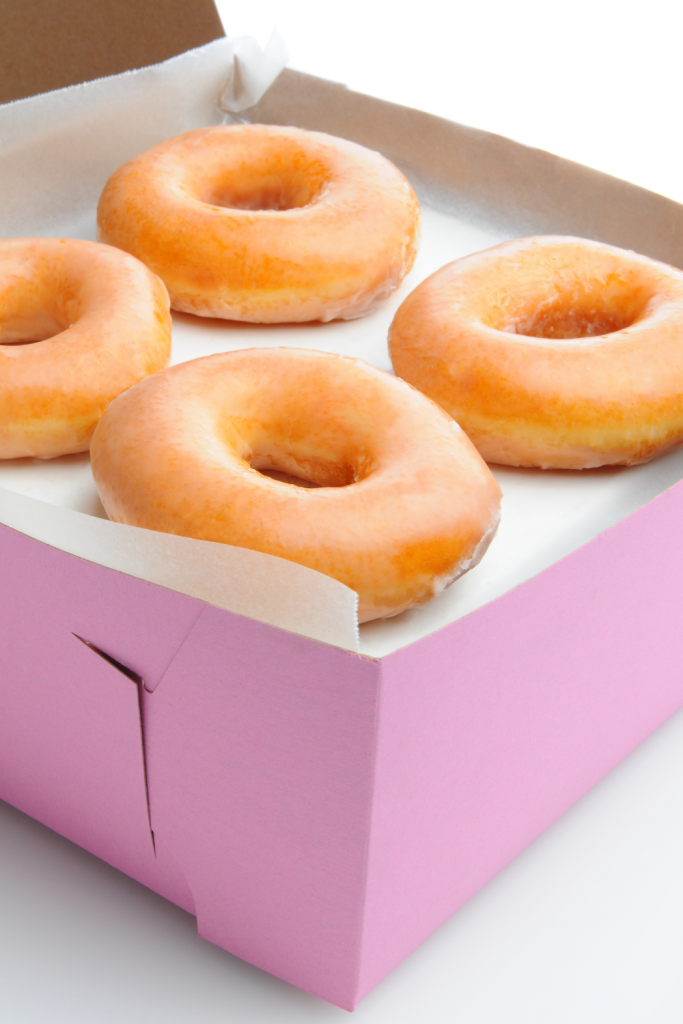
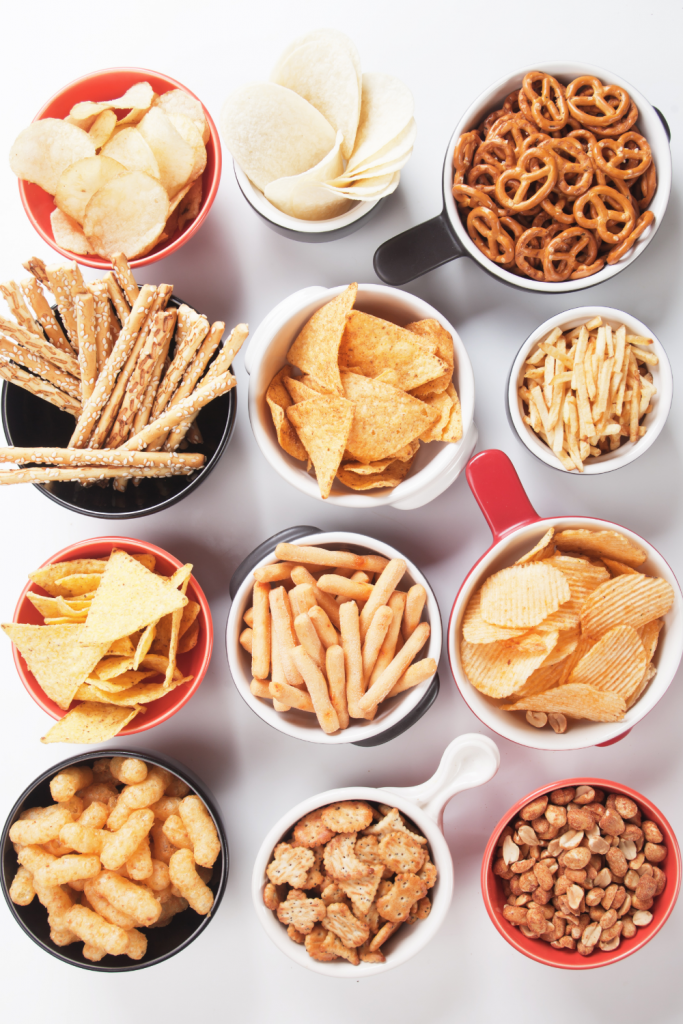
A good rule of thumb for feeding chickens from the kitchen is to ask yourself, “Is this junk food?” If the food in questions is highly processed, full of sugar, salt, or grease, it’s likely not good for your chickens.
Here’s where things get a little tricky. You likely have plenty of wild and cultivated plants growing on your property. If you free range your flock, they have the opportunity to eat those plants.
There are many wild and ornamental plants that are not safe for chickens to eat, but that doesn’t mean you have to either choose having these plants in your yard or keeping chickens.
Now, let me preface this by saying I’m not a veterinarian or expert, just someone who loves to share my love of chickens with the world.
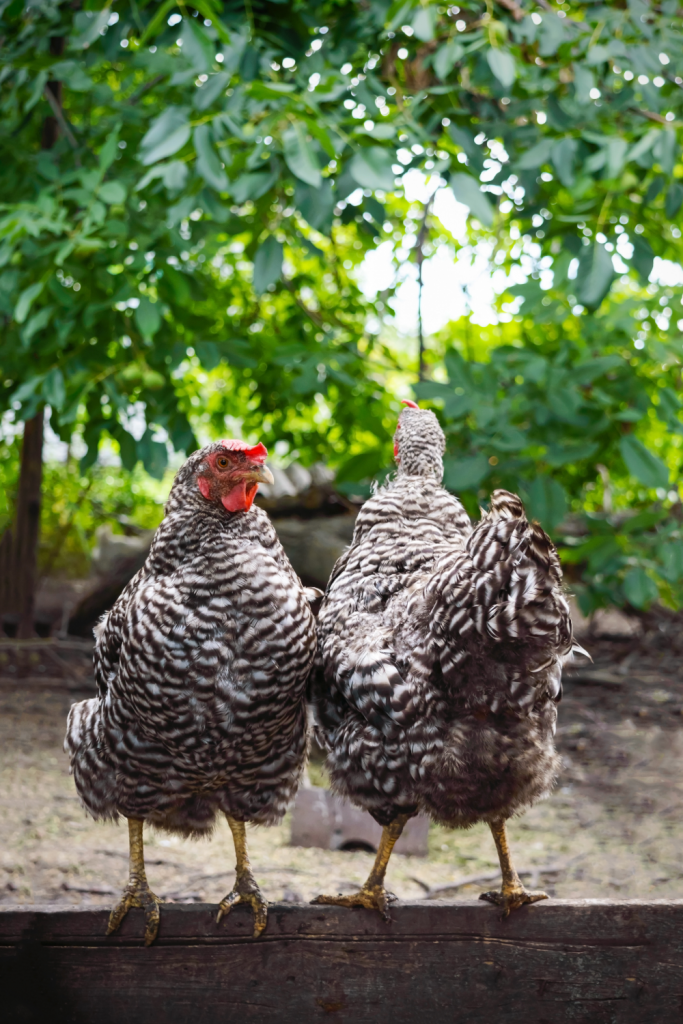
In our experience raising chickens over the years in several different locations, we’ve found that chickens tend to not eat plants that are not good for them.
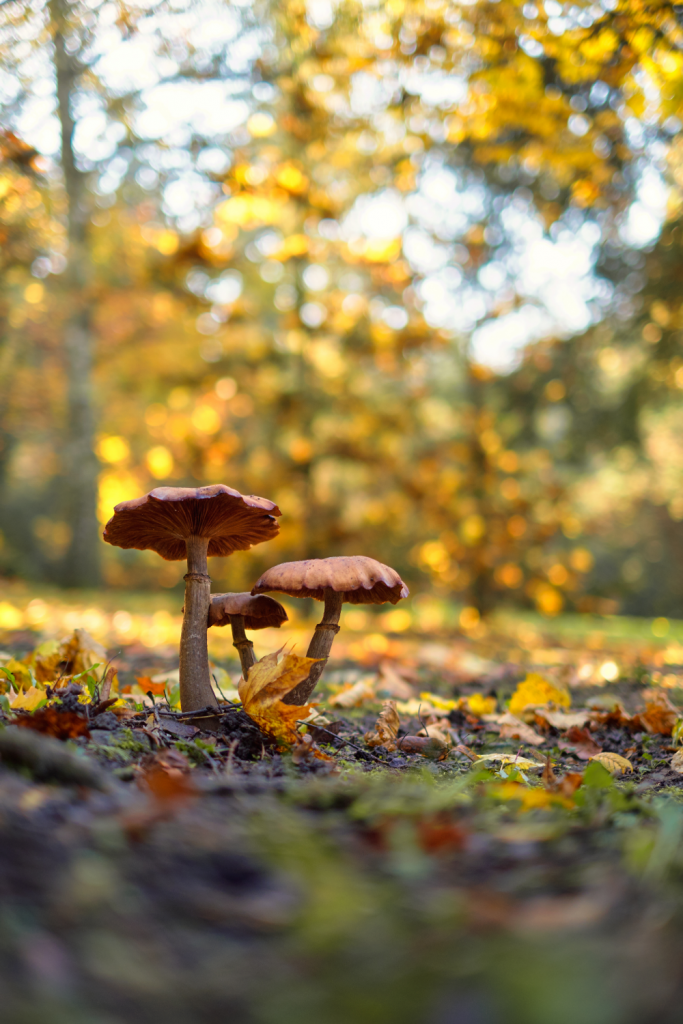
We let our chickens out to free range every week. Our property has lots of wild mushrooms, rhubarb, beans, ferns, weeds, flowers, shrubbery and trees galore.
Our chickens eat a ton of the vegetation on our property but they naturally don’t touch the things on this list, or if they do it’s a tasting nibble then never again.
If you don’t want to take the risk, or if you don’t believe your chickens will be able to discern what’s good from bad in the yard, you may have to either keep the chickens contained or consider removing or fencing off the following plants on your property.
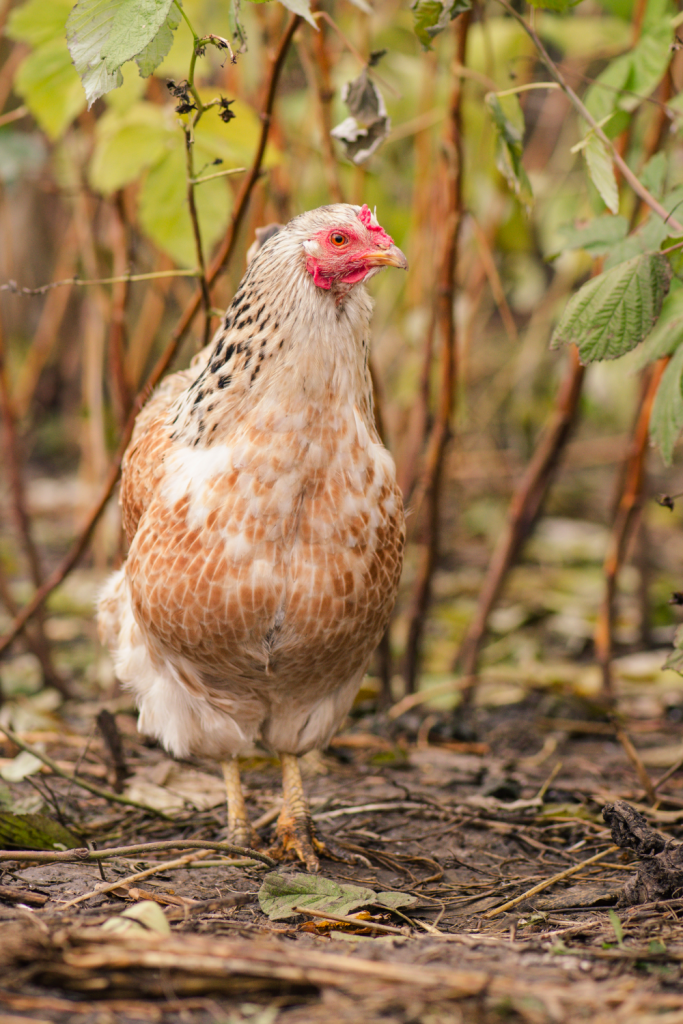
I know it can be nerve wracking to figure out what not to feed to chickens when you first start raising them. This list aims to at least give you a starting point and some general guidance.
A good rule of thumb when feeding your chickens is to think to yourself, “is this a good, healthy food for people to eat?” If it is, then it’s probably okay to feed to your chickens, of course with some exceptions.
Chickens will thrive when fed a whole food diet. They are omnivores, meaning they eat both vegetation and meat. They love eating most vegetables, most fruits, meat of all types, eggs, and some dairy in moderation.
If you follow these basic guidelines and use your best judgement when feeding your chickens and you’ll be sure to raise a happy, healthy flock.


