
Welcome to Modern Agriculture!

USDA's food safety agency is considering new approaches to reduce salmonella bacteria in poultry that could include "pre-harvest interventions" on the farm, said USDA Deputy Undersecretary Saundra Eskin on Tuesday.
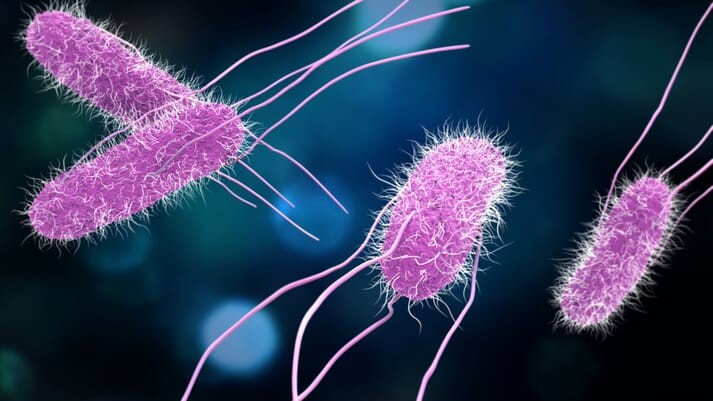
"We know that most salmonella contamination enters the facility with the birds and the more we can do to reduce contamination at the point of slaughter, the less contamination and cross-contamination we have in an establishment."
USDA is still working on expanding meat processing capacity. USDA Secretary Tom Vilsack has announced a $100 million loan guarantee effort that seeks to address supply chain bottlenecks.
While details of the effort are yet to come, Vilsack said the $100 million program is aimed at the “middle of the supply chain” and targeting entities that “aggregate, process, manufacture, wholesale or distribute food.” Vilsack also suggested the loan guarantees can help jumpstart additional investments to bolster the food supply chain. Funding for the effort came via the March Covid aid package.
Among the areas that the loan guarantee program could address are mobile units that travel in remote rural areas for processing and processing by co-ops, Vilsack said. Lenders are not always as familiar with those processing methods, he said. Vilsack said he was “not sure” the processing loan guarantees would be limited to meat and poultry, but could also help the fruit and vegetable industry, which has also talked about the importance of cold storage capacity.
USDA this week said China’s total feed grain and residual use in MY 2021/22 is forecast at 273.0 million metric tonnes (MMT), an increase of 5.5 MMT, or only 2% over MY 2020/21.
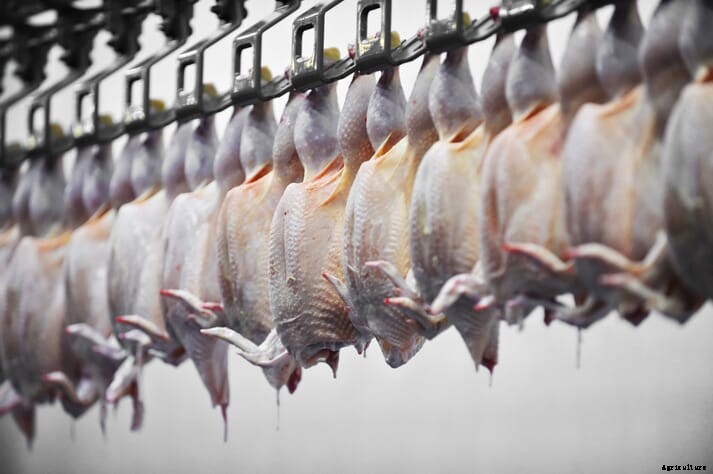
Overall feed production is projected to rise slightly during the remainder of 2021 and into 2022 as the poultry sector expands to meet growing demand and the swine herd contracts. After a decline in 2021, chicken meat production is forecast to rebound by 2% to 14.3 MMT in 2022 as large-scale white feather (“broiler”) producers utilize expanded production facilities.
According to data from China’s feed industry association, July poultry feed production declined 2.2% from last year.
Global food prices climbed 1.2% in September, according to the Food and Agriculture Organization of the United Nations’ (FAO’s) food price index.
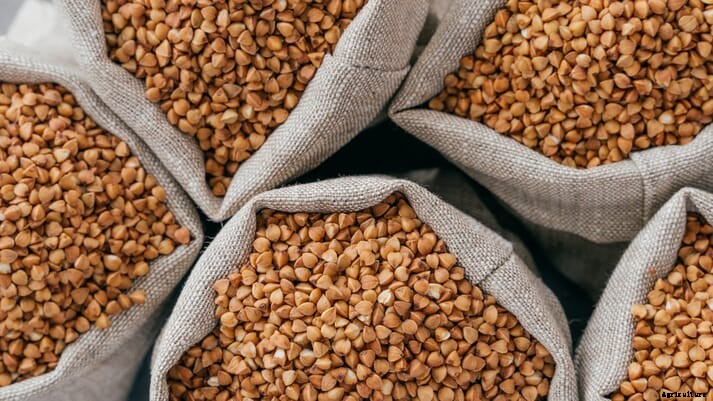
The index climbed 1.5 points from August to a reading of 130 points in September, which was up 32.1 points (32.8%) from September 2020 and a 10-year high. “The latest rise of the FFPI was largely driven by higher prices of most cereals and vegetable oils,” FAO says.
On the production front, FAO comments that while it still expects a record-setting global cereal crop of 2.8 billion MT in 2021, that would still fall short of anticipated consumption, drawing down inventories. FAO raised its global wheat crop estimate by 7.2 MMT to 776.7 MMT, which would be in line with the 2020 crop. It cited higher yield estimates for some areas of Eastern Europe like Ukraine and strong production prospects in Australia.


