
Welcome to Modern Agriculture!

According to analysis in Reuters, Minister Kloeckner is trying to wean German households – many of which are on tight budgets – off low-cost meat after a spate of coronavirus cases at a German slaughterhouse. The outbreaks have cast a spotlight on the standards and labour practices of the meat industry.
Speaking to Reuters, Kloeckner said, “Meat is too cheap. Lurid advertising with low prices for meat does not fit with appreciation and sustainability…This is no longer acceptable.”
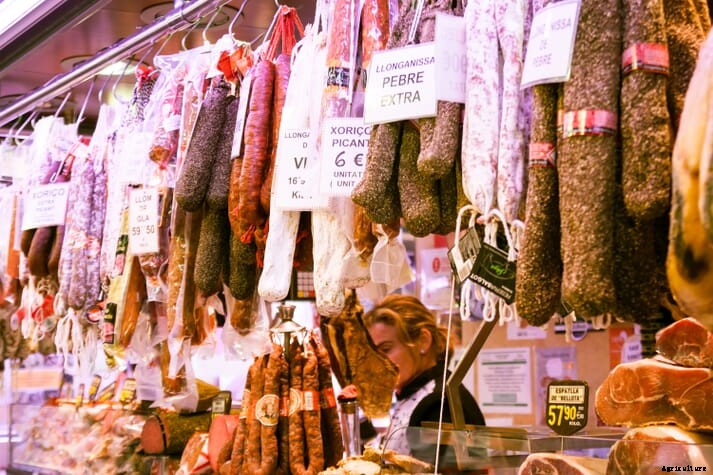
Reduced-price meat, like traditional sausages, Wurst and peppered salami, are staples for many German consumers. However, a recent COVID-19 outbreak at a meat plant in western Germany has raised questions about some of the measures taken to keep prices low.
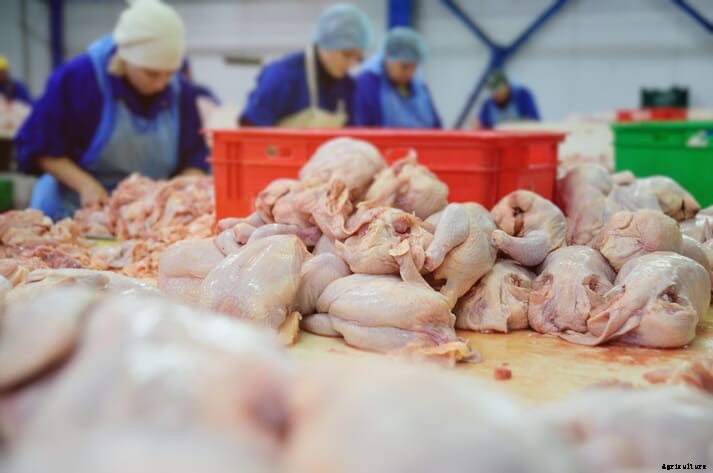
Efforts to track down people affected by the virus were hampered when some slaughterhouses were unable to give the home addresses of all their workers because they were relying on sub-contracting firms to supply them with migrant labour.
Some of the sub-contracting firms were themselves also relying on sub-contractors to get them staff.
German Labour Minister Hubertus Heil condemned the system of "sub-sub-sub-contracting" in abattoirs and is introducing a new law that compels meatpackers to employ staff directly.
Agriculture Minister Kloeckner is also planning multiple measures that will address what she calls the “serious consequences” of downward meat price pressure on animal welfare, working conditions in abattoirs and farmer incomes. She knows the move risks driving business abroad and could come with a loss of control over standards.
Her policy proposals include an animal welfare levy that will compensate farmers for the costs associated with better husbandry. The levy will also counter the risk of driving meat processing abroad. Kloeckner is also pushing for European animal welfare labelling on meat goods.
"Meat should not be a luxury commodity for the rich, but also not an everyday junk product," she said at a meeting with meat industry and retail representatives on 26 June.
The cost of living website Numbeo estimates a kilo of beef leg costs €10.64 in Germany against €16.67 in France, €14.58 in the Netherlands or €12.32 in Denmark.
German meat processing industry association VDF said the industry will accept change.
"The sector has decided to depart from the system of worker contracts in slaughtering, cutting and packing of meat as fast as possible," VDF director Heike Harstick said.
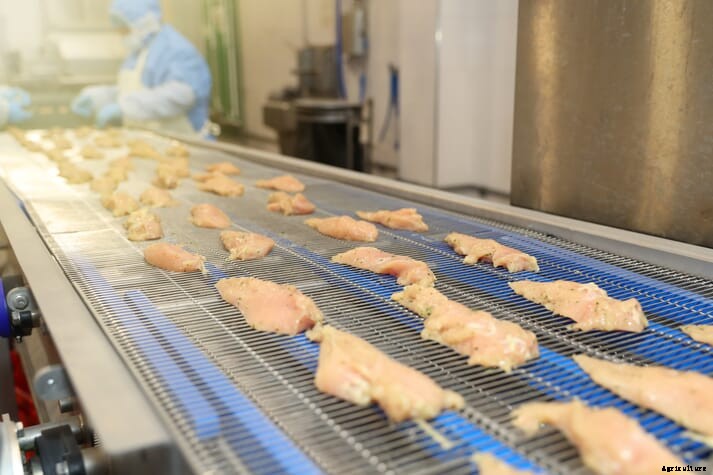
German poultry meatpackers will also end sub-contracting by early 2021, but the transfer to permanent employment will lead to rising production costs and so higher prices for poultry meat products, association ZDG said.
"We expect that food retailers and consumers show willingness to accept these costs," ZDG president Friedrich-Otto Ripke said.
The German farmers' association DBV also supported the government's move on slaughterhouses.
Taken together, Kloeckner's plans and a government move to tighten meat processing labour standards are sure to push up meat prices and lessen Germany's comparative advantage in the trade versus other west European countries, Hubertus Gay, senior agricultural policy analyst at the OECD, said.
"The question is how much less - will it only affect additional growth (in the German market) or will it lead to a reduction compared to others? There, it's too early to call," he said.
However, the impact on retail prices is expected to be moderate.
"Feed usually makes up the largest cost block in meat production while the cost of slaughtering makes up a relatively small share of the cost per kilogram of meat," said Rabobank analyst Stefan Vogel.
Read more about this story here.


