
Welcome to Modern Agriculture!

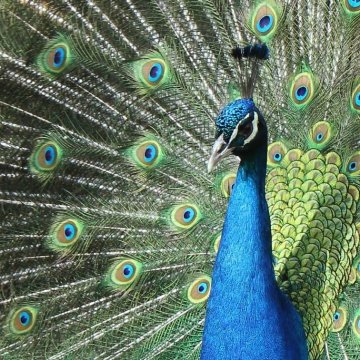
If you're looking to add beauty and variety to your flock through peacocks, game birds and ornamentals, here are a few ideas to start:
Raising peafowl may seem exotic, but can easily be a rewarding hobby. Peafowl is the generic term that covers both male peacocks and female peahens. Interestingly, peafowl are members of the pheasant family and can live to be 40-50 years old. This is much longer than the lifespan of other poultry, so be sure to keep this in mind when considering raising peafowl.
The vibrant and colorful display of plumage draws people to raising peacocks. Peafowl come in a variety of types, including India Blue, Emerald, and White peacocks. The pure white albino peacock exists, though they are very rare.
If you're raising peacocks, they need a spacious coop and run. A general rule of thumb is 80 square feet per bird wit ha pen height of at least 8 feet to fan their feathers. These birds prefer tall roosts to accommodate their tails, which can reach up to 5 feet long. Peafowl can fly high and away into trees, so trimming wing feathers is key if they are free range.
Peafowl need a high level of protein to maintain their beautiful feathers. A peacock feather is made of 90 percent protein, so it's important to provide essential amino acids with a complete feed.
From hatch to 6 weeks of age, peafowl chicks should . be fed Purina Gamebird Startena. After 6 weeks, switch to Purina Flock Raiser. If peahens are laying, provide them a layer feed for extra calcium, such as Purina Layena or Purina Game Bird Layena.
Quail, pheasants, guineas, and jungle fowl all fall into the game bird category. Coturnix quail are the most commonly raised species of backyard game birds since they don't require much space and can be very social. There are eight species and several varieties of Coturnix quail, which vary in feather color and pattern.
Coturnix qauil can be raised for both meat and egg production. These birds are excellent feed converters and will reach their mature weight of 5-6 ounces in just 6 weeks. Coturnix quail being laying beautiful speckled eggs between 7 and 8 weeks of age, and can lay 250 to 300 eggs each year.
Like other backyard birds, game bird chicks should spend their first 4-6 weeks in a brooder and then move to a coop with a run. A large area with places for the birds to find shelter and comfort can promote a happy flock community.
If raising pheasants, these birds do best when provided a flight pen with approximately 20 square feet per bird. Pheasants love gardens in their flight pens where annual grasses, evergreens and perennial plants can provide shelter and promote full feathering.
For these birds, you can follow a similar feeding program. Because they have unique nutritional requirements compared to other flock species, choose a complete feed formulated just for game birds.
For example, whether you're raising quail for meet or sport, feed Purina Gamebird Startna from 0 to 6 weeks of age. At 6 weeks, trasnition meat quail to either Purina Flock Raiser or Purina Game Bird Finisher as they are very similar in nutrient composition.
If raising for sport, feed Purina Gamebird Flight Conditioner starting at week 6 to promote growth and feathering. This feed provides them with enough energy to prepare for flight. If eggs are your goal, move females over to Purina Gamebird Layena when they begin laying around week 7 or 8.


