
Welcome to Modern Agriculture!

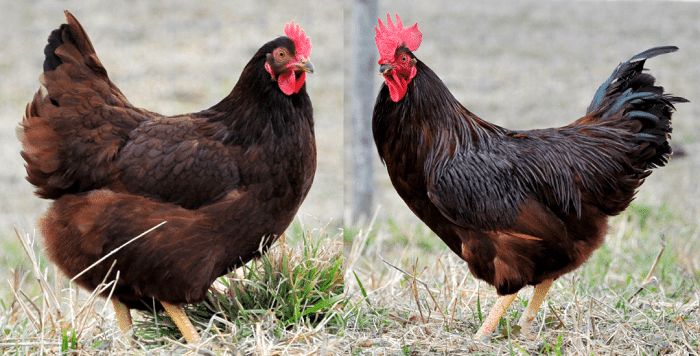
When considering a chicken breed to keep, one of the most important questions most farmers ask is “How long does a chicken live? What is a chicken lifespan?”
Although most chickens get their lives cut short, most can live longer than most people think.
If a chicken lives long, it’s an addition to the farm especially if it’s a chicken breed that lays eggs.
So, if it’s going to input in the farm productivity and finances, you can help them live healthier lives by preventing injuries, diseases and chicken predator attacks.
In this article, we have x-rayed what could short-live the lifespan of your chicken and what you can do about it.
But keep in mind that the lifespan of a chicken living in the wild is not the same as that of a backyard chicken.
Do you want to find out how long a chicken lives?
Keep reading!!!
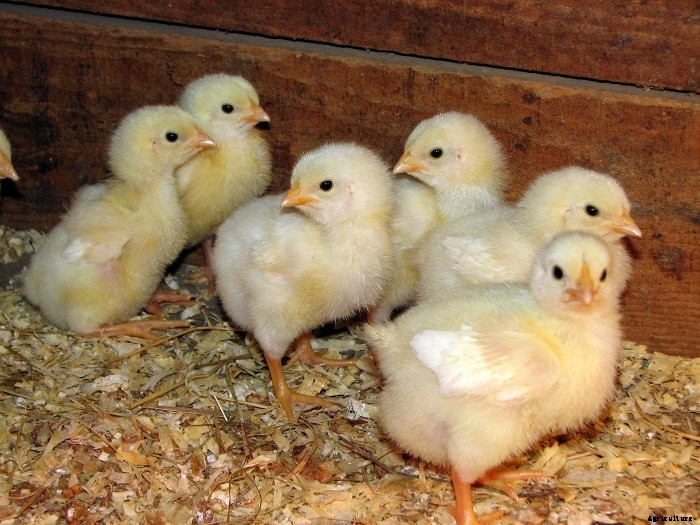
In our article How to hatch chicken eggs, we described how day-old chicks emerge from eggs from a hatchery.
After a period of time, these chicks are sold off.
Some will go on to experience a brief, misery-filled life and die as a chick due to chicken mortality.
On the other hand is about to face an abrupt, horrifying end that ends with them being slaughtered.
In most cases, a chicken can live between five and ten years.
However, certainty can be difficult to reach because of many factors.
Some factors that affect the lifespan of chickens include;
Agro 4 Africa
Because of the immense diversity and over 100 breeds of chicken, it’s difficult to say matter of factly how long chickens live.
Most chicken breeds will live longer than the others.
Some on the other hand by nature live for a short time.
Broilers for instance were selectively crossbred to l grow much faster than they ordinarily should.
Since their body is subjected to growing more muscles than nature intended, they are prone to skeletal and other health problems.
And that means that they die sooner than should even if they were not slaughtered.
Broilers die at six weeks of age.
On the other hand, layers are bred for eggs and thus tendency can lead to horrific painful conditions.
Layers are prone to calcium depletion, drooping organs known as prolapses, broken bones, and ovarian cancer.
This makes them susceptible to death even without being slaughtered.
The roosters live longer than hens.
But if man intervenes, most male chicks don’t make it to 3 weeks because they are not that important to the poultry industry.
Most large scale farmers will gas the male chicks to death or simply send them to the macerating machine where they are ground alive.
Generally, wild chicken breeds enjoy life spans longer than backyard chickens.
Even though backyard chickens are cared for optimally by their owners, the wild chickens still live longer than them.
Does that mean you should let your chickens go wild?
Well, not literally.
Now, humans are the culprit of this factor that affects the lifespan of chickens.
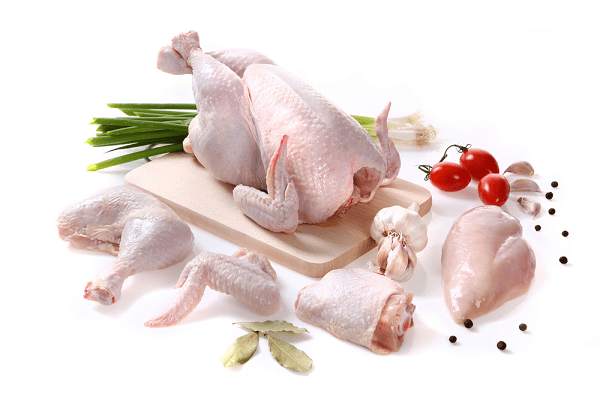
A chicken that does not die from chicken predator attacks, diseases or macerating machines ends up in the slaughterhouse.
In the long run, all the care and protection from what could kill a bird extends their lives only for them to be slaughtered by the very hands that fed them.
Housing is an important determinant of the lifespan of a bird.
For chickens that live in battery cages, they do not have the liberty to stretch, fly and explore their potential of being birds.
This can tame them and cause lots of diseases which will eventually reduce their lifespan.
That’s why wild and free-range birds live longer than domesticated and caged birds.
Chickens suffer from diseases such as cancer, Mycoplasma gallisepticum, Blackhead and Marek’s disease.
These diseases subject the birds to serious health risks and contribute towards shorter lifespans.
But how do chickens get diseased?
Factory farms are densely packed and stuffy.
And when a bird gets infected, all birds get infected.
Also, dirty and unkept poultry serve as an ideal breeding ground for viruses and bacteria.
There are no two ways to do it.
Garbage in, garbage out!!!
Food is essential to sustain life.
Also, e kind of food you feed your flock will directly impact their lifespan.
From chick to old Matilda age, appropriate nutrition plays a role in increasing the lifespan of poultry.
Check our article on what to feed your chickens.
Also, consider feeding your flock with fermented feed.
Most farmers feed their poultry with fodder and organic feeds.
Find out how best to feed your flock.
Basically, a chicken will live longer if any of the above factors did not interfere.
So, how long does a chicken live?
Find out below!!!
“So there are wild chickens?” you say
Of course, there are over a thousand species of chickens in the world.
You only get to see the most popular breed in your area such as the Rhode Island Red, Cochin Chicken, Australorps etc
Wild chickens tend to have an average lifespan between three and seven years, and sometimes longer.
Although they are more at risk to predators and harsh weather, they have been fashioned by nature to survive.
If you’re keeping small flocks of chickens for meat or eggs in your backyard, that means your chickens are backyard chickens.
Due to the care and protection, the backyard farmer offers to her chickens, this can extend the lifespan of chickens.
Some backyard chickens live for up to a decade or more.
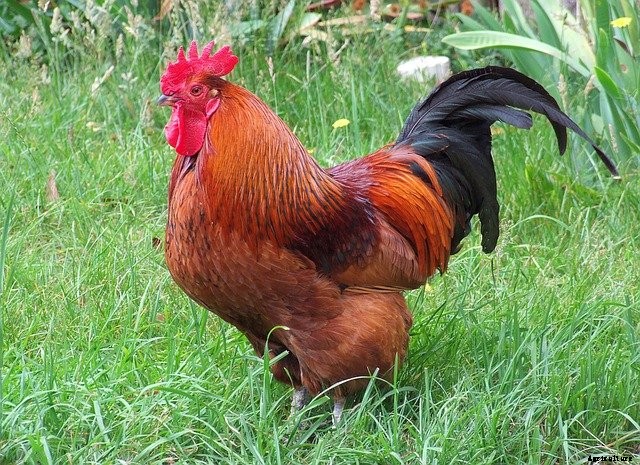
Just to give you a clue from the hundreds of chicken breeds, here are the lifespan of some birds;
Some chickens are not cut out to live long.
However, if you want to help your chickens live longer, here’s what to do;
Chickens who are not raised as pets are raised for eggs or slaughter.
So, what they are used for can affect their lifespan.
Layer hens that lay large quantities of eggs live for about 18 to 24 months old before slaughter.
On the other hand, Broilers or other chickens raised for meat live 47 days old before slaughter.
The number one cause of chicken death is humans.
Normally, chickens will live their lives scratching the ground, sourcing for food, and flying from predators.
But since we want chicken stew, chicken breast and all tasty egg meals, humans keep and slaughter them.
Besides that, there are other things that impact the life expectancy of chickens:
First, what are heritage and hybrid birds?
Basically, heritage birds are birds raised and bred naturally with their own kind.
Whereas hybrid birds are crossbreeds whose genetics have been altered by crossing heritage birds with another.
This alteration can affect the life expectancy of chickens.
Heritage birds live up to 8 years whereas hybrids don’t make it that far.
Hybrid birds live just 18-24 months of age.
Therefore, heritage birds live longer than hybrid birds.
First, keep in mind that the chicken that holds the world’s longest lifespan is not a backyard or factory chicken.
The world record for the longest chicken lifespan was held by an Old English Game breed called Matilda.
Matilda lived for 16 years as a companion.
Records have it that she never laid any eggs, which might be the reason for the long years.
The chickens that have the shortest lifespan include;
The chicken breeds that have the longest lifespan include!
Generally, you should expect heritage breeds to live longer than hybrid birds.
However, how long a chicken lives will largely depend on how you care for them.
Have you ever had a chicken live longer than two years?
Share with us in the comment section!!!


