
Welcome to Modern Agriculture!

By Cappy Tosetti
Every minute counts when emergencies occur. It’s best to be prepared and aware of what could happen on any given day, and to be ready to handle urgent situations quickly, calmly, and with confidence. This is a primary concern when raising backyard chickens, turkeys, ducks, geese, and other birds. Veterinarians with avian experience and knowledge are not always available, so it makes sense to be cognizant of health and safety concerns, and how to treat injuries and wounds. It’s also important to have an understanding of the different illnesses, diseases, and parasites that can affect one’s flock.
A well-stocked first-aid kit is a good start. It doesn’t mean going out and purchasing the likes of the corner pharmacy; many items can easily be found in the medicine cabinet and kitchen cupboard. Supplies can be added over time.
A quarantine area away from the flock is also a smart move, making sure it’s safe from predators and sheltered from the weather. This can be a collapsible wire dog kennel, rabbit cage, or a homemade wooden box. All food and supplies should be kept separately — stored in covered containers. The “sick bay” doesn’t have to be set up at all times, but should be easily accessible in case of an emergency.
Keeping track of the health and safety of one’s animals makes life easier, whether it’s a laptop computer or a simple three-ring binder. It’s a place to scan or file paperwork on poultry purchases, receipts for supplies and medications, and notes on any injuries or illnesses. It’s an essential tool for reviewing past incidents and being prepared for the future.
A filing system is also a handy place to store pertinent information from national and regional poultry associations, local extension offices, magazines, online tips, and useful suggestions from others. Books on the subject are also valuable. Everyone has their favorite title, but an excellent ebook worth downloading is Backyard Poultry Health Guide: Diagnosis and Treatment by Nicole Gennetta.
Nicole owns Heritage Acres Market, a two-acre hobby farm in Pueblo West, Colorado. She’s a retired paramedic and firefighter who currently teaches CPR and community college classes when not tending to her bees, goats, poultry and market shop. She was inspired to write the book because of an interest in medicine, chickens, and helping others.
“I wanted something that was concise and easy to understand,” Nicole explains. “Being prepared is a major step in raising poultry, so including a detailed list of first aid tools, supplies, and medications was important — much like having a recipe to bake a cake. It’s followed by a comprehensive health guide that covers just about everything one might encounter, with research-based treatments and dosages — pulling information from poultry veterinary manuals and research papers. We’re in this together, sharing knowledge and experiences with our birds.”
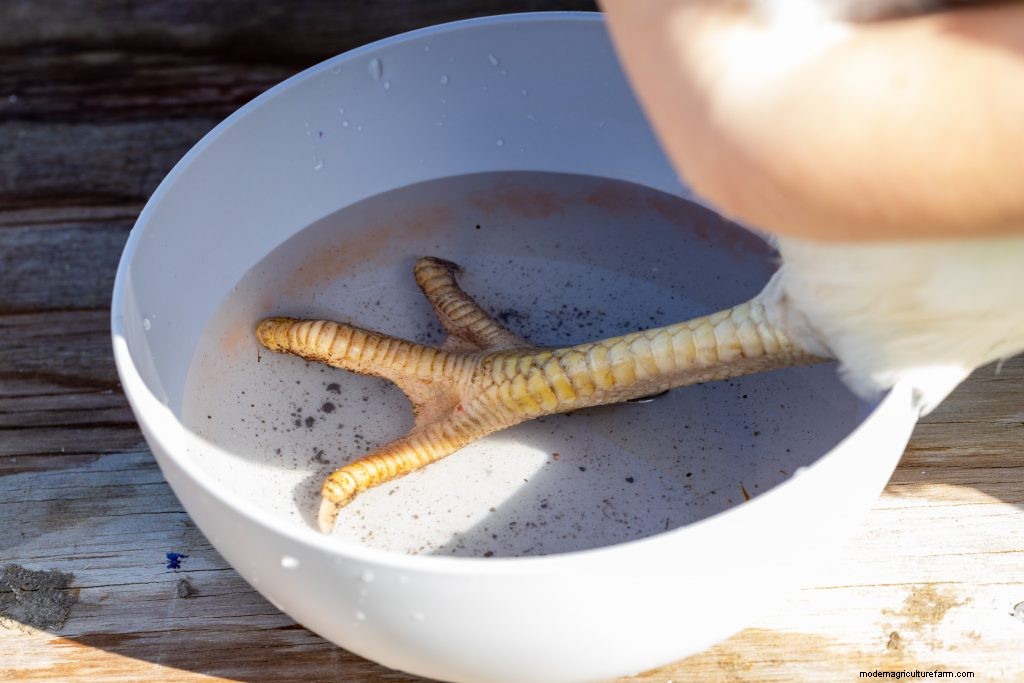
Thanks to modern technology, online videos are available that demonstrate a variety of ways to care and treat birds. It’s great for learning and connecting with others like Morgan and Allison Gold at Gold Shaw Farm in Peacham, Vermont where they raise ducks. Their video on treating bumblefoot is most helpful, especially the step-by-step process of performing surgery on one of their hens. It’s very informative, and Morgan’s sense of humor helps ease any trepidation about attempting such a feat.
It’s wise to research and compare notes on how other poultry keepers stock their shelves with emergency supplies. Some might have a central first aid kit for all barnyard animals, while others choose one specifically for poultry. Here’s a list of suggested items.
At first glance, this shopping list might seem overwhelming and costly. Don’t panic! It’s merely a guide to encourage the practice of having something available for emergencies that fits one’s needs and budget. Being prepared is key in maintaining a healthy and happy environment for backyard birds. It simply starts by saying yes!
Heritage Acres Market: contact@heritageacresmarket.com www.heritageacresmarket.com
Gold Shaw Farm: www.goldshawfarm.com (860) 595-6829
Originally published in the Backyard Poultry Special Subscriber 2020 issue — Comb to Tail Health — and regularly vetted for accuracy.

