
Welcome to Modern Agriculture!

For happy hens, try these seven simple tips for keeping chickens healthy in winter and helping them thrive all season. Come spring, you’ll have a flock that’s fully coiffed and back on track.
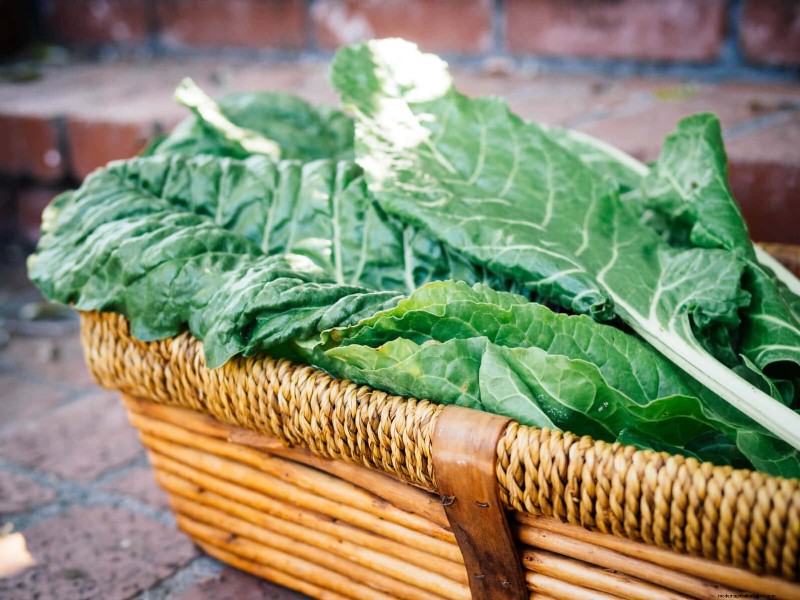
Fresh greens in the garden are usually hard to come by in the winter, so you should supplement your chickens’ diet with store-bought salads. (Or strike a deal with your favorite farmers’ market merchant to buy all their leftover greens.)
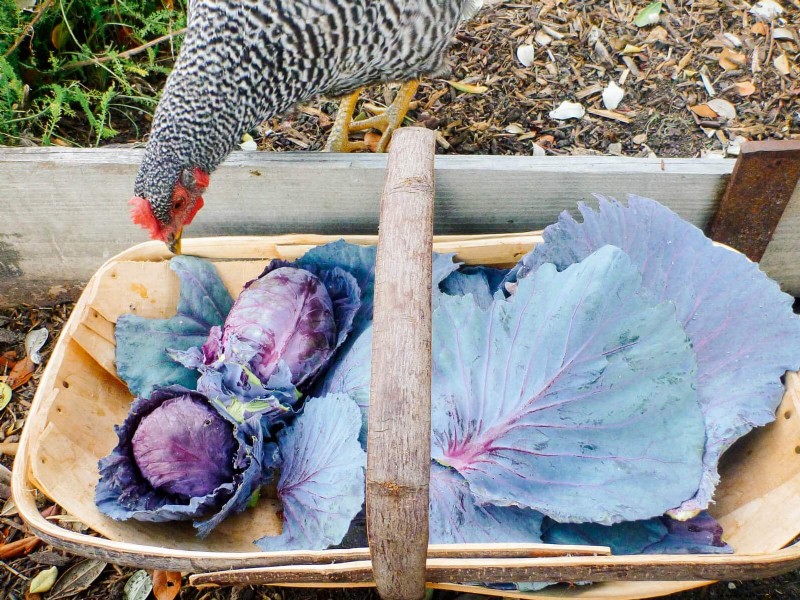
Choose nutritionally dense, dark greens like kale, collards, chard, and spinach. Try to stay away from the cheap stuff like iceberg lettuce, which is basically just green-tinged water.
Greens (including those lowly weeds) are an important source of vitamins and minerals for chickens, just as they are for humans.
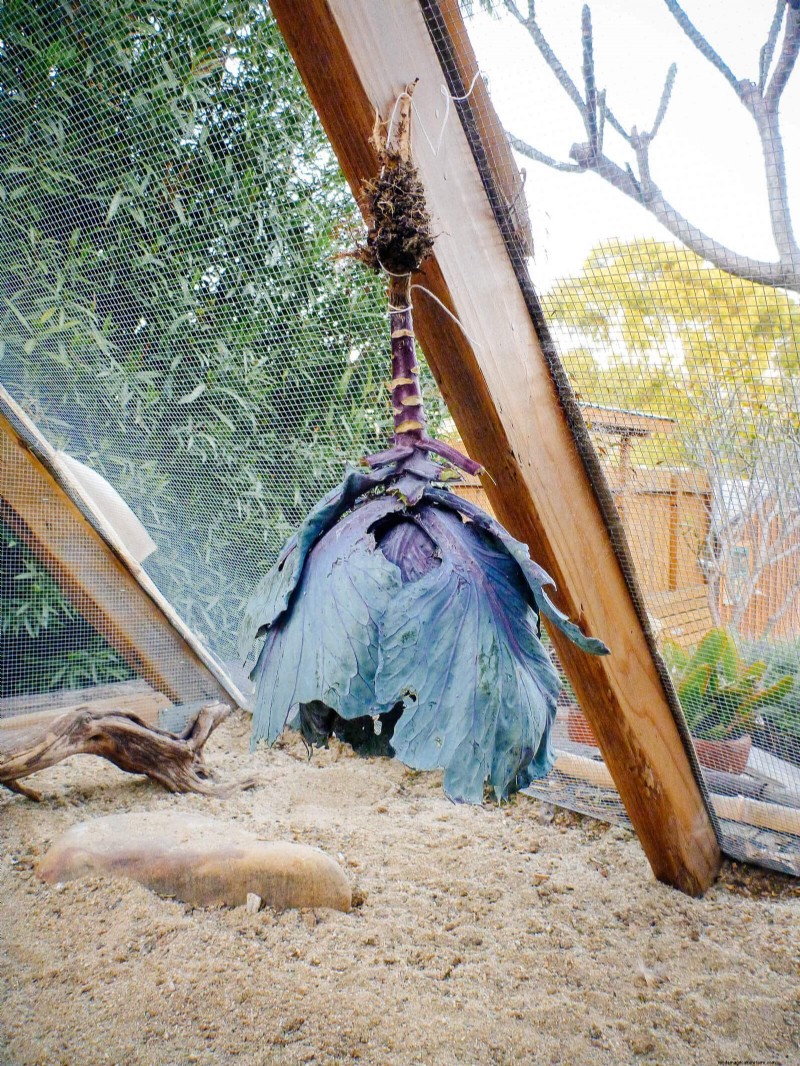
Turn feeding time into a little game for chickens who might be cooped up and restless when it’s grim outside.
I like to hang a head of cabbage inside the run and let the ladies bop it around like a tether ball. By the end of the day, all I’m left with is a half-eaten stalk and a piece of string.
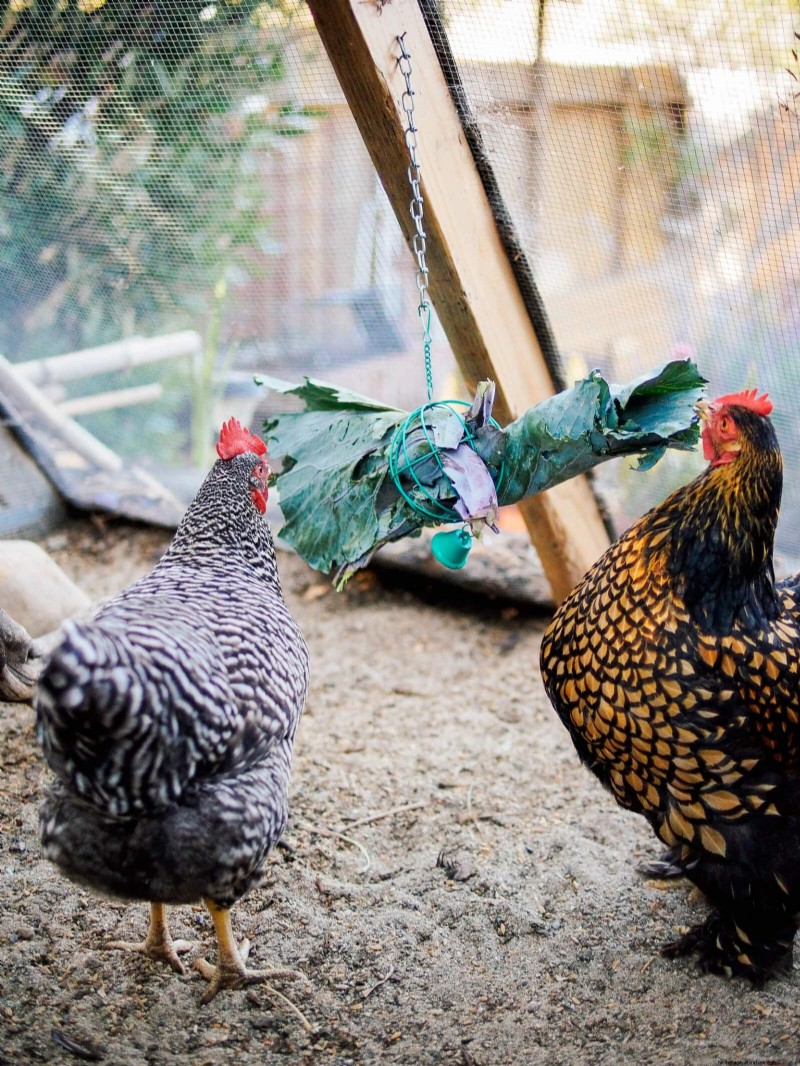
You can also stuff greens into a large suet cage or hanging treat ball and make them work for their food. Keeping them busy and curious is key to preventing bored behavior like egg-eating and feather-pecking.
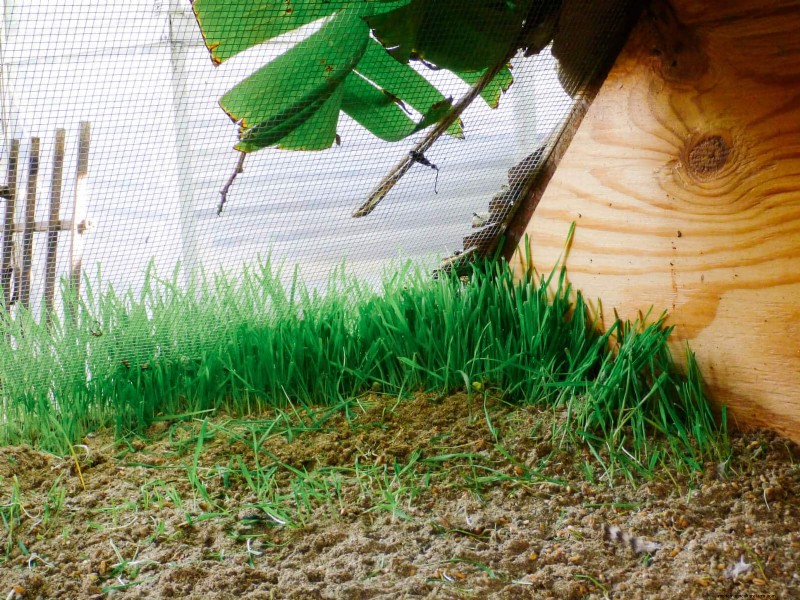
I discovered this little trick by accident one day!
Many people sprout grains for their chickens to take advantage of all the vitamins and minerals made available. But if you feed your flock a homemade whole grain chicken feed, there are likely quite a few grains flung about in their run which they never get around to eating.
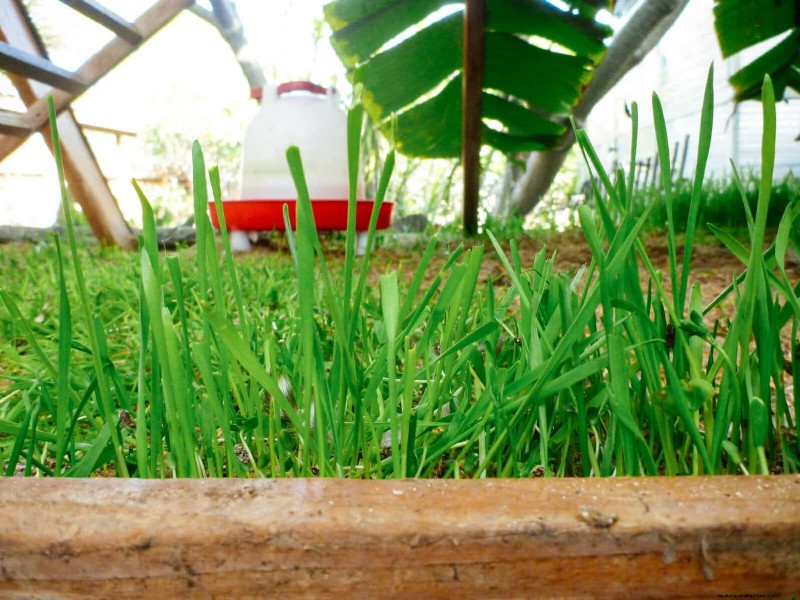
Instead of cleaning up the mess, let Mother Nature do the work: A few days after a rain, all those grains and seeds will sprout themselves — and voilà, instant pasture!
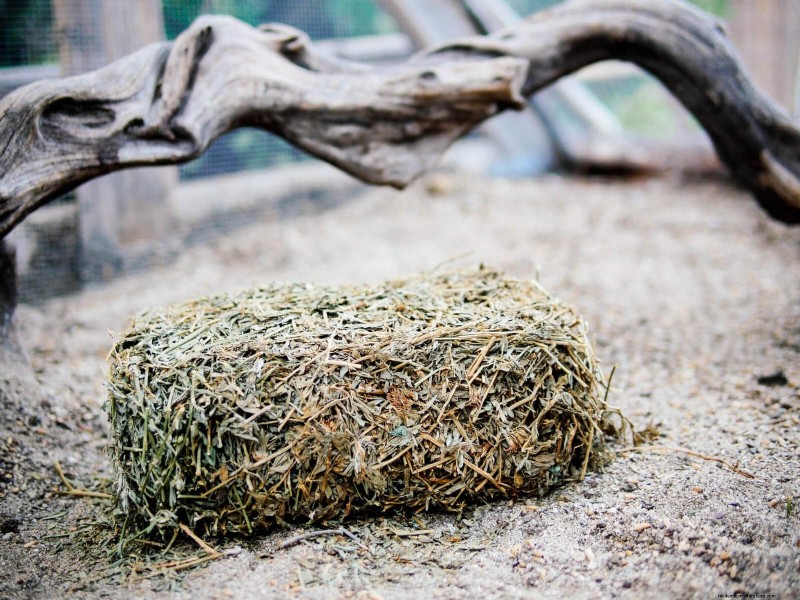
If your chickens don’t have access to pasture, up their protein intake by buying a bale of alfalfa for them to scratch.
Alfalfa can be found at your local feed store with the straw and hay bales. Mini alfalfa hay bales and loose alfalfa hay (made for rabbits and other small pets) are available too, if you want to throw a few handfuls inside a small run.
Your chickens will be busy pecking at the alfalfa all winter long, while also getting an excellent fill of protein and fiber.
If you can’t find a mini bale like this and you can’t haul an entire bale home, you can reap the same benefits by adding alfalfa pellets (usually sold as rabbit food) to their regular feed.
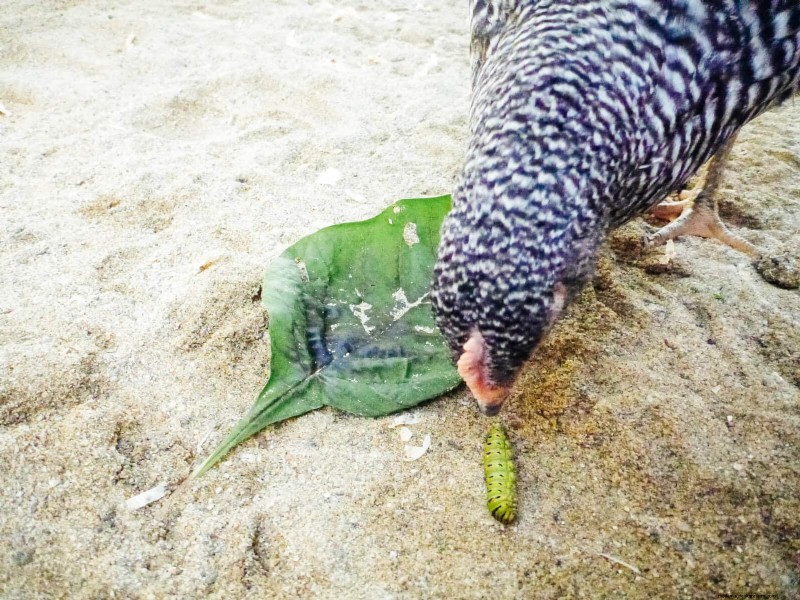
Release your chickens right after a rain, as all the moisture in the ground brings out a buffet of protein-filled worms, grubs, and other delectable bugs that they love to scratch, peck, and devour.
If your winter has been dry or your chickens don’t get many opportunities to graze on pasture, toss them a small handful of dried mealworms or dried soldier fly larvae (grubs) once a day for their protein fix.
(Quick tip: Look for dried mealworms that are marketed for wild bird feeders, which often come in economical bags by the pound. The ones marketed toward chicken-keepers are usually twice the price in much smaller quantities.)
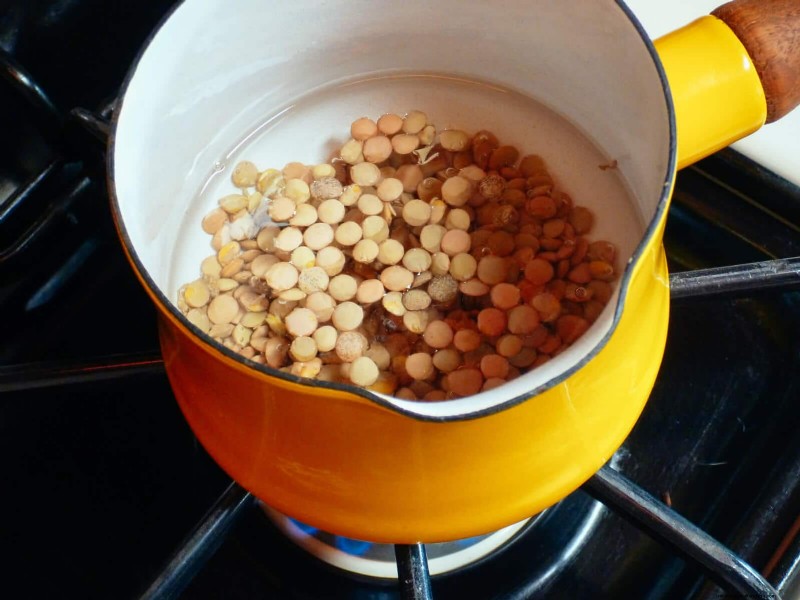
I do this often in winter, mainly because my picky chickens sometimes won’t eat dried legumes… but give them a steaming hot bowl of cooked lentils or split peas on a cold dreary day, and they’re all over it!
Legumes offer some of the highest sources of protein (up to 35 percent for lentils) and they’re inexpensive. (Use my chicken feed calculator to research protein levels for some common grains, seeds, and legumes.)
You can also cook up the more expensive — but very protein-rich — grains like kamut and quinoa, and serve them as a special treat.
If I’m feeling generous, I’ll even share my nine-grain oatmeal with the girls: a feast of triticale, rye, wheat, oats, barley, flax, and spelt. (I buy it in bulk from Azure Standard, which is my favorite place to stock up on my chickens’ grains and seeds so I never run out in winter. They’re an online natural foods co-op that carries many ingredients I can’t find locally.)
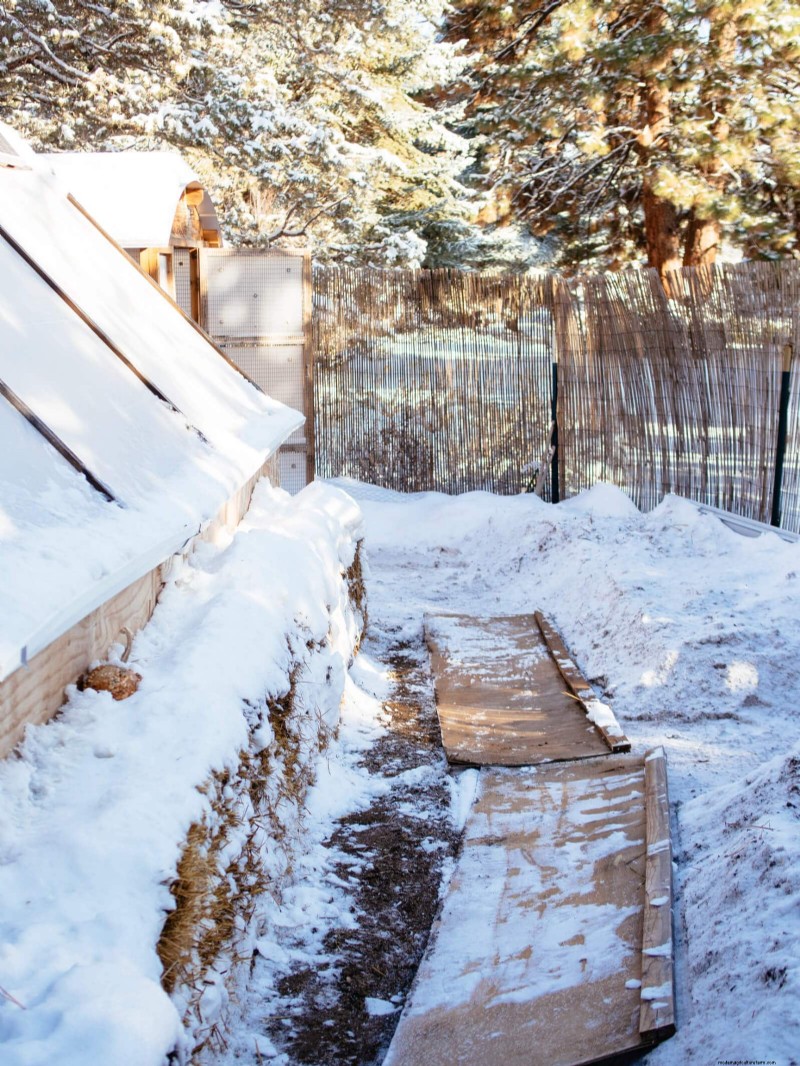
Are your chickens anything like mine? These ladies hate walking in the snow.
If they wake up to several inches of snow on the ground, they huddle together in the coop and refuse to come out, even when I try to tempt them with a steaming hot bowl of oatmeal sprinkled with mealworms.
Unfortunately, they have to get out and do what chickens do — peck, scratch, and dust bathe — because extended periods of inactivity and boredom could lead to bad behavior among the flock.
After a decent storm, we try to clear a path through the yard as soon as we can so the chickens aren’t confined to their coop. We also spread wooden planks and branches throughout the yard for them to perch on and get out of the snow.
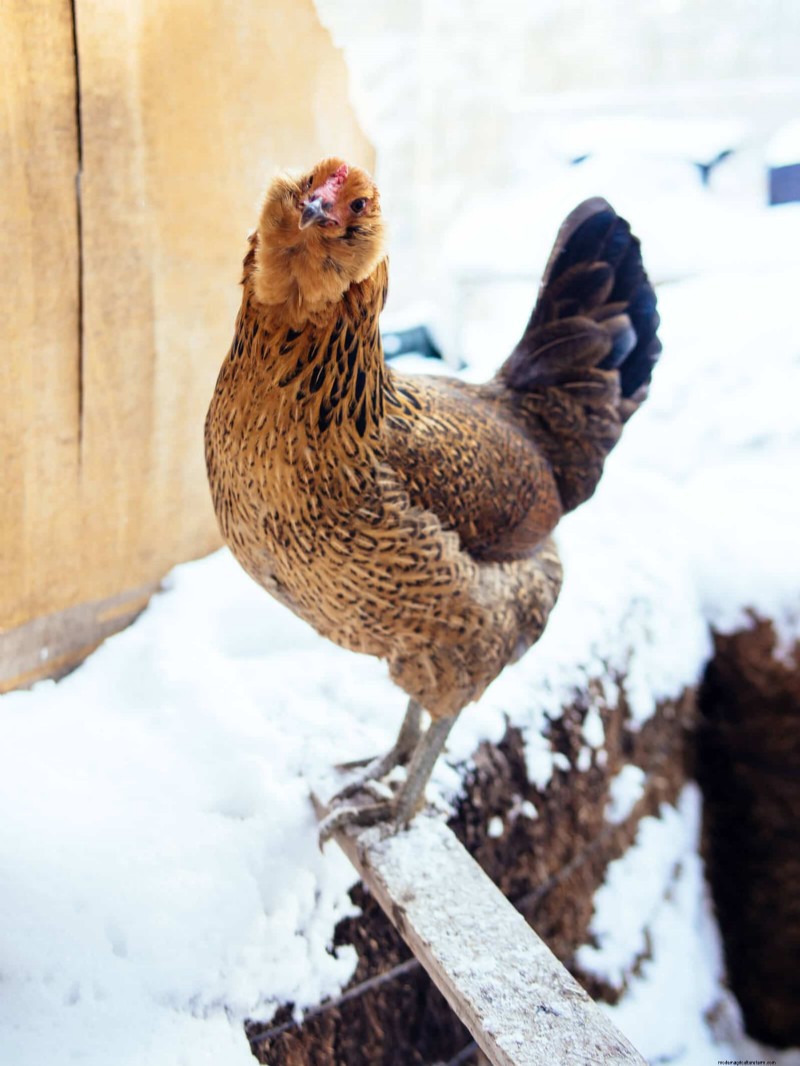
This lets them get a little exercise and raises morale until they can see the ground again. Another easy DIY is to fill a washtub with some sand or dirt, and place it in a sheltered area so your chickens have a place to dust bathe out of the rain.
Although winter is coming, these tried-and-true tips will keep your chickens healthy and happy for the rest of the season!

