Welcome to Modern Agriculture!


Chicken Whisperer guide to zero waste
However, can chickens eat oranges? Surprisingly, your chickens can happily enjoy a few pieces of oranges. Regardless of being one of the citrus fruits, oranges can be an excellent option for your backyard chickens.
Often times, I get asked what chickens can eat and what they cannot. My answer is usually simple and clear; what humans can eat, chickens can also eat. There are very few exceptions here and there regarding the food chickens should eat at the moment that is not important.
Chickens are a special kind of animal you will ever come across. As domesticated animals, these birds are easy to raise and are extremely friendly if they get used to you. Most importantly, they will provide food in the form of meat and eggs. These two types of food are rich in essential nutrients that we need to grow and stay healthy.
When it comes to their maintenance, chickens are less demanding in terms of food, shelter, and security. With food, these birds can eat almost anything they can see in front of them. That brings us to the issue of different treats that chickens like. Out of many supplemental foods out there, oranges stand out from the rest.
You will be surprised by how misleading some myths about feeding oranges to poultry are. If you are less knowledgeable about what your flock needs to eat, you will get confused along the line. That is because you will frequently see online advice telling you not to give your chickens citrus fruits.
While some citrus fruits are indeed not suitable for your chickens, oranges are a tasty treat for them. This citrus fruit boasts fantastic health benefits for you and your chickens, including their eggs and meat. Regardless, you need to feed your chickens oranges in moderation, just like other treats.
You should be careful about the number of oranges your chickens can eat at any given time. Also, you must consider the quality or state of oranges that you want to give your chickens. Now this means you should be on the lookout for rotten or spoiled oranges.
Should you come across such fruits, just throw away rather than feeding your lovely birds. Keep in mind that what you can eat, your chickens can eat as well eat and vice versa.
Again, chickens love a bit of variety in their diet. So, feeding them oranges will most likely excite them and motivate them to eat their food even more.
In this regard, don’t be surprised to see your birds scrambling or fighting over pieces of oranges. They will do so as long as this treat looks and tastes different from their usual commercial feed.
Now let us talk about all the components making up an orange fruit; it is true that chickens need this fruit to stay healthy. By the way, citric acid in oranges is just right for their diet. In addition to that, there are plenty of essential nutrients with numerous health benefits.

Fruit and Veggie Basket
At this point and time, you need to know that oranges are safe for your birds to eat. Forget about the allegations put out there by some clueless people. Such individuals are only trying to make this citrus fruit unsuitable for chickens to enjoy.
Just like other treats, make sure that you feed your chickens oranges in small quantities. It is essential, especially when you are introducing this treat to your flock for the first time.
Don’t be discouraged by seeing a handful of your chickens ignoring pieces of oranges that you had tossed to them.
As usual, chickens will ignore new foods that they have never tasted. The same case applies to oranges, and such incidents should not take you by surprise. With time, they will like this citrus food and even fight over it.
No matter how much they will like oranges, feed them sparingly and in small amounts. Better still, don’t use oranges as their main diet. Instead, incorporate a few pieces of this fruit to the main dish from time to time.
However, a few chicken breeds may become sensitive to oranges due to the presence of citric acid and vitamin C. This combination can cause preening or excessive feather plucking among your chickens.
Apart from that, there is an allegation that citric acid in oranges can interfere with calcium absorption. This interference might affect your layers the most, and you could see it in eggs.
Lack of calcium can lead to a drop in the production of eggs. Worse still, it could result in poor quality eggs with thinner shells. Despite all these allegations, oranges are always a wonderful treat for chickens.
Most chickens love oranges and will get excited at the sight of this citrus fruit. If you have orange trees in your backyard or compound, your chickens will mostly peck at them. For that reason, don’t be astonished when you find your hens running around with oranges from your orchard.
Most of them will rush to have a taste of the fleshy part of the orange rather than the skin. The flesh is always tasty, juicy, and full of nutrients. If your birds start eating oranges, they will still do so whenever they get the opportunity. While this is good news to you, make sure that you feed them this treat sparingly. Giving them too many oranges is not a good idea as such.
Orange peels are nutritious. Although they are not so tasty compared to the fleshy part as such, your chickens will like them in the same way they adore the fleshy part of this fruit.
Several studies show that this part of orange has excellent benefits to the chickens as well. Some of the well-documented benefits include combating foodborne illness and so on.
Several animals may shed salmonella or other dangerous organisms in their fecal matter. To control this harmful bacteria, you need to feed them citrus pulp or orange peels. The peels can destroy harmful bacteria found in their gut.
Orange peels have oils that are capable of killing pests, bacteria, and viruses. These oils have cleansing properties that play a significant role in controlling pathogens. It leads to fewer cases of food contamination and illness among chickens and humans alike.
The only major downside of orange peels is that they are tough for your chickens to eat. But you may cut them into smaller pieces to enable your chickens to eat them. Otherwise, you may just allow them to peck at these peels to reduce their boredom.
Oranges contain vitamin C or citric acid and other vital elements that your chickens need to stay healthy. Besides vitamin C, oranges also consist of vitamin A, vitamin B, potassium, calcium, and fiber. The orange is full of great nutrients, but your chickens might miss out on fibers. Therefore, it is wise to feed the whole fruit.
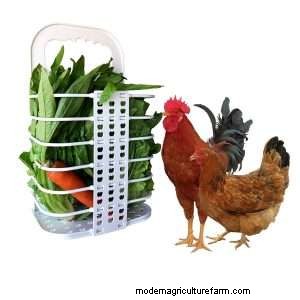
Fruit Veggie Hanging Feeder Toy for Hens
Since your chickens would want to eat oranges, they might find the peel to be a real challenge. Remember, they don’t have teeth so they cannot bite, tear, or chew their food. It begs the question of how to feed your birds oranges.
Having known that your chickens don’t have teeth, you can simply help them eat oranges in small bites. This means that you should cut the oranges in small pieces before allowing them to eat.
Likewise, you can chop the peels and give your chickens to bite. When they are in small pieces, chickens will peck at them or swallow without any problem. This is one way of making sure that your birds can eat oranges along with their usual commercial feed.
Another easy way is by letting them eat oranges and peels the whole day to keep them busy. In this case, you will have to toss large pieces of oranges and peels to the coop or run.
With the presence of oranges and peels in their living space, chickens will be excited and curious to peck at them. This will keep them busy throughout while trying to find the easy way of consuming this treat.
Take note that before you give oranges and their peels to your chickens, you should wash them thoroughly. This is because they could be having pesticide residues that can harm your flock.
What will you do if your chickens refuse to eat oranges when you give them for the first time? You can simply provide them with some time to see if they will taste and like oranges. If not, you can mix a few pieces of oranges with their main dish. This trick will work, and within no time, they will start craving for this citrus food.
Why do most people feel that oranges are bad for chickens? Since oranges contain citric acid, some people think that you shouldn’t feed them to your chickens. Little do they know that the acid in oranges plays a vital role in promoting digestion among chickens. Therefore, it is not right to assume that citric acid is harmful to your chickens when, in reality, it’s beneficial.
Oranges are part of citrus fruits belonging to the same family as lemons, lime, and tangerine. Despite the myth and mystery surrounding them, your chickens will find these fruits delicious. For that reason, make sure that you feed them this tasty treat in small quantities and occasionally to maintain their health.
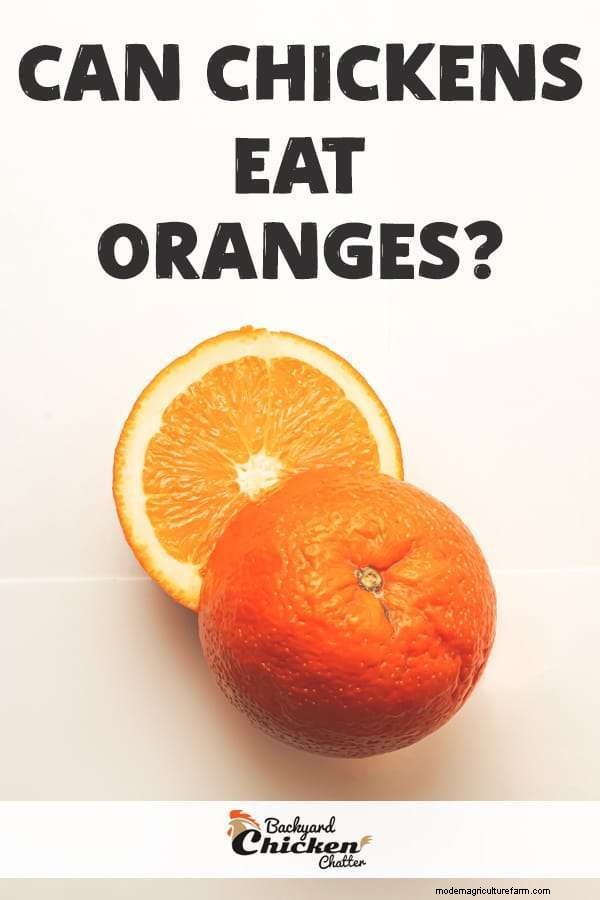
Below is a Pinterest friendly photo…. so you can pin it to your Chicken Board!!