With the increasing popularity of aromatherapy, essential oils have become standard for human self-care. But essential oils for chickens?
After four of her young broiler chickens die of a mysterious illness, a Virginia woman adds diluted oregano essential oil to her brood’s water and the deaths stop.
Another treats a chicken wounded in a fox attack with an ointment made from frankincense and lavender essential oils and coconut oil to prevent secondary infection.
There’s Solid Science Behind It
Believe it or not, there’s actually solid scientific research supporting the approach.
Of course, we know many plants contain chemicals that protect them from insects and bacteria – in other words, natural antibiotics.
Once extracted, some of those chemicals are distilled into essential oils. And when carefully added in diluted form to feed and water or applied topically, there’s strong evidence they’re beneficial for chickens as well.
Although researchers are still trying to determine which ones are most effective in treating certain conditions – as well as the right doses – much progress has been made.
In fact, the scientists who study them say they are not only able to fight viruses, fungi, and bacteria that cause sickness and disease in chickens but also for parasites.
In fact, essential oils are also credited with increasing egg production and shell strength, healing wounds, and repelling mites and other insects.
Plus, by using these natural treatments, you can avoid chemical residue caused by antibiotics in both their meat and eggs – as well as your soil.
A Word of Caution
It’s tricky, though. Essential oils are concentrated. It takes 220 pounds of lavender flowers to make just one pound of lavender oil. So, they pack a punch, and if not handled correctly, could cause more harm than good.
That’s why essential oils are often used sparingly with what are called carrier oils, such as almond, apricot kernel, borage, coconut, evening primrose, jojoba, macadamia, olive, peach kernel, and sunflower.
Although we use some essential oils for chickens here at home for our health, we’ve not attempted to give them to our girls. Yet.
However, more seasoned chicken wranglers – and even some large scale producers — seem to employ them with success with their flocks. What follows is a detailed list of their barnyard remedies – and, in some cases, research that supports the claim.
Clove essential oil
- There is a wealth of information on the medicinal and other uses of essential oils for chickens. This oil is to repel red poultry mites from coops as well as lice, mosquitoes, and even snakes. Combining clove essential oil with cinnamon essential oil and water can also be effective at keeping the varmints at bay, it states.
- Stop feather picking by birds treated with clove essential oil diluted at 2% in a carrier oil such as olive oil. There’s probably an underlying cause to the feather picking, and it’s important to address that problem.
Fennel Essential Oil
- Adding fennel essential oils for chickens water at a ratio of four drops per gallon is a “great laying stimulant,” writes one enthusiastic supporter.
- Although we weren’t able to find a study confirming that use, this one states fennel and ginger essential oils could improve eggshell weight and thickness.
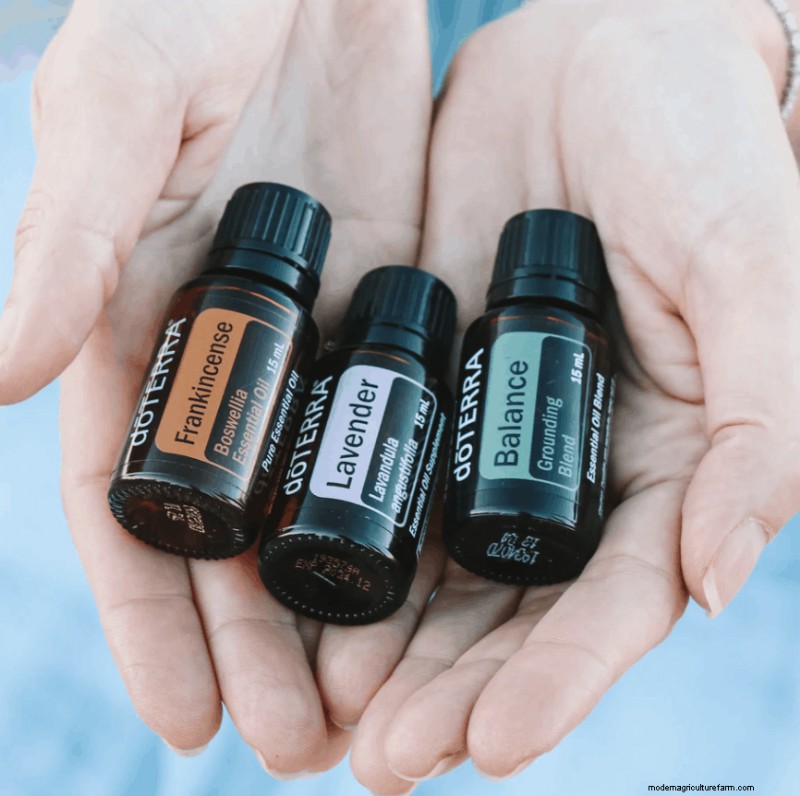
- Frankincense Essential Oil – If you want to create a wound and sore healing ointment made by mixing the essential oils of frankincense, lavender, and coconut oil.
The recipe on the site includes:
- 4-ounce container with lid
- 4 ounces of solid coconut oil
- 12 drops of lavender essential oil
- 12 drops of frankincense essential oil
Here are the instructions:
Melt the coconut oil, add the essential oils and mix. Allow hardening in the container. Ready for use! If you leave it in a warm area, it will liquefy. To prevent this, you can also add melted beeswax to the recipe for a more solid ointment.
Makes a solid paste that can be scooped out with fingers or popsicle stick to apply to a wound. The ointment softens quickly and smells pleasant, too. The injury will not get crusted over while the underneath skin layers heal.
When you have a wounded animal, you can mix up to 15 drops of Frankincense and 20 drops of Melaleuca (also known as tea tree) in an 8-ounce spray bottle (filled with water) and use as a natural wound spray.
Lemongrass Essential Oil
- It has been found that lemongrass essential oil mixed with lavender makes an excellent flying insect repellent. Chickens have sensitive respiratory systems. It’s best to spray when everyone is finished laying for the day when they are outside of their coop. Be sure that the coop has been aired out before allowing chickens back in.” Lane’s concoction? It’s made up of 15 drops each of cedarwood, citronella, lavender, and lemongrass essential oils in 16 ounces of water.
Lavender Essential Oil
- It’s known to treat anxiety and relieve stress in people. Some coop owners believe that lavender makes for “laid-back, healthy hens.”
- Normally, she treats her girls to real lavender and a beautiful run and helps keep bugs away from her coop. When using lavender as an essential oil for chickens, sprinkle a couple of drops (no more!) on nest box bedding. Make sure it’s mixed in completely.
- I often put a few drops in a carrier oil (like sunflower) on a shallow dish. Place it on the window ledge above the nesting area. I do not heat it), but more commonly I will add dried lavender buds…to the bedding.
- It is also used for respiratory problems. The stimulating nature of lavender essential oil can loosen up the mucus. This will relieve the congestion associated with respiratory conditions. This can speed up the recovery process, and helping the body eliminate mucus and other unwanted material.”
- Finally, lavender essential oil and coconut oil can make a salve for healing and protecting open wounds and sores. Diluted to 1% before applying and be sure to avoid the eyes, mouth, and nostrils, she explains.
Nutmeg Essential Oil
- Nutmeg is a natural pain reliever. Use caution when dealing with chickens. Make sure to only use it on closed wounds and in tiny amounts. (1% or less in a carrier oil). She writes that a friend uses it for pain relief for hens after they have passed broken eggs. “She swears by it.
Oregano Essential Oil
- Of all the essential oils for chickens, professional and backyard birders seem to be unanimous regarding the use of oregano.
- Among other things, studies have shown to increase broilers’ body weight, prevent coccidiosis – a parasitic infection of the intestinal tract – strengthen their immune system, and improve egg production.
- Oregano essential oil for chickens in a 2015 piece in The Atlantic, which cited a published study that found chickens who consumed feed with added oregano oil had a 59% lower mortality rate due to ascites, a common infection in poultry than untreated chickens.
- It’s determined that by adding one drop to 2 gallons of water each time you refill your chickens’ water supply to obtain at least some of oregano’s purported benefits.

Peppermint Essential Oil
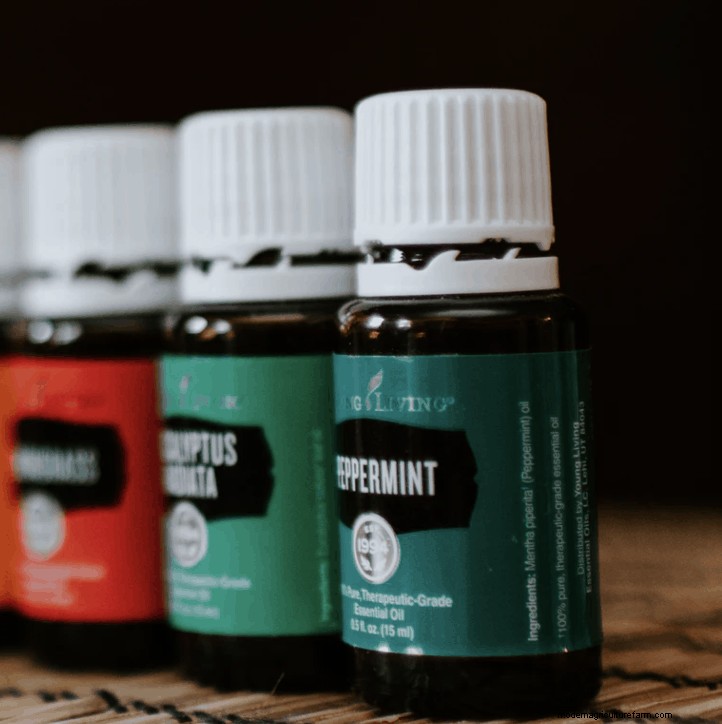
- This essential oil is “somewhat “effective against the root cause of coccidiosis. It helps repel flies as well. She recommends mixing 30 to 40 drops of peppermint essential oil with 2.5 gallons of water and spraying it around the coop and chicken run for that purpose.
Rosemary Essential Oil
- You can add rosemary essential oil at a ratio of 4 drops to a gallon of water. This will also assist in feather growth.
- To fight insects with rosemary, I suggest hanging rosemary bundles in their coop, mixing rosemary essential oil with water, and spraying it inside. Once I hung my rosemary bundles and used my DIY insect spray, the flies were gone and didn’t come back.
- Tea Tree Essential Oil – Also known as melaleuca, this essential oil has a variety of uses. A chronic skin condition afflicting chickens called favus can be treated with 1% tea tree oil and 2% oregano oil mixed with coconut oil. “applied on the critical spots once or twice a day has shown to clear up favus,” Lane wrote.
- To treat mites, I would suggest mixing 10 drops of tea tree oil and 20 drops of peppermint oil per gallon of water and spraying it heavily inside the coop when chickens are outside. Air out the coop before the chickens can return. We also sometimes lightly spray the chickens when we suspect they’ve got mites, carefully avoiding their heads.
In Conclusion
Misusing essential oils can cause burns, poisoning, and other injuries to people, so it makes sense they could do the same to the members of your flock.
Almost all the bloggers mentioned above pointed out that it’s essential to take great care when using them with chickens.
Do the benefits override the potential health concerns? You’ll have to decide. But at least make sure to perform some additional research before giving them a try – and never use them near your chickens’ eyes, ears, or nose.


