
Welcome to Modern Agriculture!

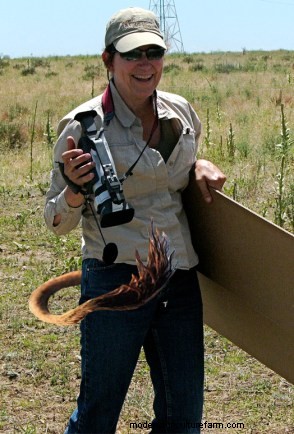
Cows’ tails are probably sacrosanct to cows. Heck, if I had a tail and someone wanted to cut it off, I wouldn’t stand quietly. (Well, maybe I might, given that not many humans have tails.) Cows tails are useful though, especially when flies and other pesky insects abound. But, cows also swish their tails through manure, posing a sanitation challenge come milking time, and they swat at farmers, milkers, and children. The feeling of getting hit by a cow tail is sometimes similar to getting hit by a baseball bat, with a lingering manure smear.
Docking or banding the tail so that it can’t harm farm workers (and can’t swat flies) is one way to avoid getting hit by a swinging tail and research has shown that milk is kept cleaner as well. On the other hand, a lot of research has been done on whether this practice is beneficial to the cow, and the answer is always the same: No. As Veterinarian Bill Stone summarized, “It doesn’t result in cleaner udders or less mastitis, and tail docking slightly impedes fly control on the back half of a cow.”
Views on tail docking by those involved in milk production have been changing as well. Two professional veterinary associations have carefully worded positions saying that if it must be done, it should be done by veterinarians, and only after “counseling” the producer on the consequences. In July of 2012, the National Milk Producers Federation approved the following language altering the position of the National Dairy FARM Program:
That last sentence is an acknowledgement that the public is starting to weigh in on whether or not tail docking should be at the discretion of the farmer or if it should be illegal. California, Rhode Island and Ohio and some countries, including Canada, the U.K. and the Netherlands, have banned tail docking.
We know that some farmers have chosen to stop tail docking. Some have also opted for trimming the hair on the tail, using a tool like the TailWell trimmer shown here. At about $400, it’s a quick fix to limit the paint brush of poo on the cow’s tail. Folks using it in New Zealand say they trim tails between 1 and 2 times per year.
Other farmers feel that docking is important to the safety of their workers and their children in the barn and if you’ve seen a young kid get knocked over by a cow tail, you might feel sympathetic. For those that do dock tails, Bill Stone suggests this response if/when the question comes up: “Yes, we do dock our cows’ tails. Research indicates that the docking procedure is only mini- mally and temporarily painful to an animal. We find that our cattle stay cleaner when this is done, and it’s our opinion that a clean cow is a more comfortable cow. We implement fly control procedures when necessary to more than offset any loss in the animal’s ability to disperse flies.”


