
Welcome to Modern Agriculture!

Chester White pigs are a domestic swine breed originating from Chester County, Pennsylvania, in the United States. They are known for their solid white color, durable skin, and medium-sized ears that droop forward. This breed is highly valued for its maternal abilities, obedience, and carcass quality.
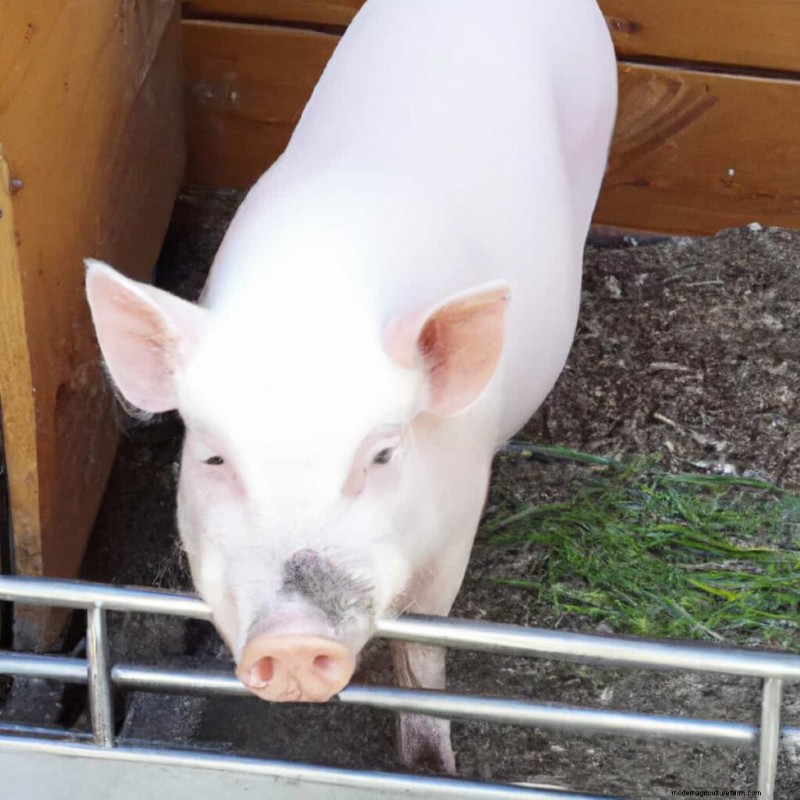
Chester Whites were developed in the early 1800s and have since become popular for their adaptability to various climates and conditions. They are known for their excellent feed conversion rates and are often used in crossbreeding programs to improve the qualities of other pig breeds.
When raising Chester White pigs, suitable housing and environmental conditions are crucial for their well-being and productivity. Their housing should offer protection from extreme weather conditions, adequate space for movement, and proper ventilation to maintain air quality. Furthermore, it should be designed to facilitate efficient waste management and minimize the risk of injury to the pigs.
Chester White pigs are well-adapted to various climates, but proper environmental management is essential for their welfare. Adequate shade, access to clean water, and protection from temperature extremes are vital considerations. Additionally, the design of the housing should allow for natural behaviors such as rooting and wallowing, which are inherent to pigs’ instincts.
A well-balanced diet is essential for Chester White Pigs’ growth and development. Their nutritional needs depending on their age, weight, and reproductive status. A typical diet for growing pigs includes a mix of grains, protein sources, vitamins, and minerals to support their energy requirements and muscle development. Sows require specialized diets during gestation and lactation to support the health of both the mother and her piglets.
Feeding management plays a crucial role in maximizing the potential of Chester White pigs. It involves formulating diets, establishing feeding schedules, and monitoring the pigs’ body condition to ensure they are receiving adequate nutrition. Additionally, access to clean water at all times is for maintaining proper hydration.
Maintaining the health of Chester White pigs is paramount for successful pig farming. Disease prevention strategies include vaccination programs, biosecurity measures, and regular health monitoring. By implementing sound biosecurity protocols and working closely with veterinary professionals, farmers with minimize the risk of infectious diseases and promote their pigs’ overall well-being.
Parasitic infestations can significantly threaten pig health and productivity. Implementing parasite control measures, such as deworming protocols and environmental management, is crucial for mitigating the impact of internal and external parasites on Chester White pigs.
Selecting the right breeding stock is essential for achieving the desired traits in Chester White pigs. Breeders often focus on traits such as litter size, growth rate, carcass quality, and maternal abilities when making breeding decisions. By prioritizing these traits, farmers can enhance their herds’ genetic potential and improve overall productivity.
Advancements in genetic technologies have enabled pig breeders to make significant strides in improving Chester White pigs’ genetic merit. Tools such as artificial insemination, genomic selection, and performance recording allow farmers to make informed breeding decisions and accelerate genetic progress within their herds.
Understanding the behavior of Chester White pigs is crucial for effective handling and management. Pigs are social animals with complex behavioral patterns, and providing an enriching environment that allows for natural behaviors is key to their welfare.
Farrowing, the process of giving birth to piglets, is the production cycle of Chester White pigs. Providing sows with a comfortable and safe farrowing environment is essential for ensuring successful deliveries and the well-being of both the mother and her piglets. Adequate nesting materials, proper heating, and close monitoring during farrowing are essential components of farrowing management.
Careful attention to piglet management is crucial for ensuring the survival and growth of the newborn piglets. This includes ensuring that piglets receive colostrum shortly after birth to acquire passive immunity, monitoring their health and growth, and providing a conducive environment for their development. Additionally, early interventions such as tail docking and iron supplementation may be necessary to promote piglet welfare.
Monitoring the growth of Chester White pigs is essential for assessing their development and adjusting management practices as needed. Regular weight measurements and growth rate assessments provide valuable insights into the effectiveness of feeding programs and overall herd health. Identifying and addressing growth challenges early can help optimize the performance of the pigs.
Achieving optimal weight gain is a key objective in pig farming. Proper nutrition, management practices, and environmental conditions play pivotal roles in supporting healthy weight gain in Chester White pigs. Balancing feed rations, providing access to clean water, and ensuring a stress-free environment are essential for promoting efficient growth and achieving desired market weights.
Understanding market trends, consumer preferences is vital for developing effective marketing and sales strategies for Chester White Pigs. Factors such as meat quality, production efficiency, and niche market opportunities can influence the positioning of Chester White pork products in the marketplace. Additionally, developing strong relationships with potential buyers and understanding the demands of the target market are crucial for successful sales.
Exploring value-added product options such as specialty cuts, processed pork products, and direct-to-consumer sales can enhance Chester White pork’s marketability. By diversifying product offerings and appealing to niche markets, farmers can capture additional value from their Chester White pig production.
In case you missed it: How to Start Sustainable Pig Farming: Business Plan, Benefits, and Requirements
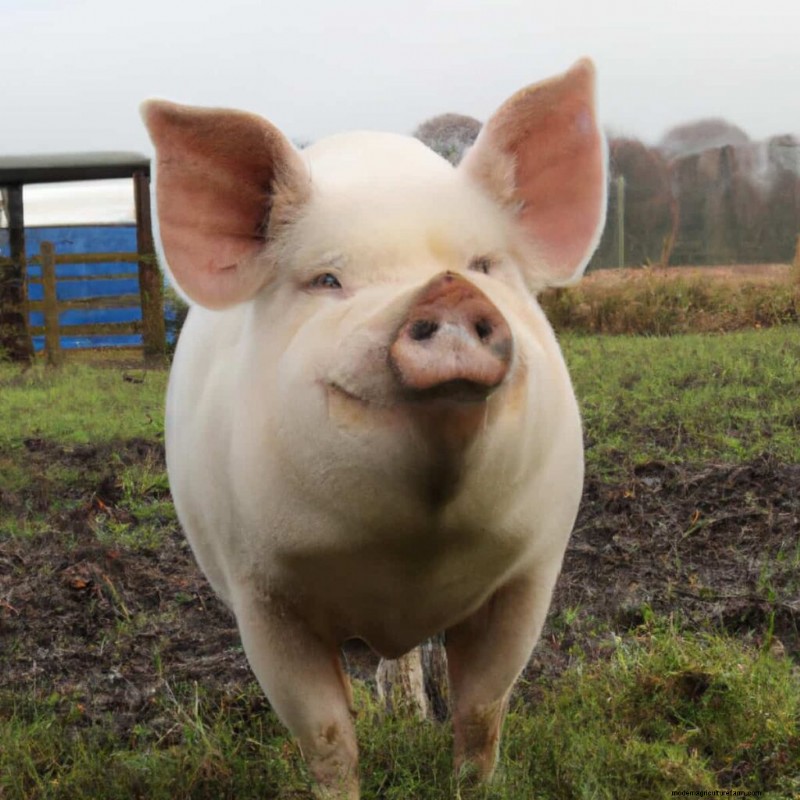
Raising Chester White pigs offers a rewarding venture due to rapid growth, efficient feed conversion, and high meat quality. Despite challenges like susceptibility to obesity and heat stress, proper management ensures optimal growth and profitability, making them a valuable asset for commercial farms and homesteaders alike.


