Welcome to Modern Agriculture!

Chickens & Flocks
by Alexa Lehr | 07.03.2025
Last updated: 07.03.2025
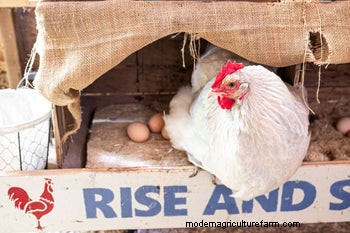
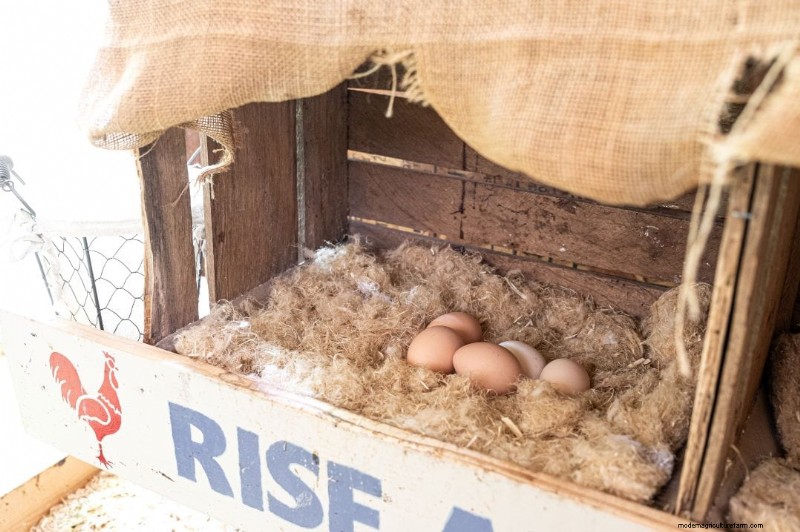
Hens will naturally seek to build a nest whenever they need to lay an egg, and they often make a mess when doing it! They will ditch litter out of the nesting boxes and throw litter on their backs as they nest. This can result in nesting boxes with no litter, which can lead to dirty nests and even broken eggs. However, nesting box pads can solve that problem! Hemp nesting pads are a great addition to the chicken coop since they create a comfortable nesting environment for hens and help protect eggs from becoming dirty or broken.
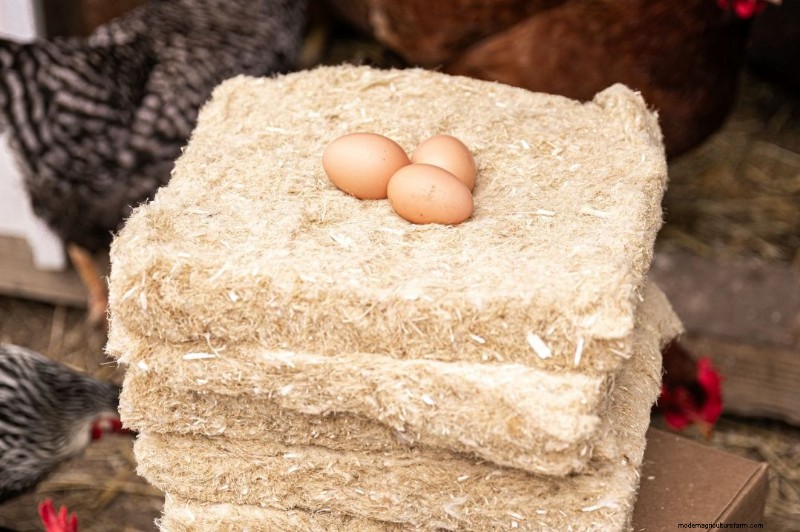
Hemp nesting pads are like cushions designed to fit in the chicken coop nesting boxes. They can replace or supplement the use of other nesting box litter options like hemp, wood shavings, or straw. Hemp nesting pads are thermoretentive and breathable. They help retain warmth in the nest during the winter, but they are also porous enough to prevent excess heat or moisture from building up in nests during the summer.
One of the main purposes of hemp nesting pads is to protect eggs when they are laid by hens in the nesting boxes. Their soft surface creates a cushioned landing for an egg when it is laid. Additionally, the hemp nesting pads prevent eggs from getting buried in nesting materials when a hen is rearranging her nest.
Hemp is a crop that requires minimal land and water compared to other resources that are grown for chicken coop bedding, like aspen trees for wood-based nesting pads. It is an easily renewable resource, and the entire plant can be used for various purposes, creating minimal waste. Hemp is also a crop that doesn’t generally require pesticides or chemical sprays since it is naturally pest repelling.
Since hemp is an all-natural product, hemp nesting pads are fully biodegradable and compostable. There are no synthetic fabrics or chemical treatments that could harm the environment when hemp nesting pads are naturally disposed of or composted.
The process of turning hemp stalks into hemp nesting pads is simple.
Hemp grows as slender, cane-like stalks that are hollow except at the tip and base of the stalk. The plant has compound leaves and small yellow/green flowers. The slender stalks are harvested when the plant is mature. Once harvested, the stalks are put through a process called ‘retting’. Retting is when the hemp stalks are allowed to naturally decompose in order to break down the fibers in the stalk.
Once the stalks have been retted, they are allowed to dry until their moisture content is 15% reduced. At that point, the stalks can be put through a decorticator that separates the fibers in the stalks. This results in bast fiber and hemp hurds. Hemp hurds are woody pieces that can be used as animal bedding. Bast fibers are fibrous strands that are then used to make hemp nesting pads.
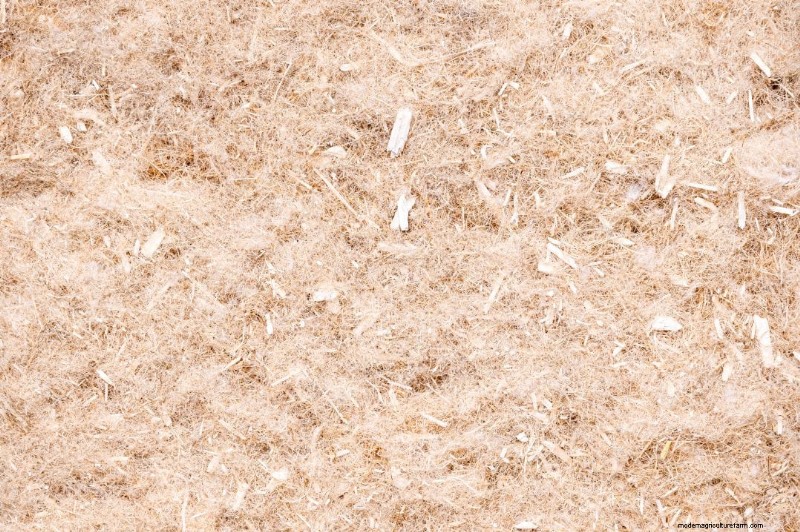
Instead of being woven or felted, the loose bast fibers are bonded together to create hemp nesting pads. This is usually done by adding a natural binder to the fibers. A common natural binder to use in hemp nesting pads is sugar cane binder, which is derived from sugar cane stalks. The process results in a mat that is dense enough to hold together but still pliable and soft. The mats may also contain pieces of hemp hurd that help add structure to the mat.
The process of making hemp nesting pads is eco-friendly and leaves a minimal carbon footprint. It creates a circular production model, adding value to what could be agricultural waste. The retting of the hemp stalks is a natural process and the decortication process is purely mechanical. Since hemp is an easily renewable resource, the production of hemp nesting pads leaves a minimal carbon footprint even from the point of sourcing raw materials.
Hemp nesting pads are a great all-natural nesting option for the chicken coop, but they would be impractical if they didn’t benefit your hens. However, hemp nesting pads have several advantages that make them beneficial for your flock.
If you are trying to decide if hemp nesting pads are a good choice for your coop, you may want to consider these factors that could help you make your decision:
One way to decide if hemp nesting pads are a good option for your chicken coop is to compare them to other nesting box bedding options. Two other common nesting box bedding options include straw and wood shavings.
Hemp nesting pads are easy to use in the chicken coop! Here are a few things to keep in mind when using hemp nesting pads for the first time:
Hens may be curious about the new nesting box bedding. They may peck or tear apart the nesting pads. Just monitor your hens to make sure they aren’t purposefully consuming the nesting pads.
Keep in mind that chickens hate change. If you've never used nesting pads before or if you're switching bedding materials, it can be quite jarring for your flock. We recommend a gradual shift when changing nesting box material. Set them up for success by introducing their new nesting pads with some of their old bedding sprinkled on top, then gradually reduce that amount as you see them acclimate.
You will also want to spot clean the nesting pads weekly if necessary. Remove any droppings from the nests and replace heavily soiled nesting pads. If the nesting pads get torn but are still clean, just rearrange and fluff out the nesting pads so they can still be used.
The nesting pads will need to be replaced every few weeks. Putting fresh, new nesting pads in the nesting boxes every 3-4 weeks is a good cleaning protocol to follow. If a nesting pad gets too torn from hens using the same box frequently, the pad may need to be replaced more frequently.
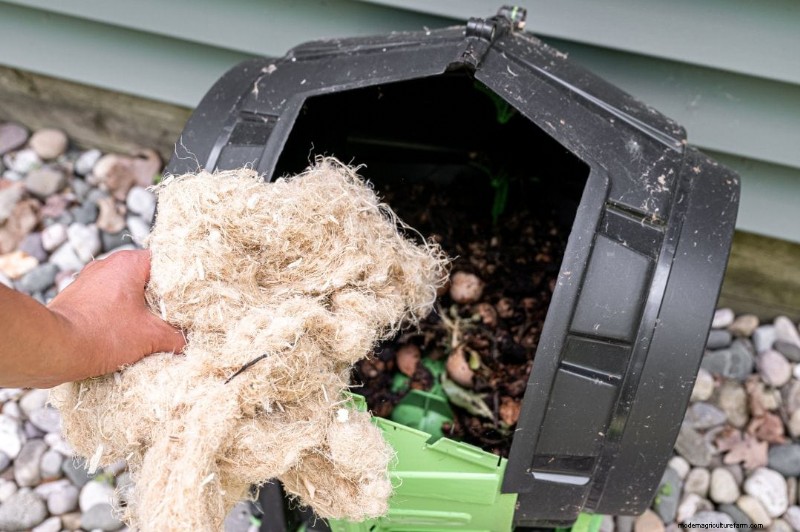
The good news is, even after the nesting pads have been worn out in the coop, they can easily be composted! They are fully biodegradable and will decompose just like other chicken coop litter.
1. Are hemp nesting pads safe for chickens to eat?
Hemp is an all-natural product. It is not toxic or poisonous to chickens. However, hemp fibers should not be a regular part of a chicken’s diet. As with any fibrous food, when consumed in large quantities the fibers may not be broken down in the crop and can cause crop impaction. Also, the hemp fibers used in the hemp nesting pads are not in a psychoactive form, so you don’t have to worry about your hens getting high!
2. How often should you replace nesting box pads?
Hemp nesting pads only need to be replaced on an as-needed basis. If the nesting pads are very soiled they should be replaced. When the nesting pads get torn apart so much that they don’t cushion the nesting box, they should be replaced then as well. The nesting pads may get soiled if they get pooped on or if an egg breaks in the nesting box. Egg breakage may occur if too many hens are trying to lay their eggs in the same nesting box. Make sure you have 1 nesting box for every 4-5 hens in your flock to prevent crowding in the nests.
3. Can you compost hemp nesting material?
Yes! Hemp nesting pads are completely biodegradable. You can put the used nesting pads right on your compost pile and allow them to biodegrade naturally. To make the composting process go faster, you may want to tear the nesting pads apart into smaller pieces to allow them to break down quicker.
In our opinion, yes, hemp pads are a valuable asset to the chicken coop for the following reasons:
Alexa grew up raising, showing, and caring for poultry. Her passion for poultry grew into her current small farm business, the Black Feather Farm, where she breeds rare and heritage chicken breeds. She uses her vast experience to improve the lives of chickens and educate Grubbly readers as well as readers on her own blog, The Pioneer Chicks.