
Welcome to Modern Agriculture!

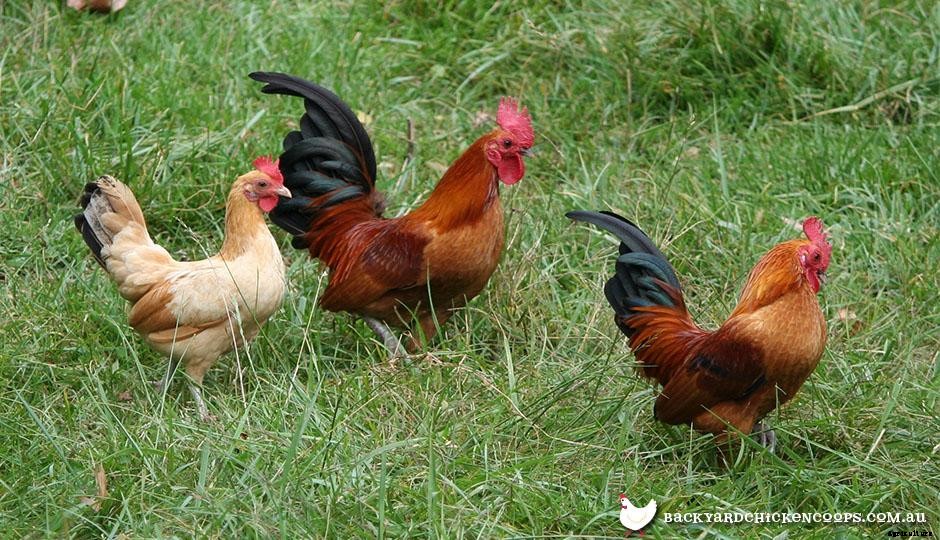
Roosters are a contentious issue among backyard chicken keepers. On the one hand, these charming chaps can be a huge benefit in keeping your flock safe and happy. On the other hand, a musical wake-up call can be too much to bear on an otherwise-lazy Sunday morning. Crowing can be a serious nuisance, but with a little patience and preparation, you can set up a backyard paradise that’ll keep everyone happy (even the neighbours!).
Different councils around Australia have different laws regarding roosters. Some of them explicitly prohibit roosters, but many of them don’t make any specific rules for the boys. Chickens are chickens! Here are some examples:
[Accurate as of 10 January 2017]
As you can see, different councils have different rules. You should check with your own council to see which ones apply to you. Regardless, even if you are technically allowed to keep roosters, no council will allow excessive noise. Excessive noise is a term that is usually defined by your neighbours - so take steps to keep it down, or risk losing that rowdy roo!
Roosters don’t just crow in the morning: they’ll pipe up for a variety of reasons at any hour, including spotting predators, finding food, or quibbling with another chook. And they’ll also speak up to complain if you aren’t taking good care of them! So:
The most infamous rooster crow happens at sunrise. Well, not exactly. Roosters actually base their crowing on a biological clock that anticipates sunrise rather than greets it. So rather than a nice 5am sleep-in, the unprepared keeper will be bolt-awake at 3am. Morning after morning, you might get used to it, but your poor neighbours will be a little less patient.
Fortunately, there are steps you can take to reduce the noise, or at least set the chook-alarm for a more reasonable hour:
Roosters are always the dominant personality in the chicken coop. Treat your chooks well, and he’ll respect you. However some particularly territorial boys might come to see you as a competitor, instead of a friend and carer. If that happens, stand your ground! Let a rooster bully you, and he might get some ideas about who is in charge - if he lunges at you, hold him down firmly. You might get some scratches in the process, but you’ll have a better relationship long term.
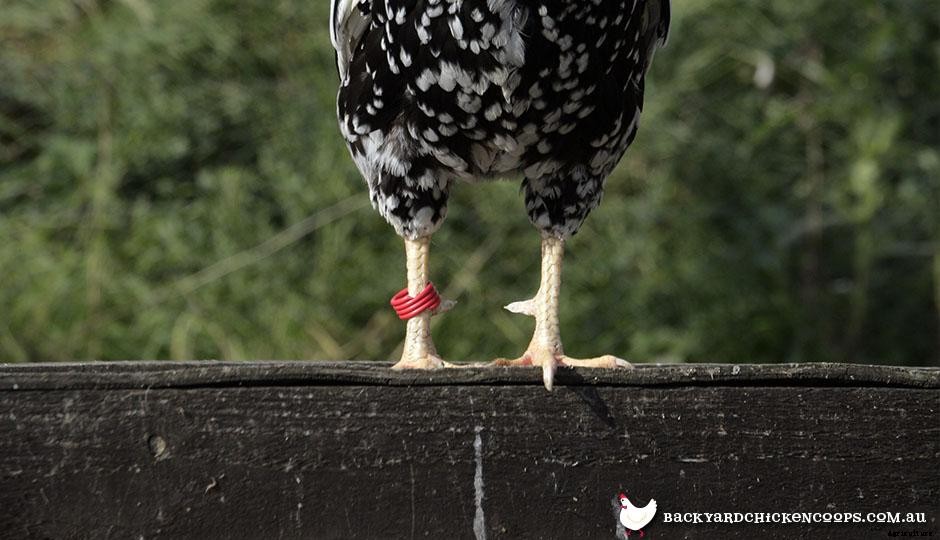
Speaking of scratches, the most fearsome trait of a rooster are definitely his spurs. These are the long ‘claws’ sprouting from the back of his leg. They can be a serious nuisance to you, and can also cause harm to your hens when a randy roo decides to mount them. Trimming spurs is advisable, and if done correctly, perfectly harmless. However, if you’re inexperienced with handling animals, you may want to take your boy to the vet to see how it’s done. To trim his spurs, catch your boy, wrap him in a towel to stop him wriggling, and then either:
Either way, the spur will grow back eventually - you will need to repeat this process regularly.
And there you have it! Keeping a roo isn’t so hard! Find out what they can do for you here.
Like most other chickens, roosters have an average lifespan of 5 to 8 years. However it also depends heavily on their lifestyle, environment, diet and breed. With the best care, you might find your rooster will live as long as 15 years!
Similar to hens, there are stresses that can reduce their lifespan. These include living in overcrowded conditions, fear of predators and loud noises.
A cockerel is a young rooster or male chicken and a rooster is a mature or adult male chicken. They graduate to rooster level at about one year of age.
Wherever you have a Henry or Hernietta in your flock, we all want to do an eggcellent job when caring for our feathered friends. There are so many things to consider when becoming a chicken parent from other pets to health issues. Many chicken keepers struggle to handle chicken health or behaviour issues, especially in the first few years of having a flock.
This is why I recommend Chickenpedia to all my readers. They have comprehensive online courses on everything you didn’t know you need to know and then some more! From healthcare to raising baby chicks to feeding and behavior, you’ll find beginner-friendly courses that’ll give you the knowledge and confidence to successfully look after your chickens.
As a member, you will get access to ALL their fantastic courses. No need to wing it, become the ultimate chicken eggspert! Check out Chickenpedia today!


