
Welcome to Modern Agriculture!

It’s a beautiful moment the day baby chickens arrive into the world - whether its via our own hatching activities or through buying them. Sometimes, baby chickens can be faced with health obstacles on the road to full growth - most of which can be rectified with proper care and treatment.
Here are some common problems that may affect your baby chicks, and how to go about setting them back on the path to happy, healthy adulthood!
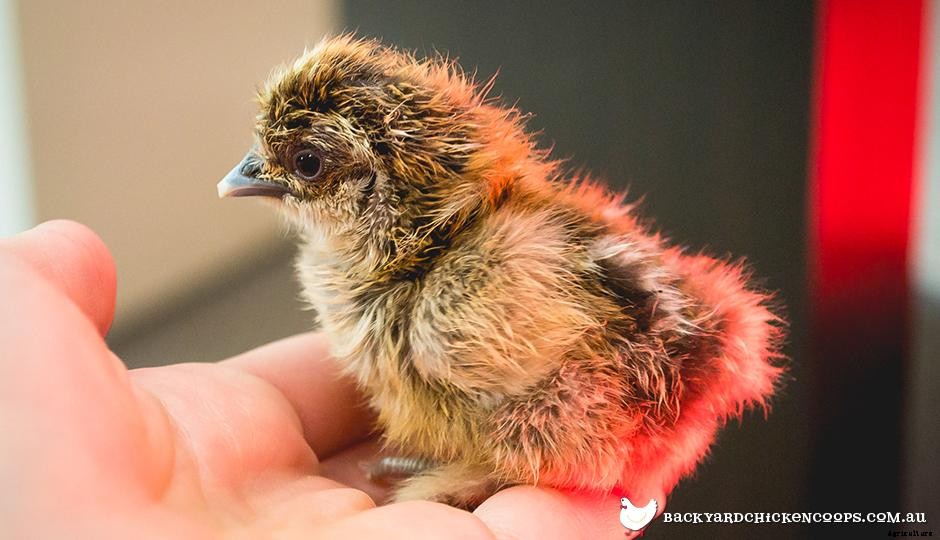
‘Pasting up’ or ‘pasted vent’ is a common problem that occurs with baby chickens, where a build up of droppings can block their vent opening
What it’s caused by:
Untreated, pasty butt puts baby chickens at risk of:
How to treat it:
Put some warm water on a washcloth and gently wipe the baby chickens’ vent until all the visible, dried droppings are gone. It is crucially important to be gentle as the vent can be damaged if too much force is used.
Also known as spraddle leg. It’ll be pretty easy to tell whether a baby chicken has splayed legs - their legs are stretched out on either side of their body instead of underneath like normal.
What it’s caused by:
Untreated, splayed legs put your baby chickens at risk of:
How to treat it:
Early detection is key - the quicker you start treatment, the more likely the bones will heal properly.
Wrap a band-aid or some other firm material around the outside of the two legs in a loop - in essence binding them closer together. Keep this on for a few days while the legs adjust to their proper positions. It’s important to monitor the chick to ensure they’re still able to access feed and water.
Sometimes splayed legs can be prevented by covering the floor of the brooder with strips of white paper towels instead of shredded materials, while their legs are growing stronger.
Unfortunately, not all cases of splayed legs can be fixed - at which time you should consider your options based on the quality of life the chicken will have.
Also known as stargazing and wry neck. This occurs when a baby chicken cannot hold its neck up properly, with its head falling upwards onto its back, forcing it to look upwards - hence the term ‘stargazing’. Baby chickens with twisted neck are physically unable to walk normally.
What it’s caused by:
Untreated, stargazing puts your baby chickens at risk of:
How to treat it:
Administering vitamins to your chick can sometimes cure twisted neck. Some chickens may bounce back in a matter of hours, some may take weeks. Baby chicken owners have had success giving their baby chickens the following substances:
Consult your vet or poultry professional for more information, and make sure you follow dosage directions on any vitamins or supplements you purchase.
Also known as crossed beak. Scissor beak is where a baby chickens’ top and bottom beaks don’t line up.
What it’s caused by:
Untreated, scissor beak puts your baby chickens at risk of:
How to treat it:
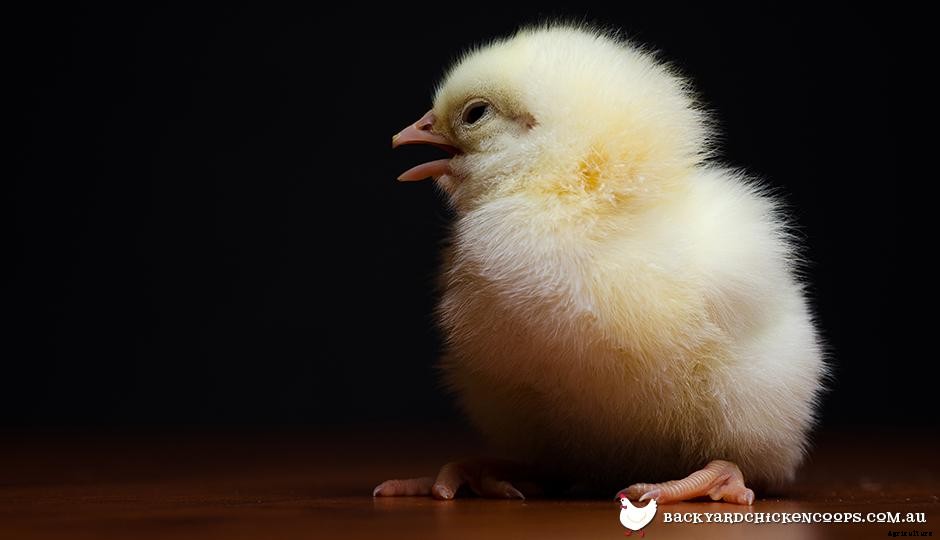
Coughing, sneezing, heavy breathing, runny noses...sometimes the fix for these are simple adjustments to their environment. Other times they can be symptoms of something more serious.
What it’s caused by:
How to treat it:
Again, if the symptoms don’t clear up, consult your vet as it may be symptoms of an illness.
Many baby chickens grow into healthy, happy adults without any hitches - so don’t be deterred by all these intimidating terms and ailments!
Many of these problems can be prevented by having a decent brooder/incubator (if you've hatched your own chickens), that can easily be programmed to stay at the right temperature for your baby chickens, helping them develop and grow as they should.
It's an eggciting time that can also be fairly overwhelming! We all know just how quickly these little ones grow up so you are going to want to make sure that you've got the knowledge you need to raise a happy, healthy flock. You wouldn't want to risk making tragic mistakes that could impact their development, growth or worse!
67% of chicken keepers surveyed experienced a chicken health or behaviour issue in the first 12 months that they didn’t know how to handle. This is why I highly recommend that you check out our friends at Chickenpedia. Their Raising Baby Chicks course provides lots of valuable information to help you avoid any life-threatening accident. You'll have all the confidence to give your feathered friends the best start in life.
Get access to all of the best chicken keeping courses at Chickenpedia.
If you have any questions, leave a comment below and our eggsperts will reply. We look forward to chatting with you.


