
Welcome to Modern Agriculture!

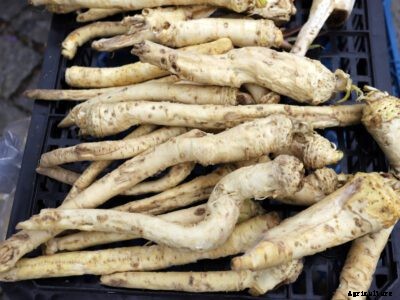
Parsnips are considered a winter vegetable because they develop a sweeter flavor after several weeks of exposure to cold. The root vegetable forms underground and has an appearance similar to a white carrot. The seeds are slow to germinate and need certain growing conditions to prevent parsnip deformities. When these do occur, it is important to know what causes deformed parsnips. Then you will be armed with information to help prevent deformed root crops.
Deformed root crops are common in the home garden. Roots may become stunted, twisted, or knotty. Parsnip deformities can also produce forked roots or splits and may break when you try to pull them. The three most common reasons are improper soil preparation, over fertilizing, and root knot nematodes.
Soil preparation by tilling and incorporating organic matter loosens the soil to expose nematodes to the elements and adds predatory organisms to the bed that will eat the nematodes. Where soils are heavy, dig down at least 6 inches (15 cm.) and use leaf litter or other carbon rich organic to help loosen soil.
In addition to proper soil preparation, crop rotation is an important step in preventing misshapen parsnip roots.
Finally, choose a parsnip seed that is resistant to root knot nematode. If you purchase seedlings, make sure they are certified nematode-free. Keep the seedbed weed-free. Water well and fertilize lightly to promote a healthy plant that is more resistant to pests and cultural problems.


