
Welcome to Modern Agriculture!

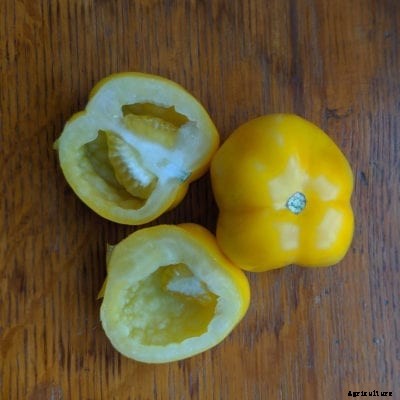
Yellow Stuffer tomato plants aren’t something you see in everyone’s garden, and you might not recognize them if they’re growing there. Yellow Stuffer information says they are shaped similar to bell peppers. What is a Yellow Stuffer tomato? Read on to learn more details.
The open-pollinated, Yellow Stuffer is accurately named, as the shape lends itself to stuffing. Thick walls on this beefsteak tomato help hold your mixture. This indeterminate type grows to six feet (1.8 m.) and also lends itself well to staking or climbing up a garden fence with the right support. It is a late season grower, joining the ranks of other yellow tomatoes with less acidity than their red and pink counterparts.
Vines grow vigorously, producing medium size fruits. With strong support, the vines can produce many tomatoes. For bigger and better quality tomatoes, pinch out a few blooms along the way to redirect the plants’ energy.
Plant seeds indoors in late winter or in the ground when all danger of frost is passed. Plant ¼ inch deep into amended, well-draining soil that is 75 degrees F. (24 C.). Space Yellow Stuffer tomatoes five to six feet (1.5 to 1.8 m.) apart. When growing in the ground, plant in a sunny spot that won’t be shaded by trees leafing out later.
Tomatoes need heat and sun to produce the biggest fruits. When starting them indoors, sow plants in late winter to early spring and begin hardening them off outside in mid to late spring. This provides the longest growing season and is especially helpful for those with short summers. If you grow in a raised bed, you’ll find the soil warms earlier.
Stake the tomato plants at a young age to get them growing upward or cage the plants to keep them contained.
Water these plants one to two inches (2.5 to 5 cm.) per week in times of no rain. Consistent watering is key to growing healthy, unblemished tomatoes. Water in the early morning or late afternoon, the same time every day, when the sun is not hitting the plants. Water at the roots and avoid wetting foliage as much as possible. This slows fungal disease and blight, which eventually kills off most tomato plants.
Feed seedlings every 7-10 days with a liquid fertilizer or compost tea. Harvest in approximately 80 to 85 days.
Treat for pests as you see them or signs of their damage. Prune off dying leaves and spent stalks to prolong your crop and make them last until frost.


