
Welcome to Modern Agriculture!

That’s why we’ve pulled together this simple guide to choosing the best – and easiest-to-care-for indoor office plants, as well as a few simple instructions to prevent your new green friend from heading to an early grave.
It’s important to set up yourself – and your office mates – for success. That means choosing a plant that will do well without a ton of natural light, isn’t incredibly water-sensitive, and that can tolerate the often-dry office air. These five fit the bill:
By Vladyslav Lehir on Shutterstock
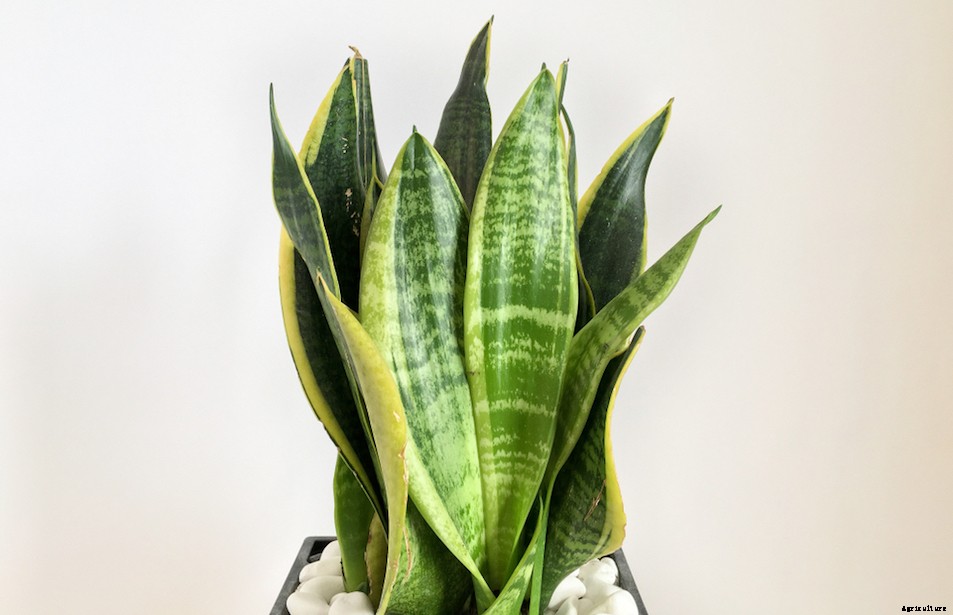
The snake plant (Sanseveria trifasciata) is perfect for the office. It’s super-easy to care for and is great at purifying the air, according to NASA. It has stiff spear-like leaves that shoot upwards and are often streaked with yellow. It does well in indirect sunlight and only needs to be watered every two to three weeks. This is a plant you actually have to try to kill – overwatering is really its only kryptonite.
By EvgeniAli on Shutterstock
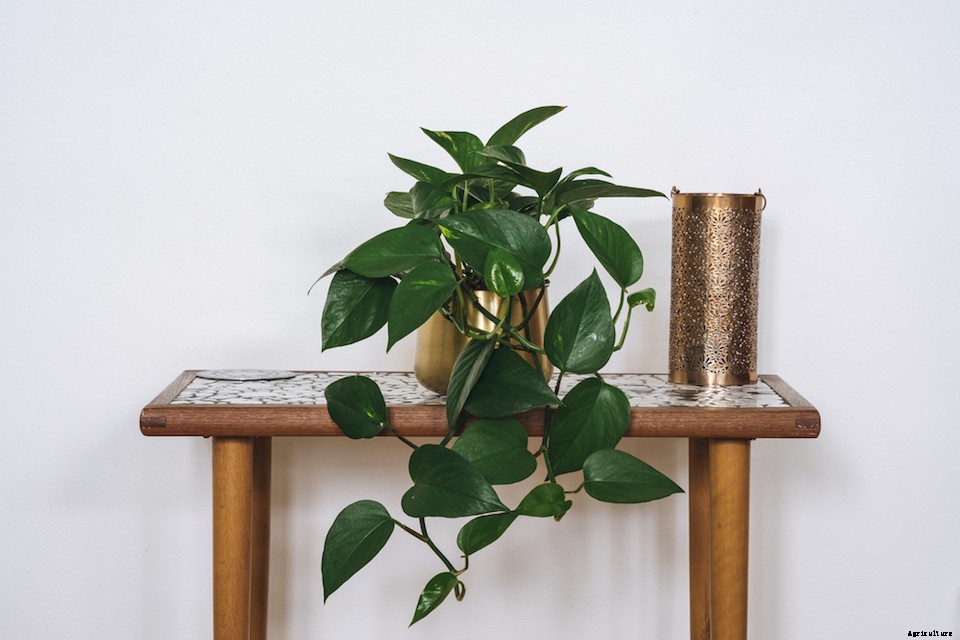
Devil’s ivy (Epipremnum aureum) is far less intimidating that it sounds. Also commonly known a pathos, this vine-y plant with heart-shaped, waxy, green leaves (sometimes with splashes of white or yellow) earned its moniker because it’s nearly impossible to kill. Perfect for an office setting! Devil’s ivy does fine in low light and doesn’t require much attention. Water when the soil is dry to the touch.
By Moolkum on Shutterstock
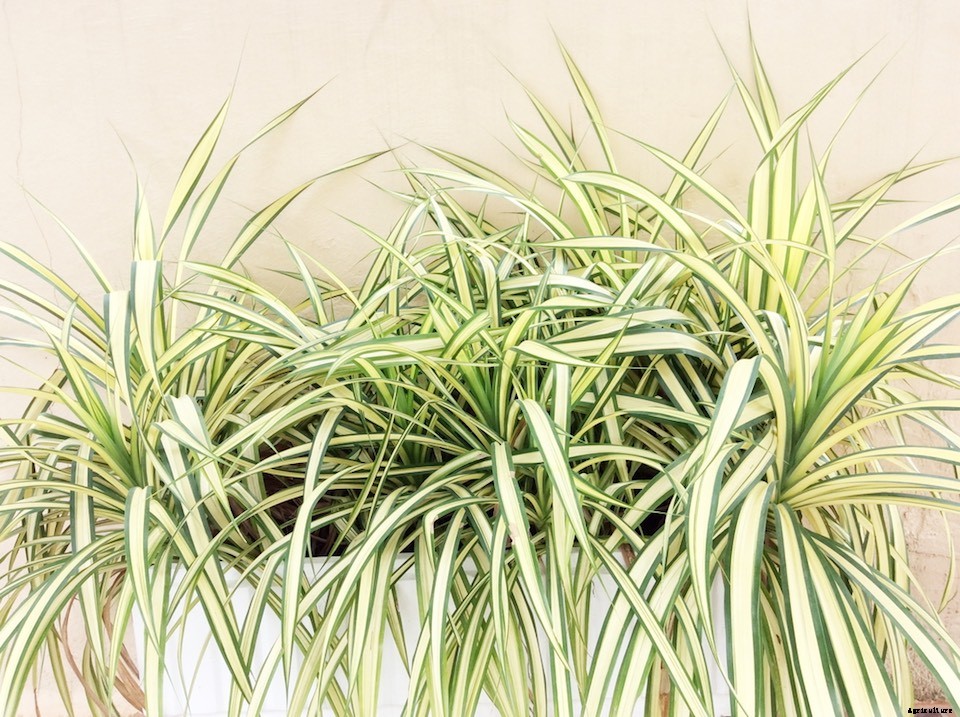
Another plant with a high tolerance for neglect is the spider plant (Chlorophytum comosum). This beauty has narrow leaves with white or yellow stripes, and in the spring, producers “runners” that spawn more little baby plants that sort of resemble spiders, hence the name. This is another great one for air purification. Care is simple: Water when the top inch or two of soil is dry, and allow it to dry out between waterings. Bright to medium, indirect sunlight is best, but the spider spider plant is tough and should do fine even in offices without a ton of natural light.
By cocone on Shutterstock
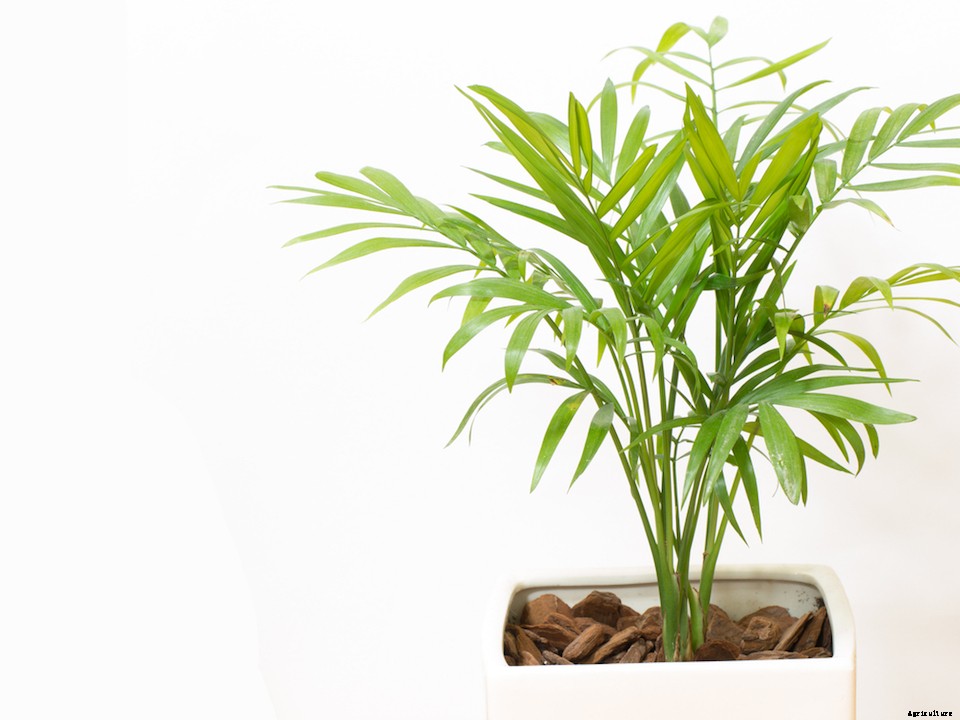
Parlor palms (Chamaedora elegans) require a bit more water than some of the other suggestions in this list, but they don’t require much else. These slow growing densely-leaved single trunked palms do well in lower-light situations and don’t need a ton of space. When the top of the soil is dry, give them a good soaking. In winter or low light conditions they require less watering than if they’re getting a lot of sun.
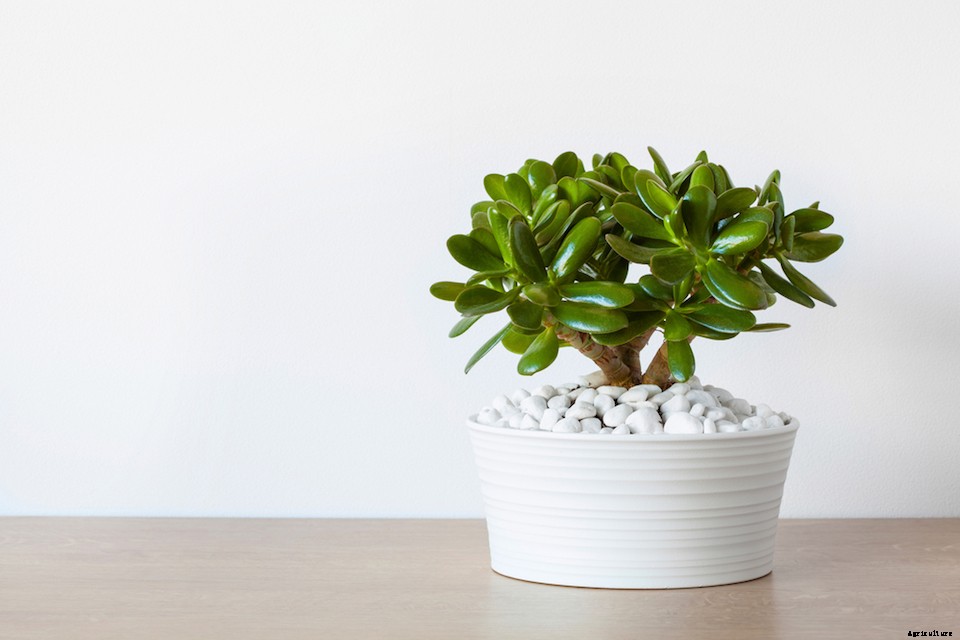
By Olga Miltsova on Shutterstock
Finally, we have the jade plant (Crassula ovata), which is a type of branched succulent shrub that originated in South Africa. Jades do well in dry, warm settings, and they prefer a bit more light. A south-facing windowsill is ideal. Water when the top of the soil is dry to the touch.
It’s best to steer clear of blooming plants, such as tropical hibiscus and Arabian Jasmine, since they tend to require more natural light, could set your office mates’ pollen allergies into overdrive, and can be overly perfume-y for a shared workspace.
As mentioned above, every type of plant has its own needs when it comes to watering. That said, here’s a word to the wise: it’s much easier to overwater a plant that you realize. Over-watering can kill most of these plants more quickly than under-watering (over-watering causes root rot, and there’s no coming back from that). In general, if the plant is drooping, getting brown tips or dry, yellow leaves towards the bottom, you’re probably under-watering it. Water less in winter or in offices where the air conditioning is kept on high. A rigid watering schedule isn’t required for the plants we’ve suggested, but if there are multiple people caring for your greenery, or you tend to be forgetful, a watering schedule is a good idea. And lastly: always use a pot with a drainage hole.
SaveSave
SaveSave


