Here’s a handy tool to give you an idea of when the final frost in your area will likely happen, so you know when it’s safe to start planting. You’ll thank us this summer.

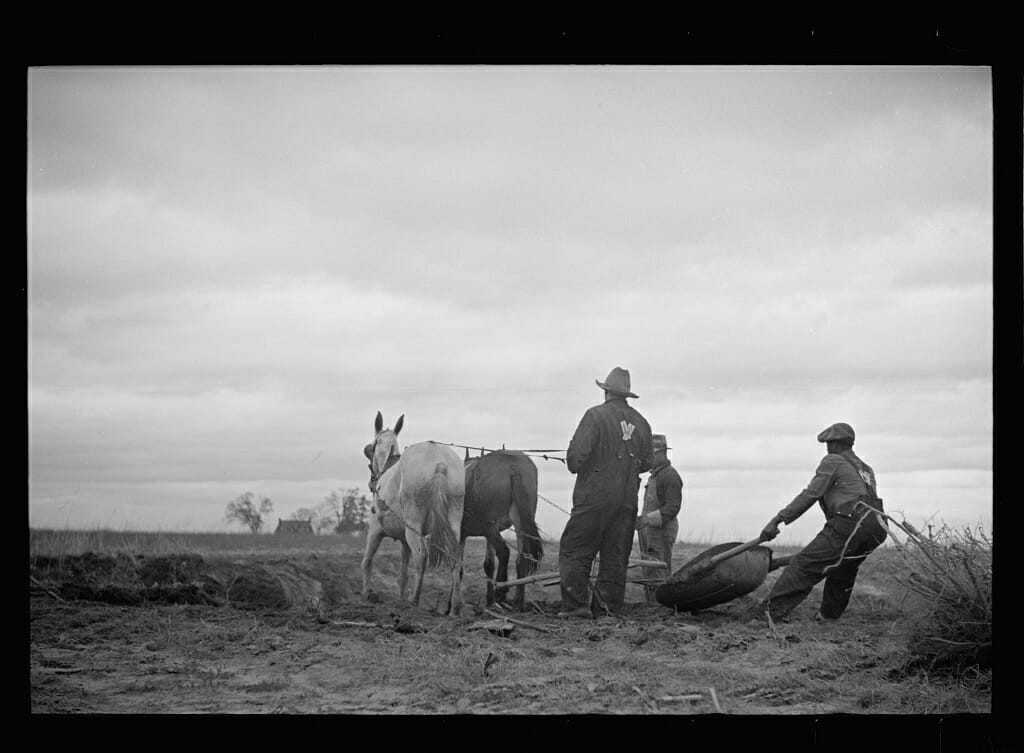
Farmers in North Carolina prepare a field in preparation for the 1936 spring planting season.
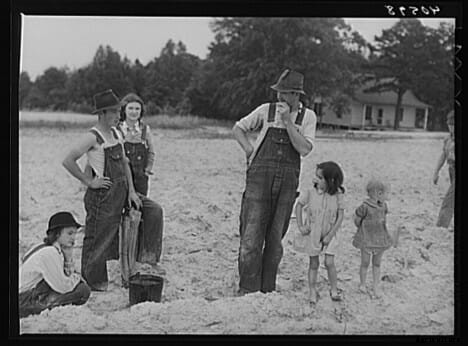
A tenant farmer and his family outside of Danville, Virginia, prepare to plant tobacco.

In this photograph from 1936, a farmer plants corn in Lancaster County, Nebraska.

A man sows seed by hand at the American Colony in Jerusalem in the early 1900s.

A New Hampshire farmer sorts his beans in preparation for spring planting in 1940.
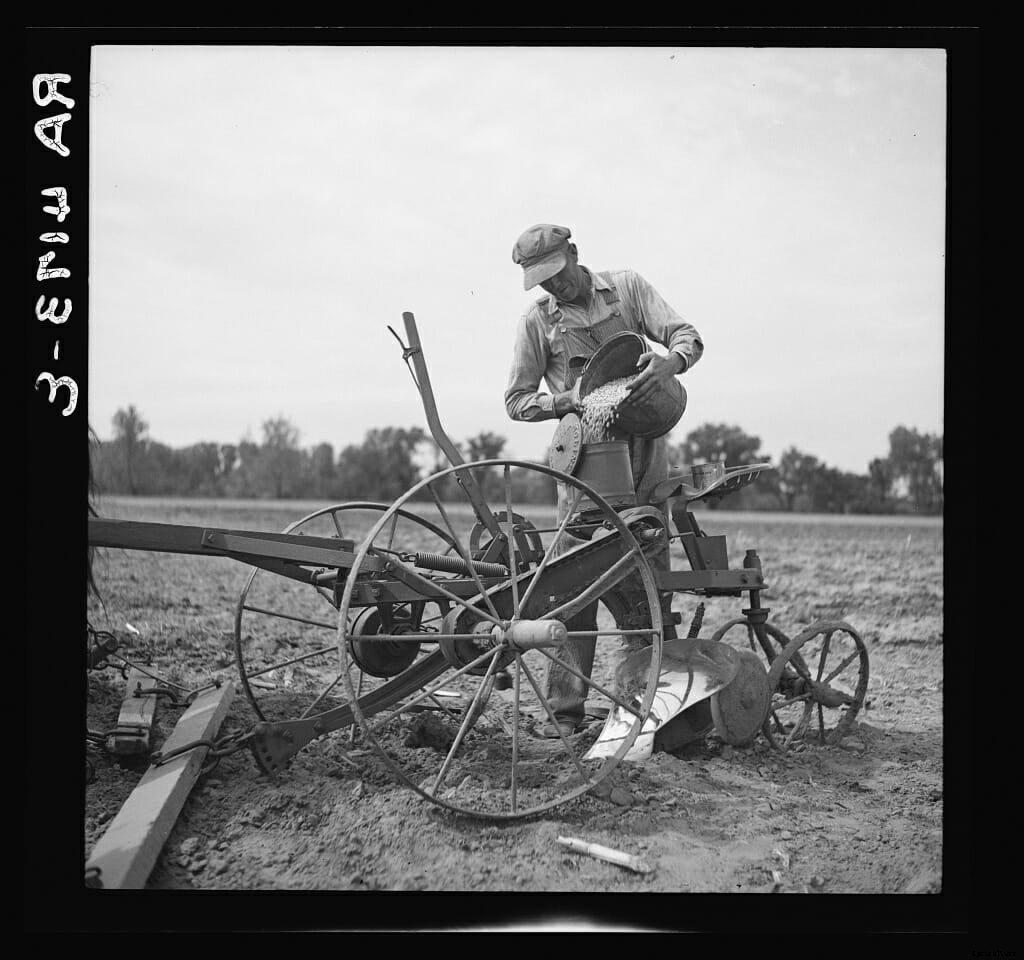
A farmer in a U.S. federal rural rehabilitation program prepares to plant corn in Jefferson County, Kansas.
Photos courtesy of the Library of Congress
Here’s a handy tool to give you an idea of when the final frost in your area will likely happen, so you know when it’s safe to start planting. You’ll thank us this summer.
Missed your chance to plant garlic last fall? Has your winter storage garlic sprouted? Try planting spring garlic. You may not get large cloves, but you can still enjoy the mild flavor of green garlic. Garlic is normally planted in the fall for larger bulbs. Once planted, the garlic begins growing roots, and then goes dormant when winter arrives. Garlic needs a period of cold winter temperatures to stress the seed and stimulate it to divide into separate cloves that form a head of garlic. This
Today started with a temperature of 59 degrees, bright sunshine, but just a little windy. Since my backyard is surrounded by trees and houses, the wind was not much of a factor for working in the garden. I totally went against Farmer’s Almanac, which plainly stated that today was for killing weeds and brush but not planting. We will see how it all turns out. The soil in bed two had been removed leaving a depth of six inches of city composted yard waste called Omagro. It is the best stuf
Planting plans and lists to suit a range of aspects in the garden. Planting a dry border: Don’t be afraid of repeating plants in the same scheme. A little repetition will help pull the whole scheme together and stop it looking bitty. Most importantly, try to avoid planting one of each of your favourite plants. Larger clumps of three or four well-chosen species will always look better than one example of everything in your A to Z of plants. A Stipa gigantea B Phormium tenax V