Welcome to Modern Agriculture!

Hot peppers are so much fun to grow in gardens and containers. They’re relatively carefree plants and offer fruits in a wide variety of colors, shapes, sizes, and heat levels – from mildly spicy to super-hot! I’ve been growing hot peppers for over a decade and I’ve learned that in order to grow great peppers, you need to provide the right growing conditions and select the best varieties for your region.
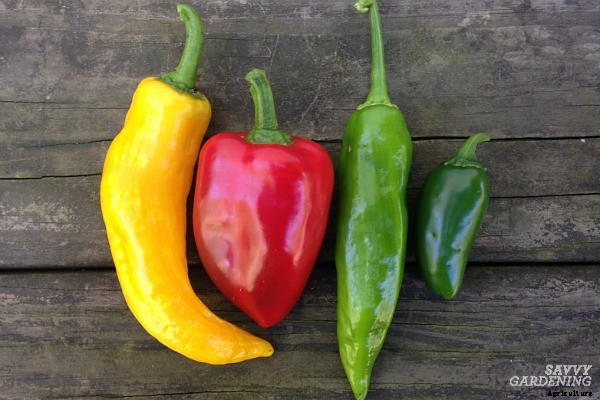
Unlike sweet peppers, hot peppers can pack a pungent punch! Some are mildly spicy, others offer medium heat, and still others are super hot and need to be handled and eaten with care. The heat of a pepper is measured in Scoville Heat Units (SHU), which assesses the amount of heat-producing compounds found in the pepper. When a pepper has less than 100 SHU’s, it’s considered a sweet pepper. Once it tops 100, it becomes a hot pepper. But of course, there is quite a range of pungency found in hot peppers. A jalapeño, for example is between 1000 and 10,000 heat units, while a habanero can run up to 350,000 SHU’s – now that’s hot!
A super-hot pepper is one that has over 1 million SHU’s and includes types like ghost peppers and Carolina reapers. While these can be fun to grow in gardens and containers, I find them hard to use in the kitchen and prefer to grow peppers like jalapeño, cayennes, and anchos that I use more frequently.
Hot peppers, like tomatoes and eggplants, are a warm season vegetable and need to grow, flower, and fruit between the spring and autumn frost dates. Short-season or northern gardeners should pick varieties that will have time to mature in their region, although there are a few techniques detailed below you can use to stretch your season.
Hot pepper seeds should be started indoors to get a head start on the growing season. Sow seeds in flats or pots 8 to 10 weeks prior to the expected outdoor planting date. Sow them shallowly, around 1/4 inch deep. Hot peppers, and especially super-hot peppers, have a well-earned reputation for being finicky to germinate, but you can increase germination rates by providing bottom heat. I’ve used a heat mat, the top of a refrigerator, or heating cables. Because super-hot peppers can take longer to germinate, I start them around 12 weeks before my expected outdoor planting date.
You can also pre-germinate the seeds of hot peppers to further increase success. Place the seeds between sheets of dampened paper towel and then place that inside a plastic zipper bag. Tuck the bag in a warm place and begin checking for signs of germination daily after about a week. If seeds have germinated, remove them from the bag and plant them up in containers filled with a high-quality potting mix like Fox Farm Ocean Forest Potting Mix. Super-hot peppers can take weeks or even months to germinate, so be patient and check often to see if any of the seeds have roots emerging.
As the seedlings grow, provide sixteen hours of light each day by placing the flats under grow lights. A window typically doesn’t offer enough light to provide healthy, compact growth, but if you don’t have grow lights, you can certainly try to start your seeds in a bright, south-facing window. Average room temperature is fine for growing hot pepper seedlings. Peppers appreciate consistent moisture but don’t want to be sitting in wet soil. Water when the soil is dry to the touch and every 7 to 10 days add a diluted liquid organic fertilizer to your irrigation water to encourage healthy growth.
Once the last frost in spring has passed and temperatures are reliably above 65 F, it’s time to harden off the plants and move them to the garden.
Hot peppers can be planted in garden beds or in containers. If growing hot peppers in pots, be sure there are adequate drainage holes in the bottom of the container and use a high quality potting mix. I like to add compost or aged manure to the potting mix when I’m filling my pots.
In a garden, find a spot with fertile, well-draining soil. I’m partial to raised beds, but they can also be grown in traditional in-ground gardens. Just be sure the soil drains well. I incorporate compost, worm castings, or aged manure into the soil prior to planting and add a handful of slow-release organic vegetable fertilizer to the planting hole. A soil pH range of 6.0 to 6.8 is ideal.
Space the plants two to three feet apart and insert some type of support as pepper plants can be prone to branch breakage, especially when the branches are heavy with fruits. I insert a tomato cage or a stake to provide support to the plant. If you live in a short season region, a sheet of plastic mulch can also be placed on the soil to trap heat, reduce competition from weeds, encourage quick growth, and a heavy yield. Even if you choose not to use a plastic mulch, you can pre-heat your garden soil in late spring by placing a plastic mulch on top of the soil for 10-14 days before planting.
Because our spring weather on the east coast can be unsettled, I erect as simple mini hoop tunnel over the plants for the first few weeks. The hoops are covered with polyethylene sheeting or a row cover to trap heat and create a microclimate for the heat-loving pepper plants. If you don’t make your own mini tunnels, you can also buy them online or at garden centres.
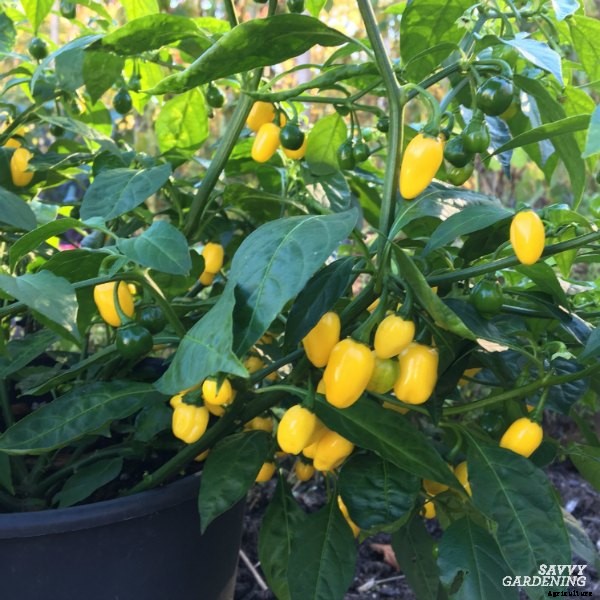
As summer arrives, water consistently, but keep in mind that hot peppers generally prefer drier soil conditions. Water when the soil is dry an inch or two down and be sure to water the soil, not the pepper plant. Wet foliage can spread disease. Fertilize hot peppers several times during the growing season with an all-purpose liquid organic vegetable or tomato fertilizer to give them a boost. Avoid high-nitrogen fertilizer which promotes foliage growth, but can reduce fruit production.
Common pests of hot peppers include aphids, flea beetles, slugs, and cutworms. I find cutworms and slugs are a problem in late spring when the plants are still young and very susceptible to damage. As they grow, aphids and flea beetles can be more of an issue. I handpick slugs, use collars to deter cutworms, and hose off aphids and flea beetles when spotted.
Peppers can be prone to diseases like Botrytis, bacterial leaf spot, Fusarium, and Anthracnose. Proper spacing and watering are important steps to reducing hot pepper diseases. Water the soil, not the foliage. If you’ve had issues in the past, it’s also a good idea to grow disease-resistant varieties and practice good crop rotation.
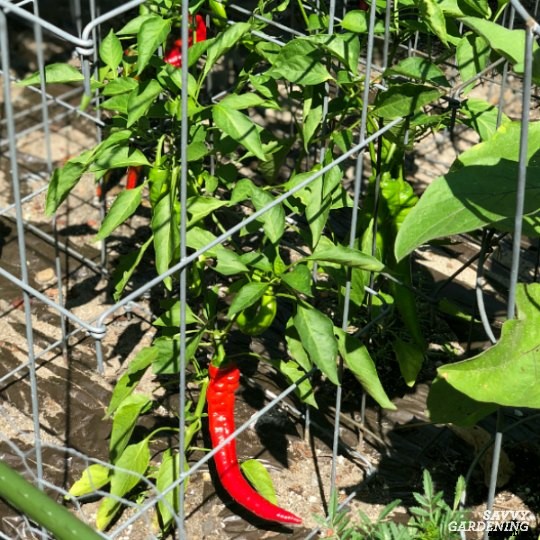
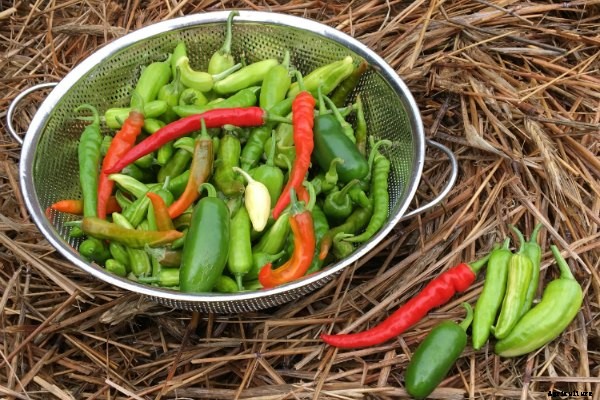
Harvest hot peppers once they’ve turned to their mature color, which will depend on the type and variety. It will be about 65 to 95 days from transplanting, but that information will be listed on the seed packet or in the seed catalog.
Be careful when harvesting hot peppers, especially if they’re super-hot types. There have been numerous times I’ve picked a handful of hot peppers and minutes later rubbed my eyes only to find them burning. Wear gloves if possible and use garden shears or snips to cut the peppers from the plant. If you pull them off, you might snap off the entire branch.
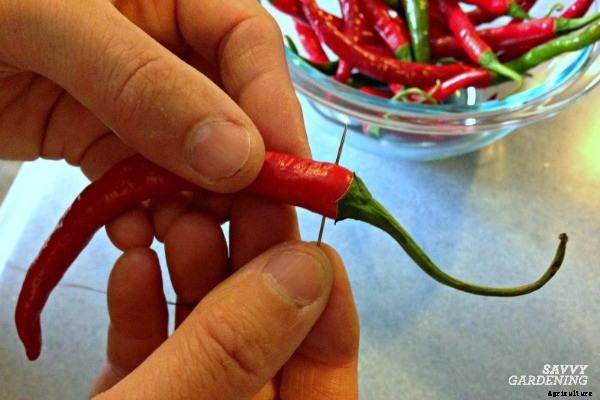
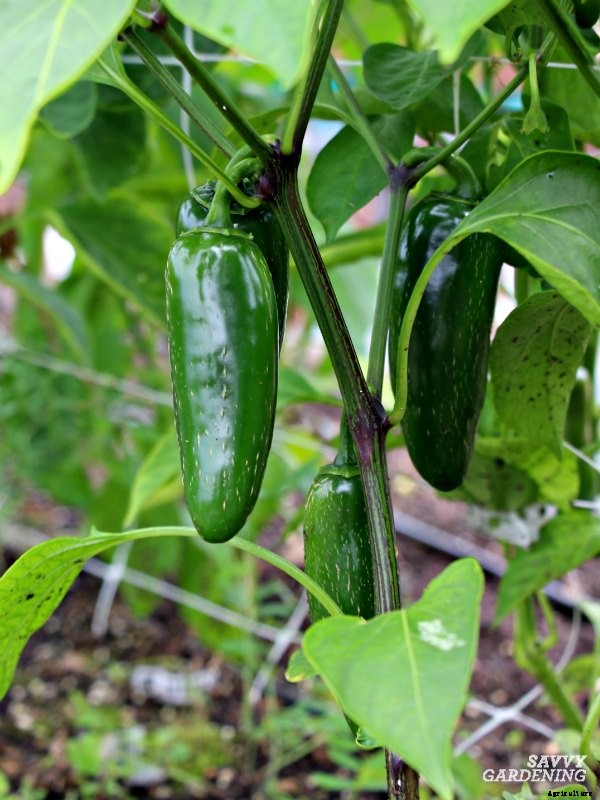
Once you’ve picked your peppers, you can enjoy them fresh from the garden or freeze, dry, or dehydrate them for future meals. I freeze medium to thick walled hot peppers, like jalapeños which I then use all winter long in cornbread and chili. Thinner walled hot peppers, like cayennes are hung in ristras to dry. They can be left to hang in your kitchen until you’re ready to use them or, once dry, they can be crushed for hot pepper flakes and stored in jars.
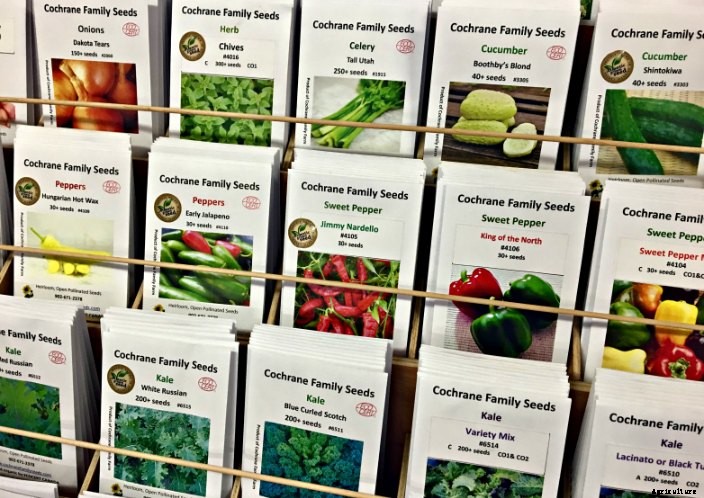
When growing hot peppers, there are a lot of types and varieties available through seed catalogs and websites. I generally choose based on which ones I use the most in my cooking. Of course, it’s fun to try new varieties and I often add one or two new-to-me hot peppers to my raised beds or containers each spring.
For information on growing other types of vegetables, check out these articles:
What’s your favorite type of hot pepper to grow?