Welcome to Modern Agriculture!

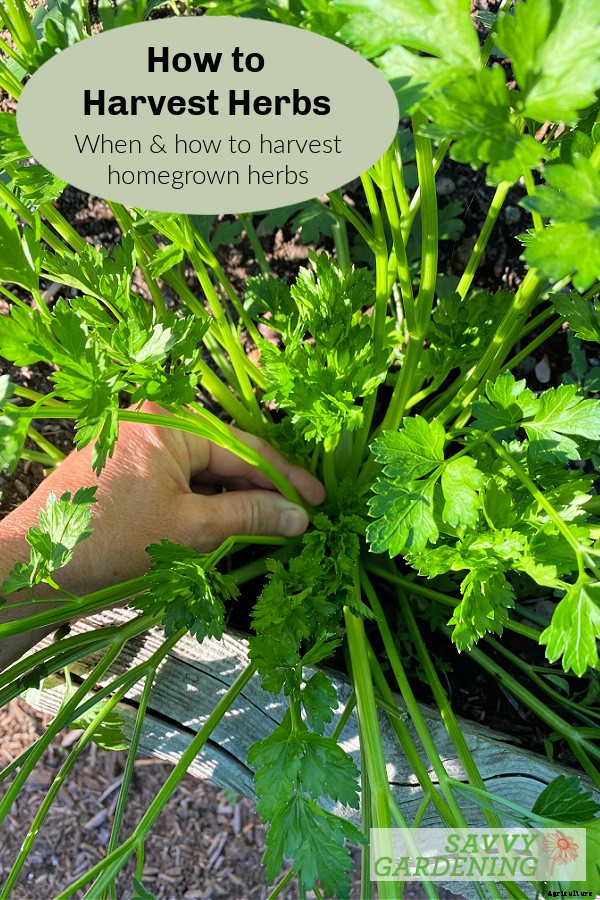
Growing culinary herbs like basil, thyme, rosemary, and parsley is essential if you’re a gardener who loves to cook. Most herbs are easy to grow in garden beds and containers and can be harvested throughout the summer months. Harvesting herbs isn’t difficult; it’s just a matter of knowing when to harvest to preserve maximum flavor and how to harvest to encourage fresh growth. Keep reading to find out more about how to harvest herbs.
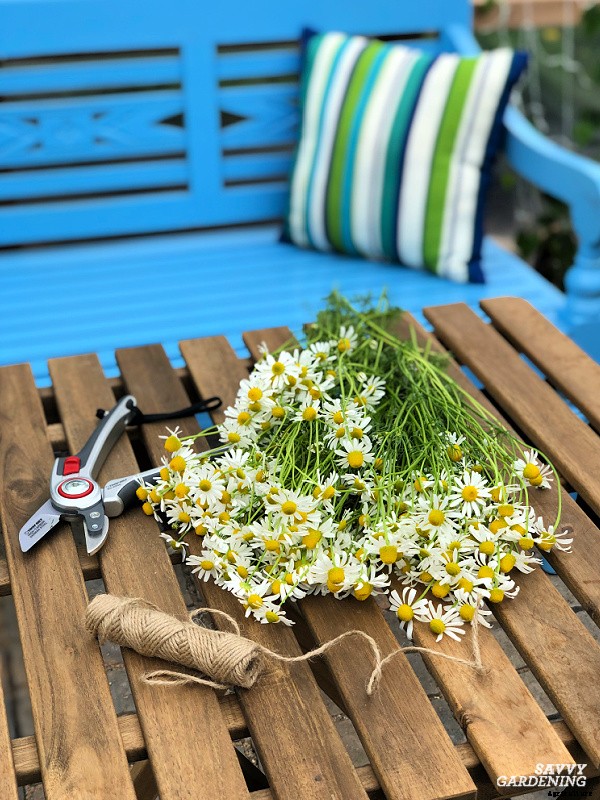
When learning how to harvest herbs it’s important to think about the part of the plant you’re going to harvest. For culinary herbs, there are typically three parts we harvest – the leaves, the flowers, or the seeds. Some herbs like cilantro/coriander and chives are harvested for multiple edible parts.
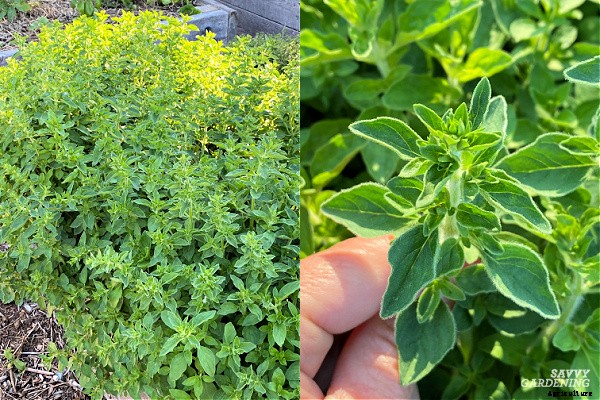
To maximize flavor from your herbs, especially if you’re planning to dry or freeze them you’ll want to harvest when they have the highest levels of essential oils. This means harvesting at the right time of year and the right time of day.
Time of year – When I first started growing herbs like basil and oregano, I would wait until the end of summer and mass harvest the plants for drying. Now I know that by the end of summer the plants are tired and most of the flavor is gone. Instead it’s best to cut herbs when the oils responsible for the flavors are at their highest levels. For foliage herbs like basil or oregano that’s just before the plants flower. With flowering herbs like chamomile, that’s when the blooms just open. Harvest herbs grown for their seeds like coriander, when the seeds have matured and dried. If you’re not growing herbs to dry or freeze, but just wish to have a steady supply for summer cooking, it’s fine to harvest whenever you need a burst of flavor.
Time of day – It’s not just time of year that you need to consider. It’s also important to harvest herbs at the right time of day. Herbs have more flavor early in the day before the heat from the sun dissipates their oils. Plan on clipping herbs in the morning once the dew has evaporated. This is particularly important if you plan to dry or dehydrate the leaves, flowers, or seeds. If you’re just grabbing a handful of basil to sprinkle over your pasta it’s fine to harvest as needed.
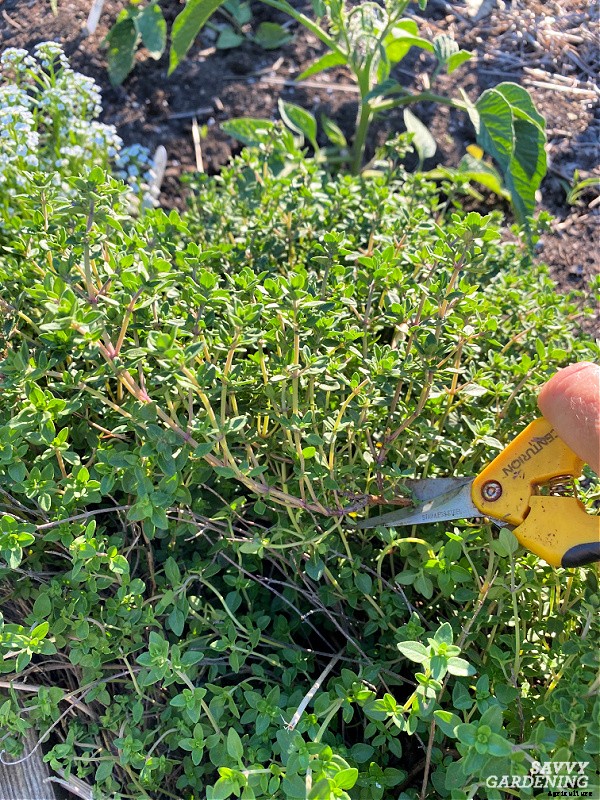
You don’t need special equipment to gather herbs from your gardens and containers. There are three tools I reach for when it’s time to harvest from my herbs: my fingertips, herb snips, and hand pruners.
Always use clean tools to harvest herbs. Wipe the blades in between cutting different types of herbs and sharpen them regularly. To learn more about caring for hand pruners, check out this article by Garden Gate magazine.
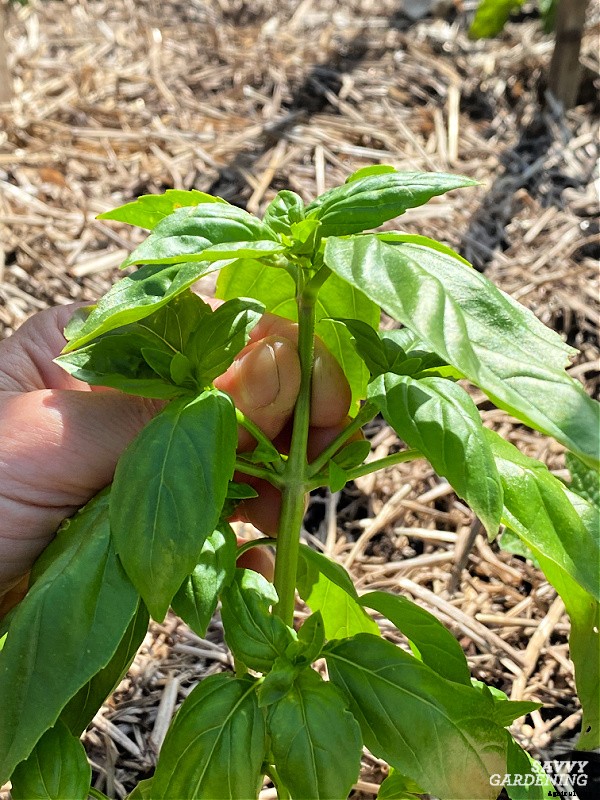
The plants of culinary herbs may form branching plants with a main stem and side branches (basil, oregano) or have leaves that emerge right from the ground (chives and parsley). To harvest from branching herbs, clip in a way that simulates new growth. This typically means pinching or cutting back to a fresh set of leaves. It’s also beneficial to harvest often from branching herbs. New gardeners may be shy about using their herbs, but regular trimming prevents leggy growth and encourages well-branched plants.
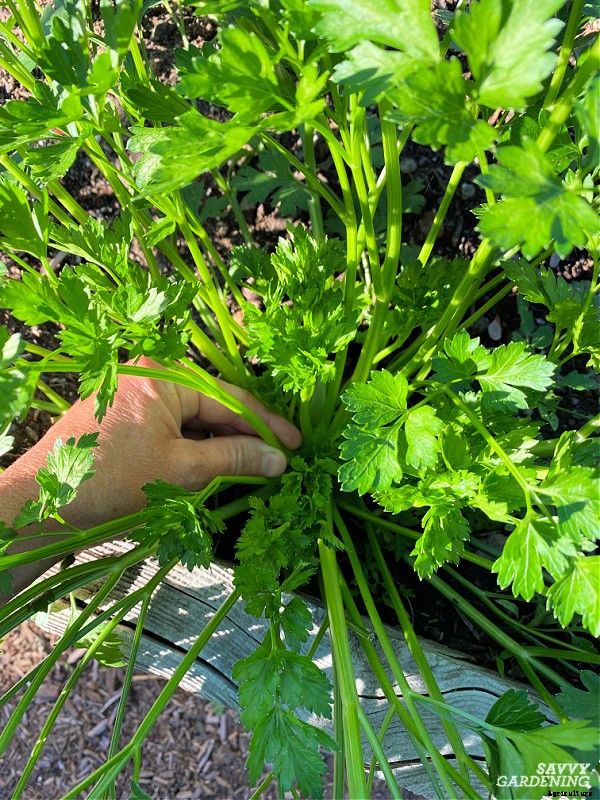
To harvest from herbs with leaves or stalks that emerge from the centre of the plant you can snip them down to the soil. Plants that grow straight from the ground include chives and curly and Italian parsley. If gathering from several types of herbs or harvesting a large amount of any one herb, I find it helpful to bring a basket or garden trug into the garden with me.
I also use my fingers or herb snips to pinch off flower buds that appear on herbs grown for leaf production. This sends a signal to the plant to keep producing leaves and extends the high-quality harvest season. This works for herbs like basil, mint, and oregano.
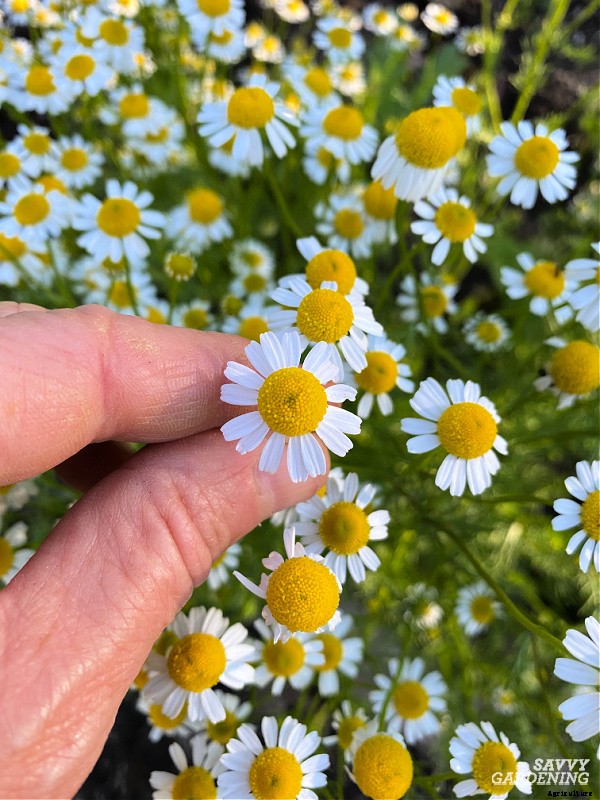
Many herbs are harvested for their aromatic or flavorful flowers. My favorites include German chamomile, chives, borage, calendula, and lavender. The general rule of thumb when gathering herbs for the flowers is to harvest when the flowers are almost opened or have just opened, depending on the type of herb.
For lavender, harvest before the blossoms open and cut the stalks where they emerge from the plant. For flowering herbs like chives, chamomile, or calendula, pinch or clip off the flowers as they open removing the entire flower head. I love growing chamomile for fresh and dried tea and when the plants bloom in early summer I harvest about 90% of the flowers. I leave some of the blooms to mature on the plant so they can self-sow the following year.
Herbs like coriander, anise, and dill are harvested for their seeds which are used as spices in the kitchen. They’re gathered when the seed heads have dried and turned brown, although dill can also be harvested in the green seed stage an ingredient in pickling. Once the seed heads have turned brown, I use herb snips or hand pruners to clip them into paper bags. Label the bags and leave them to dry further in a warm, well-ventilated spot. After seven to ten days the seeds can be separated from the chaff and stored in glass jars or containers.
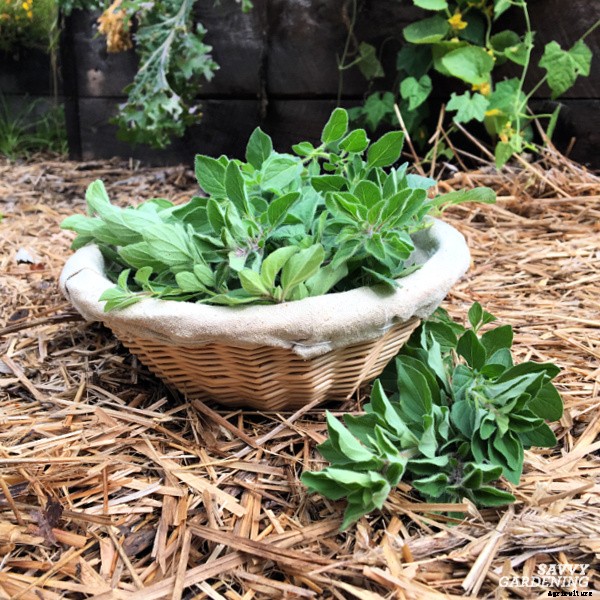
Wondering when you can start to harvest from your basil or parsley plants? Check out this list of 12 essential culinary herbs below for tips on timing and harvesting.
Another consideration when learning how to harvest herbs is how much you can harvest at once. The general rule is to remove no more than one-third of the plant at any one time. For perennial herbs like oregano and mint I will shear the plants back hard removing about 50% of the stems just before they flower. This gives me plenty of leaves to dry for winter but the plants also produce a flush of fresh, flavorful growth for future harvests.
Gather only healthy, disease-free foliage and flowers. Avoid spraying herbs with pesticides, organic or inorganic. I also like to give my freshly cut bundles of herbs a good shake before bringing them indoors. This helps dislodge any insects that may be on the plants.
I love using my bounty of homegrown herbs daily from late spring through frost in my cooking. I pinch and snip stems and sprigs as needed, but I also harvest large quantities for drying or freezing. You can hang herbs in small bundles to dry, dry individual leaves (this works well for herbs like mint), or dry the foliage or flowers in a dehydrator. Herbs like chamomile, mint, Greek oregano, and thyme respond well to drying.
For herbs like basil, chives, and parsley I prefer to freeze my harvest as it preserves their flavor better than drying. To freeze rinse and chop the herbs. Place the chopped herbs in ice cube trays or herb trays. Add a bit of water or olive oil and freeze. Once frozen, you can pop the herbal ‘ice cubes’ out of the trays and store in labelled freezer bags. Use them to add a burst of summer flavor to winter pastas, soups, and other dishes.
For more information on growing and harvesting herbs, be sure to check out the following articles: