Welcome to Modern Agriculture!

Basil is among the most popular of the culinary herbs, prized for its complex clove-like flavor that is both sweet and peppery. I grow many types of basil, in both garden beds and containers, but for ease of cultivation and flavor, it’s hard to beat sweet basil (Ocimum basilicum). Growing basil is easy when you give it plenty of sun and well-drained soil. And, there’s no better way to elevate your summer salads and pastas than with handfuls of fresh, chopped basil.
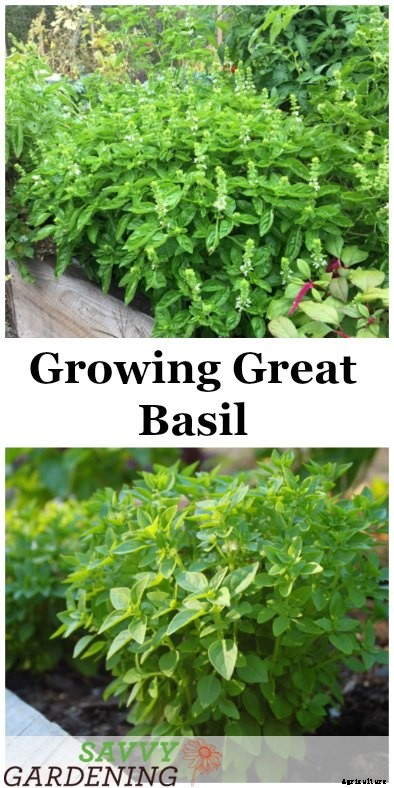
Buying fresh sprigs of basil at the grocery store is expensive and it makes sense for basil lovers to grow their own during the summer months. For an average family of four, two to three basil plants should be enough. But, if you also wish to make several batches of pesto for the freezer, and I know that I certainly need my winter supply of pesto, I’d suggest planting at least eight to ten plants. My favorite variety for pesto is Basil Dolce Fresca, an All-America Selections winner that forms compact plants with super dense growth (see my main picture above) – outstanding!
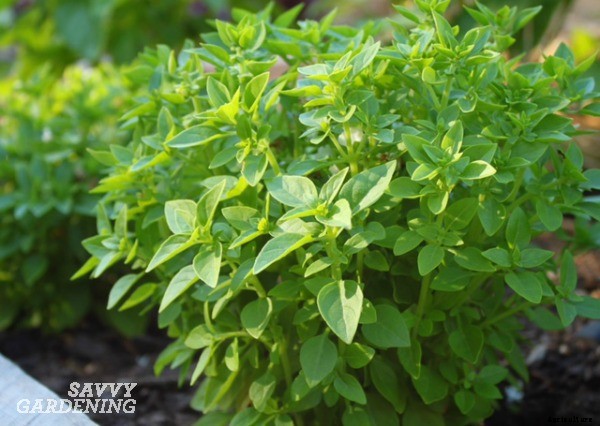
Many gardeners struggle to grow basil, and the question, “Why can’t I grow basil?” is one that I hear all the time. Growing basil is easy to grow IF you give it what it likes; sun, heat, regular moisture, and well-drained soil.
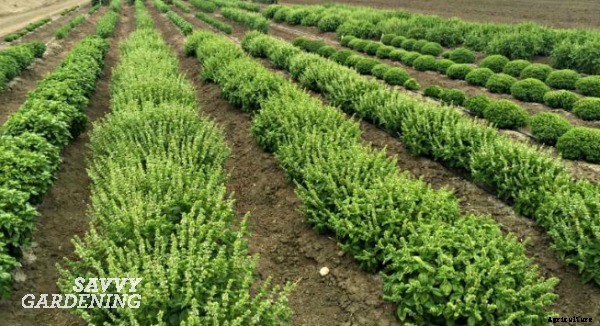
Basil can be grown in garden beds or containers from seeds or transplants. In my northern garden, growing basil directly from seed sown outdoors is slow, so I start my basil seeds indoors about 8 weeks before the last expected spring frost or buy transplants from my local nursery.
Don’t be shy about harvesting from your basil plants; the more you pick, the more the plants will grow. When harvesting, don’t just pluck off the leaves. Instead, pinch the stems back to a pair of leaves. Once the stem has been removed, that pair of leaves will quickly push out fresh growth.
Harvest basil when you are ready to use it. Clipped basil can be kept in a glass of water in the fridge for a few days, but the flavor and leaf texture will decline. I also like to make several batches of pesto in mid to late summer to provide that summer basil flavor to winter dishes. I freeze my homemade pesto in ice cube trays or herb trays.
There is a wonderful range of basils that you’ll find at your local garden centers and nurseries. Here are a few of my favorite types.
Genovese Basil (O basilicum)- This is the classic pesto basil with large, deep green, puckered leaves. Most types of Genovese basil will grow 2 to 3 feet tall.
Lemon Basil (O x citriodorum) – This fragrant basil boasts a citrus kick that adds flavor to fruit salads, marinades, salads, and pasta. I also like to use fresh clipped lemon basil in my homemade herbal teas. Just pinch, steep, and drink. Yum!
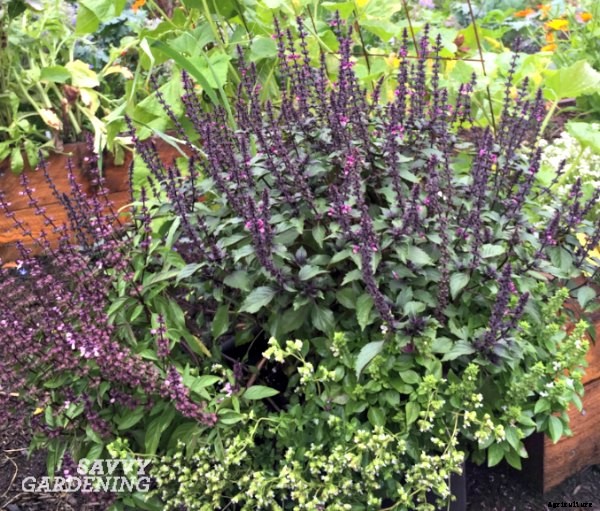
Thai basil (O x var thyrsiflora) – Thai basil is very ornamental with dark green, purple-tinged foliage and deep purple flower spikes. The plants grow around 18-inches tall with leaves that have a delicious licorice-clove flavor, which pairs well in stir-fries, curry, and meat dishes.
Spicy Globe (O basilicum ‘Spicy Globe’) – I fell in love with this compact variety many years ago and still grow it in my garden beds every summer. The plants form attractive rounded mounds of tiny-leaves – no chopping required before they’re added to salads and pasta.
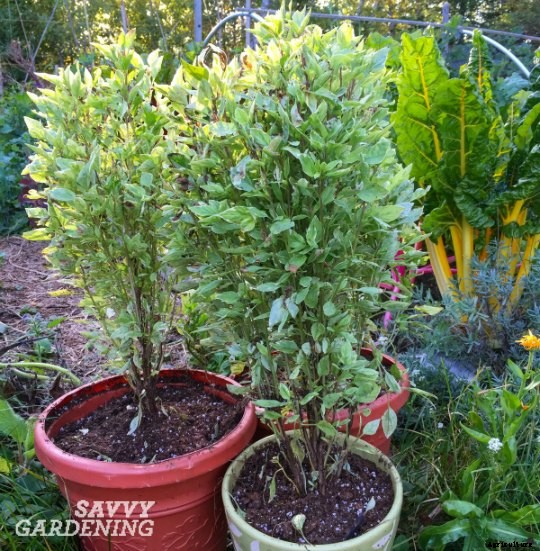
Pesto Perpetuo (O x citriodorum ‘Pesto Perpetuo’) – If you love growing basil, you’ll need to try Pesto Perpetuo. It’s a standout in the garden! It offers exceptional flavor, variegated leaves, and an unusual columnar form. It’s a natural genetic sport and only available as plants, not seeds, but if you can source the plants, it’s definitely worth growing in beds and containers. Each plant can grow three to four feet tall, but stays just a foot wide. The stunning green and cream edged leaves are both visually stunning and richly flavored. Plus, the plants are sterile, which means they don’t flower and flavor quality remains high until the fall frost.
For more information on growing basil and other culinary herbs, check out these posts:
Are you growing basil in your garden?