
Welcome to Modern Agriculture!

Instead of pondering just how many pecks Peter Piper could pick, here’s a much more enjoyable way to spend your time:
Figure out which variety of pickling cucumber would be best to grow in your garden.
That will lead to you doing the picking, and then the pickling, and that’s a really fun prospect.
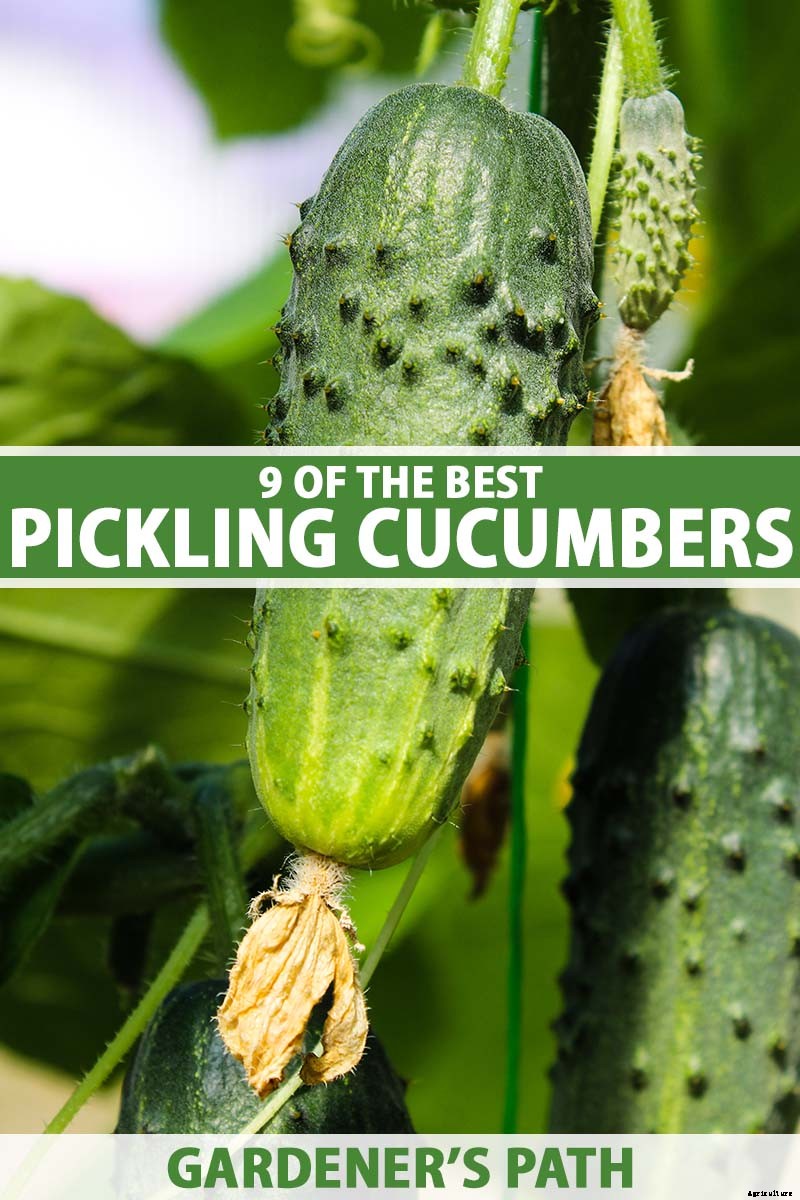
You won’t have to get your tongue in a twist, nor will you need to stress, with this handy list. It details the most desirable pickling cucumber plants to grow in your garden, including helpful tips for the ones that are best for growing in containers, trellising, disease resistance, and so forth.
All you need to do is enjoy reading, and then make a choice – or two!
You’ll be prying open the seed packets pronto, with a bumper crop to follow in 40 to 85 days.
Before you get to the short list, though,I’d like to fill you in on what makes certain varieties pickling cucumbers instead of slicer, English, or some other type.
You can actually make a version of refrigerator pickle or relish from any kind of cuke, if you’re willing to peel and perhaps seed them first.
But this compilation focuses only on the Cucumis sativus cultivars that were passed down as heirlooms or bred as hybrids because their fruits are ideal for pickling.
The cucumbers mature at one and a half to five inches long, for example, the perfect range of sizes for gherkin pickles, or those pre-cut into sandwich slices or spears.
They’re also blockier than slicing types, which is intentional. The flatter sides and blunt ends allow them to fit easily into pickle jars with less wasted space.
The fruits also have bumpy skin that stays crisp after water-bath canning or becoming freezer pickles.
Note that pickling cucumber plants can be vining, bush, or dwarf varieties. You can grow them in containers, let them sprawl along the ground, or – my preferred method – grow them on a trellis or fence where they’re easy to care for and pick.
First, though, let’s make some introductions. Here are the top varieties I’ll present:
This one dates back to 1877, but is as fast-maturing as some of the more recent hybrids.
It produces sweet, tender fruits with black spines that are ready to harvest 55 days from sowing.
Keep it picked and this plant will keep you supplied with enough bright green, blunt-end fruits for all the pickles you could desire.
This is the one my sister Cathy grew when she lived in Boston, and it produced so generously that the neighbors stopped answering the door when they saw she had bags of extras with her.
But the output’s not a problem if you’re a dedicated gardener and artisanal pickler. These have such few seeds and are so crisp you can use them in sushi, gazpacho, and other recipes where you’d typically employ thin-skinned or Asian cucumbers as well.
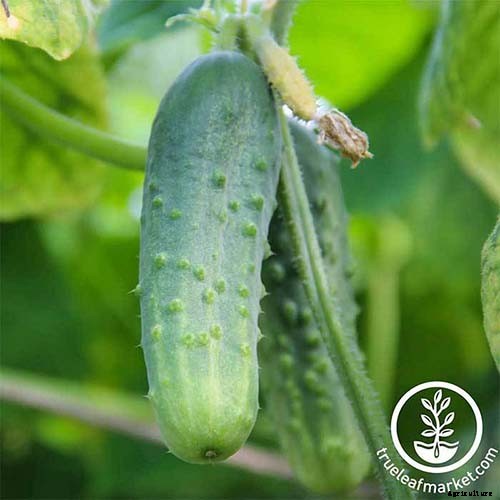
‘Boston Pickling’
If you’re a small family or not intending to preserve the harvest for the long haul, I’d suggest growing just a few ‘Boston Pickling’ plants at a time.
They mature so quickly you can plant for a second harvest to coincide with late summer or even early fall. Just remember that they’ll grow and flower a little less enthusiastically in cooler air and soil temperatures.
‘Boston Pickling’ seeds are available in a variety of package sizes, from True Leaf Market.
The Boothby family of Livermore, Maine, gave the world these petite heirloom cucumbers generations back.
The fruits have a creamy, off-white skin with black spines, giving them a salt and pepper appearance. They mature 55 to 65 days from sowing.
Harvest them at four inches to use in home canning projects. They’ll still taste great for fresh eating when they’re up to seven inches long, and don’t usually need peeling.
Though the vines produced by this type can grow more than six feet long, the plants do well in containers.
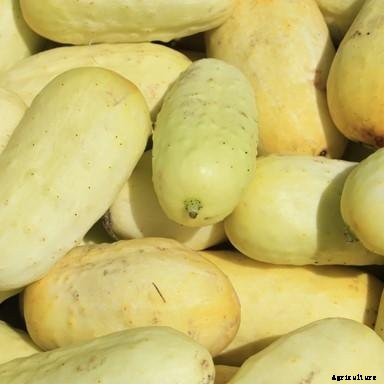
‘Boothby’s Blond’
The harvest is perfect for bread and butter pickles. Their crisp, tender flesh absorbs both the sweetness and the spice in that much-loved recipe.
These are heirlooms, so they’re not as disease-resistant as some. To grow them, make sure they have plenty of space available between the plants, and support them on trellises.
They need good air circulation to fend off powdery mildew, a common ailment for this variety.
‘Boothyby’s Blond’ seeds are available from Palm Beach Medicinal Herbs via Amazon.
Got a lot of big jars to fill? This vining heirloom, introduced by the Joseph Harris Company in Coldwater, New York, is here for that.
The plants produce early, yielding four- to five-inch fruits just 52 days from sowing.
And they are relentless. They’re known for producing two fruits at a time at many of the leaf joints, and if you keep them picked, they’ll produce over a long period of time.
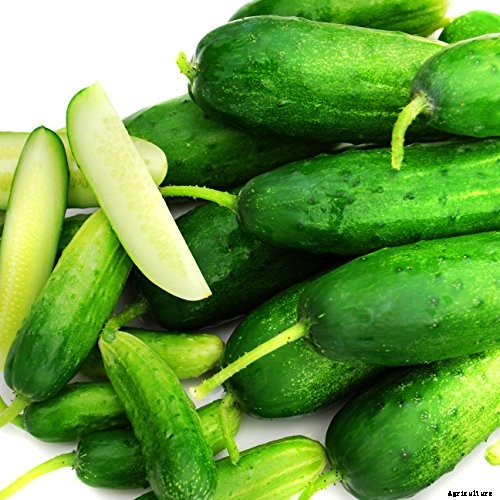
‘Double Yield’
The slender cucumbers have small black spines and a dark green skin that retains its color a good while after harvest.
If you’d like to kick off the canning and freezer pickle season as soon as possible, this could be a good match for you.
‘Double Yield’ seeds are available in 250- and 1,000-seed packets from Garden Trends via Amazon.
This Burpee exclusive hybrid grows to just 12 to 15 inches high and spreads 35 tp 40 inches, making it a natural choice for container gardening.
But don’t think that space saving quality will compromise the yield. If you can keep the plants picked and watered, they’ll repay you with up to 55 fruits each over the harvest season.
That’s a lot of relish and hot or sweet pickle ingredients!
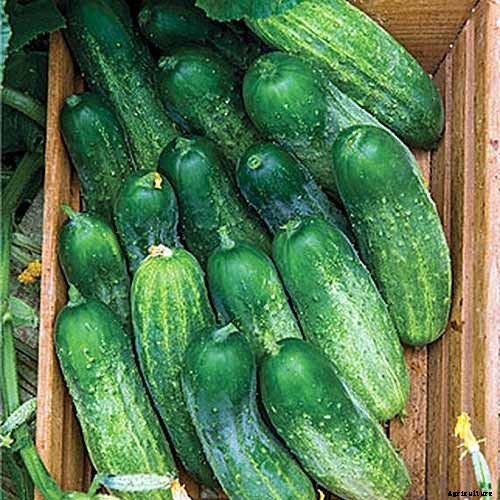
‘Fresh Pickles’
Or you can pluck the three-inch fruits off the plants and consume them on the spot while you’re grilling on the patio, like I do. They have the same crisp crunch pickled or fresh.
And heads up to gardeners in humid growing areas: This plant resists downy mildew like a champ.
‘Fresh Pickles’ seeds are available in 20-seed packets at Burpee.
Another high-yield variety, ‘Homemade Pickles’ delivers pretty quickly, about 55 days from sowing.
For those interested in making gherkin pickles, this is a solid choice.
The fruits are a medium green color and have a great texture, crispy and sweet, as long as you harvest them when they are between one and a half and six inches long.
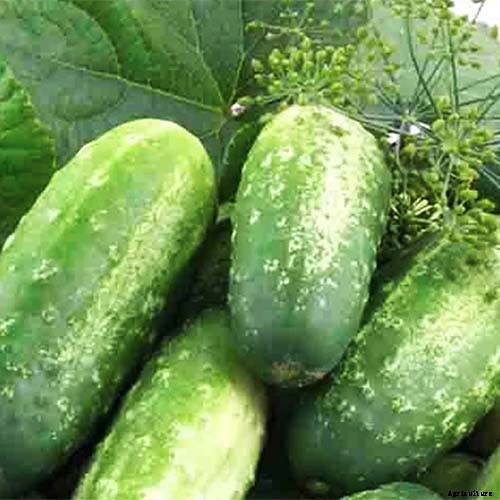
‘Homemade Pickles’
Another advantage you might be looking for: This cultivar produces vines just four or five feet long, ideal for small-space and container gardening.
It’s also quite tough, resistant to angular leaf spot, cucumber mosaic virus, and powdery mildew, among other diseases.
‘Homemade Pickles’ is available in one-and-a-half-gram seed packets from Botanical Interests, and as live baby plants from Ferry Morse via Walmart.
At a glance, ‘Honey Plus’ might look too smooth-skinned for pickles, but it actually holds up to the brine and heat quite well.
The skins have a distinctive color, very light gold to super-pale green. It’s appealing paired with white vinegar and colorful red peppers in a clear jar.
One recommendation though: pick the fruits at three to four inches if you’re going to can or freeze them. Any bigger and the texture isn’t as crisp.
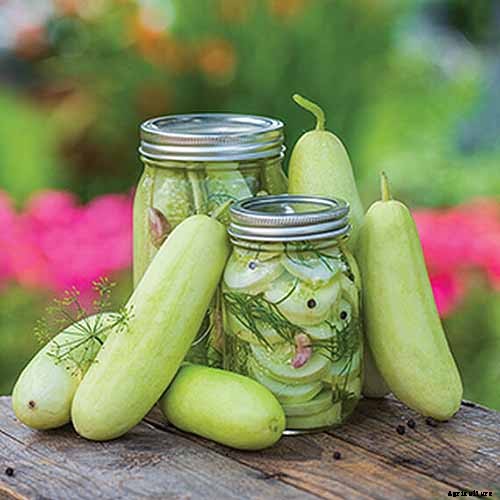
‘Honey Plus’
To me, the most alluring aspect of this cultivar is its race to the finish. Just 40 days from sowing, the fruits start maturing. Each plant can yield more than 20.
‘Honey Plus’ is available in 30-seed packets from Burpee.
If sweet and crunchy immature cucumbers are a go-to snack for you or your kids, this open-pollinated variety will be a welcome addition to your vegetable plot.
It’s compact, with vines that grow to just three feet long, which means staking is optional.
And the creamy skin on the fruits makes them easy to see at harvest time.
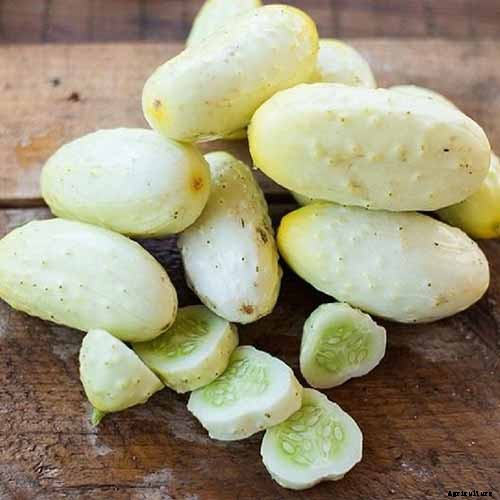
‘Miniature White’
When you’ve had enough for fresh eating, the rest are just the right size to make extra-crispy three-inch dills.
‘Miniature White’ seeds are available in a variety of packet sizes from Eden Brothers.
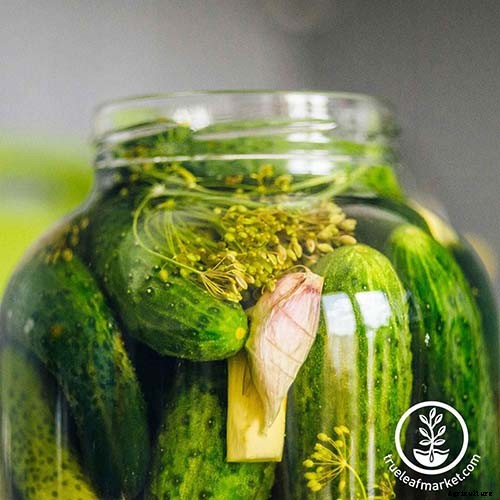
My Deisinger forbears may be the reason I’m so fond of ‘Rhinish Pickle’ cucumbers, which also go by the name ‘Vorgebirdstauben.’
They’re an early-season German heirloom that matures in 55 days.
In Europe, they harvest ‘Rhinish Pickle’ fruits at three or four inches, and use them to make those little sour pickles that are so tasty on charcuterie boards and alongside hearty sandwiches.
‘Rhinish Pickle’
They’re crunchy and sweet straight off the vine, too. Just don’t let them grow bigger than about five inches, or the fruits get a bit softer and the seeds a bit bigger.
‘Rhinish Pickle’ seeds are available in a variety of packet sizes at True Leaf Market.
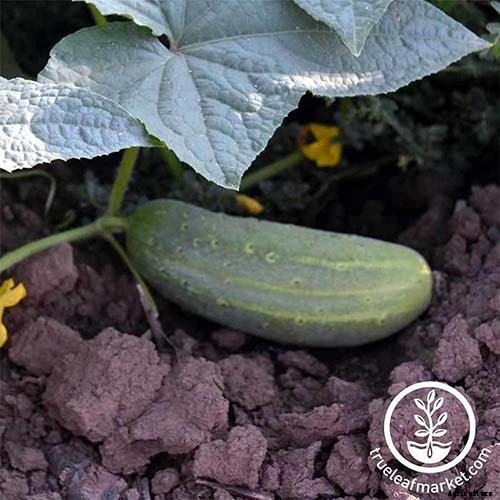
This variety was developed at the University of Wisconsin, with vines that produce mature fruit 55 to 60 days from sowing.
The yields are massive. ‘Wisconsin FMR 58’ cucumbers have filled many a Midwestern larder with an array of pickles for the lean months of winter.
The fruits are a little different than those of typical varieties. Green with black spines, they grow six inches long, two and a half inches wide, and taper at the end a bit.
‘Wisconsin FMR 58’
I’d recommend a trellis or fence to support these vines, to help keep those longer fruits growing straight, not curving.
If you’re looking for a good disease package, this cultivar is resistant to scab and cucumber mosaic virus.
‘Wisconsin SMR 58’ seeds are available in various package sizes at True Leaf Market.
One of the things I like best about growing these particular vegetables is that they’re central to my canning recipes, but we can also enjoy the yield all season long in salads and with dips.
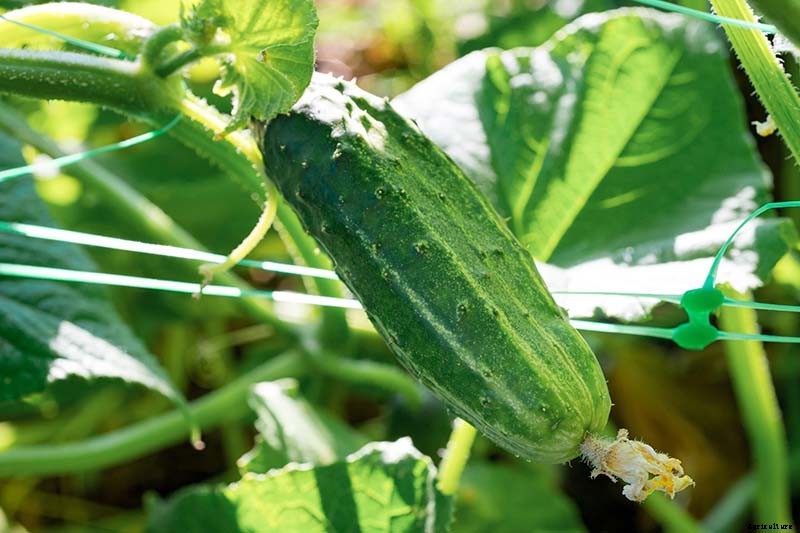
I also love selecting a new one to grow in my raised beds every year or two. Variety is the spice of the veggie patch!
What about you? Do you have experience with any of the cultivars mentioned here, or any favorites that didn’t make my list?
We’d love to get your thoughts and questions into the mix in the comments section, which you’ll find below.
And if you’re on a quest to grow a bumper crop of these home garden favorites, for pickling or fresh eating, read these cucumber guides next:


