
Welcome to Modern Agriculture!

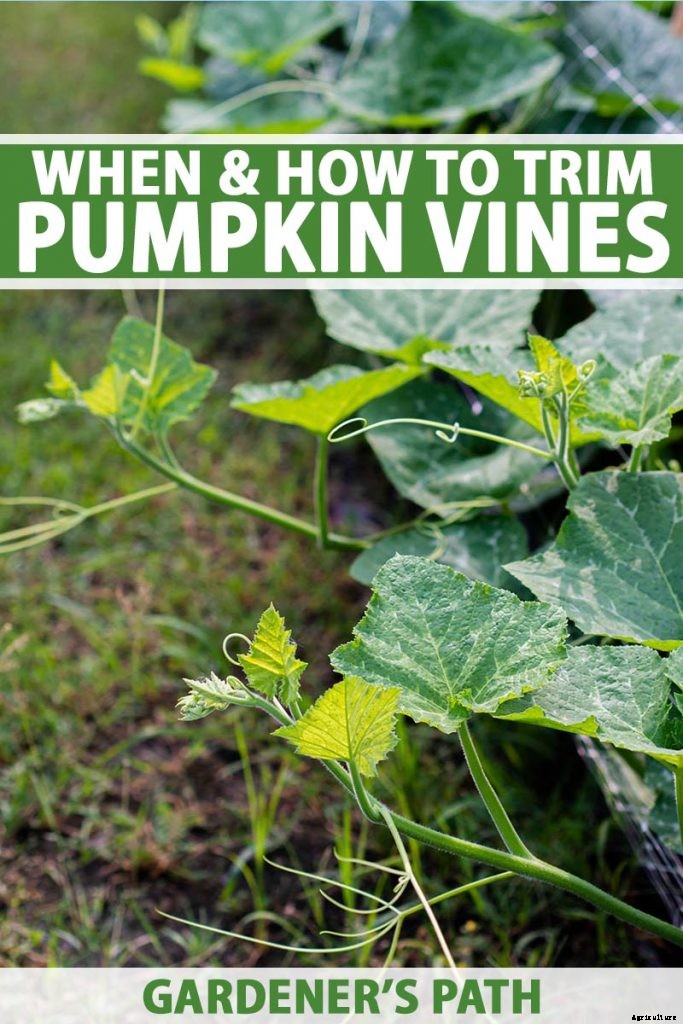
Back when I first started gardening, I thought leaving a pumpkin vine to grow every which way was the only way to keep it alive and well.
Turns out, this isn’t necessarily true.
While it’s not absolutely necessary to trim the vines, doing so can encourage a more abundant harvest, and larger pumpkins.
The main reasons why gardeners trim their pumpkin plants are to prevent them from choking out other plants in the garden, for ease of maintenance, and to increase airflow between the leaves, which can help to prevent disease.
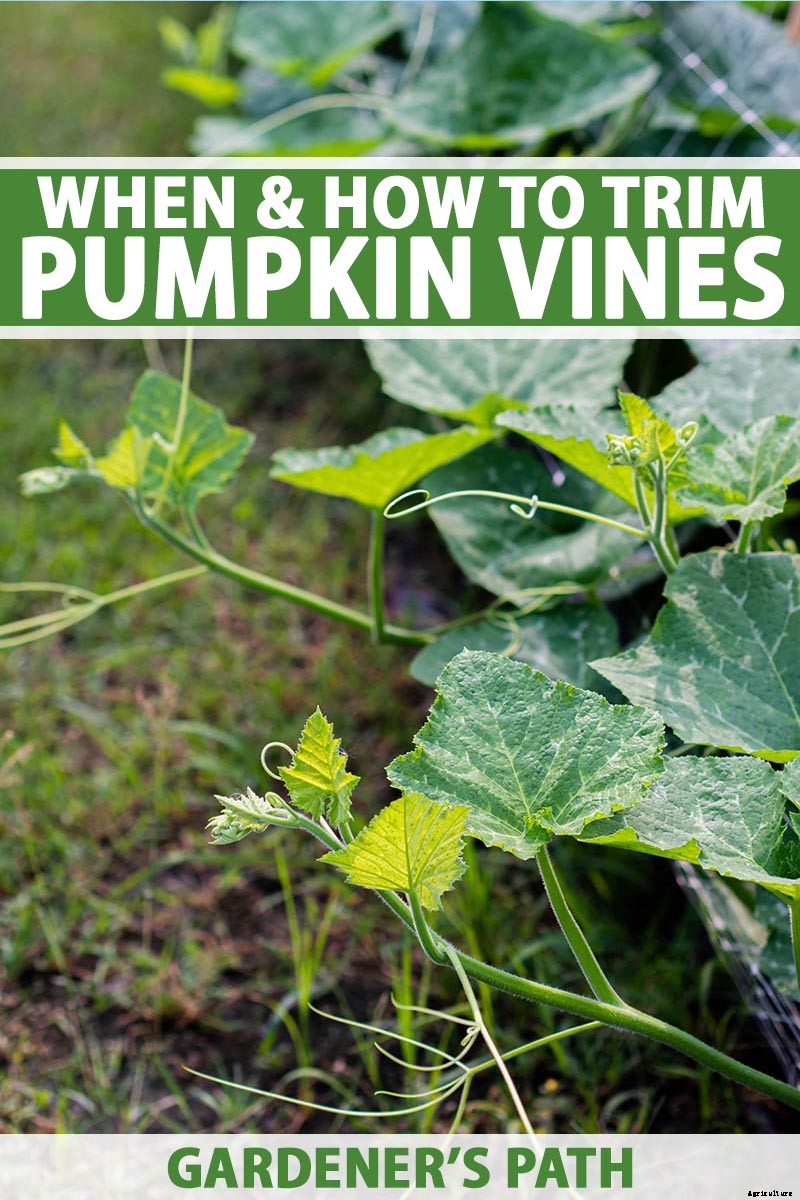
Additionally, by sacrificing some of the younger fruit, it allows the plant to put all its energy into developing the remaining pumpkins.
If you’re growing pumpkins – which you can learn more about in our growing guide – you’ll need to know how to manage them.
Here’s what you’ll discover:
Before we get into the nitty-gritty of when and how to trim your pumpkin plant, here are a few things to know about their growth habits.
First, there’s the main vine, which is the one directly attached to the roots that grows out of the ground. It’s the thickest one you’ll see when you inspect your plant.
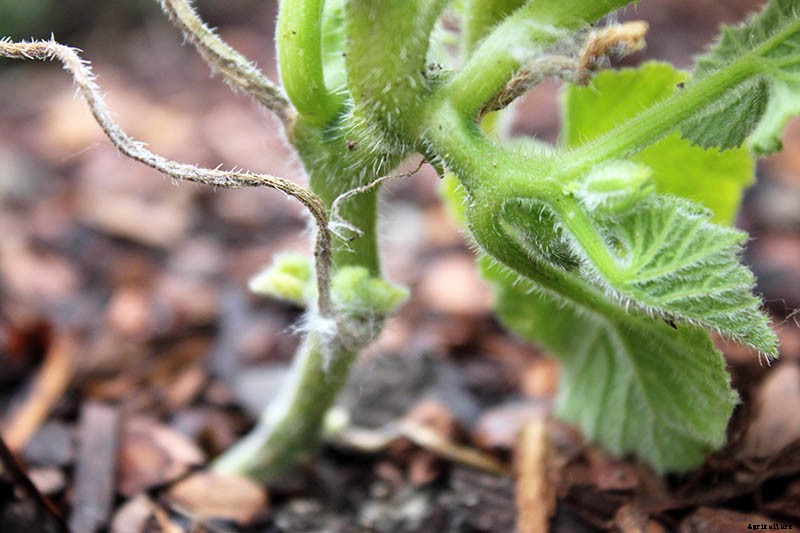
Growing from the main vine are secondary vine called “runners,” which produce secondary roots if left to grow uninterrupted.
You can also encourage growth of secondary roots by burying the stem, as you’ll see below. These runners can, in turn, produce additional runners known as tertiaries.
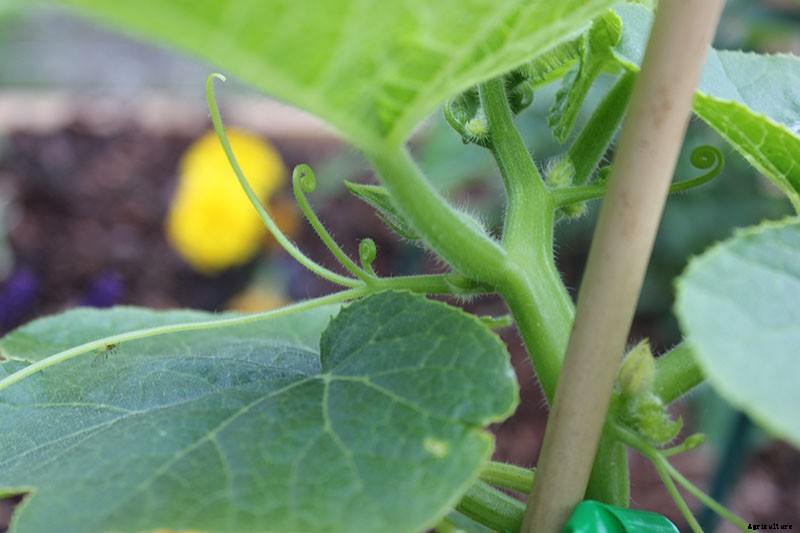
Leaves and blooms – and therefore fruits – can grow from any of these vines. However, it is best to remove any tertiary runners as soon as you notice them, to avoid diverting nutrients from the main and secondary vines.
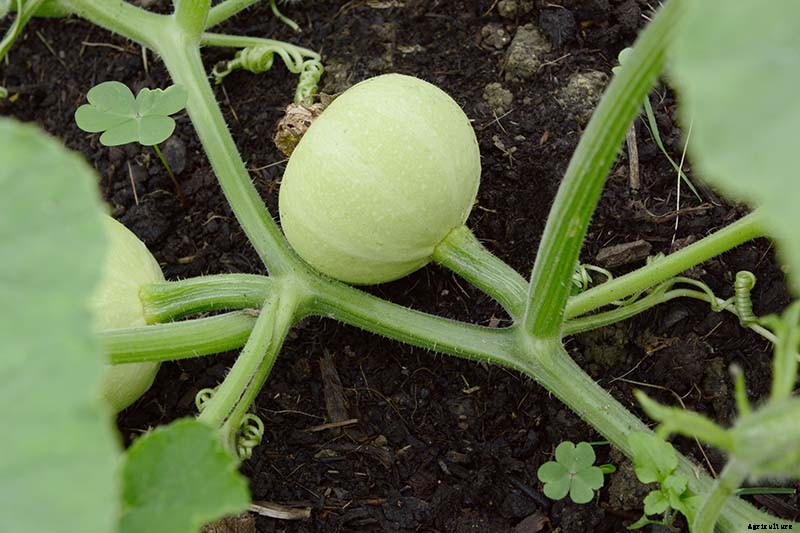
It can be confusing to sort out which is which, but it’s worth taking the time to familiarize yourself with your plant so that when the time comes to trim, you’ll know what you’re looking at.
Before you do any trimming, wait until they are at least 10-15 feet long. Ideally, you should try to hold off until you’ve got two to five established fruits growing for larger varieties, or about 10-12 little gourds on smaller cultivars.
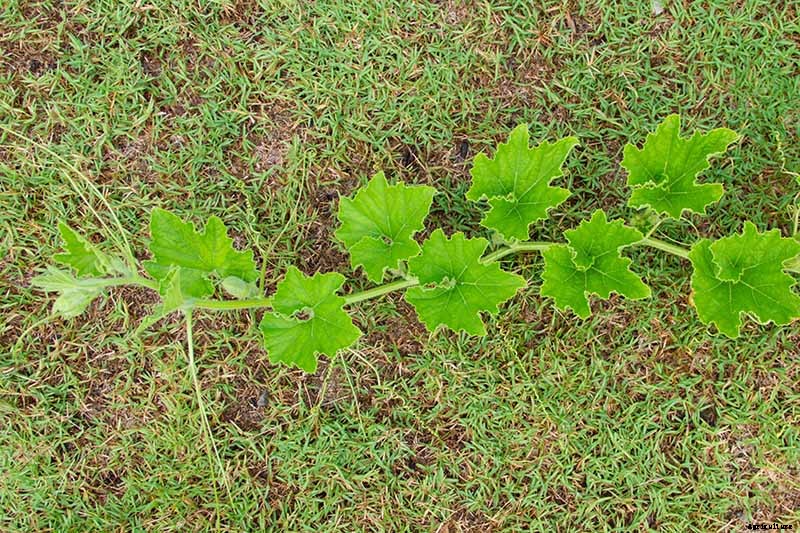
Earlier this year when I was growing tomatoes, I noticed a leaf spot starting to develop on the lower leaves of the plant.
Panicking, I researched what I should do to keep the plant healthy. It turned out it was a fungal infection, and happily, the answer was easy: trim away affected leaves and prune the lower portion of the plant to remove the leaves.
That way, water splashing up from infected soil won’t cause the fungus to reinfect new lower leaves.
It worked, and my tomatoes are thriving. But my young pumpkin leaves soon developed a few small whitish spots on the edges, and I panicked yet again.
This time, without doing any additional research first, I trimmed a few leaves back when the stem was barely a foot long.
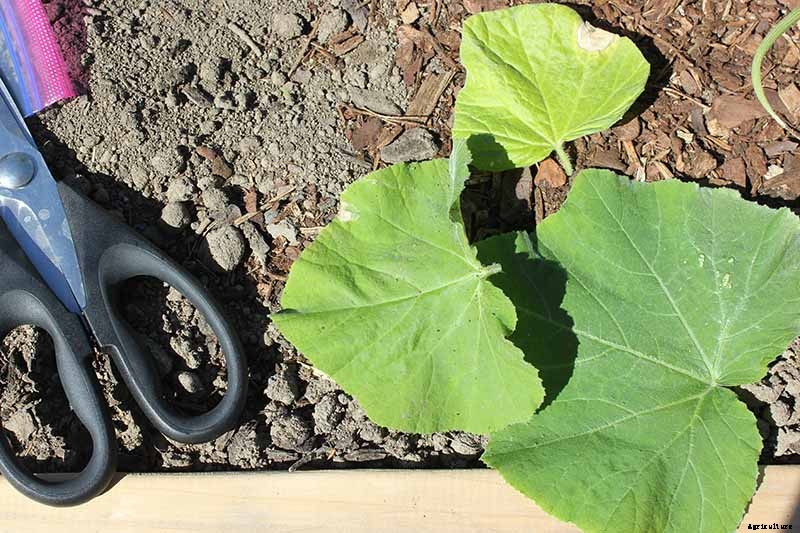
I’m not sure what the spots were, and the plants seem fine now. But they’re growing more slowly than they probably would have if I hadn’t recklessly removed the leaves, disrupting their early growth.
Here are a few additional guidelines for when to trim:
It’s really that easy.
Now, let’s talk about how to trim your pumpkin plants.
Equipment-wise, all you’ll need for pruning is a pair of gardening gloves, some pruning shears, and a tape measure.
To trim the main vine, measure 10-15 feet from the center of the plant where it grows out of the ground. If there’s an established fruit growing at that point and you want to keep it, don’t cut yet!
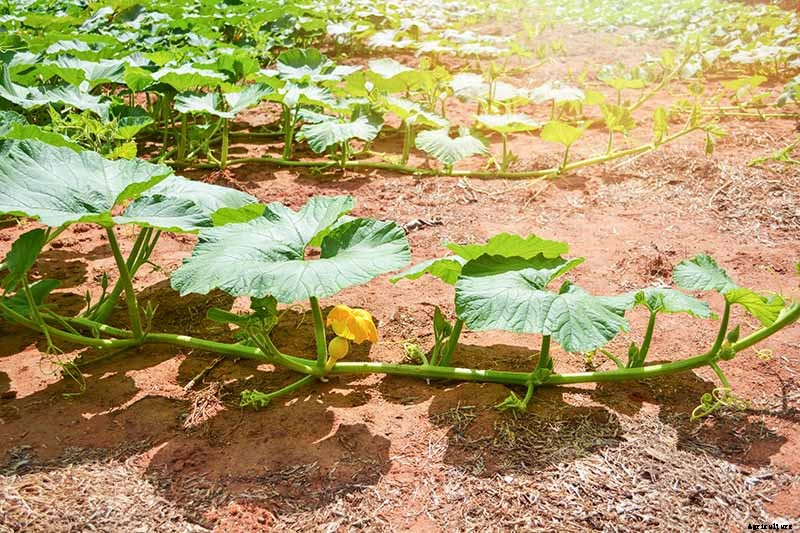
Instead, measure another five or so feet past the last healthy fruit and make your cut there.
However, if the fruit is soft or it’s the sixth or seventh gourd on the plant, including those growing on the secondary runners, cutting it off can help your plant focus its energy on the other five squashes.
This means bigger, tastier, prettier pumpkins for you.
To prune secondary runners, measure about 10 feet from where the runner shoots off the main stem and trim it there.
Because they divert nutrients and energy from the main and secondary vines, it’s a good idea to trim tertiaries as soon as you see them.
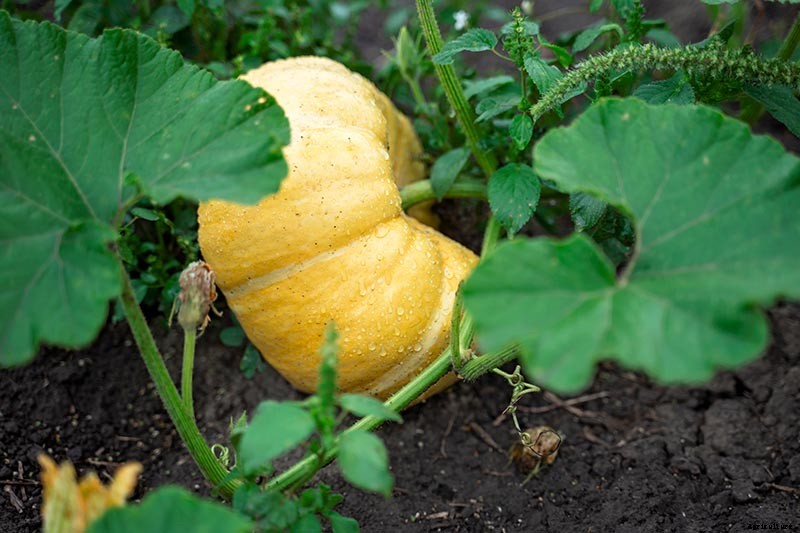
After you make a cut, bury the severed tip an inch or two deep in the soil and cover it with mulch.
This will help to prevent the plant from drying out, and it’ll also make it harder for pests to invade or disease to take hold.
Plus, if you keep the soil moist, it should develop a secondary root system where it was cut, resulting in more nutrition for your growing gourds.
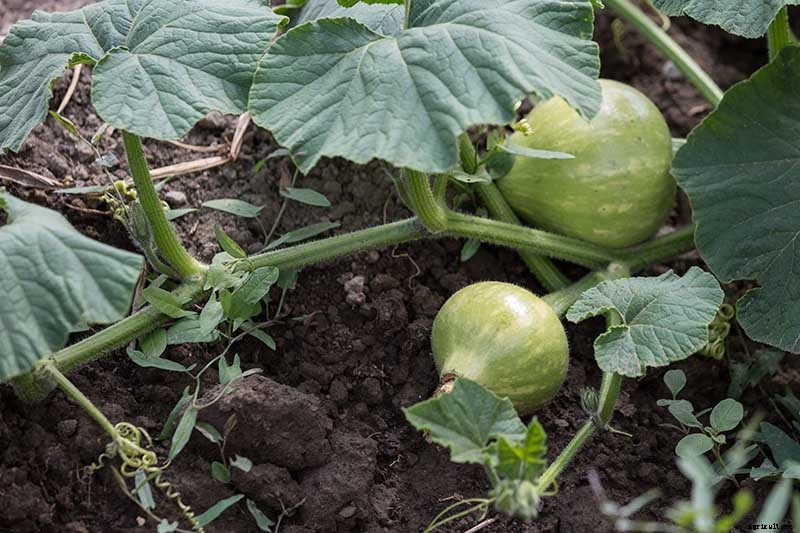
By keeping the plant trimmed and neat, you’ll encourage it to grow strong, healthy squash. And isn’t that the ultimate goal of any pumpkin grower?
You don’t have to prune your pumpkin plants. You’ll still get some fruits, even if you let them run wild.
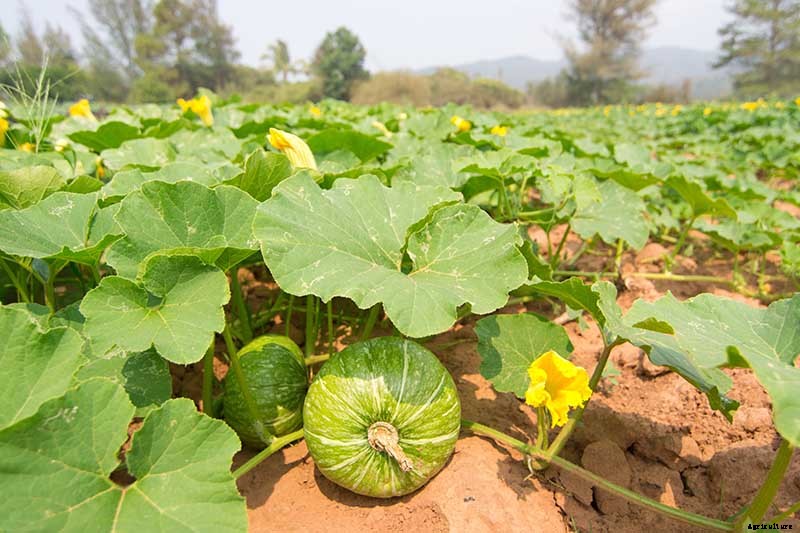
But it’ll be like letting a toddler’s curly mop of hair grow and grow without brushing or trimming it to keep it healthy.
(Am I speaking from personal experience? Maybe. Just maybe…)
A pruned pumpkin patch is a happy one, so don’t be afraid to pull out those pruning shears and get to work.
Have you ever trimmed your pumpkin plants? Let us know in the comments below!
And for more information about growing pumpkins in your vegetable garden, check out these guides next:


