
Welcome to Modern Agriculture!

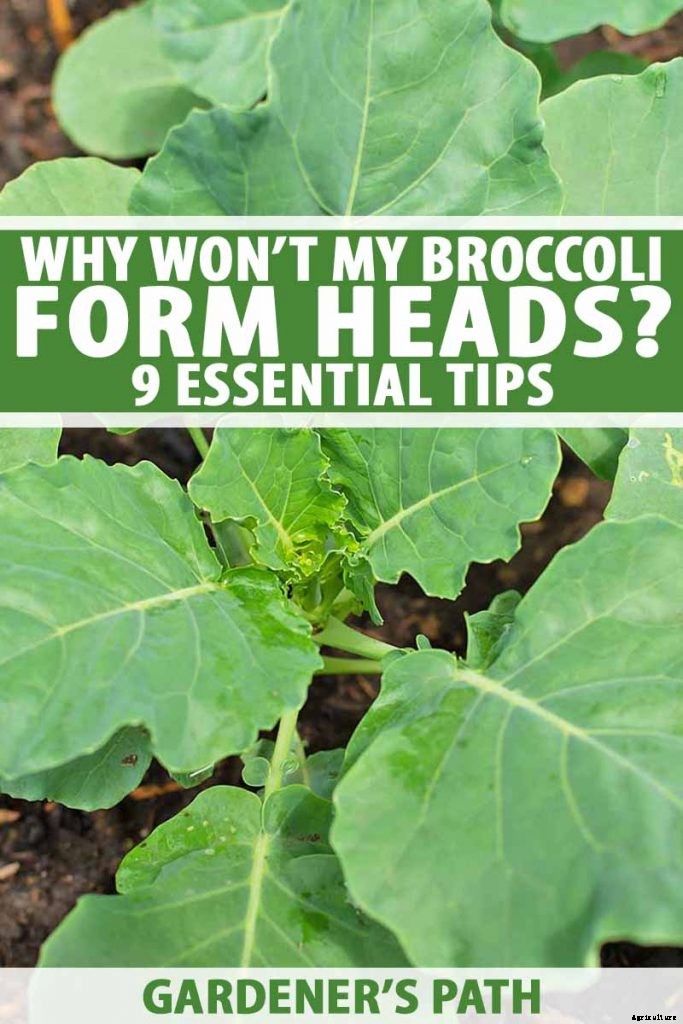
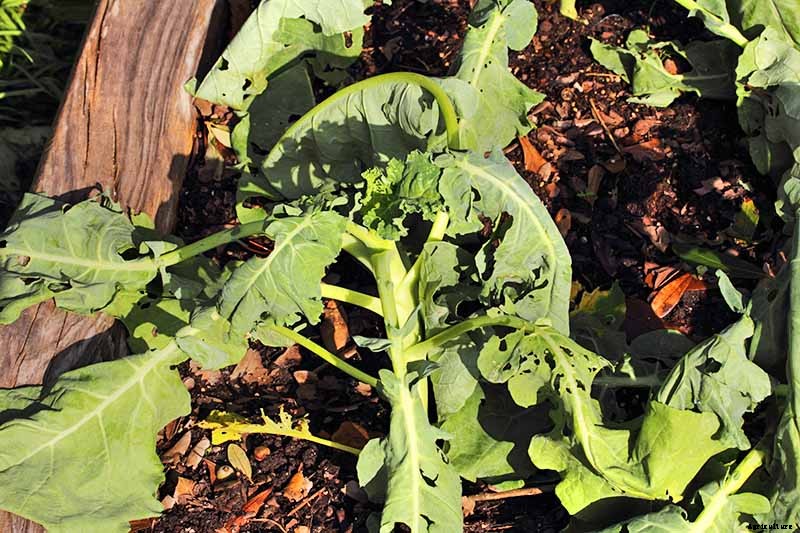
Broccoli is a nutritious vegetable that tastes delicious fresh from the garden. However, it can be challenging to grow, and sometimes all you get is a yard full of beautiful – and edible – leafy greens, but no heads.
In this concise article, we’ll discuss 9 essentials for proper broccoli head formation.
Broccoli is a prima donna. There’s no two ways about it.
Give it what it wants, and it’ll sing its little green heart out for you. If you don’t, you’ll be lucky to have a basket of leaves to show for your efforts.
Here are the 9 essentials broccoli must have to produce heads:
To grow well, broccoli needs full sun, or a minimum of 6 hours of sunlight per day.
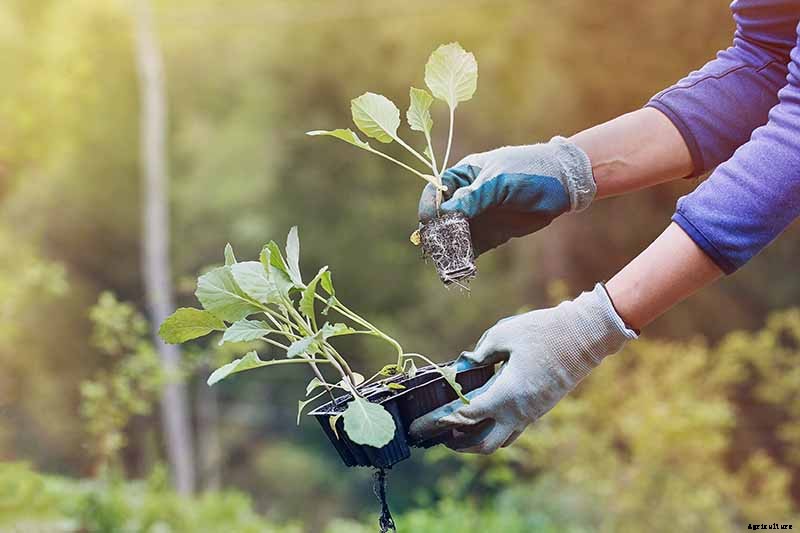
Plants that grow in shade naturally reach for what little sun they can find, often becoming leggy when they should be forming heads.
A heavy feeder, this green veggie is a glutton when it comes to nutrient consumption. Conduct a soil test to determine the characteristics of your garden soil, and amend as needed with garden compost, aged manure, or humus.
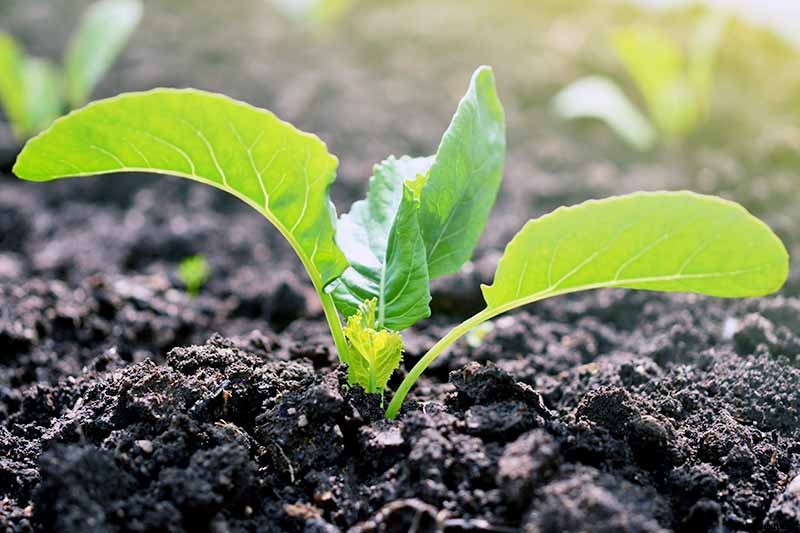
You may grow in containers or raised beds for better control over the quality of the soil you use. Be sure to allow for a width of 18 inches per plant, and a depth of between 12 and 15 inches.
For garden planting, dig down at least 12 to 15 inches to prepare a bed for planting. Crumble the soil and add two to three inches of organic matter as you go.
You may add a well-balanced, slow-release vegetable fertilizer. Be sure it doesn’t have an excessive amount of nitrogen, as even a heavy feeder may put on excess foliage with too much of this macronutrient.
Fertilizer also contains phosphorus, which supports healthy budding and roots, as well as potassium, which aids in disease resistance, metabolism, and root growth.
At about mid-season, apply a side-dressing of organic matter around the perimeter of each plant, or an additional dose of fertilizer, as per package instructions.
In addition, rotate crops to allow soil to replenish. If you planted broccoli in the same place last year, your soil may be depleted, and your plants may not form heads.
Enrich the soil with organic matter and grow other vegetables there for a year or two before trying broccoli in that location again.
Another reason your crops may fail to produce is because your soil is too acidic or too alkaline.
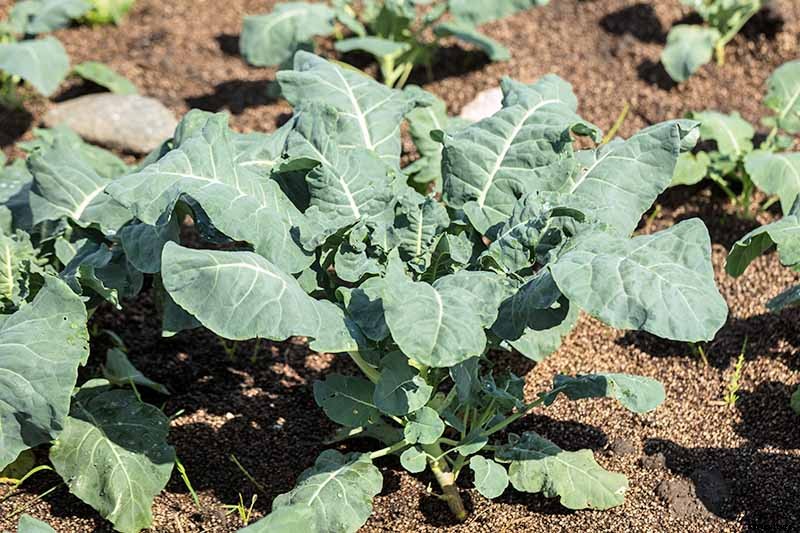
Again, a soil test is your best bet for determining pH. However, generally speaking, the addition of garden lime per package instructions helps to lower acidity, and an application of compost, leaf mulch, or peat moss helps to raise it.
Broccoli prefers a pH between 6.0 and 7.0, and may not set heads without it.
The instructions on packets of seeds contain recommendations for spacing. For broccoli, it’s generally 18 inches apart with 24 inches between rows.
This ensures that each plant can send out roots to feed unimpeded by its neighbors, and that the airflow between plants is cool and low in humidity.
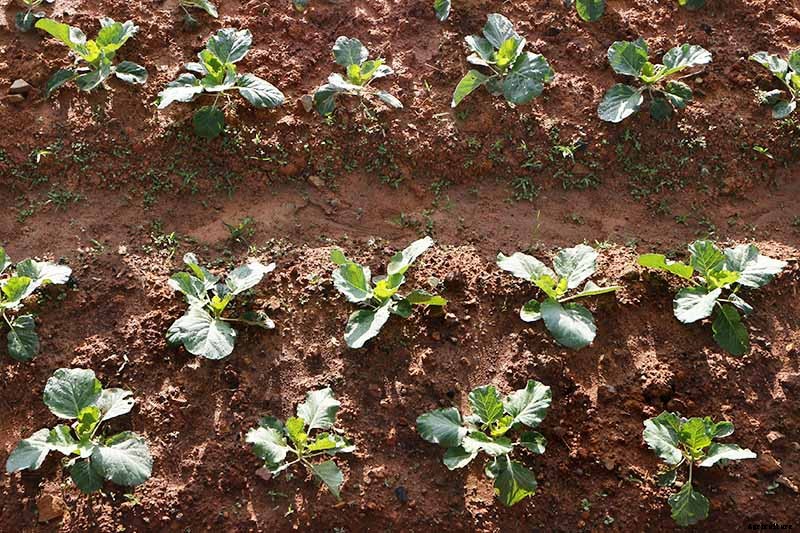
With improper spacing, plants may exert energy fighting to survive, instead of producing heads.
Similarly, if you are growing in containers that are too small, roots may become bound, inhibiting their ability to absorb nutrients.
Remember to provide a depth of 12 to 15 inches and a width of 18, to accommodate feeding roots and mature plant dimensions.
Another reason for failure to head is inadequate moisture. Germinating seeds and seedlings need to be kept moist and should never completely dry out.
Young plants benefit from a layer of mulch. It not only aids in moisture retention, but also inhibits water-hogging weeds.
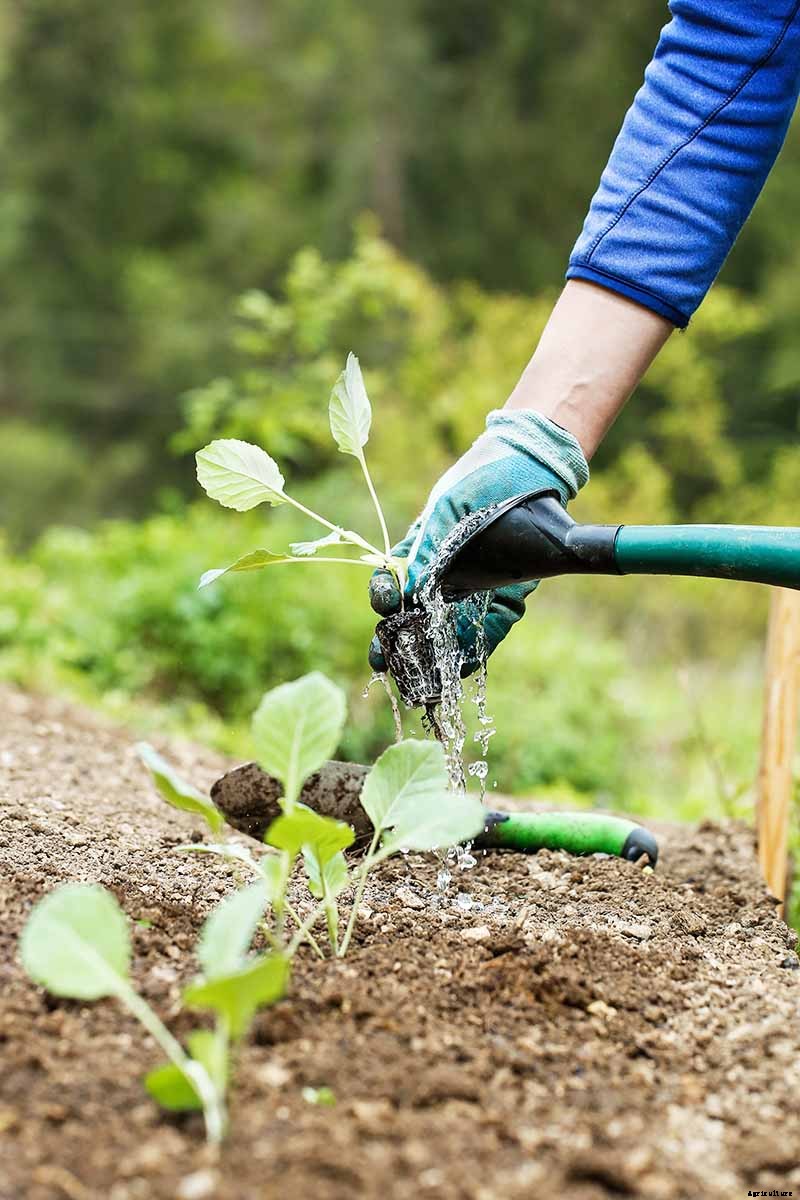
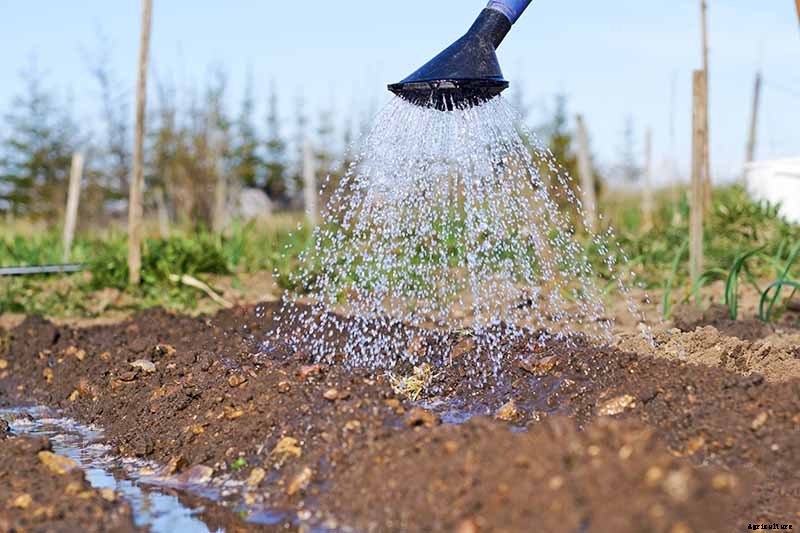
Once established in the garden, broccoli requires 1 to 1.5 inches of water per week. The best way to measure its intake is with a rain gauge. If it doesn’t rain, supplement with a garden hose, because fluctuating moisture levels may be detrimental to head formation.
When watering is necessary, be sure to do so in the early morning or late evening hours, and aim the hose at the soil around the base of each plant, for optimal absorption.
Another issue that may result in an absence of heads is poorly draining soil. While this vegetable needs consistent moisture, it cannot thrive in standing water without becoming vulnerable to disease, pests, and rotting.
If you find you’ve made an error in site selection, or haven’t got ideal soil, a rainy spell may leave your plants in a puddle. And plants that are stressed by oversaturation may fail to form heads.
You can try to salvage them by gently poking holes into the soil at the foliage perimeter with a dandelion weeding tool, and/or mixing leaf compost or coarse builder’s sand into the soil to improve drainage.
The ideal temperature for growing broccoli is between 60° and 75°F. Temps below 30° and above 75°F may spell disaster in the form of frost and heatwaves that cause stress on developing plants, and may result in the failure to form heads.
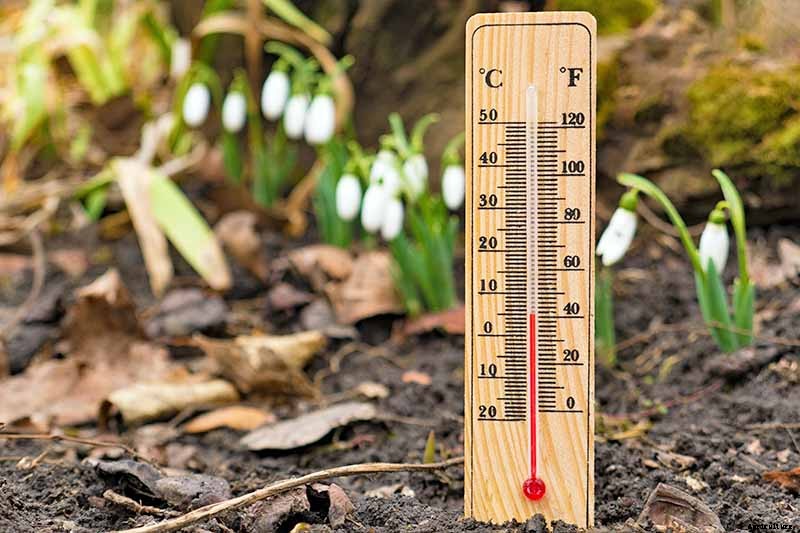
To manage cool temperatures for success:
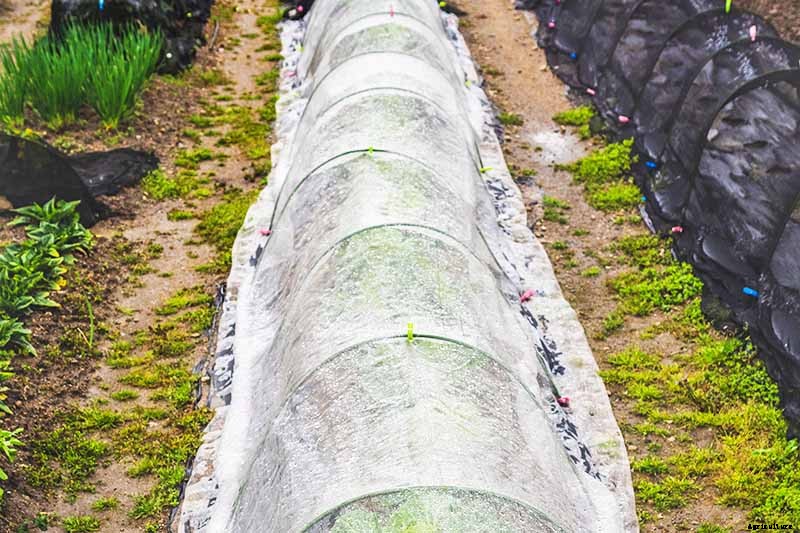
To manage warm temperatures for success:
Sometimes it appears that a broccoli plant is not heading, when in fact, it just hasn’t matured yet. Read seed packets closely, because dates to maturity may range between 50 and 100 days.
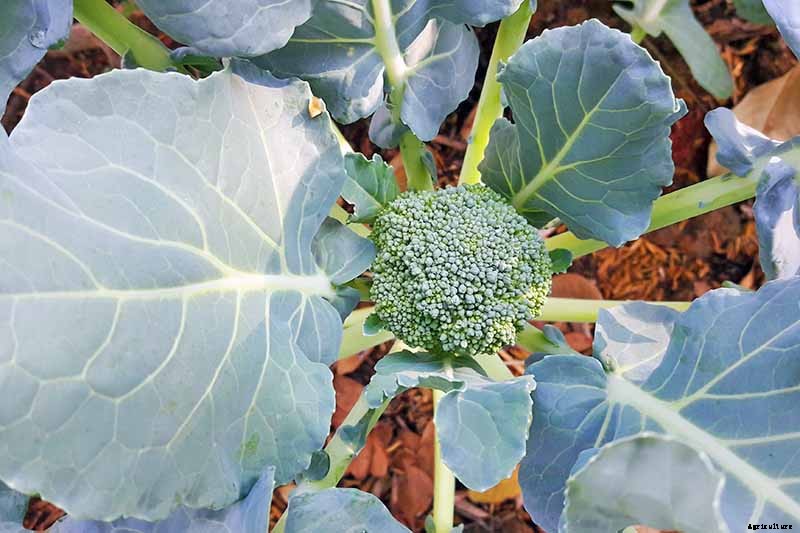
Be sure to choose varieties suited to your USDA hardiness zone. Otherwise, your growing season may be too short for plants to have a chance to set heads before the weather turns either too hot or too cold.
And while you’re studying seed packets, don’t forget to read the plant descriptions. While most have a photo, those from a local grower may not, and you may find that you have a sprouting broccoli variety that grows multiple small florets instead of a large head.
The best ways to avoid pests and disease are to:
In cool temperatures, there are fewer active pests. However, during the summer, some pests to watch for include:
And diseases you may encounter include:
To deter insects, consider floating row covers or an application of food-grade diatomaceous earth. And to address disease, choose an organic fungicide.
In addition to best practices and organic solutions, enticing bird feeders and refreshing birdbaths are useful ways to lure feathered friends to the garden, to be your allies in deterring pests and avoiding onset of the diseases they carry.
Reducing plants’ vulnerability to pests and disease increases their chances of producing a healthy crop.
Get tips on broccoli disease identification and control here.
To recap, getting finicky broccoli to form robust heads is most likely to happen when the above-described nine essential requirements are met.
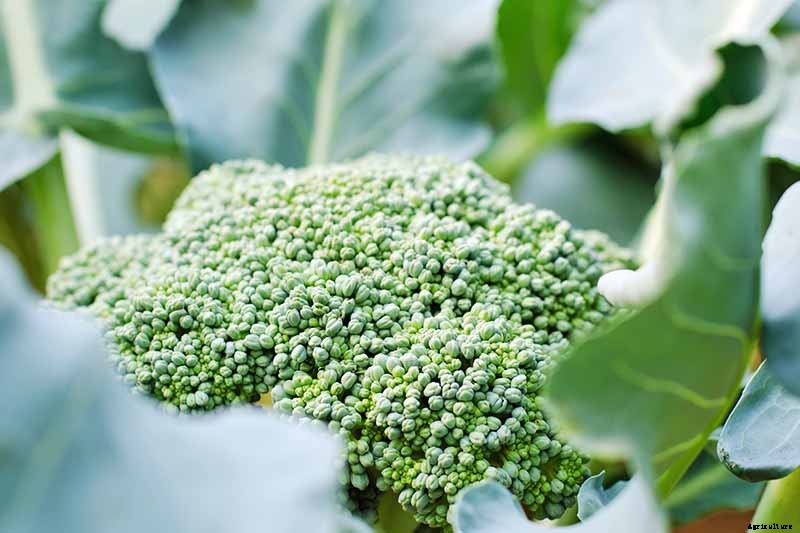
Some – like sun, rich soil, adequate spacing, and a neutral pH – must be in place from the start.
Others, such as controlling moisture, pests and disease, and temperature, are ongoing tasks that must be attended to throughout the growing season.
And finally, with up to 100 days to maturity, depending on the variety that you choose, sometimes only time will tell whether or not you have a heading variety suitable for your climate zone.
This green veggie may have a temperamental character, but knowing what to expect and catering to its needs can go a long way toward successful harvests.
There are many varieties available for all temperate zones, so choose your favorite kinds of broccoli, follow the nine essentials, and hope for the best!
Once you have your harvest in hand visit our sister site, Foodal, for an array of delicious broccoli recipes.
If you want more information about growing broccoli, some of these articles might answer your questions:


