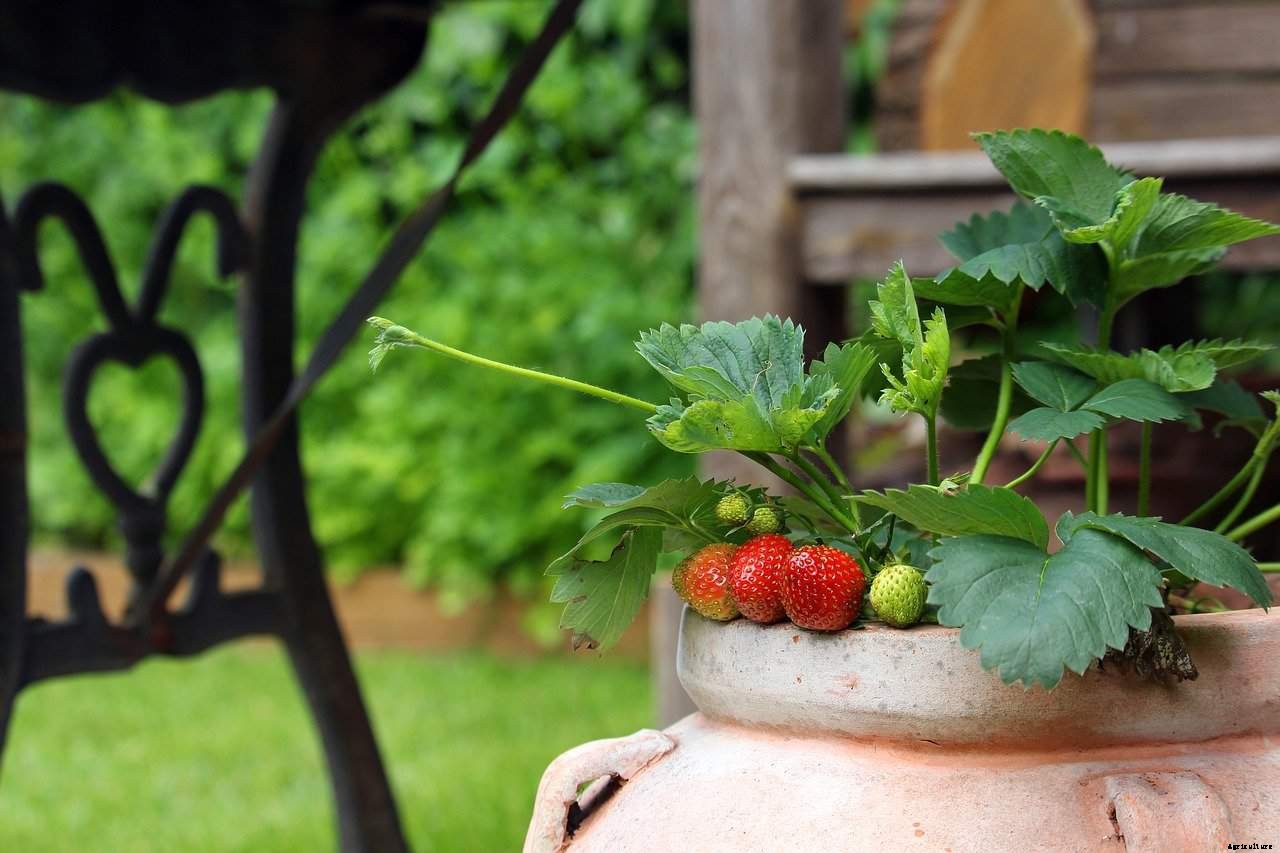
QUESTION: How deep should the pots I use in a container garden be to grow healthy plants? Does it matter whether I’m planting flowers, herbs, fruit, or vegetables? — Becky K.
ANSWER: The pots in a container garden should be different sizes depending on which plants the containers will hold. We will list the best container sizes to use for many plants gardeners commonly grow. However, there are some guidelines you can use to determine the size your containers should be if your plant isn’t covered by our lists. You’ll find those at the end of this article.
Getting the right size of container for each plant you’ll grow is the first step toward a beautiful garden. The right container depth ensures your plants will have room for their root systems to spread out. If a plant’s container is too small, it may not be supported securely, which can lead to damage. Cramped containers also won’t hold as much water. Hanging baskets get more air circulation, making them especially prone to getting parched when the weather is hot. When a container is too large, it’s difficult for the soil to retain moisture. For all these reasons, you may notice wilting, stress, and poor health in plants that need to be relocated to containers of another size.
Don’t be confused by the fact that plant pots don’t have an industry sizing standard. You’ll find that some containers are measured in gallons while others are measured in inches. The measurements given in inches are telling you the diameter across the opening of the container at the top. You’ll see us discussing container size in volume, depth, and diameter across the top. We’ll be sure to specify which measurement we’re giving every time.
How Deep Should Containers Be for Flowers?
Bachelor Buttons: 1-2 quarts
Calendula: 1-2 quarts
Dianthus/Pinks: 1-2 quarts
Hyssop: Half gallon to 1 gallon
Marigold: 1-2 quarts
Nasturtium: 1-2 quarts
Pansy: 1-2 quarts
How Deep Should Containers Be for Herbs?
Basil: 8”-9” diameter—2 gallons
Chicory: 18” diameter
Chives: 4”-5” deep
Cilantro/Coriander: 4”-5” deep
Dill: 10”-12” deep
Horseradish: 5 gallons or larger
Lemongrass: 10”-12” deep
Mint: 6”-7” deep
Oregano: 1 gallon
Parsley: 8”-9” diameter—2 gallons
Rosemary: 8”-9” diameter—2 gallons
Sage: 1 gallon
Spearmint: 1-2 quarts
Thyme: 6”-7” deep
How Deep Should Containers Be for Fruit and Vegetables?
Arugula: Half gallon
Asparagus: 2 gallons
Beets: 10”-12” deep
Bok Choy: 8” diameter
Broccoli: 10”-12” deep—5 gallons
Bush Beans: 6”-7” deep—2 gallons
Cabbage: 5-15 gallons
Cantaloupe: 5 gallons
Carrots: 8”-9” deep—5 gallons
Cauliflower: 3-5 gallons
Celery: 2 gallons
Chard: 8”-9” deep
Collard Greens: 1-5 gallons
Corn: 10”-12” deep
Cucumber: 8”-9” deep
Determinate Tomatoes: 16”-18” diameter or larger—10-15 gallons or more
Eggplant: 8”-9” deep—2-5 gallons
Endive: 18” diameter
Fennel: 8”-9” deep
Garlic: 6”-7” deep
Green Beans: 12” diameter—5 gallons
Green Onions: 1 gallon
Indeterminate Tomatoes: 12” diameter or larger—5 gallons or more
Jicama: 3 to 5 gallons
Kale: 12” diameter—5 gallons
Kohlrabi: 6”-7” deep
Leeks: 8”-9” deep
Lettuce: 4”-5” deep—8”-9” diameter—2 gallons
Melons: 5-15 gallons
Okra: 10”-12” deep
Onions: 6”-7” deep
Peas: 6”-7” deep
Peppers: 8”-9” diameter—2 gallons
Pole Beans: 8”-9” deep—5 gallons
Potatoes: 10”-12” deep
Pumpkin: 5 gallons
Radicchio: 1 gallon
Radishes: 8” deep
Rhubarb: 10 gallons or larger
Snow Peas: 2-5 gallons
Sorrel: 12” diameter
Spinach: 8”-9” diameter—2 gallons
Summer Squash: 10”-12” deep
Zucchini: 5 gallons
What Are the Guidelines for Plants Not Listed Above?
Most vegetables require between six and 12 inches of container depth to grow healthy and strong.
For flowering plants, avoiding pots six inches diameter or smaller in favor of those that hold a few gallons will help plants produce lots of beautiful blooms.
Unless otherwise specified, a container at least eight inches deep will work for just about any herb plant.
When in doubt, you can visually estimate the right container size for your plants. Look for containers about half as tall as the part of a plant you can see above the soil. If a plant measures 12 inches from the soil to its highest part, a six-inch container will work.
Regardless of what you’re growing and the size of the containers, you’ll need to make sure there are holes in the bottom for drainage. Despite the myths about pebbles or broken pottery to fix pots without drainage, they’re really inappropriate for gardening. Also make sure to leave one inch of empty space between the surface of the soil in each container and the top of the pot. That way there will be plenty of room for water to soak into the soil when you give the plants in your container gardening a deep watering.