
Welcome to Modern Agriculture!

Othonna capensis is super easy to grow succulent that stands out in any garden. Here is all that you need to know about its care, propagation techniques, problems, and some simple solutions to keep your Othonna capensis thriving throughout the year.
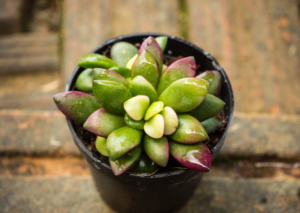
The South African species Othonna capensis is known by many titles. It is named Ruby Necklace in Australia and Little Pickles or String of Pickles in America. The jewel-like green, plump leaves that grow on the long trailing purple stem contrast perfectly well with the striking yellow flowers.
The small, delicate, daisy-like yellow blooms of Little pickles plants stand out without a doubt. Some varieties also grow purple or white flowers. The fragrance of these blossoms attracts butterflies and bees besides a wide range of pollinators into your garden.
Although flowering time may vary according to your growing zone, mostly the Othonna capensis begins blooming from late spring to early autumn.
On the other hand, the leaves of Othonna capensis are appealing as well. They grow in a spiral formation on stems that changes hues from pink, then purple, then red. The sizes of the leaves may also vary and can be between a quarter-inch to four inches.
This transformation of color and size depends on the availability of nutrients and growing conditions.
Be it a rockery, hanging pots on your patio, balcony, vertical garden, xeric gardens, or an indoor planter, the versatile string of pickles plant creates an eye-catching display in all settings. This low-growing succulent likes to spread its stems, which also makes it a good ground cover. There are a few things that must keep in mind to take care of this succulent.
While selecting containers, prefer terracotta or ceramic containers that are porous to allow water drainage. Plastic may affect proper drainage if there are not enough drainage holes at the bottom. Hanging baskets are ideal for highlighting the beauty of the draping stems.
Many traditional and modern landscape designs can easily incorporate this attractive plant. Vertical towers and large green spaces both enjoy the beauty of this succulent. However, it is important to know what your plant needs to thrive in all conditions. Our simple yet comprehensive guide will help you master the skill.
Taking care of Othonna capensis is easy if you know what your plant needs. Let’s take a quick look at its basic requirements.
Keeping that in mind, read the following complete guide to take care of your Othonna capensis.
Othonna capensis is very flexible when it comes to light requirements. The lovely Ruby Necklaces can thrive beautifully in both full sun and partial shade. Plant changes hues with light. When placed under bright sunlight, the color turns to more vivid purple and red. In indirect light, it maintains its green or grey-blueish leaves with purple stems.
They adapt well to indoor light, but some gardeners believe that this succulent performs best outdoor. While planting them outdoors, make sure you provide some shade to your plants during the hottest months. This simple gesture, paired with a suitable irrigation pattern, will help them during their dormancy.
The best light conditions for Othonna capensis are gentle morning sunlight and soft late afternoon shade. This balanced light will allow it to grow well with less water. Planting it in a large pot will also assist it to grow to its best potential.
Succulents like well-drained soil that allows access water to escape, keeping the roots moist. A good mix of equal parts coarse sand, vermiculite, and organic material is ideal for Othonna. A light feeding of compost or manure tea, diluted fish emulsion, or a balanced fertilizer can revive the succulents if applied once or twice a year.
Watering is most crucial for Othonna capensis. Overwatering affects plant health, especially in shaded or colder conditions. It is best to allow your soil to dry out completely between watering. Water your strings of pickles once a week during spring and fall, their growing season. Occasional deep watering will also help them soak up moisture and assist in growing new shoots.
Later, in this article, we will talk more in detail about what can go wrong if you water your Ruby Necklace plants too frequently. First, let us look at how you can quickly multiply your plants without much effort.
There are two most effective ways to propagate or multiply your Othonna capensis plants.
No matter which method you chose, the first step is always to take cuttings of your plants using a sharp, sterilized pair of scissors or a knife and take cuttings. Allow your freshly cut clippings to callous before proceeding to the next step.
Here is a quick step-by-step guide that you can follow to propagate your Othonna capensis.
Soil propagation of succulents is simple. You can plant the cuttings that have hardened into a mixture of well-drained soil. Feel free to use pruned stems to make new plants. You can also press a section of the stem of Othonna Capensis gently into the ground, without cutting it, to allow it to grow roots. After a few days, the stem can be separated from the main plant to grow independently.
Water propagation is a fun way to grow new Othonna plants from cuttings.
Once you have new plants, you can either add them to your collection or repot and gift it away. You can recycle tin cans, upgrade broken cups, or use a cardboard carton as a new home for your seedlings.
Once they being to grow and the season changes, you may notice some changes in your plant. The following guide will help you identify what is affecting your plant growth.
Othonna capensis is easy to grow, but a common succulent pest and disease can create problems for your plants.
Here is a list of the most common pests that may attack your plants:
It is incredible how simple it is to avoid most of these problems that your Othonna plants might face.
Follow these simple steps to control the pest problem:
In addition to the common pest invasions, the Othonna capensis may also be invasive in warmer regions where it is winter hardy. Watch out if you have included it in a landscape. The branches will run freely and multiply in no time.
A glance at the Othonna Capensis Foliage Color: green, purple, pink, or red Flowers Yellow or white-colored flowers are fragrant, and attracts pollinators Growing habit Clumping, Spreading, Trailing, draping Hardiness USDA hardiness zones 9a through 11 Light requirement Full Sun, bright windowsill, indoor plant grow light Common pests Caterpillars, mealy bugs, scale, spider mites Planting Location Indoor, Pot, Wall, Rockery, Garden, Windowsill, ConservatoryTo recap everything that we learned about Othonna Capensis, here are some points for you to remember:
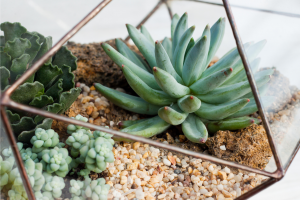 Othonna Capensis, Ruby Necklace, or the String of Pickles is easy-to-grow succulents
With these simple things in mind, you will grow stunning Ruby Necklaces or Othonna Capensis that will continue to adorn your indoor or outdoor gardens like a piece of jewel.


