
Welcome to Modern Agriculture!

Are you planning to grow Calathea Freddie plants in your home? This plant will bring out the tropical vibes without the hassle of caring for them, as they are an excellent option for indoor gardening.
This article will talk about the things you know about the Calathea Freddie, from where they come from, how to care for them, and any problems you may encounter.
Read on to learn more.
The Calathea Freddie is also known as the Calathea Concinna, which is a Brazilian native tropical plant.
It falls under the Marantaceae family and the Prayer Plant Calatheas, spreading their leaves as the sunrises to absorb sunlight. In the evening, a Calathea houseplant will withdraw stripped leaves to rest for the night, which is quite interesting to witness. That’s why many gardeners and homeowners are amused with the Calathea Freddie, having a unique circadian rhythm.
The name of the plant’s genus, Calathea, comes from the word “basket’, a Greek term referring to plants’ spacious flowers. Calathea is a genus that comprises many American native flowering plants, with its perennials being famous for their bright and bold foliage. While favored as indoor plants, they are also suitable for both indoor and outdoor plantations.
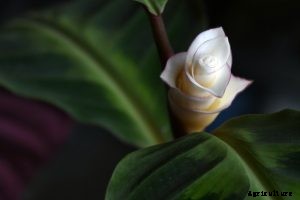
The average height of a Calathea Freddie growing indoors is about 2-3 feet tall. Its elongated pointed leaves are growing in alternate patterns around its stem. It blooms white flowers, with each flower blooming on the long stalk-like inflorescence, growing out from the center of the plant’s base.
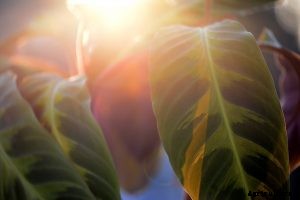
As for its leaves, they boast of a shiny, elongated, and light green color with zebra stripes and borders in darker shades of green. The Calathea Freddie is also known as the Zebra plant because of its unique leaf pattern! The mature leaves are around 4-7 inches in length.
For people who are worried about the plant’s toxicity, the genus is known to be non-toxic for most animals, making them pet-friendly options. However, it’s best to watch out and be sure your kids and pets don’t mingle with these domestic plants.
Bold and attractive, it can add oomph to any home and office.
While relatively easy to grow for the experienced gardener, beginners may find it a bit challenging at first. They require attention, and if not given enough of it (along with their nutrients), these plants will NOT be happy!
The Calathea Freddie prefers medium to bright indirect light. It’s best to place it in front of east, west, or north windows with dappled shade. Give the plant at least 6 hours of indirect light so it can grow healthier foliage. It’s better to expose them to morning sunlight rather than let it face the intense afternoon sun.
Do NOT place it under direct sun, as this would burn the leaves, causing the colors to fade or even kill the plant. Avoid south-facing windows where it usually faces the sun directly.
It might be a bit tricky to understand the water requirements of the Calathea Freddie. You need to avoid overwatering the plant while still maintaining moist soil. To do this, water the soil generously, allowing excess water to drain out at the bottom. Afterward, allow the soil to dry out up to 70% before watering it again.
Before watering the plant, check the soil by inserting your finger and observing the moisture. Alternatively, you can use a humidity meter for more accuracy. Remember, soggy soil is harmful to Calatheas, resulting in fungus and rot root issues.
At the beginning of growing the plant, you need to observe the soil regularly, helping you build a consistent and successful watering schedule. The frequency of watering the plant is based on your area’s weather and humidity. During the spring and summer, you can water it 1-3 times a week. During the fall and winter, water it once a week, which is enough to keep it alive during the cold weather.
Calatheas hate drying out and aren’t drought tolerant, only withstanding a tiny bit of forgetfulness on watering.
 The ideal soil for the Calathea Freddie is well-draining soil that has large particles. It needs to drain well while still holding moisture, so a peat-based mixture is best recommended. For those domestically mixing soil, use two parts peat and one part perlite.
When using pebbles, place them in the growing mixture, not at the top, so it holds moisture and provides aeration. Pebbles at the top of soil may hinder aeration, suffocating the plants’ roots.
For the fertilizer, you can use standard houseplant fertilizer that has a moderate concentration. Play it safe first and use only a quarter of the recommended dosage, fertilizing once a month during the spring and summer. You won’t need to provide additional nutrition during the cold weather, so do not fertilize during fall and winter.
Furthermore, never give too much fertilizer to the plant, as it can cause yellowing leaf edges, causing it to burn.
The recommended temperature range for Cathalea Freddie plants falls between 18-24 degrees Celsius. The Calathea is not tolerant to cold and frost. Anything below 15 degrees C can freeze and potentially kill the plant. If the temperature drops too low, then transfer your outdoor Calatheas to warm areas indoors.
Calatheas don’t do well in the cold but love humidity, being from tropical lands. Keep the moisture level more than 70% to keep the foliage healthy. Maintain the moisture during drier days, doing so by grouping them with other plants, using a humidifier, or placing a pebble-water try under its pot.
While you can mist Calatheas, do not mist the foliage directly. Instead, begin misting from the bottom, avoiding the compact new leaves. Do not frequently mist, using other methods to maintain proper moisture levels.
When pruning Calatheas, cut unhealthy and older leaves to enhance the health and appearance. For grooming, mildly mist and wipe leaves with a washcloth for grooming cleans out dust from the foliage. Regular grooming can help prevent leaves from trapping dust particles, which block the pores and affect the plant’s health.
The ideal USDA growth zones for this plant are 10 and 11. You can grow Calatheas outdoors all year round without worrying about transferring it during winter.
If you repot the plant, do so in a medium pot with drainage holes, though repotting isn’t required until the plant is two years old. However, since Calatheas prefer fresh soil, you can repot it yearly during early spring, before the plants begin their growth period.
Now that you know how to care for a Calathea Freddie, what are the steps to propagate it?
The best way to do so is through ‘plant division.’ Since they don’t grow in water, do not root them in water. Furthermore, it’s best to propagate it while repotting done during the early days of spring.
Follow this helpful and effective method:
This is the typical timeline of propagating a Calathea Freddie:
The Calathea Freddie, just like other plants, may also come across a few minor issues, such as:
Gardeners have complained of Calathea Freddie yellow leaves, which may happen for various reasons, including:
Calathea leaves curling may be worrisome, but it’s fixable once you identify the reasons why.
Hopefully, you learned a lot about the Calathea Freddie.
Here are a few key points you should take home:
If you’re planning to grow this plant soon, keep these tips in mind and get started now. Good luck and happy gardening.


