
Welcome to Modern Agriculture!

Square foot gardening is the best way to grow broccoli. Using the right growing techniques you can grow large broccoli heads with minimal effort. By choosing the right companion plants and precise nutrient-rich soil mix, the broccoli plants will suffer from zero pest damages and weed growth will also be manageable. Even if you are a beginner at gardening, you can cultivate broccoli with ease in a square foot garden setup.
How to Effectively Harvest Broccoli Plants Things You Need to Know Before Growing Broccoli Broccoli Varieties to Try Harvest Season for Different Varieties How to Grow Large Broccoli Heads Should You Pull Out Broccoli Plants After Cutting the Head? Dos and Don’ts of Broccoli Square Foot Gardening The Pros of Square Foot Broccoli Gardening How many broccoli can you plant in a square foot? How much space does a broccoli plant need? What happens if you plant broccoli too close together? Does broccoli grow back every year? How much broccoli will one plant yield?Step-1: Decide your Grow Space: To begin, construct (or purchase) a 4-by-4-foot raised bed box (lined with weed barrier landscaping fabric if laying on top of other soil).
Step-2: Add Your Preferred Soil: Fill it with a weed-free mix of fertile potting soil (half peat moss, compost, and vermiculite, or another mix of your choosing).
Step-3: Promote Growth: To promote consistent development, grow broccoli in organic, rich soil and fertilize seedlings and early transplants. Too much nitrogen stimulates excessive leaf growth, so use a balanced fertilizer. Bloom formation is aided by potassium and phosphorus.
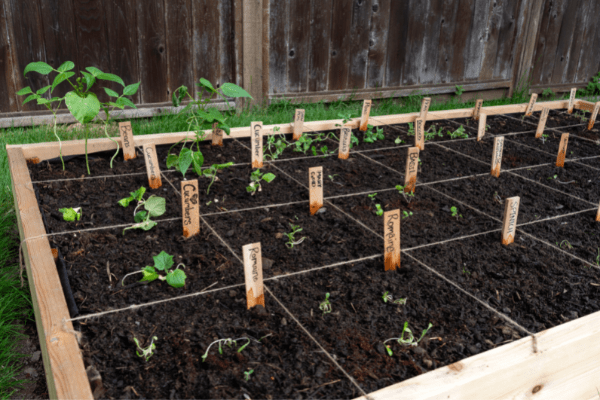
Step-4: Organize Your Grid: Plant your seeds after overlaying a square foot grid onto your box for plant spacing.
Step-5: Plant Spacing: Broccoli leaves can stretch across 3 feet. Broccoli plants should be spaced 12 to 24 inches (30 to 61 cm) apart. More space between plants supports the growth of larger center heads
Wooden Raised Bed for Planting Vegetables and HerbsStep-6: Seed Depth: Sow seeds in a quality seed-starting mix or soil pellets at a depth of 1/4 to 1/2 inch (6 to 13 mm). Broccoli seeds germinate in 4 to 7 days if the temperature stays between 45 and 85 degrees Fahrenheit (7 to 29 ℃). Broccoli can be direct-seeded into the square foot garden in June for a fall yield.
Step-7: Sunlight Requirement: Broccoli thrives under direct sunlight. Select a garden location that receives at least 6 to 8 hours of direct sunlight per day.
Step-8: Get Growing: Water, grow and get delicious broccoli for lunch.
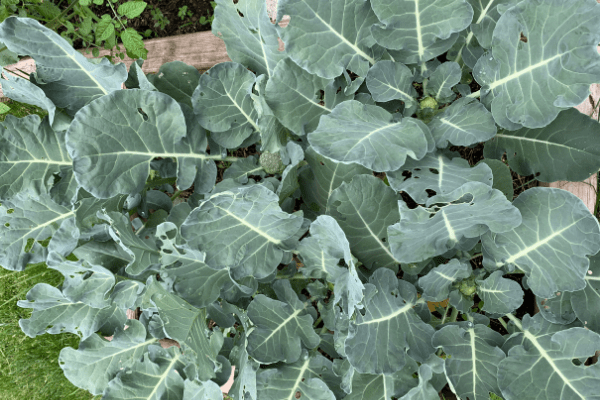
Broccoli thrives at cooler temperatures. Broccoli cultivated in the cooler months has a sweeter flavor than broccoli grown in the warmer months. Knowing when to plant broccoli, a cool-season plant is crucial.
If you want to harvest broccoli plants in the middle of summer, start them 6 to 8 weeks before the latest frost date in square foot gardening.
If you’re growing broccoli seedlings in a shady spot, make sure to give them enough light to keep them from getting leggy. If the seedlings develop lengthy stems, repot them deeper (up to the first leaves) and then supply more light.
Before planting spring seedlings in the garden, wait until the weather is frost-free. Make sure to harden off broccoli seedlings by gradually exposing them to direct sunshine and wind..
Because broccoli grows best in damp, but not soggy soil, water it frequently. Use mulch to keep weeds at bay and soil moisture levels stable. It’s ideal to plant broccoli in an area of the garden where you haven’t planted Brassicaceae (cabbage family) crops in four years to avoid disease and pests. Row covers help protect transplants from cold weather and pests.
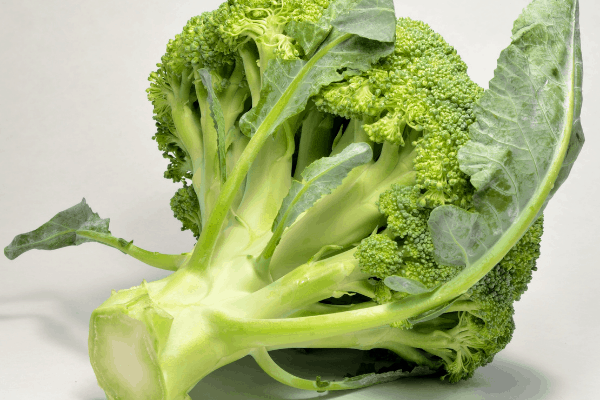
The unopened bloom of the broccoli plant is the part that can be eaten. Harvest the center head when it’s fully matured but before the individual buds emerge into little yellow flowers.
A 4- to 7-inch (10 to 18-cm) tight head with large, packed blossom buds is a sign that broccoli is ready to harvest. Harvest as soon as the buds begin to open. It’s too late to harvest a plant that has bolted (flowered).
Storage
Fresh-picked broccoli heads should be harvested in the cool morning hours and refrigerated as soon as possible to protect their quality. Broccoli heads that have not been washed can be kept in the refrigerator for 3 to 5 days. Broccoli that has been blanched freezes well and retains its quality for up to a year.
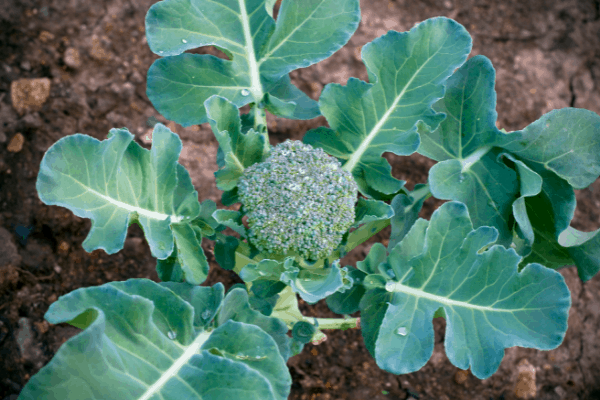
Choose a kind that will develop before the hot season arrives that is most suited to your climate. Broccoli is grown in the late fall and winter months in warm climates like Arizona.
For example, plant broccoli seeds outside in the low desert of Arizona from late August to December, and broccoli transplants from October to January. Broccoli requires at least 6 hours of sunlight, despite its preference for lower temperatures.
Broccoli harvest season is also determined by the type you choose. ‘Green Goliath’ is a heat-tolerant, fast-growing broccoli cultivar that allows you to harvest broccoli for longer even when the temperature rises. ‘Calabrese’ is a cold-tolerant heirloom variety that produces one primary head followed by many side shoots.
In warmer weather, ‘Calabrese’ broccoli bolts. But it’s a great choice for the fall and winter months.
You’ll want to give your broccoli the finest possible care if you want to get the most out of your investment. Flea beetles, caterpillars, aphids, and root rot are all common concerns that can be handled by crop rotation and adequate pest control, such as row coverings or Bacillus thuringiensis.
To produce high-quality crops, broccoli requires continuous soil moisture. Untreated grass clippings or other organic mulches can help to save moisture while also limiting weed development.
Growing large heads requires two things: selecting the appropriate type, and providing ideal growing circumstances. Some varieties have been bred for larger-size heads.
The broccoli plants require moist fertile soil, plenty of elbow room in the garden, and the ability to grow swiftly in order to reach their full potential. Any setbacks, such as dry soil when they are young, can cause them to be stunted for the rest of their lives.
Also, keep in mind that robust broccoli plants can develop leaves that span 3 feet from one side of the plant to the other. Keep this in mind when deciding how far apart to space your plants in your garden.
Keep other plants at least 18 inches away from each of your broccoli plants if you wish to mix multiple types of plants in one bed, and be aware that huge broccoli plants will shade neighboring smaller ones.
You certainly can. If you leave them in the ground, you’ll be able to pick “mini-heads” of broccoli that will grow to be about the size of a half head. You can even rip them out now and start a fresh plant in their place. Either way is good; it is simply a matter of personal preference.
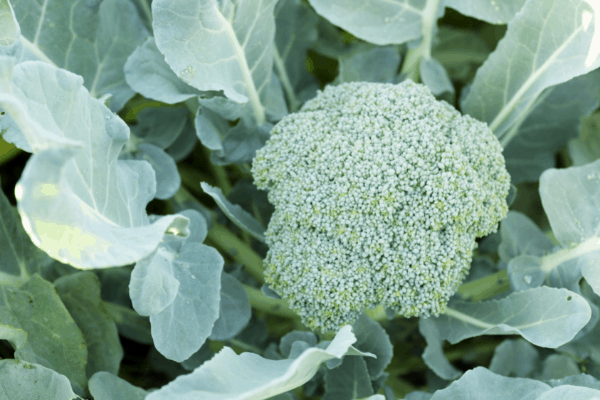
To get the best yield plant one broccoli per square foot.
Ideally, a broccoli plant grows best when there is at least 18 inches of space between the plants.
Broccoli plants require a lot of space in the garden to produce the maximum harvest yields. Closer broccoli spacing is an option, but it will diminish the size of the heads your plants produce and lower your overall yields.
If you’re planting numerous rows of broccoli, each row should be at least three feet apart, even if you’re just doing standard gardening.
This is why it’s better to cultivate broccoli in square feet. If you don’t have much area in your yard or any garden space at all, you can grow broccoli in individual plots without fear of overcrowding.
Broccoli plants can be picked two or three times or for up to three months in general. The plant generates a huge central head first. With 5 to 6 inches of stalk, this head should be trimmed at a gentle angle.
For several weeks after being cut, the plant will grow smaller side heads. Broccoli heads should be picked while they’re small, tight, and firm. It should be clipped as soon as bloom buds emerge. Broccoli becomes bitter when the yellow blooms open.
The length of time you can harvest broccoli is mostly determined by the weather. Broccoli is a cool-season crop that bolts or goes to seed when the weather gets too hot and dry. It grows best in Subtropical climates from fall to late April.
It can be picked several times during the cooler months. Your broccoli-picking days are likely to be over once the weather warms up.
You may like the following Gardening articles:
Why wait now? you already got an idea on how to grow broccoli in a square foot garden. Try it now.


