
Welcome to Modern Agriculture!

The number of people living in urban environments is increasing, which presents the issue of how to grow produce within these spaces. For beginners, growing vegetables in pots may seem like an unrealistic or insurmountable task but it’s not as difficult as you might think.
This article will cover everything you need to know about starting out with a small setup and then moving on to progressively larger containers if desired. In addition, we will give some pointers for getting started, including the basics of water and fertilizing your potted vegetables.
Best Vegetables To Plant In Pots For Beginners Final Thoughts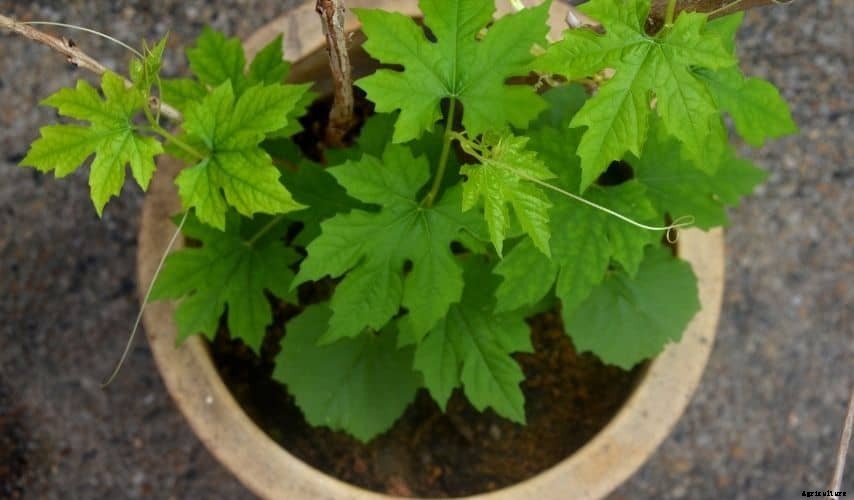
The most important thing to consider when starting out is to understand the basics of gardening. You will need to know what a container is, how many containers you need and what types of vegetables you can grow in them.
If you do not have a big budget, the most important thing to keep in mind is that you can grow some things in small pots, but other vegetables will need to be planted in larger pots or mediums.
Every potted plant will need the same basic nutrients, including water, sunlight and fertilizer. It is important to keep your plants well hydrated and well-fertilized, which will result in strong growth and a greener plant.
When you first start growing vegetables in a pot, know that it will be hard to gauge how much light your potted plants need. If your house gets too little or too much sun for a long period of time, you may need to move your pots around the space to allow for the appropriate amount of light.
Wooden Raised Bed for Planting Vegetables and HerbsWhen planting your seeds, make sure to leave some room between your plants so they have room to grow. In addition, it is best to start with one plant per container until you are comfortable that you can maintain it.
If you decide to grow different kinds of vegetables in a pot, keep in mind that some plants will need more water than others. For example, cucumbers need more water than lettuce, and tomatoes need much more water than either of these plants.
When picking out your pots, you should think about what vegetables you are going to grow, how big those vegetables will need to be, and how often you will need to water them. These three factors will help you judge the necessary size of your pot.
Most plants can be grown in pots that range from 1 to 3 gallons in size. You can also start with a very small pot and then move up to a larger one if needed. Containers that are 1 gallon or less will need to be watered more frequently than larger ones.
If you are growing seedlings, they should never be planted in a pot that is more than 3 gallons, because they will become tall and leggy as they grow. Instead, start them in a peat pot and transplant them into a larger pot as they grow, or you can start out with a seedling in a 3-gallon plastic planter.
There are three most important things to consider when starting out your new vegetable gardening endeavor. First of all, you need to have the right tools for the job. You will probably already have two or three tools at home, such as your hands and garden gloves.
However, you will most likely need to purchase some new items that will make your growing experience much easier.
A basic tool kit should include a trowel for digging holes, a watering can for watering the soil, and a pair of scissors for cutting out dead leaves. You should also purchase some organic fertilizer and some compost. These items are extremely important because they will feed your plants and help them to grow strong.
Besides these items, you will need to buy your plants or seeds. Generally, it is best to start with only one plant or seedling but if you feel comfortable, you can purchase enough to fill all the pots that you have. You should also pick out a location for your garden. If possible, choose a place that gets plenty of sun throughout the day and doesn’t have a lot of shade.
The last and most important thing you will need to consider is your water source. Make sure that the area where you plan to plant your garden is near an outdoor spigot so that watering the plants will be easier. If not, you can buy a hose attachment for your kitchen faucet or a watering can with a long-spout to make it easier.
There are many different ways that people use to grow their vegetables in pots, and no method is better than another. Any method that works for you may be the best one for you. However, knowing a few things about gardening is definitely a great thing for beginners.
When choosing the fertilizer for your plants, you should take into account the types of vegetables that you will be growing and determine what nutrients they need to thrive.
For example, if you are trying to grow tomatoes, cucumbers or peppers, it is best to use a fertilizer that is specifically formulated for those types of plants.
If you plan on growing lettuce or spinach as well as other vegetables, then a general solution may be fine. The thing to remember about fertilizers is that most contain both nitrogen and phosphorus in varying amounts. You should again base the amount of fertilizer that you use on the vegetable that you are growing and the types of nutrients it needs.
Many fertilizers sold today are made using both synthetic and natural ingredients. The synthetic fertilizers contain a lot more phosphorus than nitrogen, but they may not have all the vital trace elements that the plants need.
Some fertilizer blends also have a handful of insecticides in them which may be harmful to your seedlings or young vegetables but will help by keeping most types of pests out of your food.
Synthetic fertilizers come in three qualities for gardening: slow-release, water-soluble and granular. Slow-release fertilizers should be applied before the plant is planted to ensure that it gets the nutrients it needs to grow strong roots.
The water-soluble fertilizers are best used when working in hydroponic systems or when you need a small boost of nutrients for your garden.
Granular organic fertilizer is great for seedlings, but you should avoid using it in large amounts because of its slow breakdown in the soil.
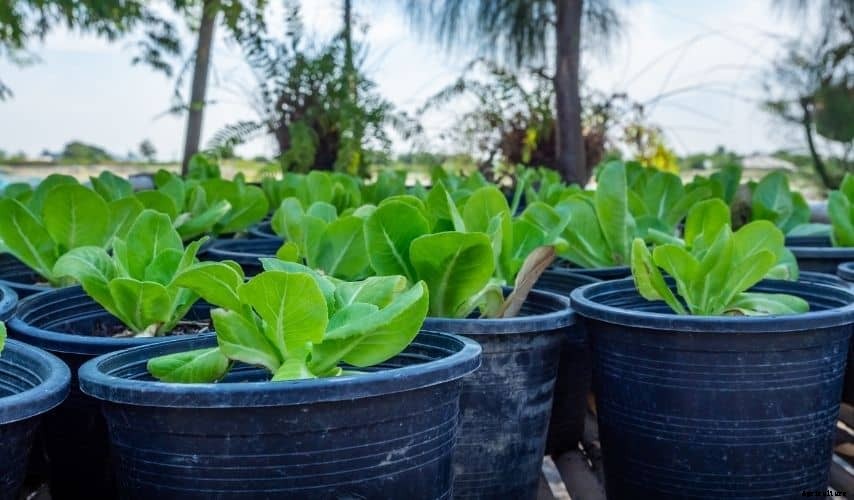
Now that you know a little bit about the basics of gardening, you may be interested in learning more about some vegetables that you can grow easily in pots. Here are a few suggestions.
You may like:
Gardeners who are just starting out with gardening, whether as a child or an adult, should make sure to take their time and choose the most appropriate materials for their garden. Knowing which plants will be easy to grow in pots is a great way for you to get started on your new gardening adventure.
Gardening can be an easy and enjoyable hobby that you and your family can enjoy for years to come. Beginner gardeners should take some time to learn the basics of gardening. The information offered here will hopefully help you in your quest to become a well-rounded gardener.


