
Welcome to Modern Agriculture!

Whiteflies are tiny pests that can devastate your vegetable garden. They suck the juice out of plant leaves and cause misshapen or yellowing leaves. They are difficult to control because they fly away from sprays and their eggs hatch inside plant tissue, which is very hard to reach with insecticides. The whitefly life cycle can be disrupted by removing foliage that is infested with new eggs, but you will have to do it regularly for a while in order to establish control of the whiteflies. This article will provide you with several ways to keep whiteflies out of your garden or how to get rid of whiteflies in vegetable garden.
Which Vegetables Do Whiteflies Target? What Attracts Whiteflies To My Garden? What Regions Are Whiteflies Most Commonly Found? How Do I Know if I Already Have a Whitefly Infestation? What Do Whiteflies Look Like? Are Whiteflies Dangerous to Humans? Prevention Tips Final ThoughtsWhiteflies can weaken a vegetable plant by sucking out the juices of the plant sap. This causes leaves to become discolored or misshapen. Whiteflies are also one of the most common carriers of plant diseases.
They can spread viruses, molds, and bacteria from plant to plant with their mouthparts, making it very difficult to grow healthy plants in infested soil.
Numerous commercial greenhouses have had entire crops destroyed by whiteflies. These pests are also known to carry citrus greening disease, which is lethal for orange trees.
Whiteflies also produce a sticky substance called honeydew, which can cause mold and mildew growth on the leaves. This sticky substance can also affect fruit, which means no harvest for farmers.
Honeydew also attracts ants, which can carry salmonella in their stomachs and spread the disease through their bodies.
Wooden Raised Bed for Planting Vegetables and Herbs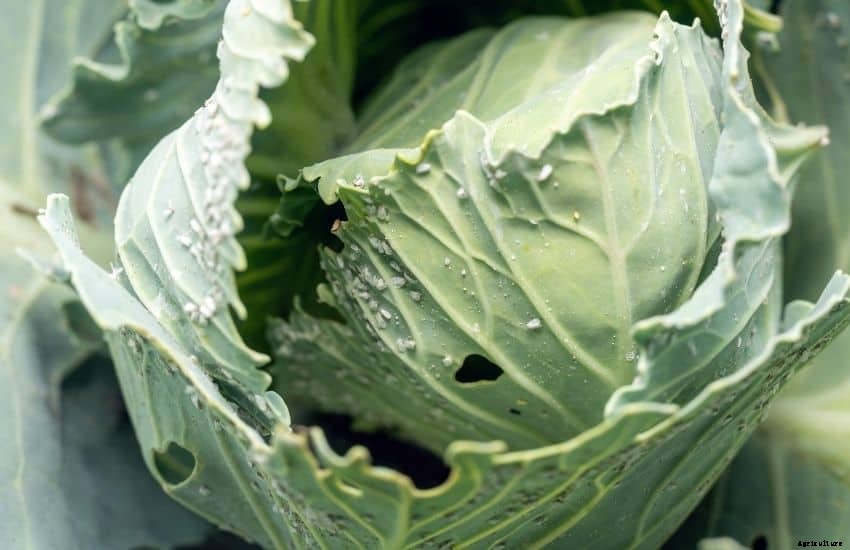
You may also like, How to get rid of fruit flies in the garden
There are several ways to get rid of whiteflies. You can use insecticidal soap and insecticidal oil, which are both very effective but can be messy. Biological controls include parasitic wasps, lady beetles, lacewings, and other beneficial insects.
Also you may like, How to Take Care of a Vegetable Garden While on Vacation
Insecticidal Soap will work for some types of whiteflies. Insecticidal soap has been found to be effective against the following pests: aphids, scales, mealybugs, mites, spider mites, and whiteflies.
The insecticidal properties of soap come from its fatty acid content (approximately 40 to 50 percent). Insecticidal soap is usually used in a regular garden spray.
It should be mixed with water to a concentration ratio of 2 to 3 parts insecticidal soap to one part water. You should mix the insecticide thoroughly and apply it as a regular garden spray.
The solution you use for insecticidal soap should be diluted before spraying because the solution has a strong odor. Insecticidal soap can also be used in horticultural oil machines, which are more effective than traditional chemical sprays but are safe for people and pets.
Oil is an effective means of insect control, especially against aphids, scale insects, and whiteflies. The oil will work on these pests by penetrating their outer cuticle layer (skin). The oil works for a period of two to three months.
Oil should be rinsed off the plant leaves with water. The oil has not been found to be effective against the citrus whitefly as of yet.
Also, check out, What Is Neem Oil Used for in Organic Gardening?
Biological control involves the release of beneficial insects into a vegetable garden, which will suppress whiteflies and other pests. The wasps are the most effective biological control agents because they lay their eggs on or near whiteflies, but they can also raise their offspring on plant juices or nectar.
A housefly can eat through a paper bag, including its plastic and cotton lining, and lay its eggs inside it without damaging the bag contents for 6-8 weeks (while one cycle is underway).
With biological control, you need to release beneficial insects the day of or the day before planting. The ideal time for releasing beneficial insects is in the spring when whiteflies are first emerging.
Use a whitefly trap to determine how many whiteflies are in your garden and then release beneficial insects by hand-picking them from plants or by lowering a syringe into a shrub.
Biological Control doesn’t seem to work well in gardens that are heavily infested with whiteflies, especially citrus greening disease.
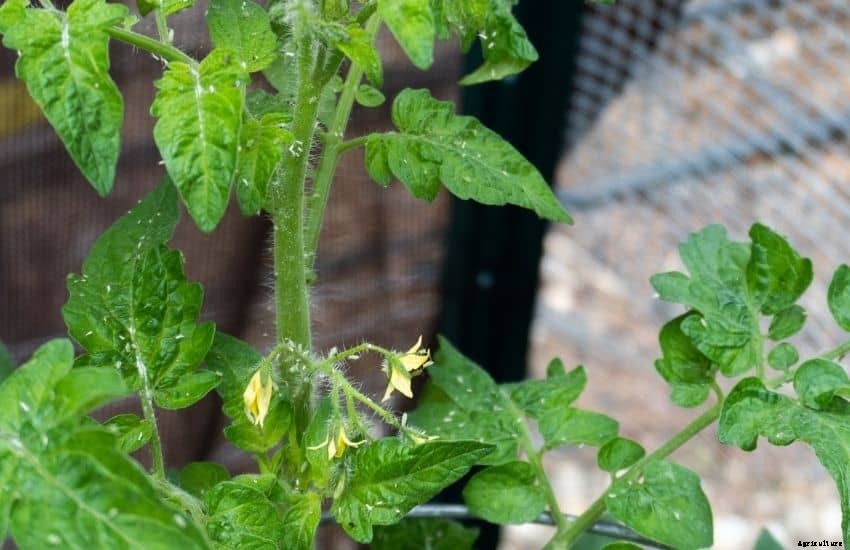
Cultural control involves removing foliage that is infested with new eggs, which will disrupt the life cycle of whiteflies, but it also has some disadvantages and may not be permanent.
Remove infected leaves as quickly as possible because they will emit a strong odor, and the whiteflies will naturally disperse from the area. Cutting off or burying infested plants can also be effective.
Whiteflies can be controlled by using several common garden plants. Plants that may help include basil, cilantro, dill, marigolds, nasturtiums, and oregano. These plants have either their own natural insecticidal compounds or attract beneficial insects.
They work well in dried forms. You should mix them with soil in hanging baskets to spread the plant’s insecticidal properties throughout your garden.
You may like, Easy Fruits and Vegetables To Grow In Pots.
Horticultural oil is the only known chemical-free method of controlling whiteflies. It can be turned into a powder with hydrated lime and sprinkled on plants during the fall, or it can be made into a liquid by allowing the mixture to dry and then rehydrating the powder.
Because horticultural oil is made from essential oil, it has not passed through any government-mandated tests for safety.
Bt is a toxin that paralyzes the whitefly’s digestive system by interfering with protein synthesis in the gut, causing it to die. Bt can be very effective against whiteflies that have been feeding on plants containing Bt for days prior to spraying. Bt management is typically done in the garden by using a Bt spray.
Bt works best when it is used on plants of limited leaf surface area. Whiteflies tend to move from plant to plant during feeding, so if the insecticide kills them where they are feeding, the whitefly population will soon die out.
Therefore, it is important to make sure all parts of the plant are covered with Bt. If you are growing plants with limited root growth or soil moisture, you should apply Bt in the top layer of soil just one time every 6–8 weeks (a half-strength solution is 1/5–1/10 tsp per gal of water).
The salt mixture, or Cal-Hypo, is a home remedy that works quite well against whiteflies. It works by drying out the exoskeletons of the whitefly larvae. Mix it in a 1:10 ratio with water and spray it on leaves to get rid of whiteflies blooming in the summer.
The solution is normally made by mixing one cup of Epsom salt (magnesium sulfate) into eight cups of water. If you are having problems with mites as well as whiteflies, you may need to increase or decrease this mixture to account for the size differences between each insect.
The high salt content in the mixture can lead to a buildup in trees and will need to be monitored. Allowing the tree to dry out for a few days can rid of the excess salt, however, many growers run their trees with salt all year long.
If you are watering your plants outdoors, do not apply this mixture once the water temperature is below 50 degrees Fahrenheit.
Two types of insulative barriers exist: physically insulated covers for potting soils or liners or pot-free irrigation systems. Both barriers are used against whiteflies invading potting soil pots and containers lacking an air gap around them.
Pot protection will work if it is effective enough to prevent insect infestation from reaching its desired container or pot.
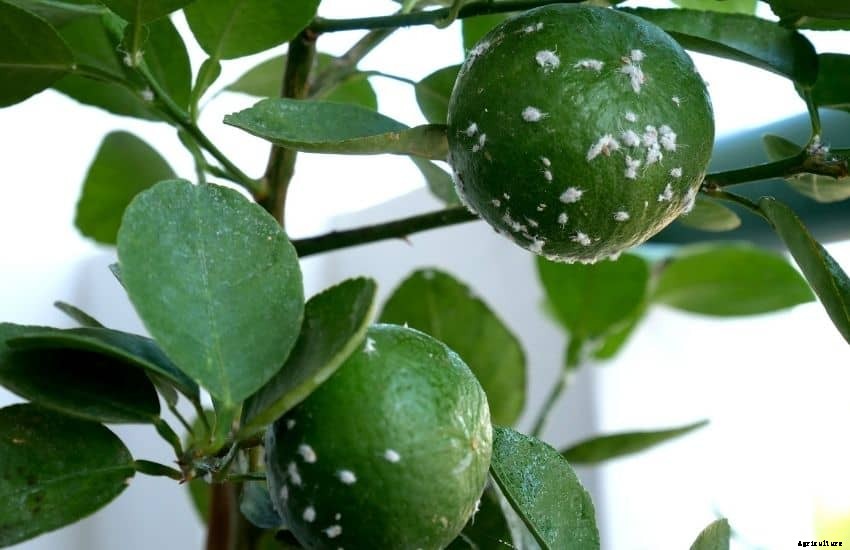
Whiteflies will attack most vegetables. Listed from most to least susceptible are:
Tomatoes, pepper, eggplants, cabbages, squash, and cucumbers. Whiteflies are also partial to the following vegetables: beans, corn, peas, potatoes, spinach, and radishes. Other plants like aloe vera and ferns are also sensitive to whitefly infestations.
Whiteflies usually congregate once eggs have been laid on the underside of leaves by adult whiteflies. When your plants have a visible amount of whitefly presence in one area and not another it is important to look for cues as to where whitefly eggs were laid first.
Whiteflies are found in every region of the United States. It is important to note, however, that they tend to be more common in southern states where temperatures are warmer.
If you suspect or see any evidence of whiteflies on your plants – look for these three clues:
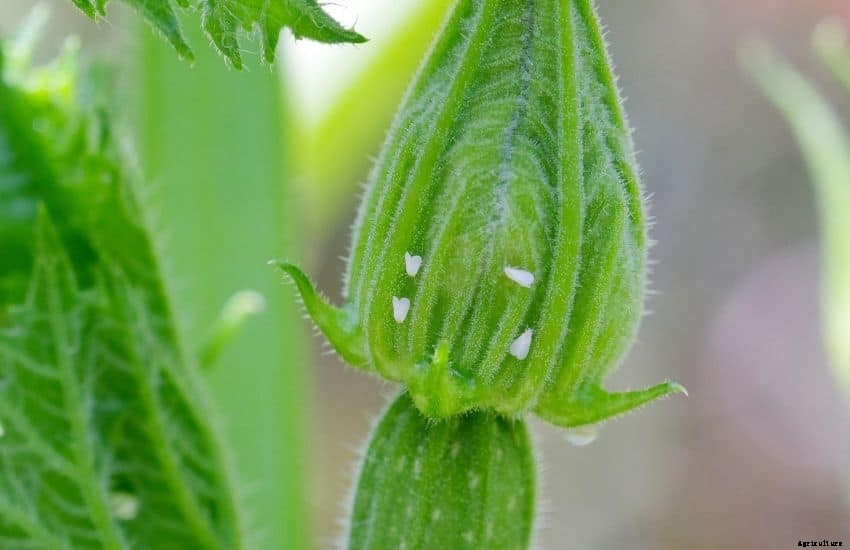
Whiteflies are very small, caterpillar-like insects. They have four wings, which is unusual for most insects that are only a few millimeters in size. When adult whiteflies look like nothing more than tiny specks of dust on your leaves, they may be there for a long time before you notice an infestation.
Whitefly control is usually fairly easy. If you handle the plants with care, can use insecticides safely, and properly store them, then whiteflies will not pose a threat to humans.
These insects do not usually bite; however, they can carry salmonella bacteria in their bodies. You can consume whitefly nymphs as a source of protein and calcium (as long as you don’t eat the whole plant).
Whiteflies feed on nectar and sap from many plants, including cucumbers, zinnias, mints, strawberries, and many other plants in your garden.
You can reduce the likelihood of whiteflies getting into your garden by using some simple preventative methods.
Whiteflies are very small and can enter gardens indirectly through egg laying on plants that have been used for household purposes (towels, clothing, etc.) or via infested trees. You should try to keep a clean garden to reduce the risk of whitefly infestation or from contaminating other plants with eggs.
In order to prevent an infestation, you should:
You may like:
While there are many ways to fight whiteflies, chemical treatments are an effective and wide-range approach to ward off these tiny insects. By carefully using the chemicals themselves, you can be rid of these pests within a few days. You will also find that plants that were previously destroyed because of whitefly infestation can be saved with some new plantings and some preventative maintenance.


