
Welcome to Modern Agriculture!

It’s easy growing fruits indoors for those who live in a warmer climate or those who don’t have access to a garden where they can plant vegetables, but it can be hard to choose which fruits are best suited for indoor gardening. This article would highlight the best fruits that are not only suitable for indoor gardening but will also produce larger yields.
Easiest Fruit To Grown Indoors 1. Oranges How To Grow Oranges Indoors: 2. Raspberries How To Grow Raspberries Indoors: 3. Blueberries How To Grow Blueberries Indoors: 4. Avocado How To Grow Avocados Indoors: 5. Lemons How To Grow Lemons Indoors: 6. Nectarines How To Grow Nectarines Indoors: 7. Strawberries How To Grow Strawberries Indoors: 8. Cherries How To Grow Cherry Trees Indoors: 9. Peaches How To Grow Peaches Indoors: Tools You’ll Need for Growing Fruit Indoors Final ThoughtsHere are the list of 9 best easiest fruit to grow indoors.
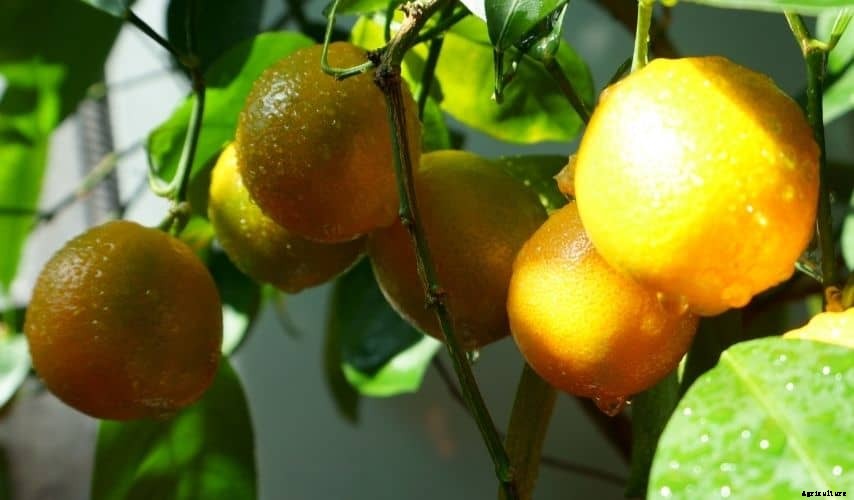
Oranges are one of the most popular fruits that can be easily grown indoors. All you need to do is look for a good growing material such as orange seeds or alternatively, you could also re-plant plant orange saplings.
While it is rather easy to grow oranges indoors, it will take a year before you can start harvesting your fruit, sometimes even longer. But the rewards are definitely worth it.
Read: Growing Vegetables in Pots For Beginners
Raspberries are in fact very easy to grow, even indoors. It doesn’t matter whether you are a first-time grower or not. There is no need for special fertilizers or organic compounds. You can simply use basic compost and root fertilizers when transplanting your raspberry plants.
Wooden Raised Bed for Planting Vegetables and HerbsThe best thing about growing raspberries is that you can eat the fruits straight from the plant as well as make some fresh juice to quench your thirst with.
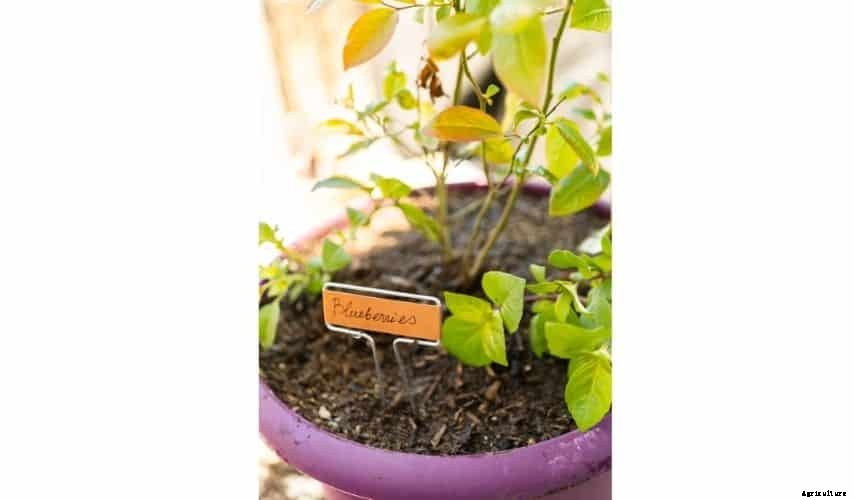
Blueberries are one of the most suitable fruits for indoor gardening as well as outdoor growing spaces, especially if you live in areas with cold winters during harvest season.
Blueberries are known for their intense flavor and sweet taste. They are also packed with antioxidants and nutrients that are very beneficial for health.
Read: How to Plant a Fruit and Vegetable Garden.
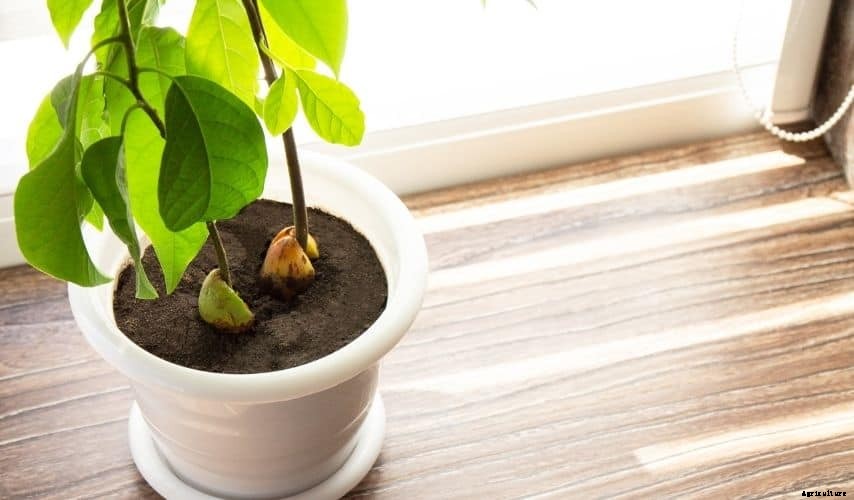
Avocado is one of the most popular fruits that are not only easy to grow indoors but will also produce larger yields. Good avocados tend to do better in warmer climates, but with the right indoor climate controls, you should be able to get some high-quality yields.
Read: How to Start a Fruit Garden For Beginners
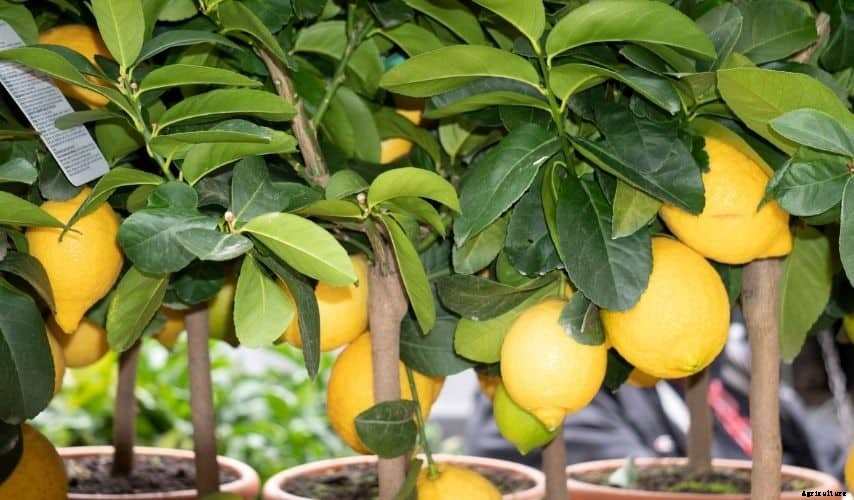
Lemons are one of the easiest fruits to grow and can help in adding more nutrients to your diet. Not only are they extremely fragrant, but they also have dental health benefits as well. You can easily grow lemons indoors, especially if you are in a colder climate area.
Nectarines are popular fruits that can be grown indoors. Not only are they delicious and packed with plenty of nutrients, but they are also an excellent source of vitamins A and C. If you live in a more temperate region, then you should be able to grow nectarines without any issues.
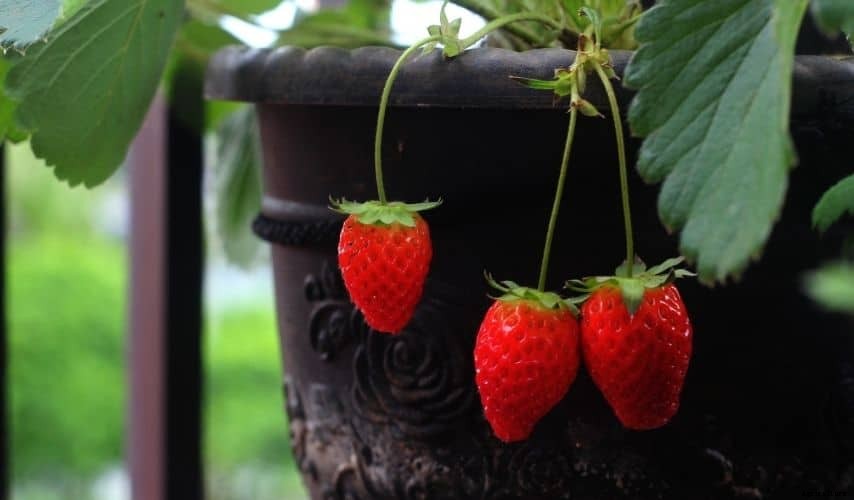
Strawberries should be able to grow well in any climate or place. They are easy to grow because they require little maintenance and water, but they can become fruits that are delicious and full of antioxidants too.
Read: How much sun do strawberries need
Cherries are a seasonal fruit that is delightful in all seasons, but they do grow best during spring or summer.
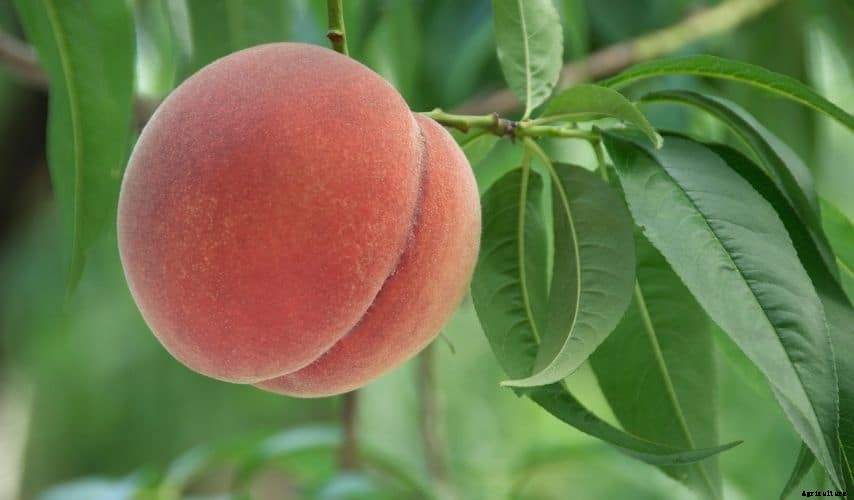
Peaches are a fruit that can be grown both indoors and outdoors with ease, but it is best enjoyed when it is in season during summer. Peaches are known for their sweet and sour taste which makes them better than many other fruits.
Make sure you get seeds that are of the dwarf variety and self pollinating, this will help you keep the plants contained to a confined space.
Take a pot that is at least 6 inches deep with good quality soil. You’ll also want to add some fertilizer to the soil after it is well watered.
Take a peach seed and place it in the pot. You can then cover that with the soil and nutrients. It will then take about three months for the plant to bloom, but don’t be too concerned because you can monitor this by checking on your plant every few days.
1. Pot/Container
When you are looking for a container to grow your fruit, look for one that has plenty of drainage holes and is at least 1-2 gallons in size. This will ensure that there are enough nutrients in the pot for the plant to grow well.
2. Fertilizer
You can use organic fertilizers in order to keep your plants healthy and growing well. Make sure that they have plenty of micronutrients in them.
3. Soil
Use good quality soil that is well composted and rich in nutrients. This will ensure that your plants grow well and are healthy at all times. Make sure that you do not over or under-fertilize the soil because this can lead to issues with your fruit’s growth and flavor.
4. Windows for Sunlight
When it comes to growing your fruit indoors, make sure that there is plenty of light from windows in order for your plant to grow evenly. Sunlight provides your plants with the energy that they need to thrive. Making sure that you properly have light angled toward your plants is essential for fruit growth.
5. Watering Can
A watering can is essential for watering your plants. Not only will this ensure that they have proper nutrients, but it will also help to prevent water from splashing out and overwatering nearby plants.
6. Humidifier
If you are worried about your plant drying out, then consider using a humidifier in the room where you are growing your plants. This will help to keep the moisture level high and ensure that your plant remains healthy, even when the seasons are starting to change.
You may like following articles:
Indoor gardening is not only fun, but it can also help you save money on food. You will find that growing your own fruits is easy and gives you the satisfaction of seeing your plants grow without any stress. There are so many different kinds of fruit trees that grow well indoors, and getting started small is an easy way to begin.


