
Welcome to Modern Agriculture!

The world of hydroponics can be a bit intimidating to someone new to the methods. Even the subject of growing medium can seem convoluted. Should I use floral foam? Growstones? Perlite? Oasis cubes? Coconut chips or fiber? Rockwool? Should I just go jump in a river and fish for rocks?
Before you end up shivering from a frigid dip in the nearest river, look to this guide for information on a particular growing medium that is quite popular amongst hydroponics gardeners.
Hydroton, otherwise known as lightweight expanded clay aggregate (Leca for short), has lovers and a few haters as well, like any medium available.
Allow me a bit of your time to lay out the good, the bad, the “do’s,” and the “don’ts” of this product.
I’ll start with the “What?”
When searching for information on this subject, you will find there are several names it goes by: expanded clay pebbles, leca clay, and clay balls are all examples. It is made by heating clay to over 2,000 degrees Fahrenheit using a rotary kiln, which gives it that signature pebbly form. This process fills the clay with little air bubbles, making it perfect for holding oxygen as well as moisture around plant roots. It can be mixed with soil or used alone.
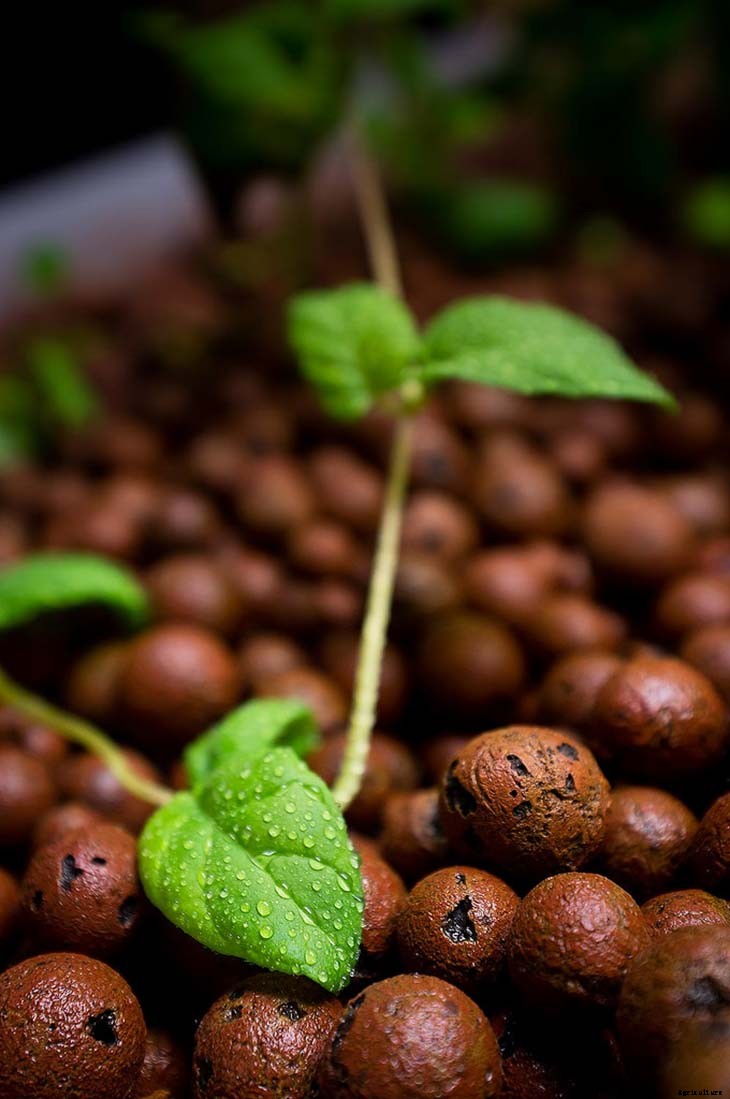
Leca clay is a popular medium because it has a number of upsides and only a few downsides. How those downsides affect you depends on your time, patience, and resources. A truly impatient gardener is probably in the wrong business anyway and should take up something more instantly gratifying. Like skydiving.
Benefits of Expanded Clay Pellets
Downsides of Expanded Clay Pellets
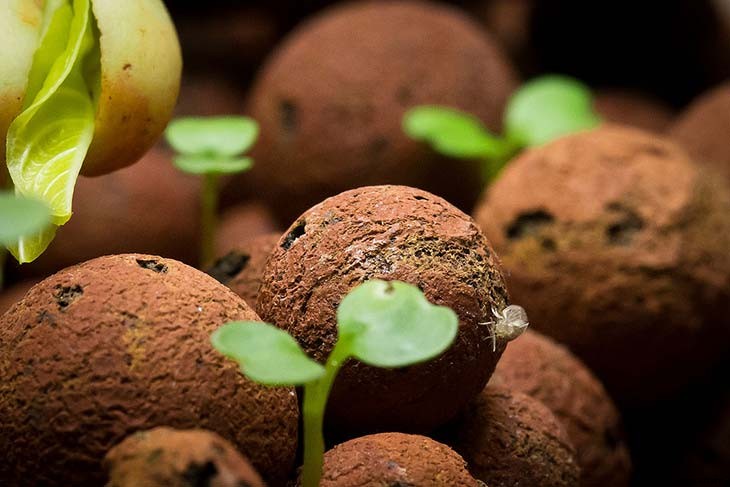
The ebb-and-flow system and the drip system are the usual recommended methods for using these clay pebbles. Here are some do’s and dont’s to keep in mind while working with them.
Do’s
Rinse the pebbles thoroughly before using. As mentioned before, skipping or skimping on this step may lead to more expensive problems down the road. Take the time to do it thoroughly from the very get-go. You’ll be glad you did.
Soak the pebbles for at least six hours or, even better, up to 24 hours. Yes, the medium will be heavier but your plants won’t have to work hard to get to the water they so desperately crave.
Remove the plants and rinse occasionally. While these clay pellets are known for their neutral pH and lack of nutrients, they can still absorb and hold onto the nutrients you add along the journey. After time, phytotoxicity can build up and starve the plants. Watch for any whitish residue on the top and rinse the plant and pebbles with a pH-adjusted liquid. You can also leach the system with the liquid.
Add a small amount of nutrients after rinsing your pebbles. You can use one-quarter strength of your base grow nutrient or a nutrient solution of 0.4 electrical conductivity or less.
Give starting your seeds a try using clay pebbles. You can crush the medium to increase saturation or you can keep them whole, use small net pots, and cover the seed with a couple of pebbles. Misters set to bursts lasting four to 10 seconds every two or three hours will bring on germination. Just make sure you have soaked the pebbles beforehand. If you don’t have misters, manual feeding will work fine, too, as long as you don’t let the pebbles dry out.
Don’t reuse the pebbles without rinsing, soaking, and sterilizing with isopropyl alcohol or peroxide. Taking the time to do it right will save headaches later.
Don’t let the pebbles dry out. Ever. Period.
Don’t use a regular pot unless you have a dedicated water source. Using regular pots can sometimes lead to algae and draining issues.
Don’t use the pebbles as a substitute for soil outdoors. You can certainly use them in conjunction with soil but not as a replacement in your outside garden.
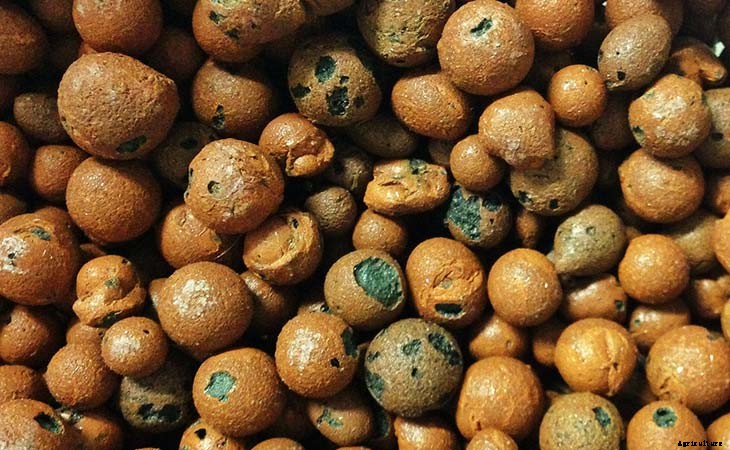
While clay aggregate is a popular medium used in hydroponics, it is far from the only method. Media are often combined and traded like baseball cards for the die-hard fans. The following list names a few of the alternatives to clay.
Expanded clay pellets are a great choice in growing media as they are reusable, last a long time, and can be used in different hydroponics systems and different stages of plant growth. They do require a bit of effort and time to get the most out of them while protecting your mechanisms but for many people it is well worth it.
Got questions? Feel free to ask them in the comments. While you’re at it, share your own experiences using these little red pebbles, too. And if you have any friends who want to know more, please share this article with them. Thanks for reading!


