
Welcome to Modern Agriculture!

Compost or fertilizer — which one is best for your garden? If you are new to gardening, you may notrealize that there are some significant differences between the two when it comes to creating ahealthy environment for your plants.
Read on to learn which side of the fence you stand on in the compost vs. fertilizer battle.
Compost is the result of various decaying organic substances — think manure and dead leaves —being mixed together. Once formed, compost works to feed the soil.
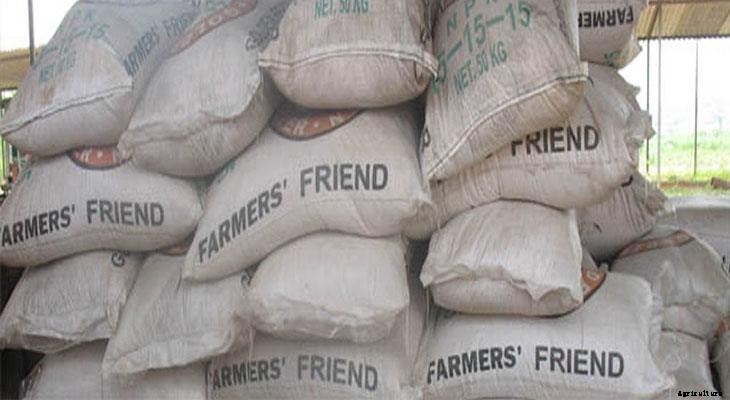
Fertilizer is one of a large number of natural and synthetic materials, which can include manure,nitrogen, phosphorus and potassium compounds. It can be spread onto or worked into soil as ameans of supporting plant growth.
Compost, or black gold as it is sometimes referred to, offers many benefits to gardeners. Forexample, Compost can:
Time is the main drawback of compost, if you are planning to make your own. It is important to bearin mind that you may have to wait a few months for home-made compost to become effective, asmatter takes a while to decay.
Another thing to remember when making your compost is to never add plant remnants containingsoil-borne pathogens to the mixture. Doing so can cause an infestation in healthy plants.
If you would like to make your own compost, here’s how to do it using a self-assembly bin:
One of the key benefits of a fertilizer is that it adds nutrients to the soil. The fact that fertilizer specifically targets a plant’s needs is another advantage, as it enables them to grow much faster.
Fertilizer helps alleviate certain deficiencies in your plants. It can enrich plants which are lacking in micronutrients or macronutrients like calcium, potassium, magnesium or phosphorus?
There are different variants of fertilizer available to you too. Choose fast-release fertilizer to instantly provide plants with nutrition or select slow-release fertilizer to give nutrition to your plants over an extended period of time. Pellets are a popular example of the latter.
Fertilizer does have the following drawbacks, which you must consider before making a purchase:
As we have established, there are various pros and cons when it comes to both compost and fertilizer.
The main case for fertilizer is that it works to quickly amend soil with the aim of growing healthplants. However, bear in mind that fertilizer is made up of synthetic chemicals.
On the other side of the coin, compost is organic and also cheaper than fertilizer — even more so ifyou make your own. Just be prepared to be patient if you opt for home-made compost.
Which one do you prefer? Let us know if you swear by compost or prefer fertilizer and your reasons why in the comments below.


