
Welcome to Modern Agriculture!


Gardening can be a rewarding hobby, whether you stick with plants and flowers or branch out into vegetable gardening. And having a thriving garden is easier than you think. Read all about the benefits of growing your own food and more in this vegetable planting guide. You’ll learn what gives organic gardening the edge over conventional methods, find out how you can make vegetable gardening work indoors or out, and much more.
From minimizing pesticides and chemicals to exploring new varieties of fruits, vegetables, and herbs you can’t find at your local supermarket, there are more than a few good reasons to grow your own food. While it takes time to establish your garden and see it thrive, it’s worth the effort — especially when you consider the ways you and your family can benefit.
Here are just a few reasons to start a home garden:
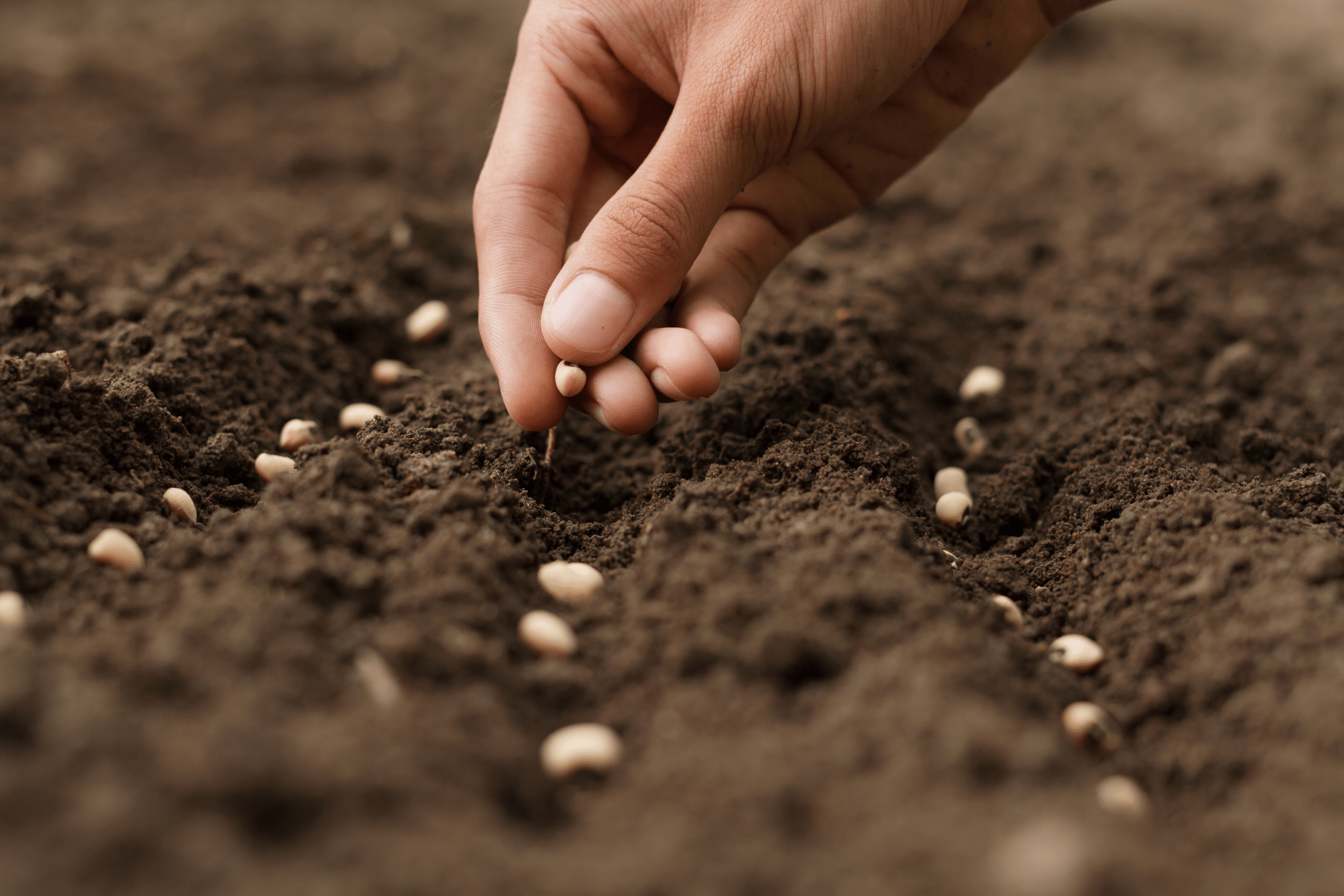
You’ve likely heard a lot about choosing organic lately. From big box stores to farmer’s markets, more people are interested in organic foods. Like growing your own food, there are plenty of good reasons why organic gardening is worth considering. Keep these ideas in mind while you decide if keeping an organic garden is right for you and your family.
Better soil quality is one of the most significant advantages organic gardening offers over conventional practices. When you keep your own garden, you’re in charge of maintaining the soil quality every step of the way.
Start with organic potting soil. Unlike conventional soil, an organic potting mix will have an abundance of organic material rich in vital nutrients that will nurture every inch of your plant’s roots. A high-quality blend will also allow your plants to get enough oxygen and maintain proper drainage.
There are other things you can do to maintain your soil quality too. Go for organic fertilizers such as bone meal, compost, and manure over conventional options. Over time, your organic fertilizer will work with microbes and fungi already present in your garden to improve your soil.
Psst: Back to the Roots will be launching its own organic potting soil in Spring ‘21, so keep your eyes peeled!
Reduced chemicals and other nasties is another reason people decide organic gardening is better for their families.
Starting an organic garden is a terrific way of cutting back on the number of chemicals and pesticides that make their way into your home. Try using mulch as an alternative to chemical-laden weed killers to control weed growth. Pine straw, grass clippings, leaves, and wood chips will work to keep weeds at bay.
Instead of hazardous pest control sprays, get crafty and make your own insecticidal soap or find organic-safe versions at your local garden center.
There are other natural pest control options too. Believe it or not, ladybugs are more than just friendly visitors in your garden. They love to chow down on aphids, mites, and other small insects that can wreak havoc on your vegetable crops. Diatomaceous earth is another easy and safe option to use around kids and pets, but be sure to reapply after rain showers or waterings.
Psst: If you have bunnies, deer, and other animals visiting your garden, think about putting up fencing or offering alternative food sources. Sometimes it can be as simple as planting things they don’t like. Plants that are strongly scented or have tough leaves that aren’t good for chewing may discourage them from coming back.
Keeping an organic garden is an earth-friendly activity. When you avoid chemicals and pesticides in your garden, you’re preventing contaminants from making their way into the water supply or damaging the soil.
You’re also protecting important wildlife. Pollinators such as bees, butterflies, and moths are safe in chemical-free gardens, as are any birds that might help themselves to a taste of your fruits and veggies.
By choosing produce from your garden over the grocery store, you’re helping to eliminate pollution too. Instead of being trucked across state and county lines, your produce never has to travel farther than your garden bed to your plate — which puts more money back in your wallet, too.
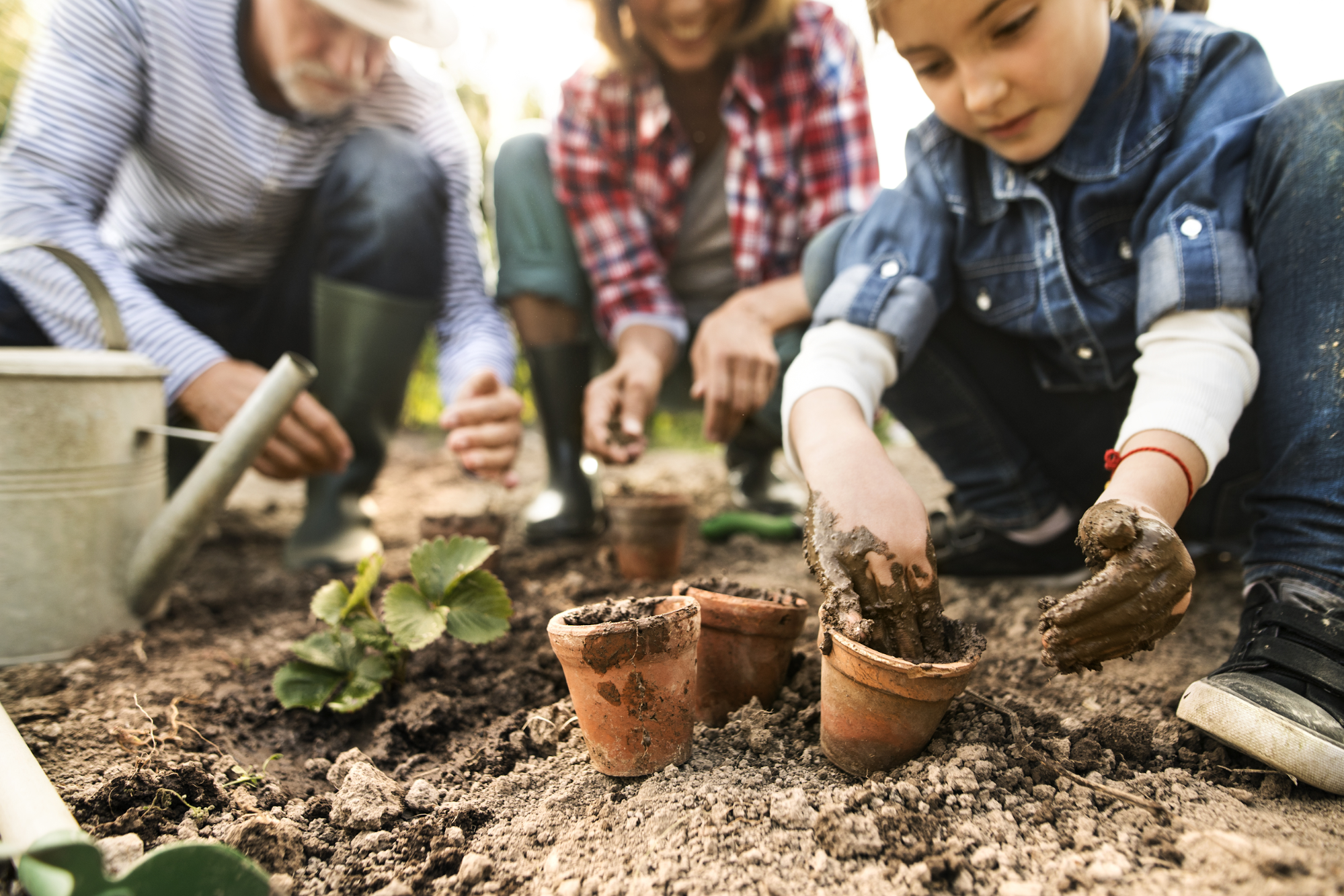
Before you officially break ground and start planting, give some thought to where you’d like to have your garden.
Do you have room in your backyard or on a balcony for a few pots? Maybe you’re short on space and only have a kitchen countertop or windowsill. Whether you’re hoping to spend early spring and summer in the yard or are curious about setting up a winter vegetable patch, you can still have a successful garden. The key is proper preparation.
When you’re trying to narrow down planting dates and decide what you should put in your garden, start with a plant hardiness zone finder. Then check your frost dates. These are two critical factors that can make all the difference in your vegetable garden.
Unless you decide to start an indoor garden, where you live will determine your growing season. Generally, you’ll want to wait until the last frost before planting your seeds. Otherwise, cooler soil temperature could adversely affect germination.
If you live in a region with a shorter growing season, you can always start your seeds indoors and then transplant them once it’s warm enough.
Psst: Look on the back of your seed packets for a wealth of gardening information. Everything from spacing to sunlight requirements is right on the packaging.
Short on space but still want the pleasure of keeping a home garden? No problem. These options work in tight spaces and still help you enjoy growing vegetables indoors:
Outdoor gardening gives you more flexibility than indoor gardening, but it’s still important to be mindful of where you plant. Your plants need to get enough sun while being protected from the elements. Here are some ideas to get you started:
One of the best parts of having your own vegetable garden is growing what you want and experimenting with new varieties or favorites that aren’t easy to find at the store. If you’re looking for vegetable inspiration, check out this list of vegetables to get you started, from juicy summer crops to a savory fall harvest:
While it will depend on your climate, warm-weather crops generally do best after the danger of frost has passed. Remember, if you have a shorter growing season, you can start your plants indoors before transplanting them outside.
You don’t have to wait for winter to roll through your region before you start planting cool-weather crops. Summer’s warmer temperatures can support the germination process, especially if a plant takes longer to reach maturity. Be sure to cross-check the information on your seed packets with what grows best in your region.
Few hobbies are as rewarding as gardening. You can save money, stay on track with healthy habits, care for the environment, and connect with nature. No matter how much (or how little) space you have, there’s a way to make vegetable gardening work with your lifestyle.
With our vegetable planting guide, you can feel confident getting to work on your own veggie garden. These creative tips and tricks will help you and your family enjoy a bounty of fresh fruits, vegetables, and herbs. For more gardening guides and inspiration, be sure and check out more on the Back to the Roots blog!


