
Welcome to Modern Agriculture!

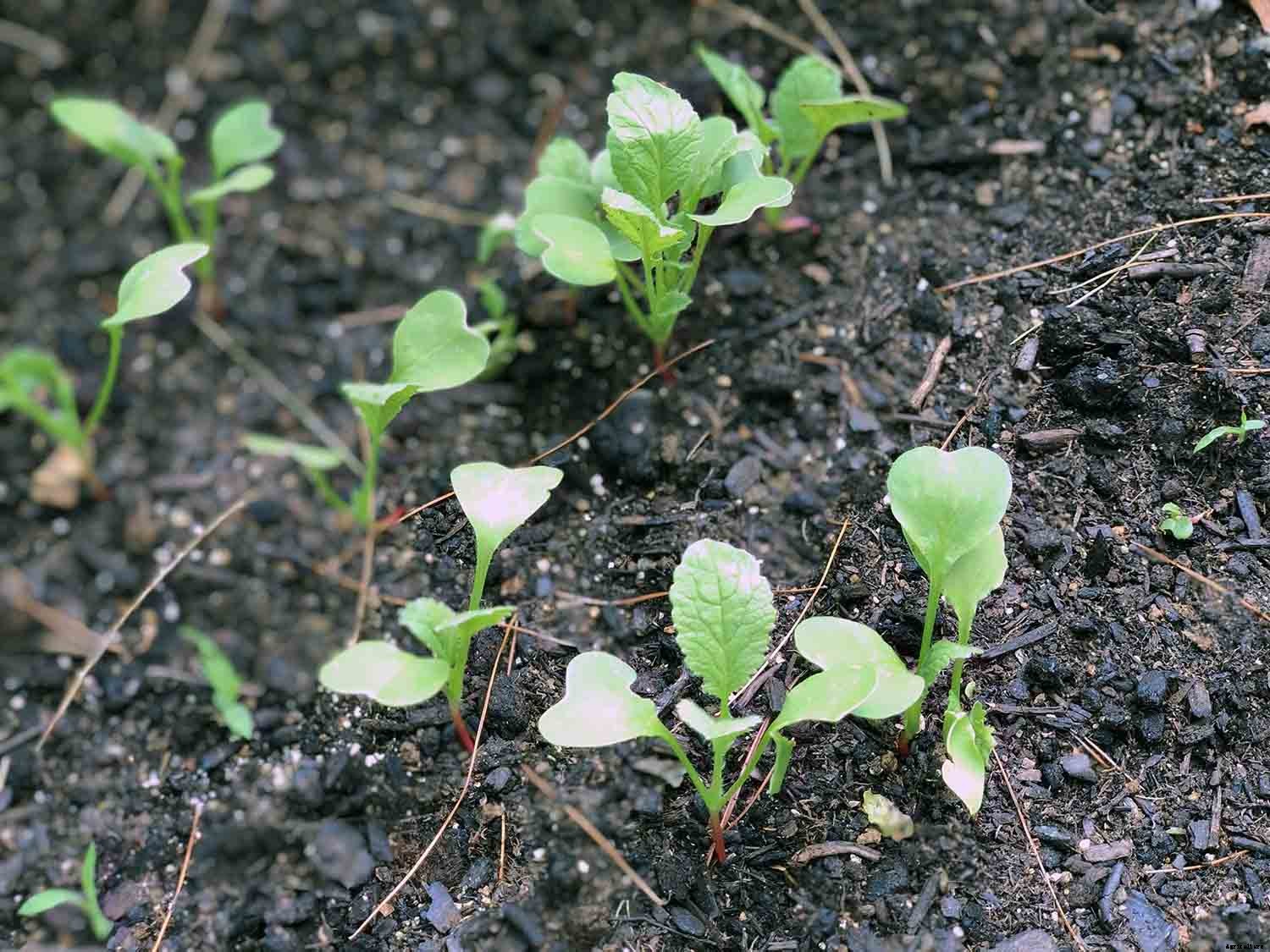
It takes a lot of trust to direct seed vegetables. Slowly over the years, I developed this trust. Now, I am quite comfortable with direct seeding. But like anything in gardening, knowledge and planning are key. I am fortunate to garden in two zones 6b in New Jersey and 9b in Florida. While the climate and soil in these zones are significantly different, by following a few basic practices, success with direct seeding vegetables can be achieved regardless of location. Let’s learn about direct seeding vegetables.
What is direct seeding? Direct seeding or direct sowing is when seeds are planted in the garden directly where they will germinate and grow to maturity. This is different from transplants. Transplants are seeds that were sown in a container. Then the resulting seedling is transferred from the container to the garden.
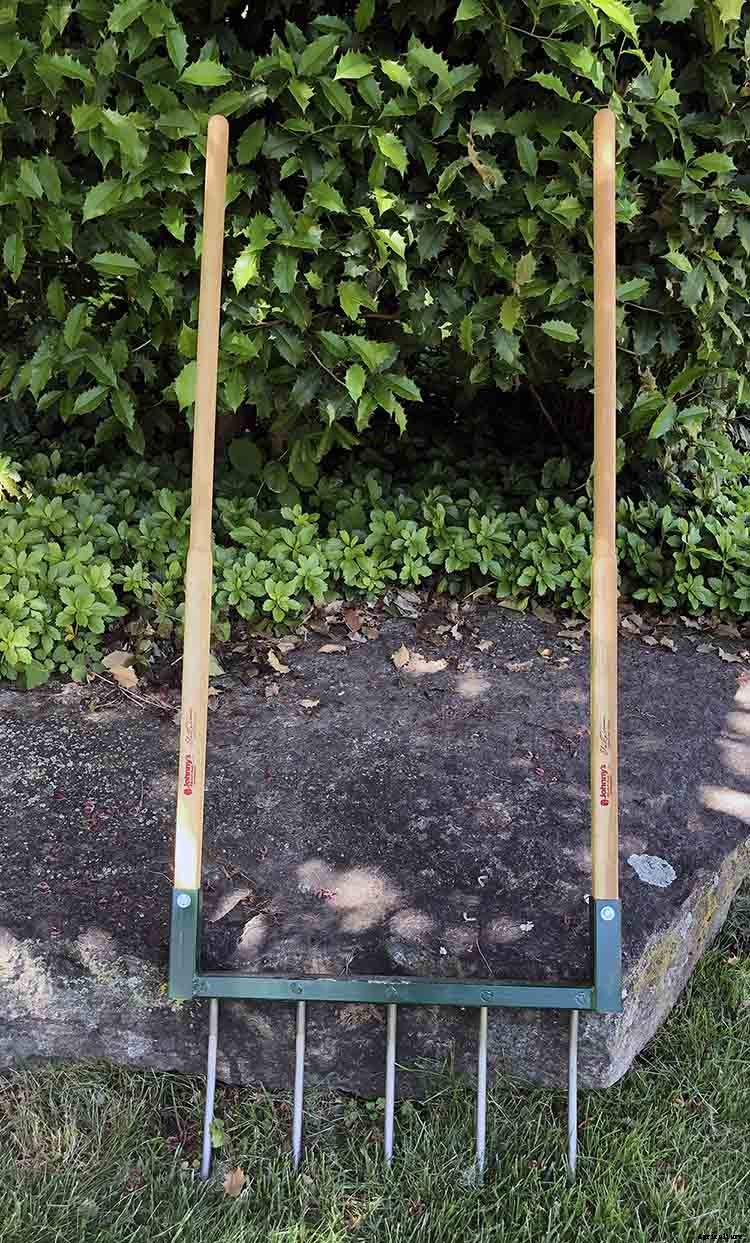
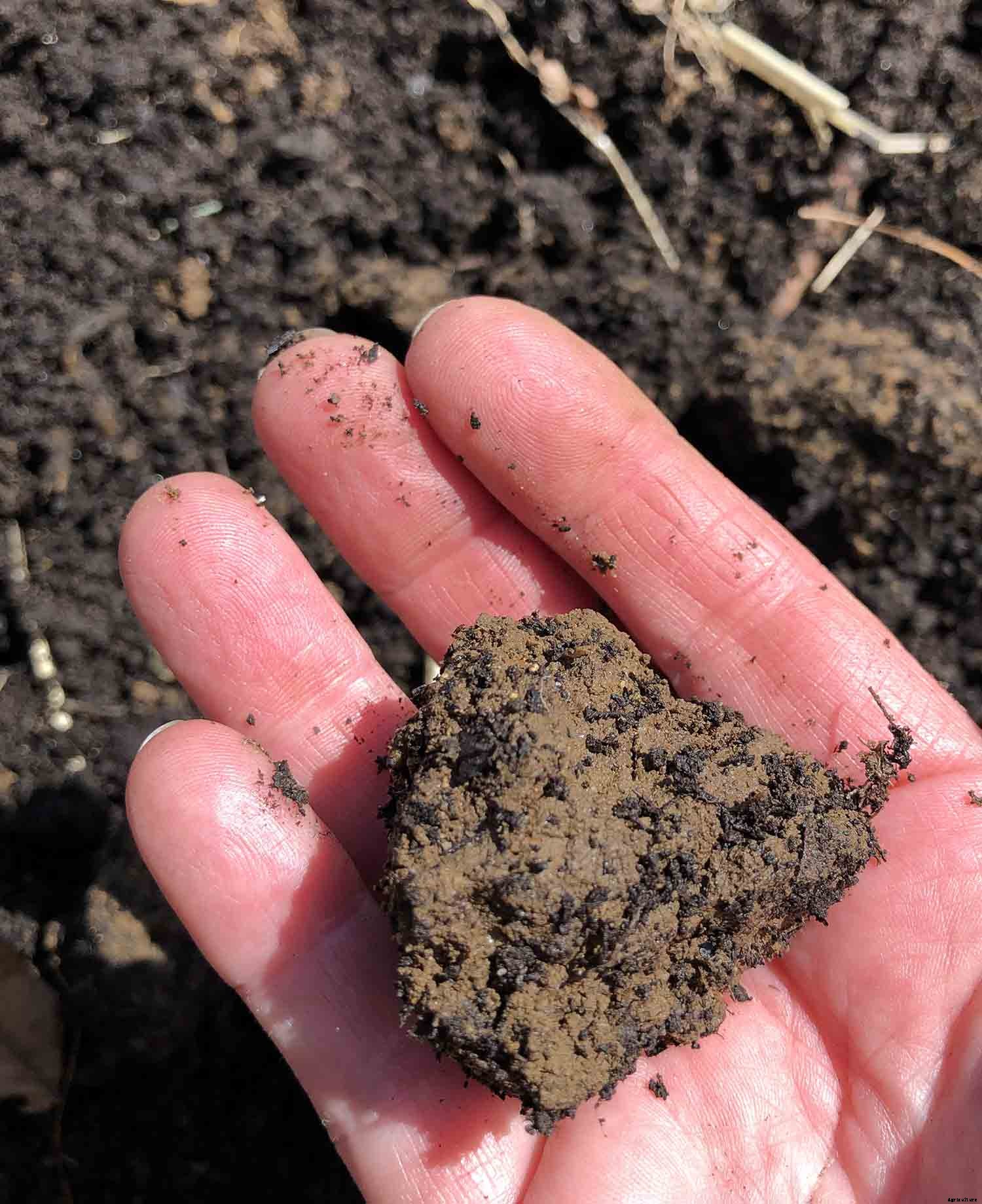
Cultivating soil is the first key to success. Simply stated, soil cultivation is the process of improving the condition of the soil prior to planting. The benefits of cultivation include establishing good soil structure, breaking up hard soil particles, aerating the soil, and increasing soil temperature. Cultivation as a two-step process. Tip: The soil should be dry when cultivating.
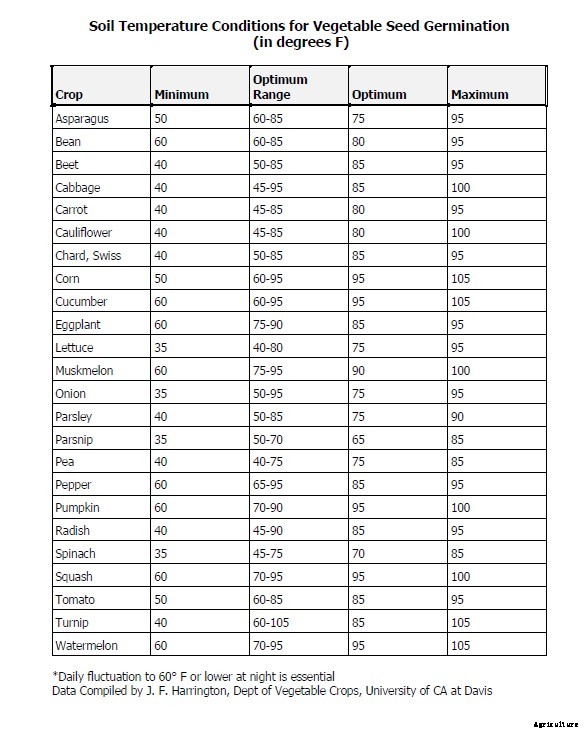
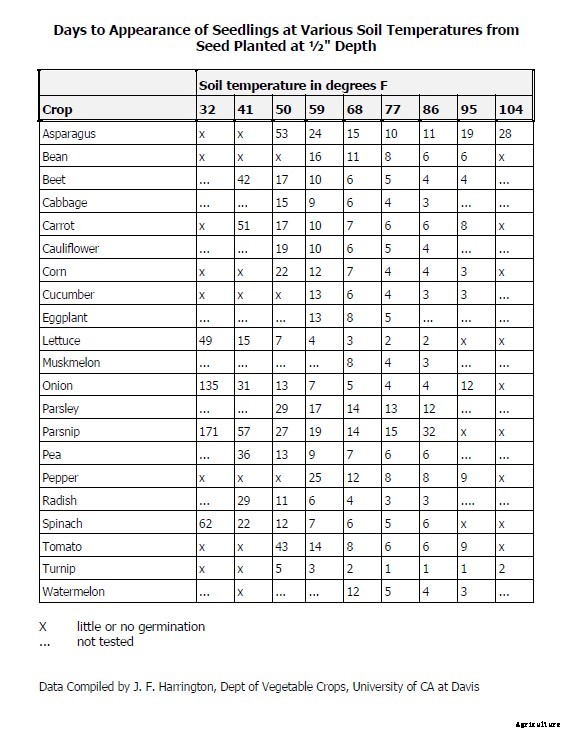
Seeds require a certain soil temperature to germinate. A specific plant has both an optimum and range of temps at which germination will occur. Use a soil thermometer to determine the current temperature of the soil.
See the two charts below for a reference on soil temperatures needed for the germination of various vegetables. These charts were developed by JF Harrington, The Dept of Vegetable Crops, the University of CA at Davis. This reference includes the minimum soil temperature at which germination can occur along with the optimum and maximum temperatures. The second chart is a predictor of when germination will occur based upon a range of temperatures. This is very handy information.
Before direct seeding, moisten the soil. Tip: Test the soil for moisture content. When compacted in your hands, the soil should form a ball. This is ideal for direct seeding. Maintain soil moisture during both germination and when seedlings emerge. While seeds are germinating, overhead (hose) irrigation is fine. Once the seedlings emerge, it is best to use drip irrigation.
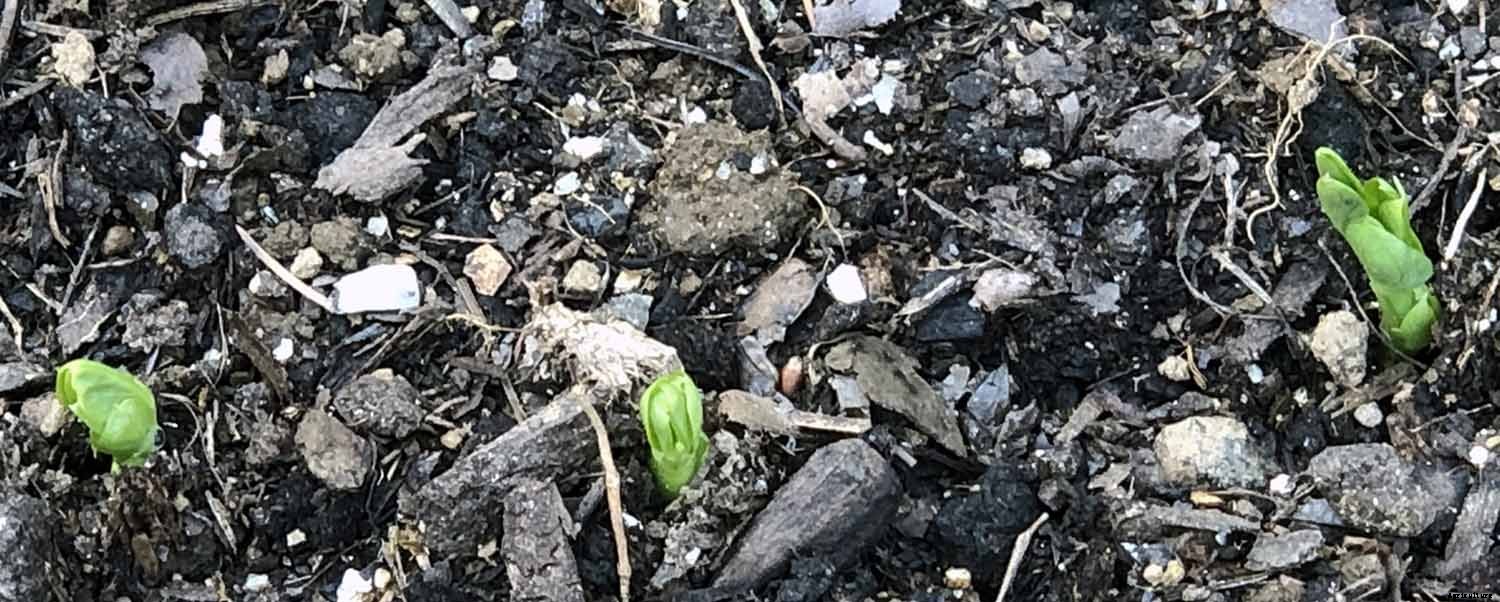
With direct seeding, the rule is to plant 2-3 times the number of seeds. For example, to produce a crop of 25 carrots, plant 50-75 seeds. Not all the seeds will germinate and thus the risk is mitigated by planting the extra seed. However, it’s likely that more than 25 seedlings will emerge. When this happens, the seedlings need to be thinned.
Crowded seedlings compete for space, nutrients, water and light. Thinning is the process of removing (pulling out) seedlings that are crowding each other. Check the seed packet for proper spacing, then thin to this spacing. Thinning is not a process that most people enjoy, but for a healthy crop, it is a necessary step.
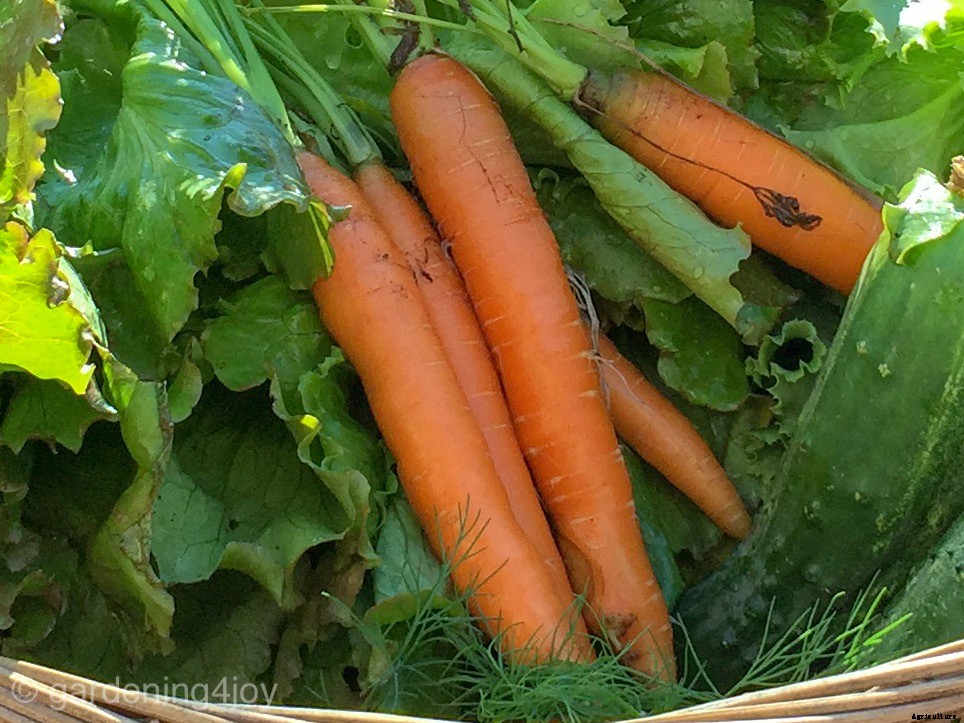
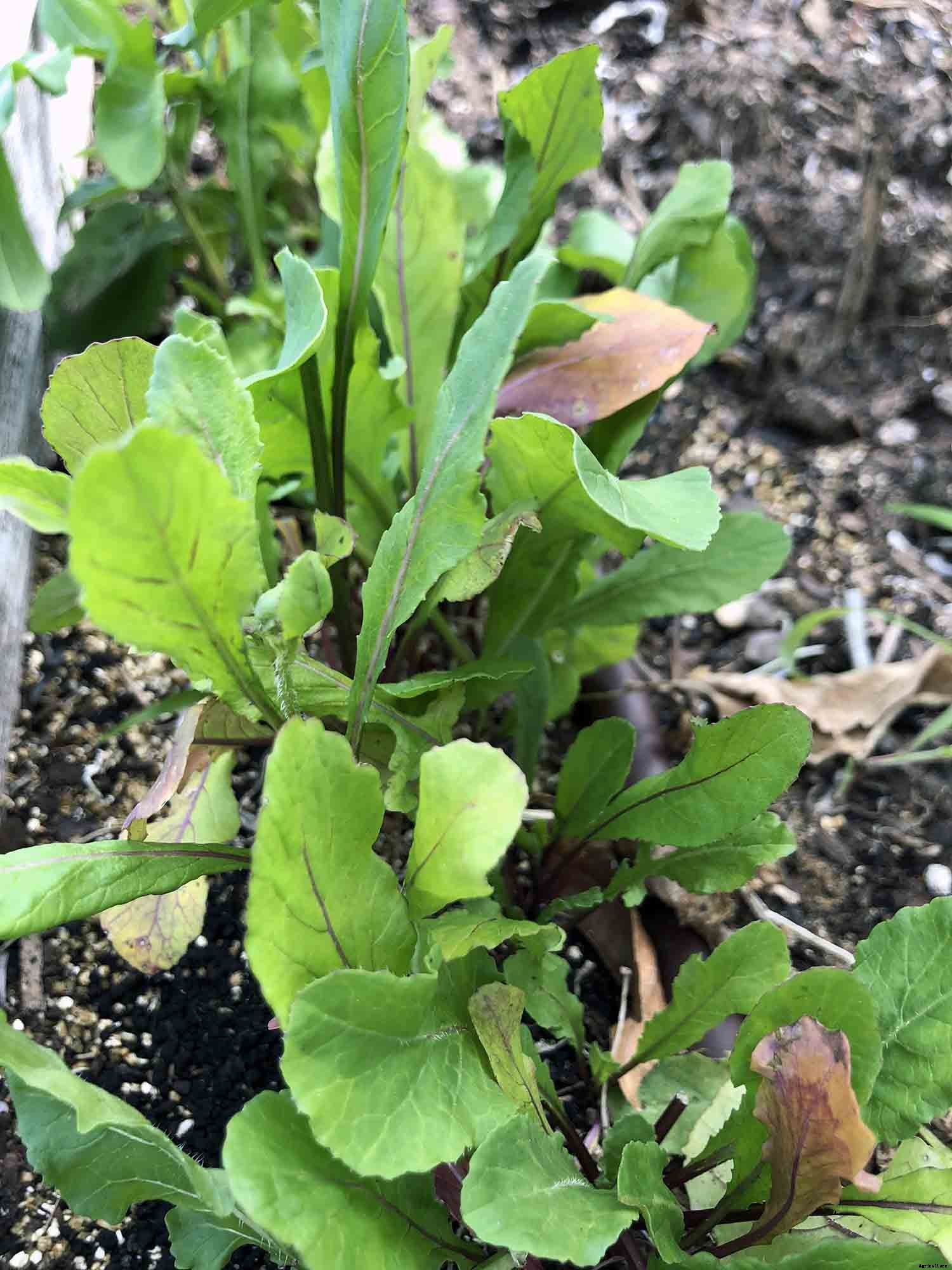
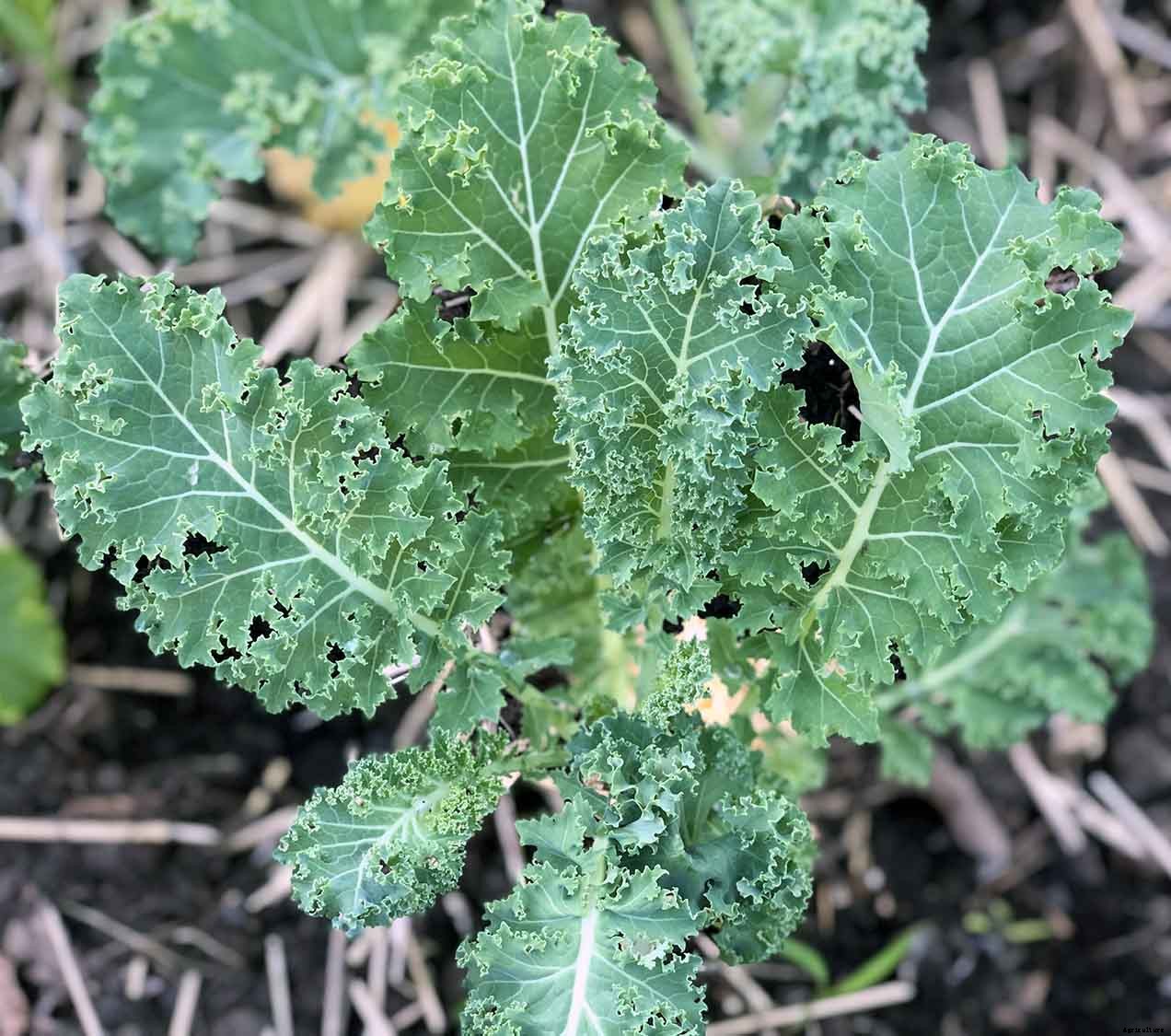
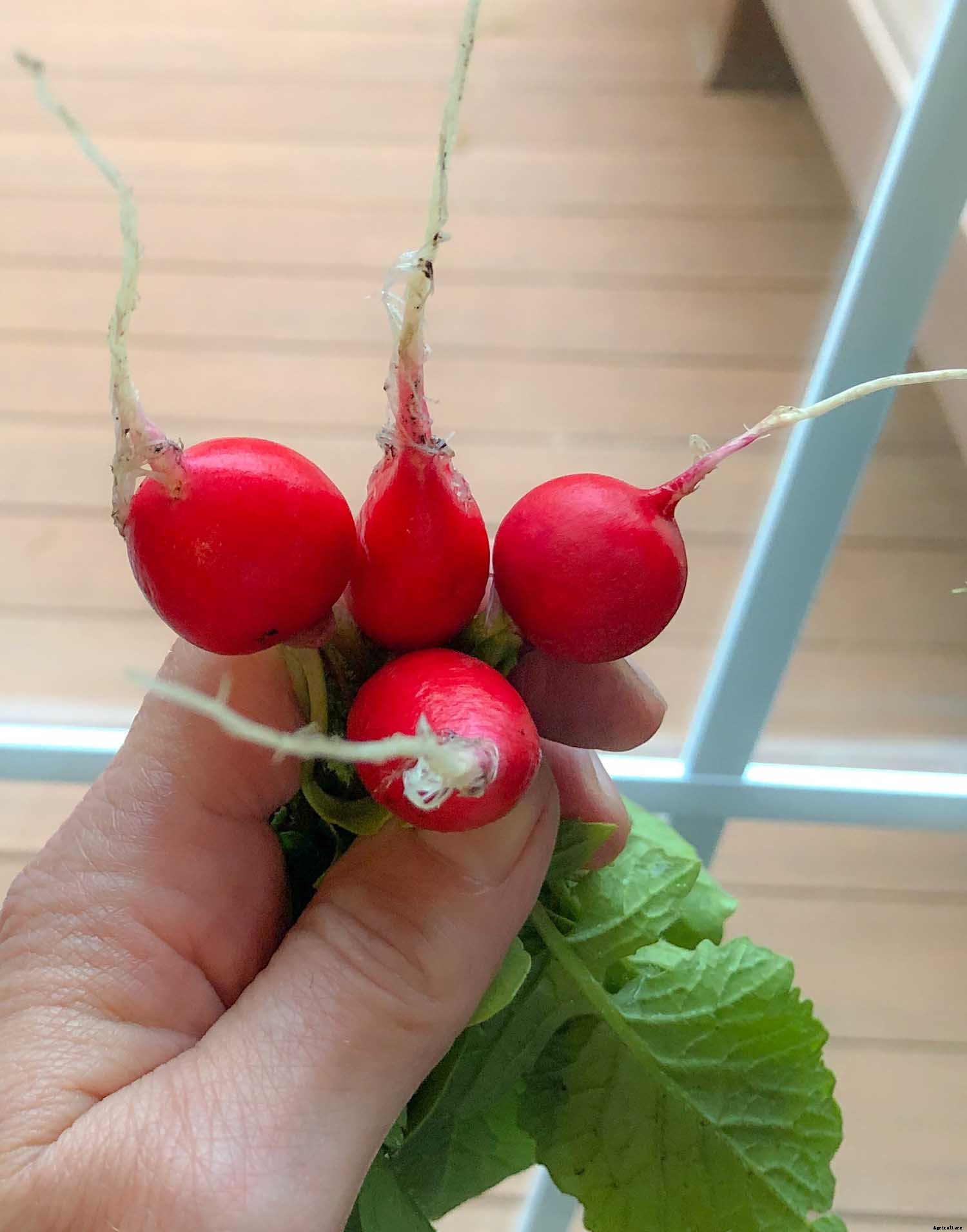
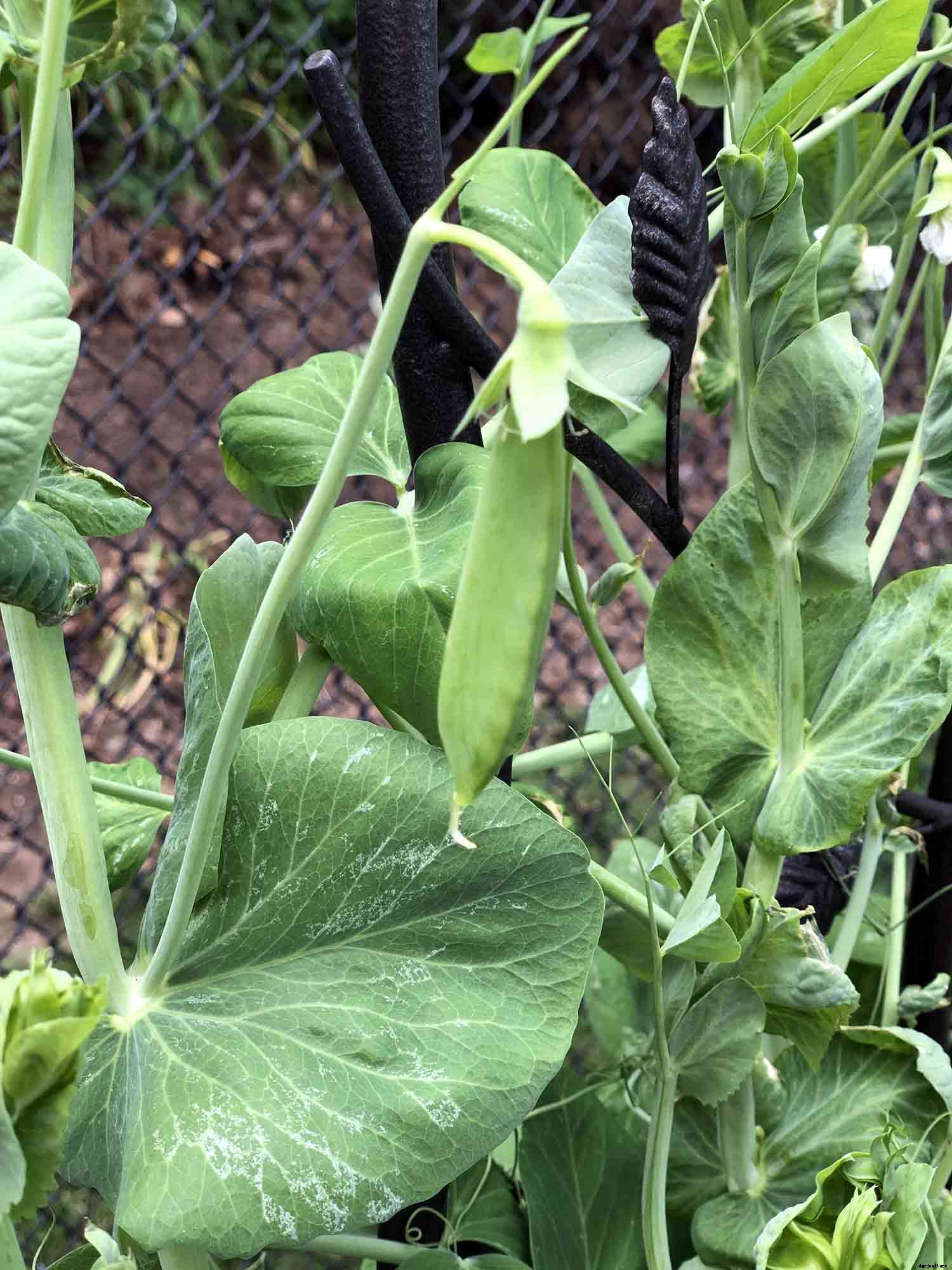
By following the above steps, you should meet with both joy and success in direct seeding vegetables. Good luck!
Other articles that you may find interesting:
