
Welcome to Modern Agriculture!

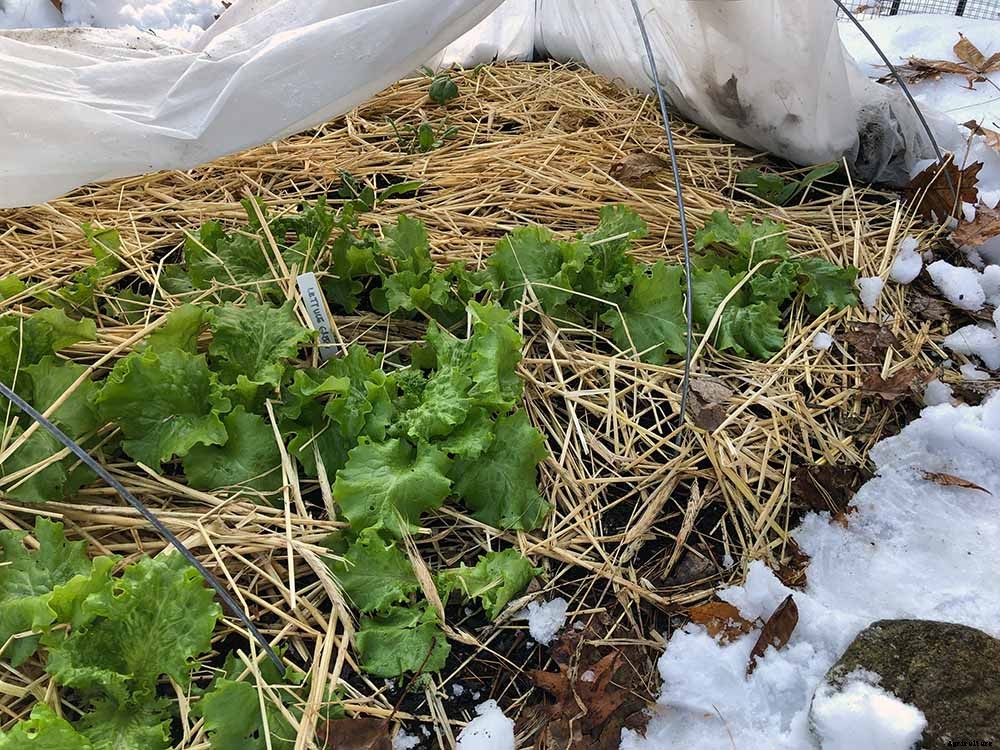
For many years, I never thought about planning a fall vegetable garden. With a full-time job and raising three children, I was happy enough to have a summer vegetable garden. But time passed and life became less hectic. Now, gardening is my main hobby and the fall is a great time to be out in the garden. For me, my thinking shifted to use as much of the year as possible and not limit myself to spring and summer vegetable gardening. What follows are my tips from experience and research on getting the most from your fall vegetable garden.
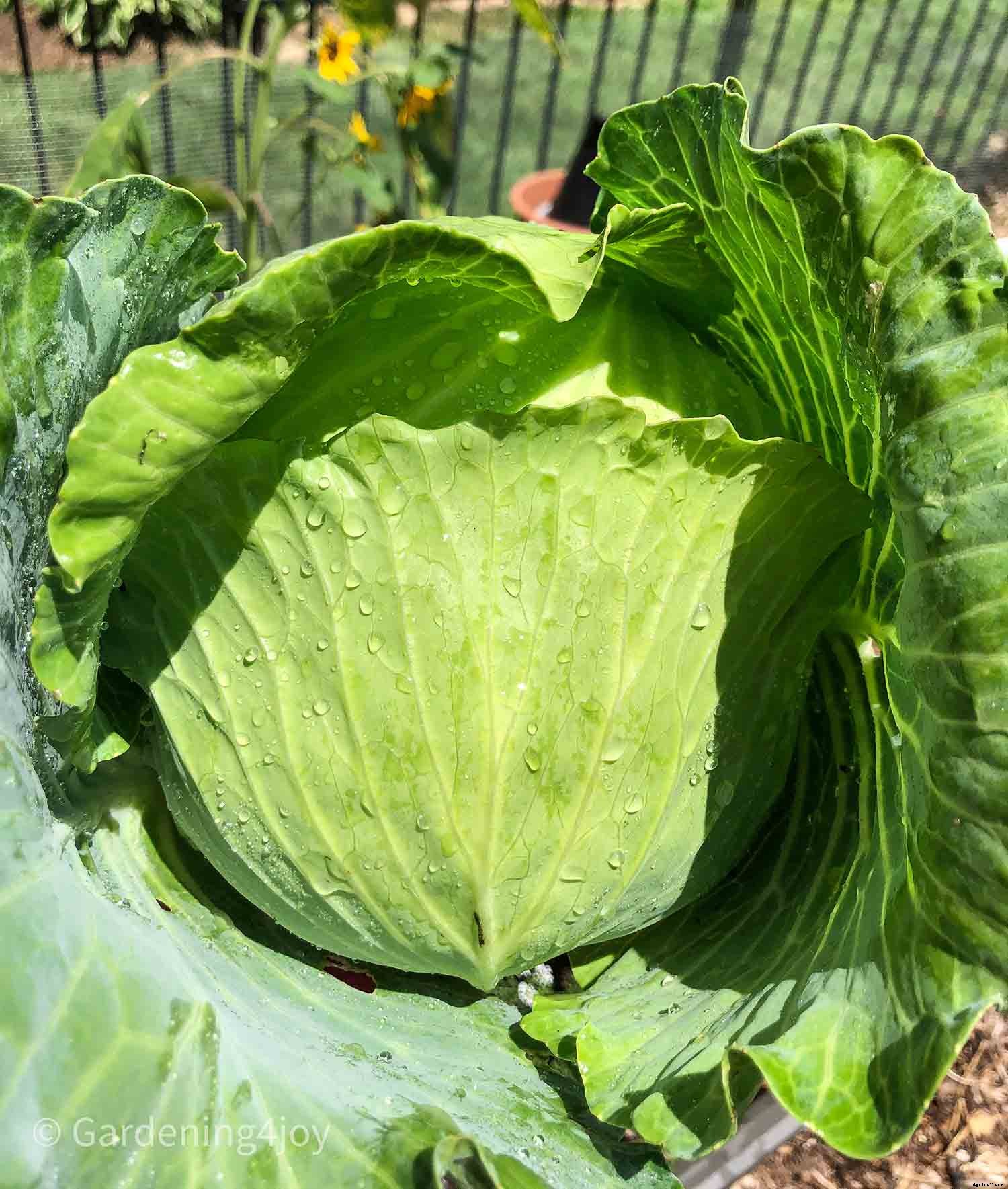
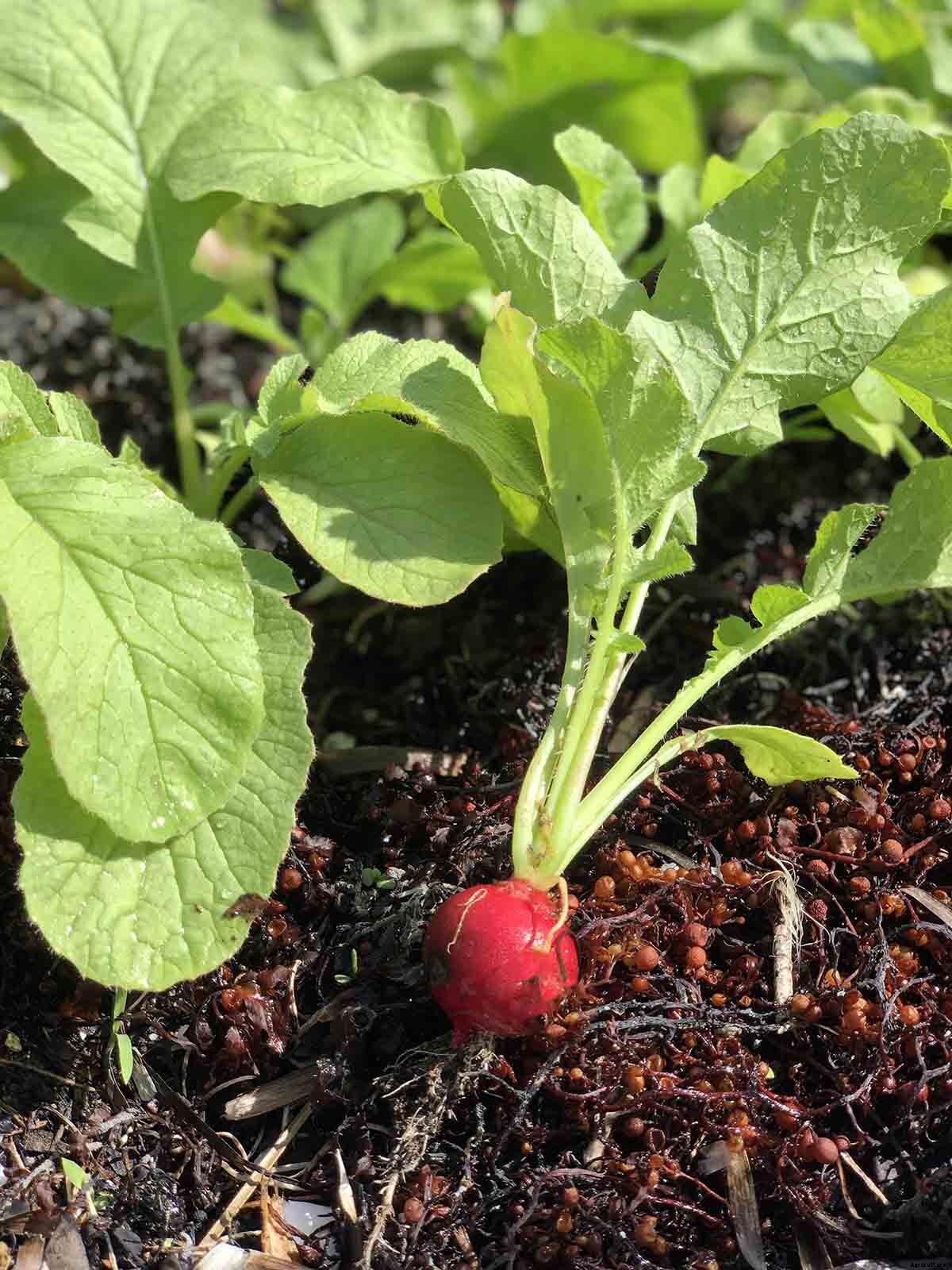
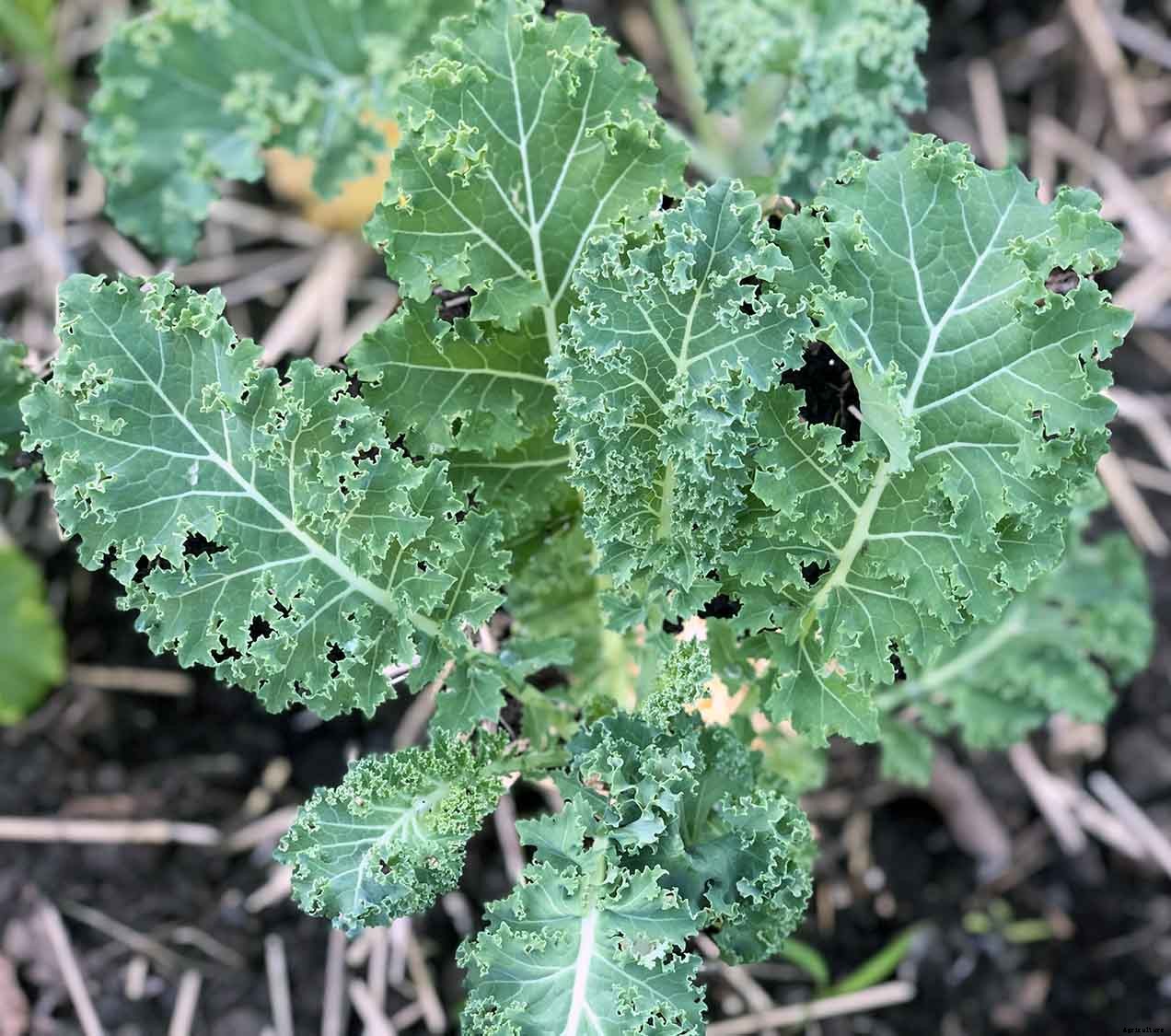
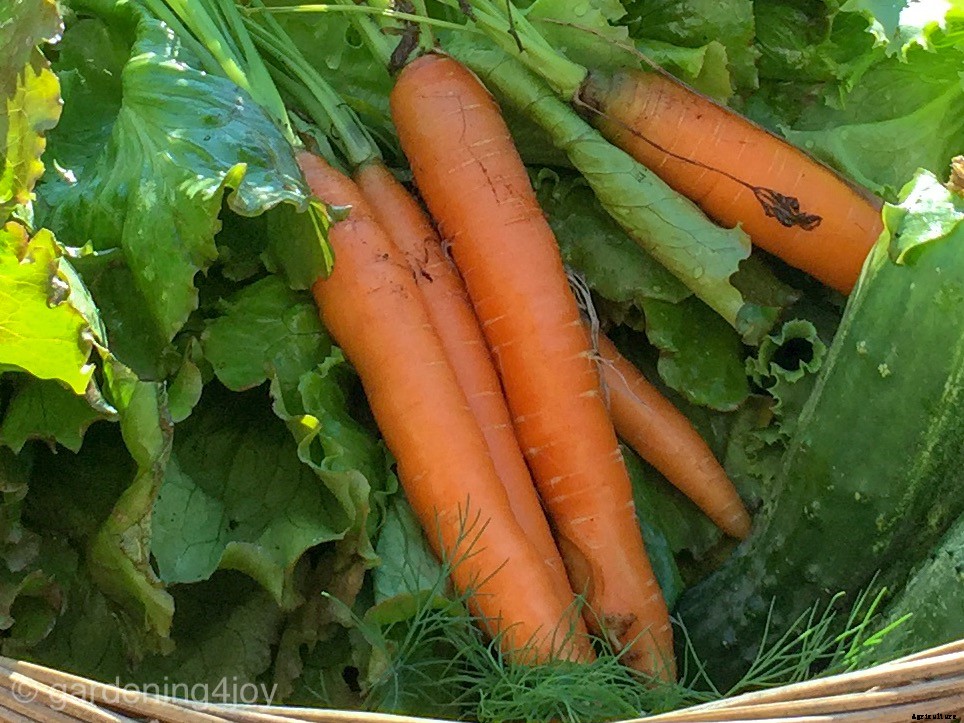
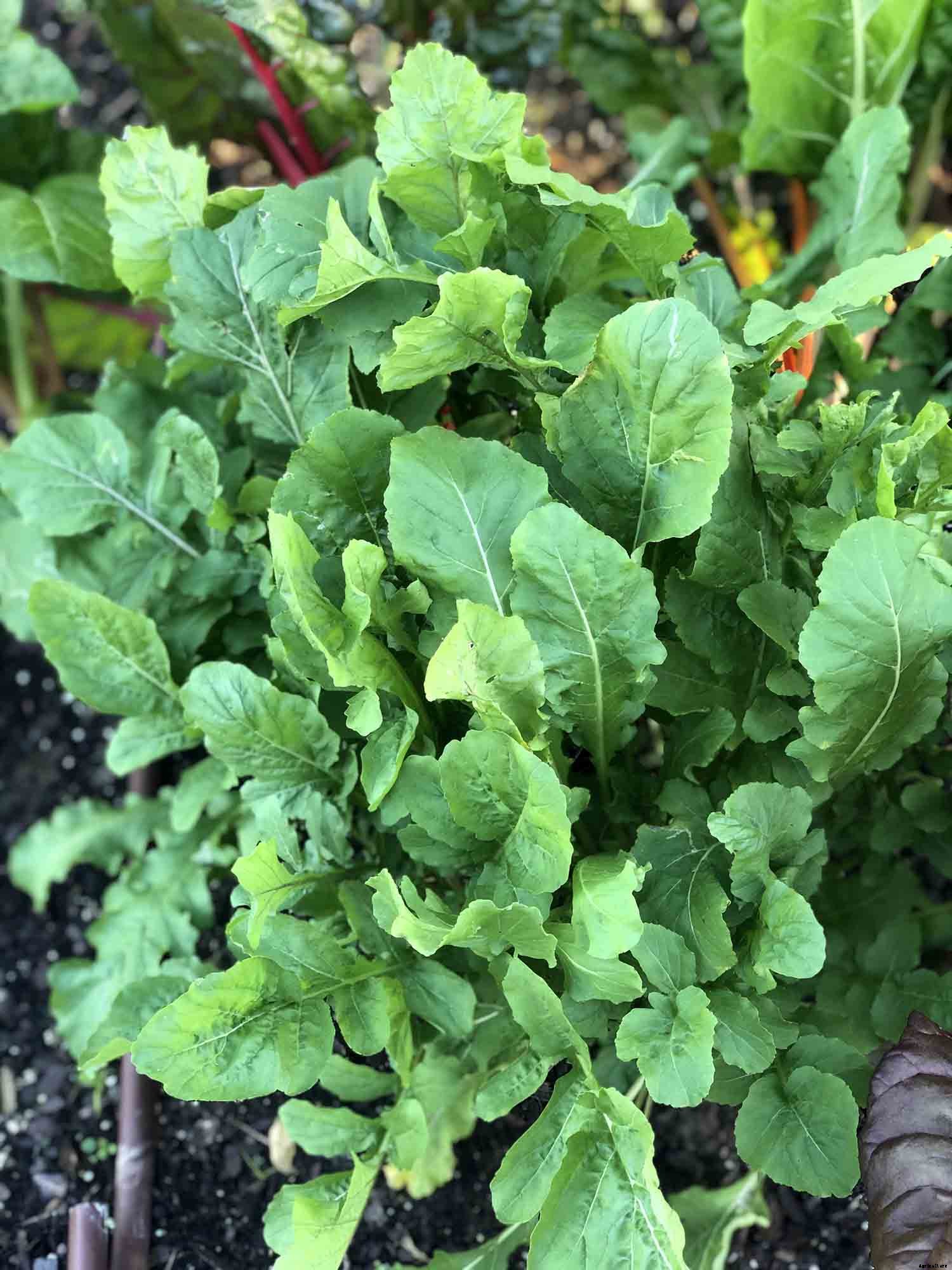
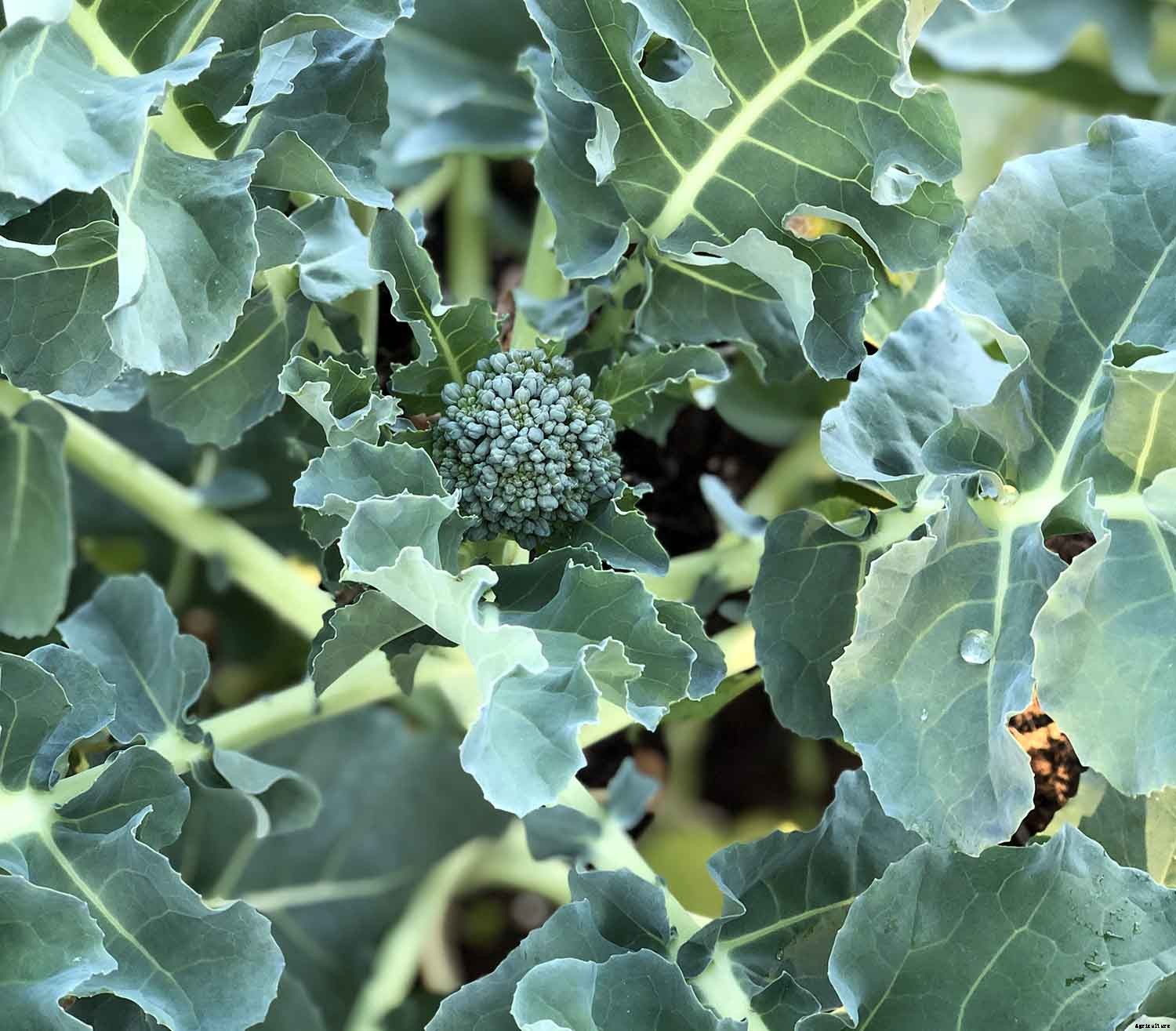
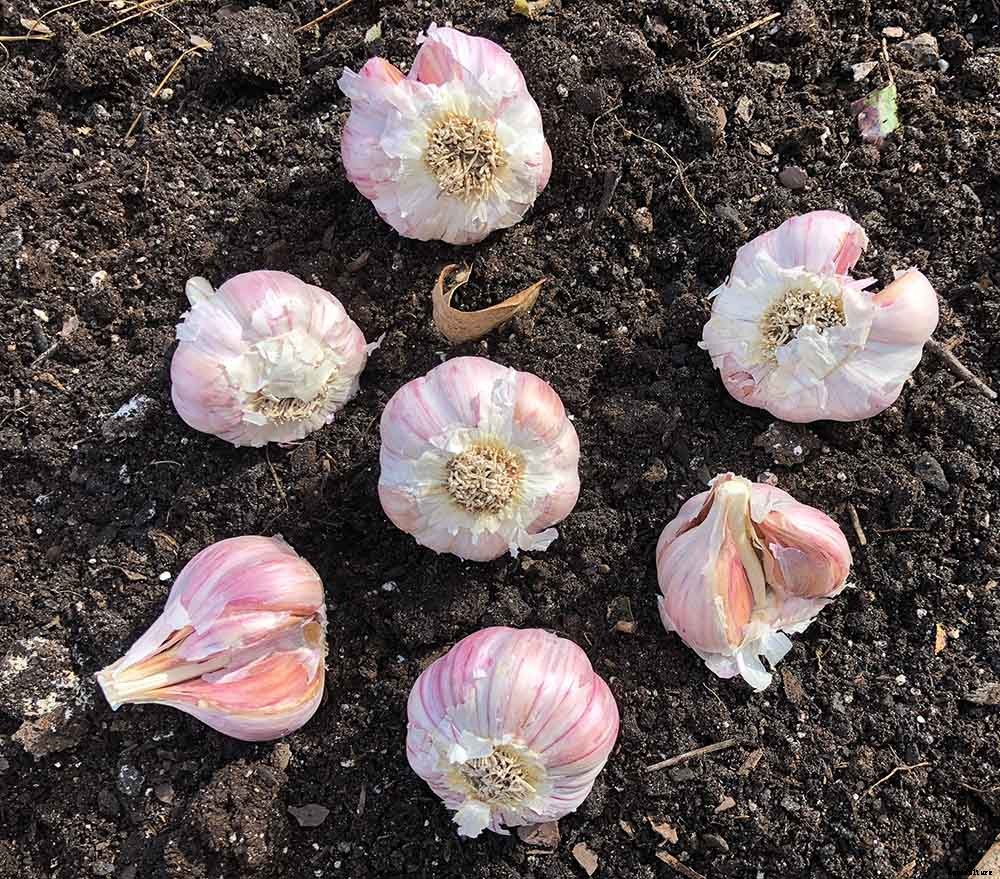
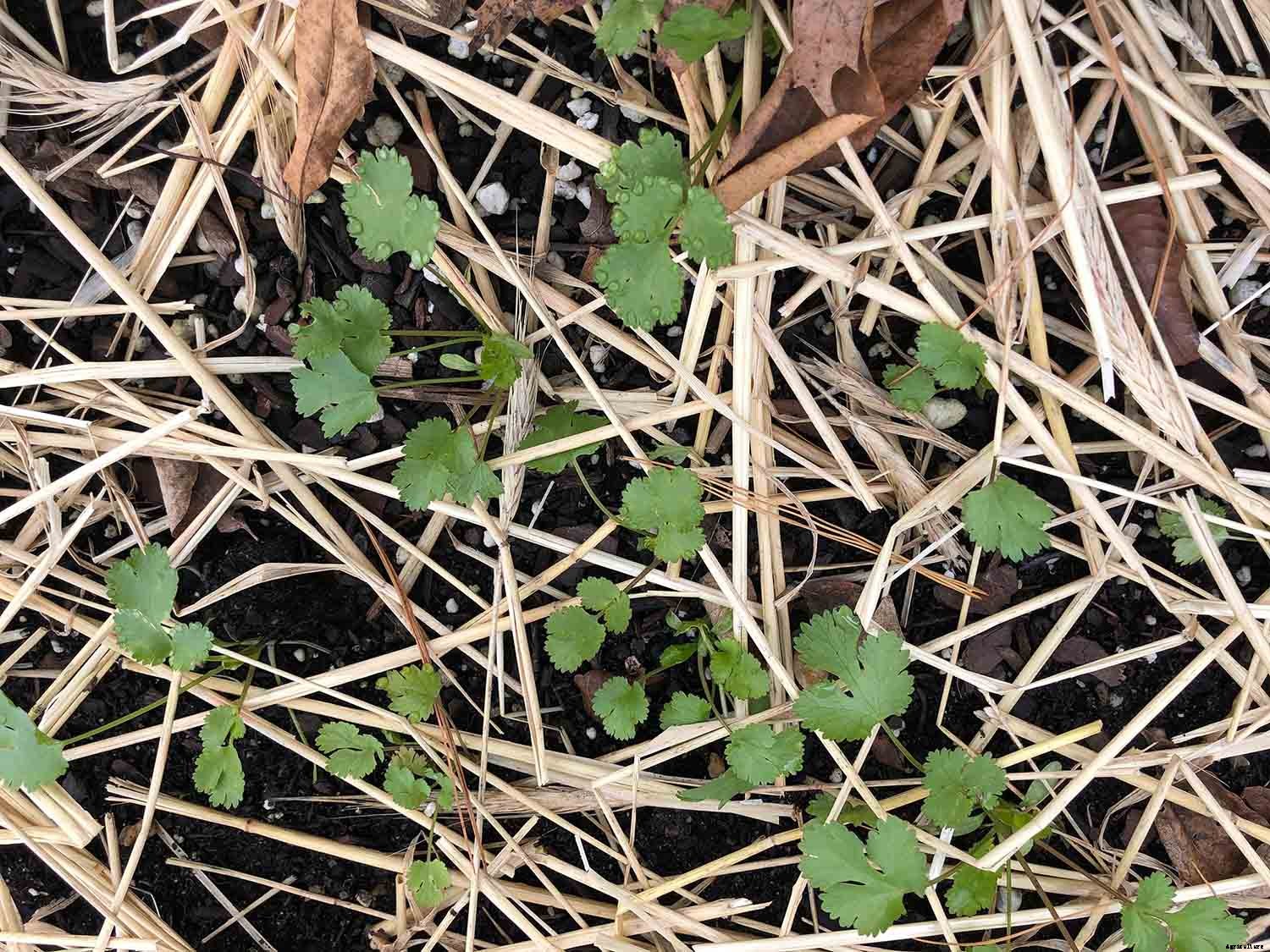
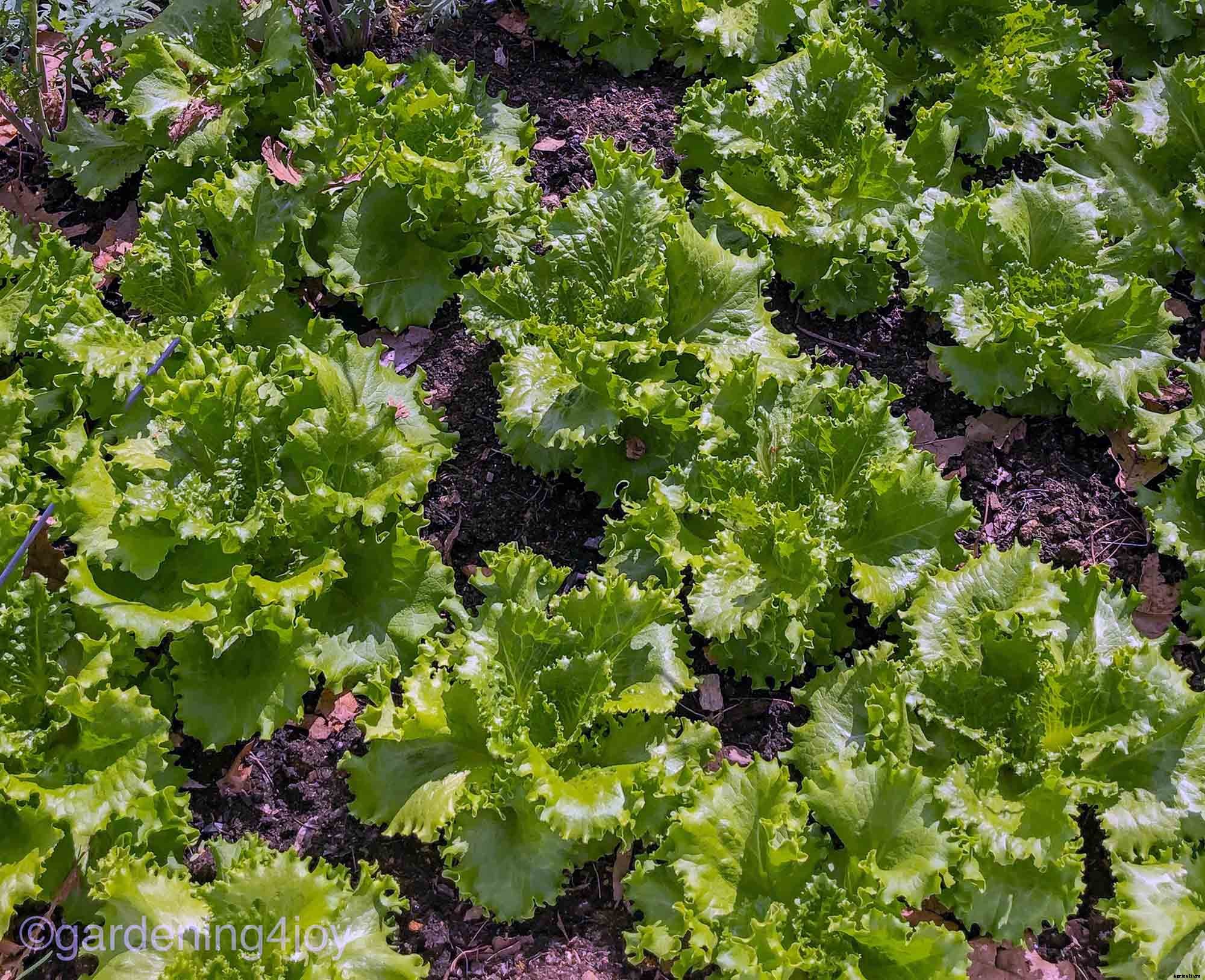
Fall is the time to plant the same cool-season vegetables that do well in the spring. For me, I love having the opportunity for another harvest of spring crops in the fall. Determining what to plant is influenced by a plants days to maturity and the plants’ ability to withstand a frost. Vegetables for a Fall planting can be characterized as follows:
When shopping for varieties to plant, look for fast maturing varieties with the shortest plant to maturity date. Two of the easiest vegetables to plant in the fall are garlic and onions. While neither will mature until the following spring/summer, they are relatively carefree after planting. For more information on growing these two vegetables, check out the following blog posts:
It all begins with planning. To be successful, planning needs to start while the summer garden is flourishing. Depending upon your gardening zone, you may need to start plants from seed as early as July. In addition, plants tend to grow slower in the fall due to the shortened length of daylight. Sturdy and healthy plants are needed for the fall vegetable garden.
So, when to start? First, you need to know the estimated first frost date for your location. For those of you in gardening zones 8-10, frost is rarely a challenge and many fall vegetable crops can be planted as late as December. To understand the fall frost dates for your location, launch this link from the National Gardening Association and enter your zip code.
Here is the frost date probability chart for a zip code in USDA gardening zone 6b:
| Temperature | 10% | 20% | 30% | 40% | 50% | 60% | 70% | 80% | 90% |
| 32°F | 9/22 | 9/27 | 10/1 | 10/2 | 10/3 | 10/4 | 10/5 | 10/6 | 10/7 |
The chart above can be read in the following manner. There is a 10% probability that the first frost will occur by September 22. There is a 90% probability that the first frost will occur by October 21. Using the total days to harvest from the seed packet, count backward to determine when to plant seeds. To account for slower growth and less daylight, add an additional two weeks to the total days on the seed packet.
Let’s look at an example of how the first frost date can be used. Seed packages indicate how long it takes from germination to harvest. For cabbage (cool-season crop), the package below indicates 87 days to harvest.
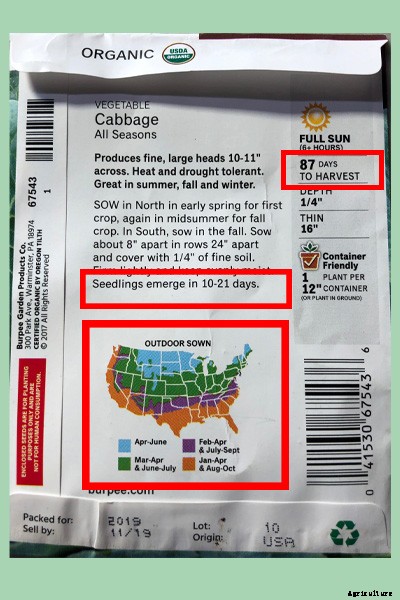
Now, because cabbage is a hardy vegetable and can withstand multiple frosts, using the least conservative date of October 21 should be good for planning purposes. However, if you planting lettuce, which is semi-hardy, then using September 22 would be more appropriate. The most important lesson is to start early and experiment.
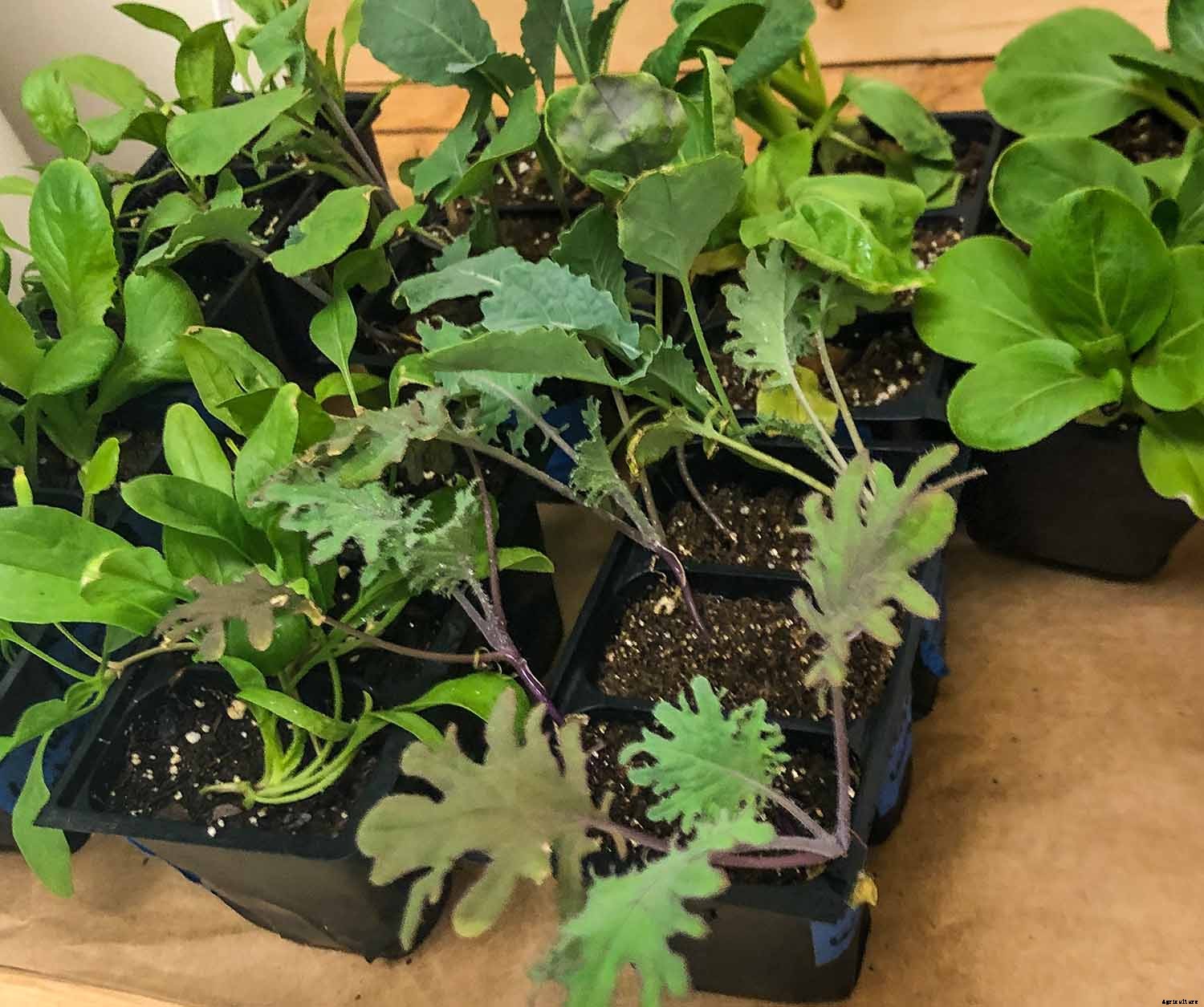
Experience has taught me that transplants do better in the Fall than direct seeding. Transplants should be well established and hardened off prior to transplanting into the garden. The following vegetables do well as transplants broccoli, cauliflower, Chinese cabbage, leaf lettuce, Brussels sprouts, and cabbage.
When direct seeding, it’s important to understand the soil temperature needed for germination. For example, radishes need a soil temperature above 40°F and do best when the outside temperature is in the range 55°F – 75°F. In addition to radishes, other good vegetables for direct seeding include carrots, arugula, and swiss chard.
Before transplanting or sowing seeds, it’s important to prepare your soil. Here are things you should do to prepare the soil:
After planting, add 3 inches of mulch around the plants or on top of the soil. This will keep the soil warmer.
Three topics to cover in this area:
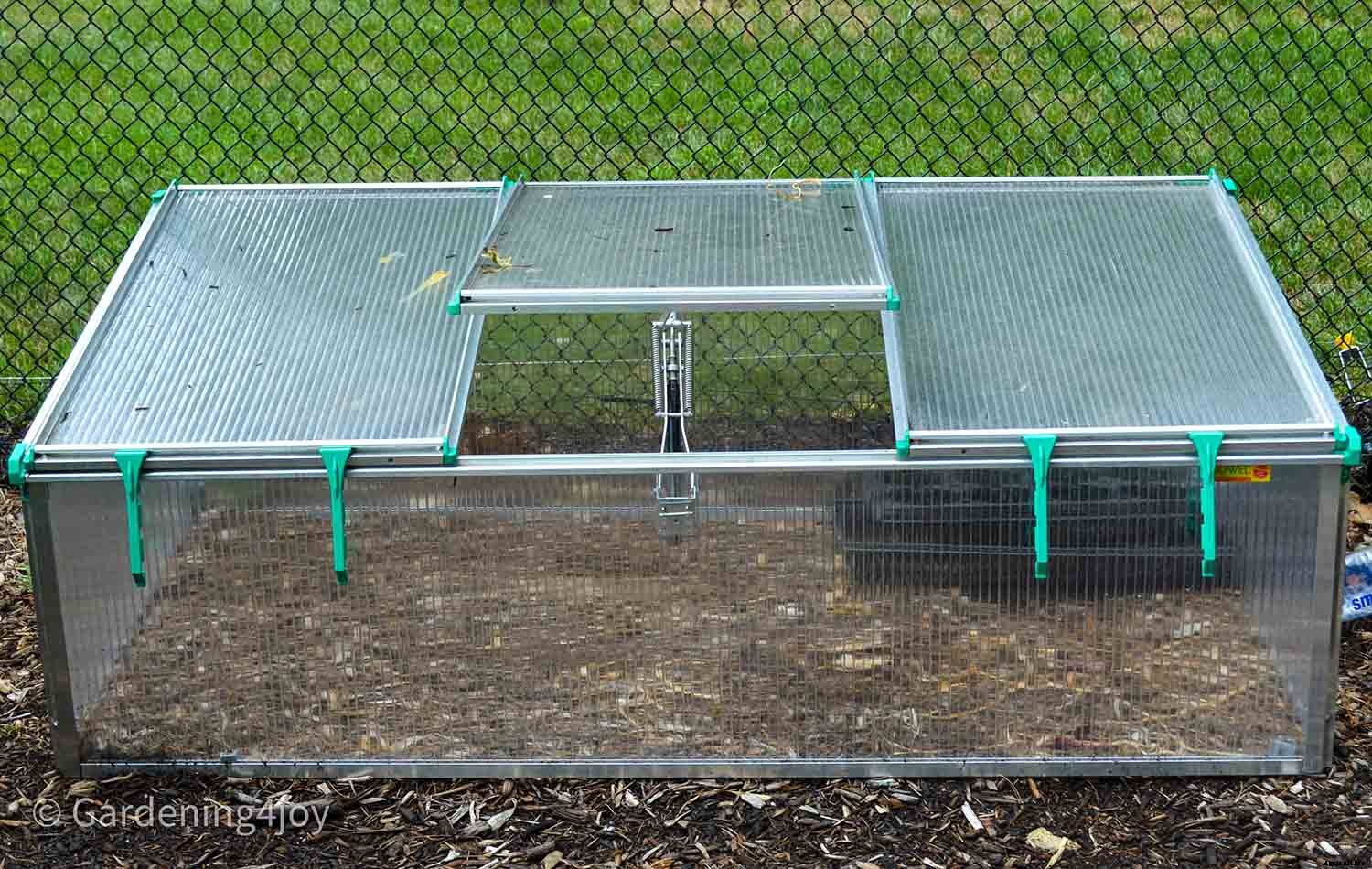
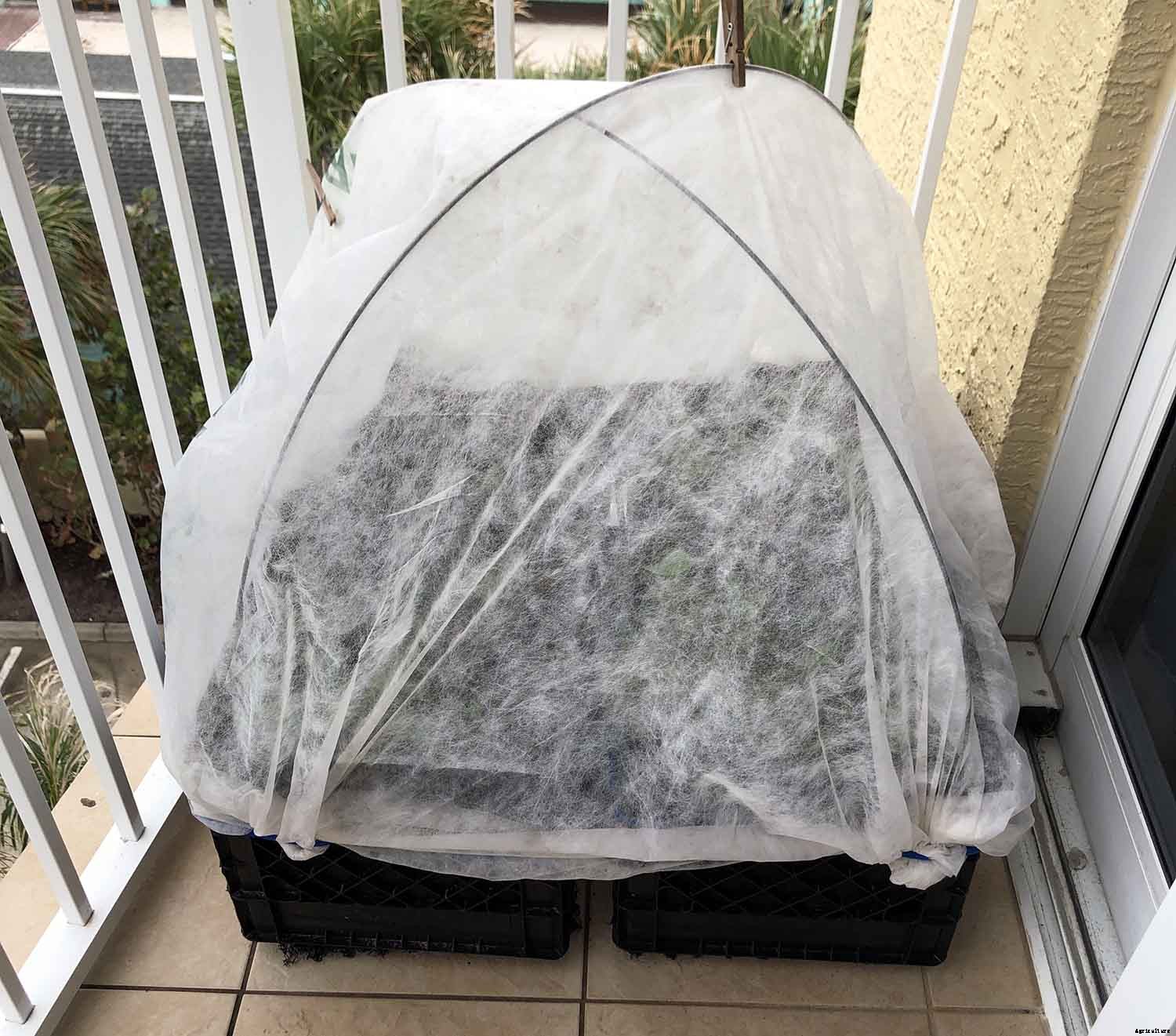
I find it equally rewarding to plant a fall garden as I do a spring garden. Yes, you do need to reset expectations because plants grow slower in the fall and weather can be unpredictable. The three keys to success are start planning early, grow strong transplants and use row cover as temperatures drop. Good luck in getting the most from your fall vegetable garden.


