Welcome to Modern Agriculture!

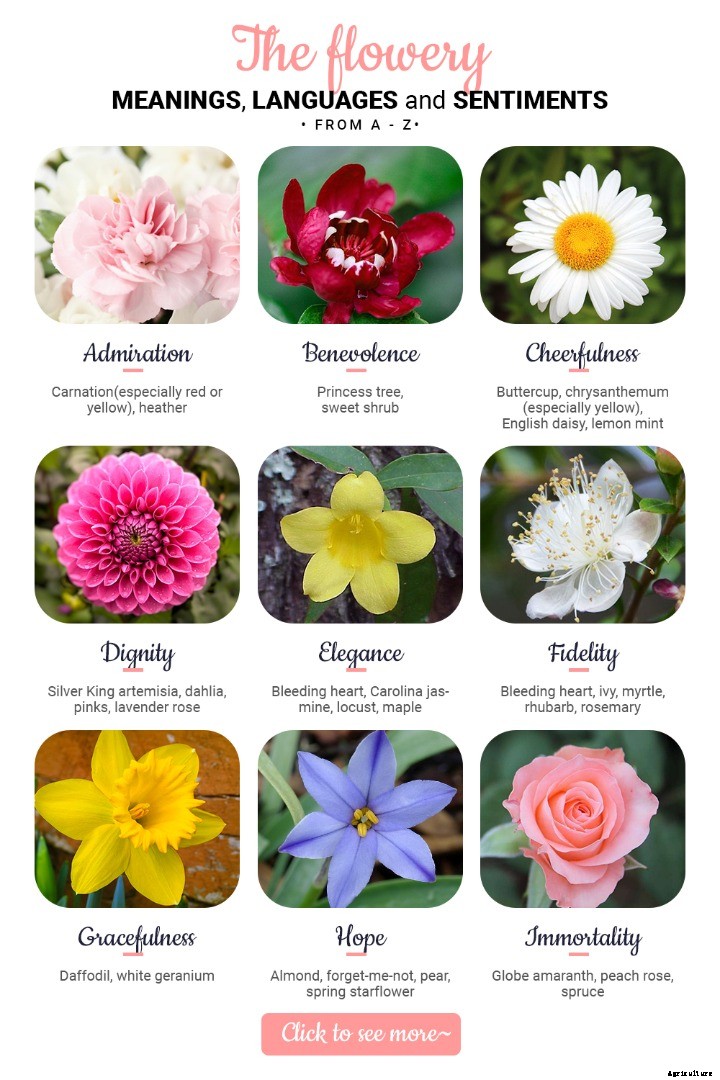
Flowers have always held a certain mystique. They hold different meanings and honor, whether painted on a wall in an ancient tomb or etched onto a Grecian urn.
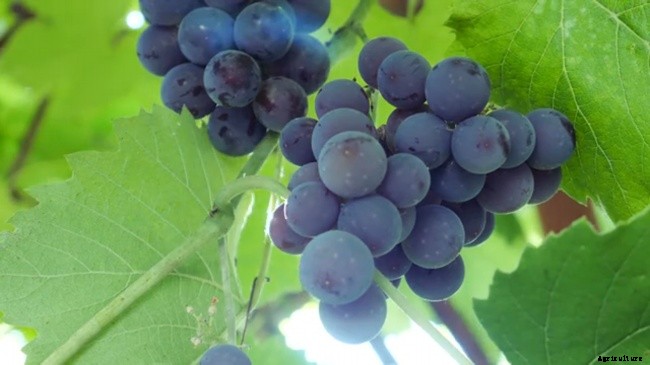
| Abandon | Grape |
| Abandonment | Anemone, Japanese Anemone |
| Absence | Wormwood |
| Absolute achievement | Gold rose |
| Accept a faithful heart | Weigela |
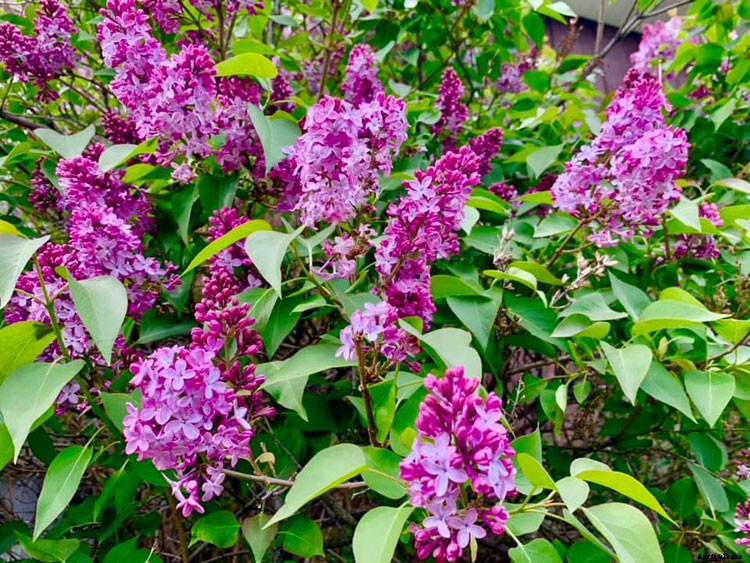
| Acceptance | Lilac |
| Accommodating disposition | Valerian |
| Accomplishment | Laurel |
| Achievement in the arts | Laurel |
| Activity | Thyme |
| Adieu | Sweet pea, pea |
| Administration, wise | Pear |
| Admiration | Carnation(especially red or yellow), heather |
| Adoration | Sunflower |
| Adversity | Wallflower |
| Advice | Rhubarb |
| Affection | Marigold, pear, wormwood |
| Affection, conjugal | Geranium |
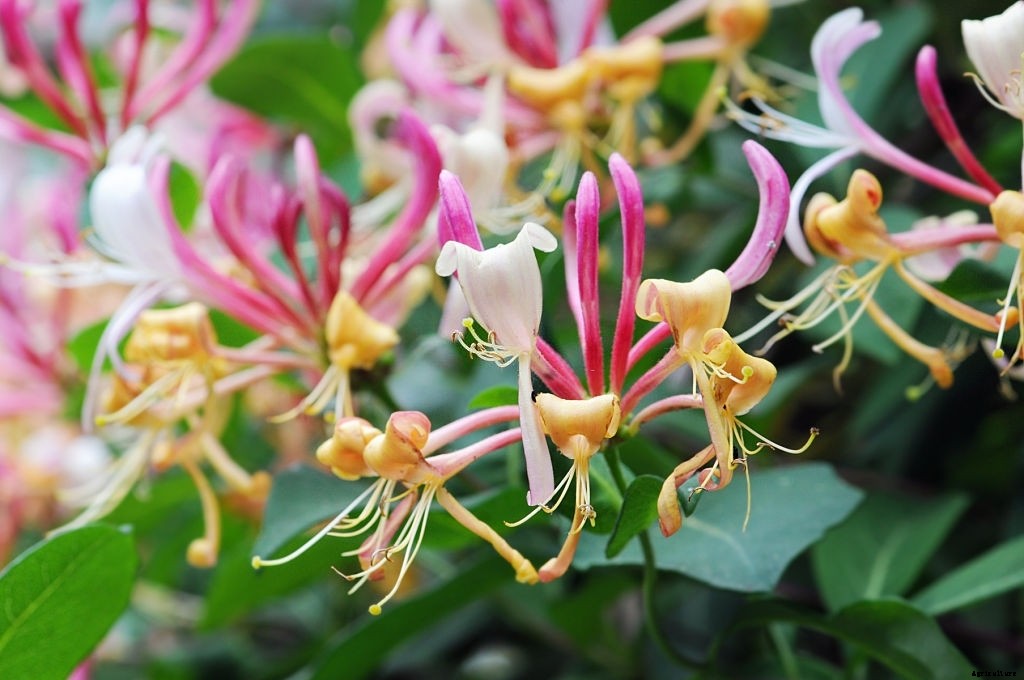
| Affection, generous and devoted | Honeysuckle |
| Affection, lively and pure | Pink carnation |
| Afterthought | Aster |
| Age, winter of | Guelder rose, viburnum |
| Aggressiveness | Lavender cotton |
| Ambition | Ivy, mountain laurel |
| Ambition, female | White hollyhock |
| Amiability | Jasmine |
| Antidote | Plumbago |
| Ardor | fleur-de-lis/iris |
| Artifice | Clematis |
| Arts | Acanthus |
| Aspiration | Foxtail Lily, cheddar pinks |
| Aspiring | Bellflower |
| Assignation | Scarlet pimpernel |
| Athletic victory | Sweet woodruff |
| Attachment, ardent | Lavender, larkspur |
| Attachment, early | Thornless rose |
| Attractive | Foamflower, sea holly |
| Attractive to the opposite sex | Lemon verbena |
| Austerity | Thistle |
| Availability | Wild or hardy geranium |
| Aversion | China or single pinks |
| Baby, newborn | English daisy |
| Baby’s hands | Japanese maple |
| Bantering | Southernwood |
| Bashfulness | Peony |
| Bashful modesty | Sensitive plant |
| “Be careful, do not hurt me!” | Sensitive plant |
| Be not weary | Mugwort |
| Beautiful eyes | Variegated tulip |
| Beautiful, long | Begonia |
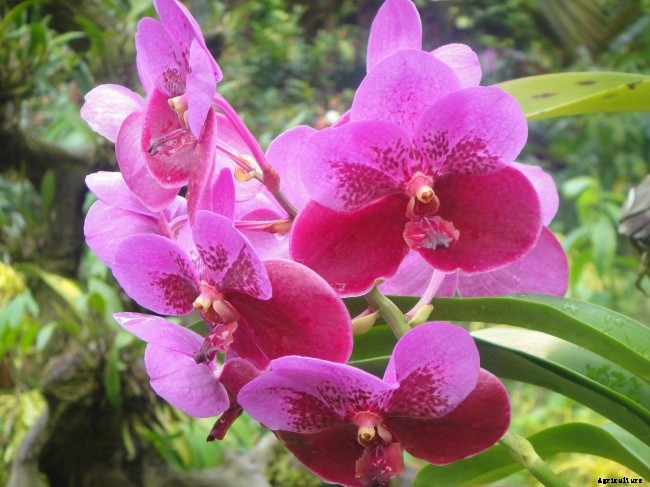
| Beauty | Camellia, pink carnation, cinnamon, daylily, delphinium, lilac, maple, orchid, peony, roses, pink rosebud |
| Beauty, capricious | Lady’s slipper orchid, musk rose |
| Beauty, lasting/unfading | Carnation, wallflower, stock |
| Beauty, magnificent | Calla lily |
| Beauty, neglected | Throat wort |
| Beauty always new | China rose, damask rose |
| Beauty and youth – | Rosebud |
| Beauty in retirement | Aster |
| Beauty, splendid | Amaryllis |
| Beer | Hops |
| Beginning anew | Rue |
| Beginning, at the very | Parsley and rue together |
| Belief | Garden anemone |
| A Belle | Orchid |
| Beloved daughter | Cinquefoil |
| Beneficence | Marshmallow |
| Benevolence | Princess tree, sweet shrub |
| Benevolent justice | Pear |
| Best qualities | Cream rose |
| Best wishes | Basil |
| Betrothal | Red carnation |
| “Beware, I am fanciful.” | Begonia |
| Beware of the excess | Saffron crocus |
| Birth | Dittany |
| Bitterness | Russian olive, wormwood |
| Bluntness | Borage |
| Blushes | Sweet marjoram |
| Boastfulness | Hydrangea |
| Boldness | Pine, pinks |
| Bonds of love | Carnation, honeysuckle |
| Bravery | Thyme |
| Bridal favor | Ivy geranium |
| Bridal festivities | Orange |
| Brouhaha | Rhubarb |
| Candor | White violet |
| Capability | Coneflower |
| Cares | Calendula/Pot marigold |
| Carousing | Grape |
| Challenge | Coral bells |
| Change | Scarlet pimpernel |
| Charity | Tulip |
| Charm | Rose, especially red |
| Charm feminine | Gardenia |
| Chastity | Orange blossom |
| Cheerfulness | Buttercup, chrysanthemum (especially yellow), English daisy, lemon mint |
| Cheerful always | Coreopsis |
| Cheers my soul | Quince |
| Cheers the heart | Ajuga/bugle |
| Childhood | Sweet William, geranium |
| Childishness | Buttercup |
| Chivalry | Flowering cherry, daffodil, monkshood |
| Christian faith | Passionflower |
| Christmas joy | Holly berries |
| Cleanliness | Soapwort |
| Cleansing | Hyssop |
| Clear vision | Rue |
| Cleverness | Strawberry begonia |
| Coldness | Chaste bush |
| Comfort | Chamomile, geranium, especially red, scented and scarlet, mugwort, pear |
| Comforting | Ginger |
| Compassion | Bee balm, elderberry, sweet shrub |
| Complaisance | Reed |
| Complexion, brilliant | Damask rose |
| Conceit | Spirea |
| Conception aid | Mugwort |
| Confession of love | Moss rosebud |
| Confidence | Lilac polyanthus |
| Confidence in heaven | Flowering reed |
| Congratulations | Rose |
| Conjugal affection | Geranium |
| Conjugal love | Linden |
| Consolation | Scarlet geranium, sweet marjoram, corn poppy, snowdrop |
| Constancy | Bellflower, wild or hardy geranium, ivy, calendula/pot marigold |
| Contentment | Camellia |
| Conviviality | Cone |
| Coquetry | Yellow lily |
| Coquette | Daylily |
| Cordiality | Sweet woodruff |
| Counterfeit | Mock orange/philadelphus |
| Courage | Borage, plum, thyme, garlic chives, garlic |
| Courtesy | Sweet marjoram |
| Creative force | Red and white rose |
| Creativity | Oregano |
| Cruelty | Nettle |
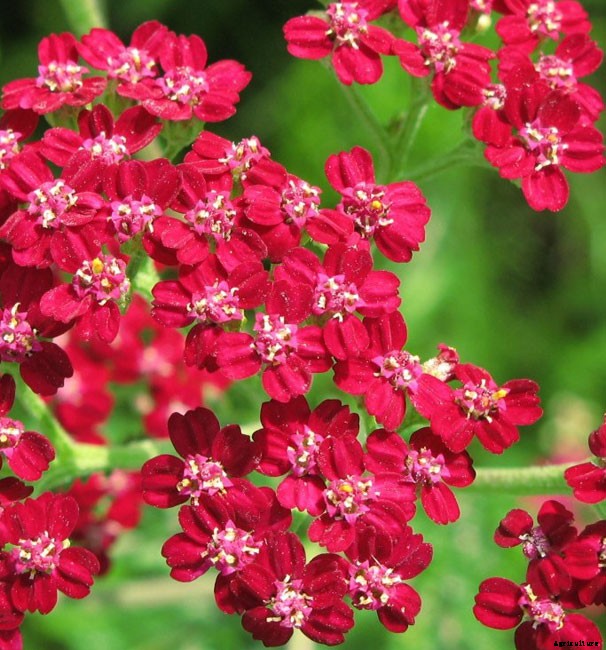
| Cure | Yarrow |
| Cure for heartache | Yarrow |
| Cure for melancholy | Lenten rose/hellebore |
| Dainty pleasures | Coral bells |
| Danger | Rhododendron |
| Dangerous love | Tuberose |
| Dangerous pride | Blackberry |
| Daughter, beloved | Cinquefoil |
| Daughter’s sweetness, | Wisteria |
| Dauntlessness | Statice |
| Dazzling but dangerous | Snapdragon |
| A deadly foe is near | Monkshood |
| “Death is preferable to dishonor!” | Withered white rose |
| Deceit | Geranium, monkshood |
| Decision | Foxglove |
| Declaration of love | Tulip, especially red |
| Decrease of love on better acquaintances | Yellow rose |
| Delay | Hardy geranium |
| Delicacy | Cornflower |
| Dusty | Miller, lily-of-the-valley |
| Delicate pleasures | Sweet pea |
| Departure | White pinks, sweet pea, pea |
| Desertion | Columbine |
| Desire | Red rose |
| Devoted affection | Honeysuckle |
| Devotion | Lavender, hosta, hydrangea, champagne rose, rosemary |
| Dexterity | Sweet William |
| Diffidence | Cyclamen |
| Dignity | Silver King artemisia, dahlia, pinks, lavender rose |
| Directness | Borage |
| Discretion | Maidenhair fern, lemon blossom |
| Disdain | Yellow carnation, rue |
| Dispels melancholy | Yarrow |
| Disquietude | Marigold |
| Distinction | Cardinal flower, acidanthera/peacock orchid |
| Distinction/highest mark of | Yellow rose |
| Distrust | Cyclamen, lavender |
| Do not abuse | Saffron crocus |
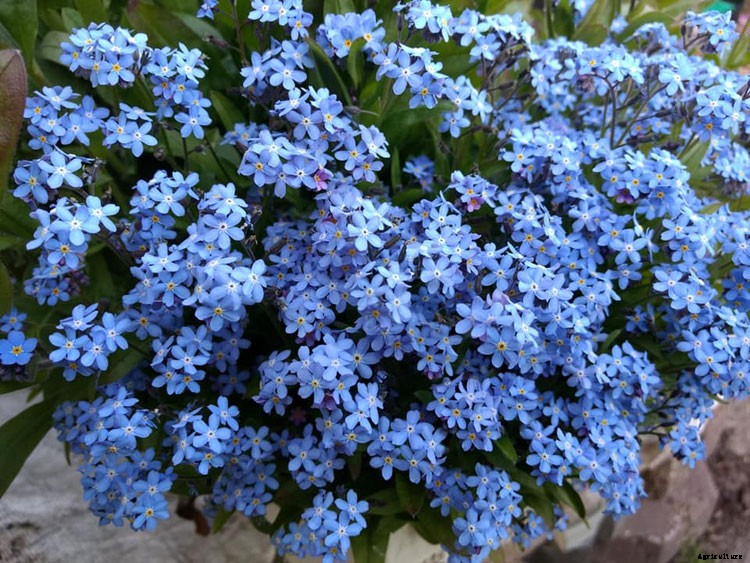
| Do not forget me! | Forget-me-not |
| Docility | Rushes |
| Domestic happiness | Grape, holly |
| Domestic virtue | Sage |
| Dreaminess | Pink tulip |
| Dreams | Sweet phlox |
| Drunk and blowsy | Valerian |
| Durability | Oak |
| Duty through the hardship | Purple-leaf plum |
| Early attachment | Thornless rose |
| Early friendship | Red periwinkle |
| Early youth | Primrose |
| Earthly delights | Jerusalem sage |
| Education, good | Cherry, clover |
| Effervescence | Champagne rose |
| Egotism | Narcissus |
| Elegance | Bleeding heart, Carolina jasmine, locust, maple |
| Eloquence | Crepe myrtle, iris, Mexican or velvet sage |
| Embarrassment | Nigella |
| Encouragement | Galax, goldenrod |
| Endurance | Pine |
| Endurance in love | Calendula/pot marigold |
| Energy | Red salvia |
| Energy in adversity | Chamomile |
| Ennui | Moss |
| Enthusiasm | Monte Cristo aster, bouvardia, corn poppy |
| Envy | Wild or hardy geranium |
| Esteem | Sage, especially pineapple |
| Esteem but not love | Spiderwort |
| Eternal life | Sweet woodruff |
| Evanescent loveliness of life | Morning glory |
| Evening joy | Moth orchid |
| Evil prevented | Lavender cotton |
| Excellence | Camellia |
| Excess | Gilded rose |
| Expectation | Anemone |
| Expected meeting | Nutmeg scented geranium |
| Eyes, beautiful | Variegated tulip |
| Faith | Garden anemone, mustard seed |
| Faithfulness | Dogwood, verbena, violet, especially blue |
| Falsehood | Yellow lily |
| Fame | Tulip poplar, Tulip |
| Fame speaks him great and good | Apple |
| Family union | Pink verbena |
| Fantastic extravagance | Scarlet poppy |
| Farewell | Spruce |
| Farsighted outlook | Queen-of-the-prairie |
| Fascination | Carnation, especially red or yellow, fern, pinks |
| Fashionable | Queen’s rocket |
| Fastidiousness | Sensitive plant |
| Feasting | Parsley |
| Fecundity | Fig, orange |
| Felicity | Bachelor’s button/cornflower, dusty-iller, impatiens/balsam, sweet sultan |
| Female ambition | White hollyhock |
| Female fidelity | Speedwell/veronica |
| Feminine charm | Gardenia |
| Feminine modesty | Calla lily |
| Feminine softness | Peach |
| Femininity | Shell-ink rose |
| Fertility | Plum, verbena |
| Fertility and abundance | Pomegranate |
| Festivity | Parsley, baby’s breath |
| Fickleness | Pink larkspur |
| Fidelity | Bleeding heart, ivy, myrtle, rhubarb, rosemary |
| Fidelity, female | Speedwell, veronica |
| Fidelity in adversity | Wallflower |
| Fidelity in love | Lemon |
| Finesse | Sweet William |
| First emotions of love | Purple lilac |
| First love | White azalea |
| Fitness | Sweet flag |
| Flamboyant | Cattleya orchid |
| Flame | Fleur-de-lis/iris |
| Flee away | Pennyroyal |
| Fleeting quality of life | Grass |
| Flirt | Daylily, feverfew |
| Folly | Columbine, geranium, especially Scarlett |
| Foolishness | Pomegranate |
| Foppishness | Pomegranate |
| For once, may pride befriend me! | Tiger flower |
| Force | Fennel |
| Foresight | Lily, strawberry |
| Forever shine | Red salvia |
| Forgetfulness | Opium poppy |
| Forgive and forget | Yellow rose |
| Forgiveness | Creeping Jennie, gooseneck loosestrife |
| Forsaken | Willow |
| Freedom | |
| Freshness | Green rose |
| Friendliness | Wheat |
| Friendship | Galax, gerbera daisy, ivy, Peruvian lily/alstroemeria, pine, pussy willow, rose, especially yellow, willow |
| Friendship (early) | Red periwinkle |
| Friendship (warm) | Pine |
| Fruitfulness | Hollyhock, lily |
| Fulfillment | Raspberry |
| Fun | Lemon balm |
| Future promise | Buds, strawberry |
| Gaiety | Primrose, yellow lily, baby’s breath |
| Gallantry | Sweet William |
| Games | Hyacinth |
| Generosity | Gladiolus, globeflower, orange |
| Genius | Planetree |
| Gentle-heartedness | Raspberry |
| Gentleness | Lamb’s ears, pink rosebud |
| Gifts of the Holy Spirit | Columbine |
| Girl’s Day Flower (Japan) | Peach |
| Gladness | Sweet cicely |
| Gladness, youthful | Crocus |
| Glory | Laurel |
| Good fortune | Goldenrod, coral rose, vervain |
| Good luck | Bayberry, clover, garlic, white heather |
| Good luck in the new year | Rosemary |
| Good nature | Forsythia |
| Good news | Guelder rose |
| Good taste | Single dahlia |
| Goodwill | Holly |
| Government, good | Pear |
| Grace | Carolina jasmine, rose, especially pink, rue, pink rosebud |
| Grace, airy | Asparagus fern |
| Graceful | Sea holly |
| Gracefulness | Daffodil, white geranium |
| Gratitude | Bellflower, dahlia, globeflower/Trollius, parsley, purple-leaf sage, statice |
| Gratitude to parents | White dahlia |
| Great joy and delight | Caladium |
| Grief | Calendula/pot marigold, thistle |
| Grow thin | Fennel |
| Hands full of cash | Peony |
| Happiness | Lavender, sweet marjoram, plum |
| Happy outcome | Orang |
| Happy years | Tulip |
| Hard work | Coral bells, clover |
| Hardiness | Plum |
| Harmony | Red rose |
| Hatred | Basil |
| Haughtiness | Amaryllis, double larkspur, sunflower |
| Pity my passion! | Jonquil |
| Haven | Queen Anne’s lace |
| Healing | Lemon balm |
| Healing properties | Bachelor’s button |
| Heals wounds | Yarrow |
| Health | Bachelor’s button, geranium, especially red, calendula/pot marigold, pear, Green rose, yarrow |
| Health, good | Feverfew, shell-ink rose |
| Health, ruddy | Peach |
| A heart untouched by love | White rosebud |
| The heart | Anthurium/flamingo flower |
| The heart’s mystery | Crimson polyanthus |
| Heartache, cure for | Yarrow |
| Heedlessness | Almond |
| Helpfulness | Blue spirea |
| Helpless and delicate | Wisteria |
| High-souled | Scarlet lily |
| Home | Myrtle |
| Home sweet home | Comfrey |
| Homeyness | Lemon mint |
| Hope | Almond, forget-me-not, pear, spring starflower |
| Hope, innocent | Red rosebud |
| Hope in adversity | Spruce |
| A hopeful future | Pomegranate |
| Hospitality | Oak, pineapple mint, pineapple sage |
| Humility | Allium/flowering onion, violet |
| Humor | Cockscomb |
| I admire your accomplishments | Coral rose |
| I am dazzled by your charms | Ranunculus |
| I am happy that you love me! | Yellow dahlia |
| I am humble but proud! | Ragwort |
| I am in despair! | Withered white rose |
| I am not ambitious for myself, but you | Foxglove |
| I am worthy of you | White rose |
| I am your captive! | Peach |
| I await your favors | Orchid |
| I cannot give thee up! | Columbine |
| I cling to thee | Wisteria |
| I cling to you both in the sunshine and shade | Virginia creeper |
| I desire a return of affection | Jonquil |
| I have a desire to please | Wild or hardy geranium |
| I die if neglected! | Laurustinus/viburnum |
| I do not believe you! | Yellow carnation |
| I engage you for the next dance | Ivy geranium |
| I have lost all | Pincushion flower/scabiosa |
| I love you | Red rose, red chrysanthemum |
| I love you in secret | Gardenia |
| I return your love! | Violet |
| I share your sentiments | Double aster, English daisy |
| I think of you! | Blue salvia |
| I think of you constantly | Variegated dahlia |
| I understand you -light | Colored cyclamen |
| I will not economize | Red cyclamen |
| I will think of it | Single aster, a wreath of daisies |
| Ill-timed wit | Wood sorrel |
| I’ll return | Queen Anne’s lace |
| I’ll still be waiting | Astilbe |
| Imagination | Lupine, pink tulip |
| Immortality | Globe amaranth, peach rose, spruce |
| Impatience | Balsam |
| Inconstancy | Evening primrose |
| Independence | Nigella, oak, thistle |
| Indifference | Candytuft, chaste bush |
| Industry | Clover |
| Industriousness | Dusty miller |
| Infidelity prevented- | Caraway |
| Ingenuity | Clematis, penciled or skeleton geranium, white pinks |
| Ingratitude | Buttercups |
| Innocence | Daisy, English daisy, freesia, primrose |
| Innocence, spotless | White violet |
| Innocence, youthful | White lilac |
| Innocent hope | Red rosebud |
| Insincerity | Cherry, foxglove |
| Inspiration | Angelica |
| Instability | Dahlia |
| Instruction | Bayberry |
| Intellect | Walnut |
| Intellectual excellence | Sumac |
| Intoxication | Grape |
| Irresistible | Dill |
| Jealousy | Marigold, especially French, yellow rose |
| Joviality | Chrysanthemum |
| Joy | Chrysanthemum, calendula/pot marigold, sweet marjoram, myrtle, oregano, rose, especially red or red/white bicolor, sorrel |
| Joys to come | Wood sorrel |
| Jubilation | Guilder rose/viburnum |
| Justice | Black-eyed Susan |
| Justice, benevolent | Pear |
| Keep my secret | White rose |
| Keys | Maple |
| Kindliness | Blue hyacinth |
| Kindness | Elderberry, sweet marjoram |
| Kiss me twice before I rise | Nigella |
| Lasting beauty | Stock |
| Lasting pleasure | Everlasting pea |
| Liberty | Green rose |
| Life | Cone, pine cone |
| Life, long | Chrysanthemum, euonymous |
| Light-heartedness | Shamrock |
| Little-oy flower | Anthurium/flamingo flower |
| Living for love | White carnation |
| Longevity | Fig, peach, pine, plum, oak, pear, coral rose |
| Love | Azalea, cinnamon, lemon balm, lilac, myrtle, orchid, periwinkle, pinks, rose, especially red, pink tulip, blue-violet |
| Love, ambassador of | Cabbage rose |
| Love, ardent | Impatiens/balsam, red tulip |
| Love, ardent and pure | Carnation |
| Love, bonds of | Carnation, honeysuckle |
| Love, brotherly | Mock orange |
| Love, confession of | Moss rosebud |
| Love, conjugal | Linden |
| Love, consuming | Tulip |
| Love, dangerous | Tuberose |
| Love, deep and pure | Carnation |
| Love, filial | Virgin’s bower/clematis |
| Love, first | White azalea |
| Love, first emotions of | Purple lilac |
| Love, hopelessness | Yellow tulip |
| Love, living for | White carnation |
| Love lost | White tulip |
| Love, maternal | Wood sorrel, pink carnation, moss |
| Love slighted | Yellow chrysanthemum |
| Love, true | Forget-me-not |
| Love, unrequited | Begonia |
| Love wedded | Ivy |
| Love, woman’s | Carnation, cheddar pinks |
| Love letters | Agapanthus/lily-of-the-Nile |
| Love undiminished by adversity | White dogwood |
| Loveliness | Gentian |
| Loveliness perfected | Camellia |
| Lover’s charm | Almond |
| Love’s oracle | Dandelion |
| Loving thoughts | Pansy |
| Loyalty | Bamboo, pine, sunflower, blue-violet |
| Luck | White clover, lavender, red rose, shamrock |
| Lust | Orchid |
| Luxury | Cymbidium orchid |
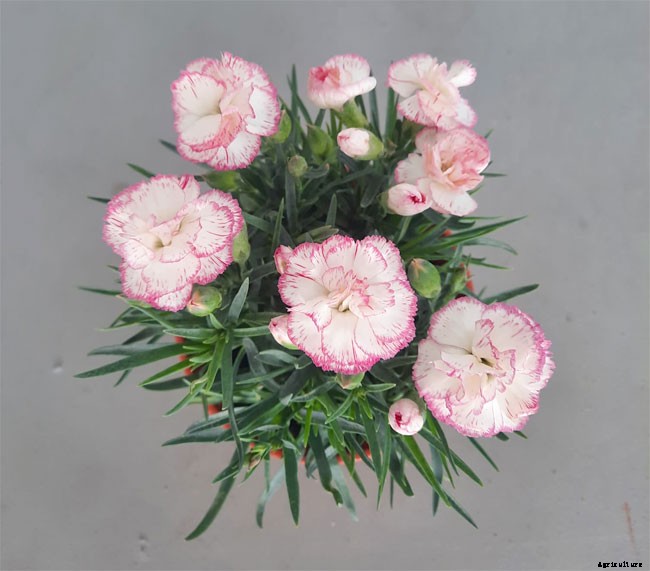
| Magnificence | Cymbidium orchid |
| Majesty | Lily |
| Marriage | Myrtle, orange, plum, verbena |
| Marriage, happy | Amaryllis, carnation, cherry blossom, clematis |
| Married bliss | Myrtle |
| Martyrdom | Red rose |
| Maternal affection | Cinquefoil |
| Matronly grace | Cattleya orchid |
| Mature charms | Cattleya orchid |
| Mature elegance | Pomegranate |
| May you be pleased, and your sorrows mine! | Rose |
| Meeting, appointed | Everlasting pea |
| Meeting, expected | Nutmeg scented geranium |
| Meet me! | Sweet pea |
| Melancholy | Dead leaves, geranium |
| Melancholy, cure for | Lenten rose/hellebore |
| Memory | Sweet William, tulip |
| Memory, tender | Sweet pea |
| Mental beauty | Clematis |
| Mental powers | Savory |
| Merit, the reward of | Laurel |
| Merriment | Cherry-red rose |
| A merry heart | Salad burnet |
| Message | Iris |
| Mirth | Crocus, hops, sweet marjoram |
| Miscarriage prevented | Tansy |
| Misery | Calendula/pot marigold |
| Misrepresentation | Dahlia |
| Mitigates grief | Sage |
| Mobility | White pinks, pine |
| Moderation | Azalea |
| Modesty | Cosmos, lilac, violet |
| Modesty, feminine | Calla lily |
| Most lovable | Ajuga/bugle |
| Music | Oats, reed |
| My bane, my antidote | white poppy |
| My compliments | Iris |
| My gratitude exceeds your care | Dahlia |
| My love will never die | Double pinks |
| Newborn baby | English daisy |
| Needing protection | Gerbera daisy |
| Never forget | Scots thistle |
| Never too late to amend | Japanese rose/kerria |
| Newlyweds | Pinks |
| No!! | Pinks |
| Nobility | Lowering cherry, orchid |
| Noblest, among the | Tulip poplar |
| Nuisance | Ragweed |
| A nymph | Nerine |
| Obedience | Obedient plant |
| Oblivion | Poppy |
| Opposition | Slime fungus |
| Optimism | Chrysanthemum |
| Our souls are united – | phlox |
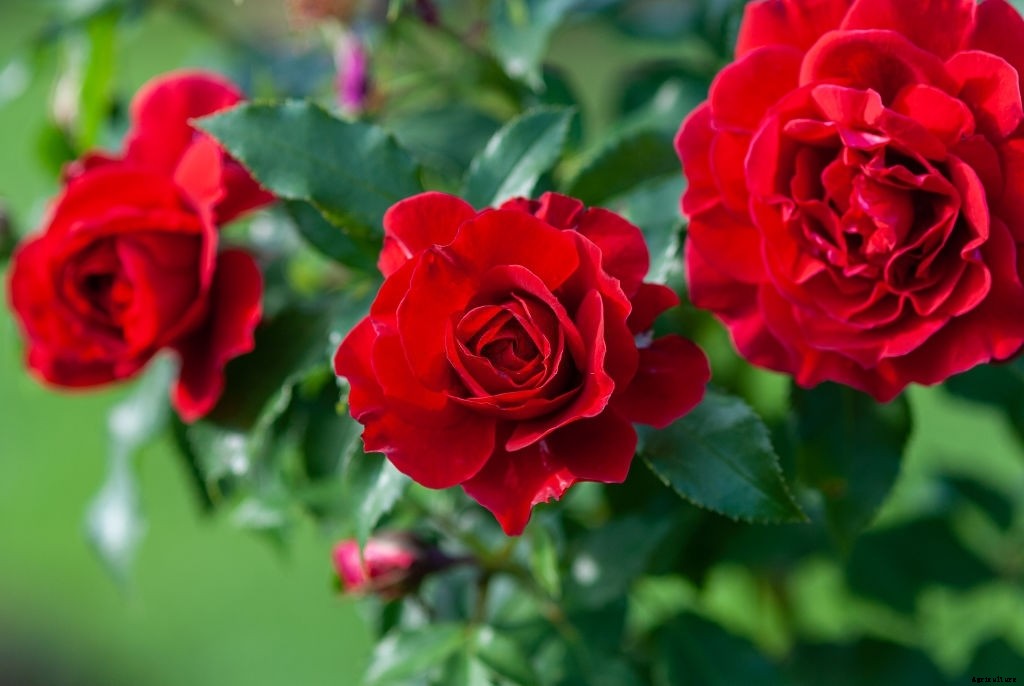
| Panache | Calla lily |
| Par excellence | Sweet pea |
| Parental affection | Sorrel |
| Participation | Double dahlia |
| Passion | Red or laced carnation, myrtle, red rose |
| Patience | Allium/flowering onion, chamomile, oxeye daisy, willow |
| Patriotism | Nasturtium |
| Peace | Gardenia, myrtle, olive |
| Penitence. | Yew |
| Perfect goodness | Strawberry |
| The perfect lover | Tulip |
| Perfection | Rose, especially cream |
| Perpetual concord | Apple |
| Perplexity | Nigella |
| Perseverance | Magnolia, plum, yew |
| Personal achievement | Laurel |
| Pilgrimage | Plantain |
| Play | Hyacinth |
| Pleasant | Ginger |
| Pleasantries | Peruvian lily/alstroemeria |
| Pleasure, lasting | Everlasting pea |
| Pleasure without alloy | Turtlehead |
| Pleasures, worldly | Astilbe |
| Pleasures of hope | Crocus |
| Pleasures of memory | Periwinkle |
| Plenty | Grape |
| Pliancy, strength through | Bamboo |
| Poetry | Eglantine rose |
| Poking fun | Pokeweed |
| Pomp | Dahlia |
| Popularity | Kalanchoe |
| Popular, highly | Begonia |
| Posterity | Pomegranate |
| Power | Silver King Artemesia, oak |
| Pray for me | White verbena |
| Prayer | Blueberry |
| Precaution | Goldenrod |
| Preference -Scented geranium | Goldenrod |
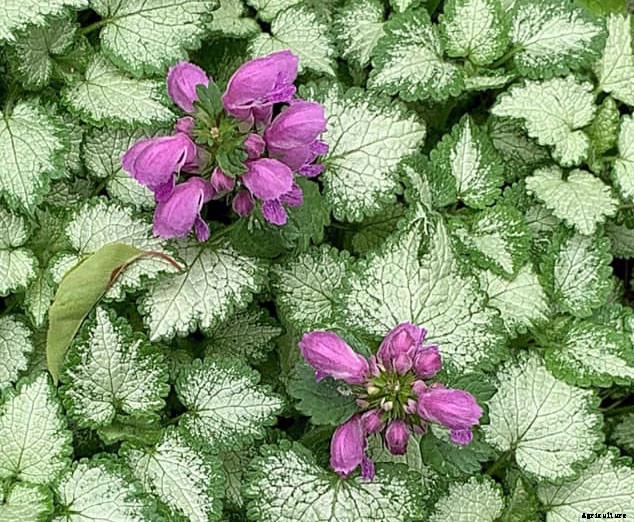
| Preferred | Dead nettle |
| Presumption | Snapdragon |
| Pride | Amaryllis, tiger-lily, red rose, pink carnation |
| Pride, dangerous | Blackberry |
| Pride of newly-acquired fortune – | Auricula/primula |
| Pride of ownership | Jerusalem sage |
| Pride of riches | Polyanthus/primula |
| Profits in business | Pea |
| Progeny, numerous | Orchid |
| Promise | Iris |
| The promise of good things to come | Buds |
| Promptness | Stock |
| Proposal of love | Phlox |
| Prosperity | Grape, nigella, oak, wheat |
| Protection | blueberry, garlic, garlic chives, red geranium, juniper, Queen Anne’s lace, Saint-John’s-Wort |
| Protection for travelers | Wormwood |
| Protection from danger | Heather |
| Providence | Trefoil |
| Pure and guileless | White verbena |
| Pure heart | Baby’s breath |
| Pure love of a virgin | Cosmos |
| Purity | Gardenia, white lilac, lily, lily-of-the-valley, white rosebud |
| Purity of sentiment | White violet |
| Pursuit | Lavender cotton |
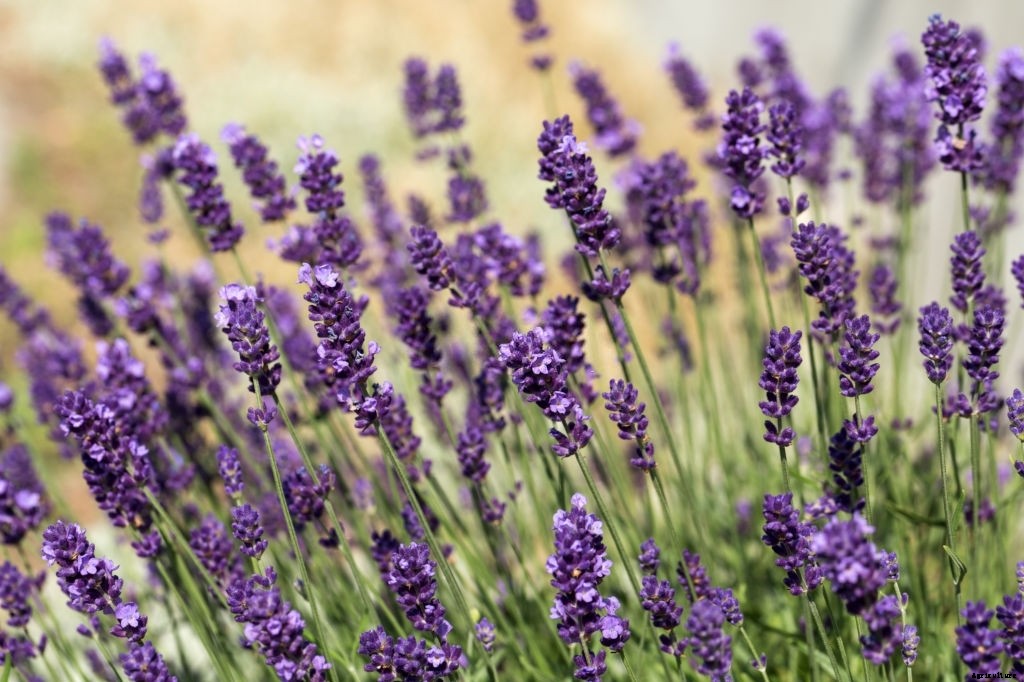
| Queen of coquettes | Rocket |
| Rarity | Lavender rose |
| Rashness | Butterfly bush |
| Recall | Silver-leaf geranium |
| Reckless | Mandevilla |
| Recollections, pleasant | White periwinkle |
| Reconciliation | Olive |
| Recovery from illness | Pussy willow |
| Refinement | Gardenia, orchid |
| Refusal | Japanese anemone, striped carnation, striped or white pinks |
| Regard | Daffodil |
| Rejected suitor | Ice plant |
| Rejection | Yellow carnation |
| Rejoice and comfort the heart | Sweet cicely |
| Rejoicing | Sweet woodruff |
| Rejuvenation | Lemon balm |
| Relief | Lemon balm |
| Religious | Passionflower |
| Remembrance | Forget-me-not, hydrangea, calendula/pot marigold, rosemary, statice |
| Remorse | Bramble, red or black raspberry |
| Rendezvous | Chickweed, scarlet pimpernel |
| Repentance | Rue |
| Reserve | Maple |
| Resoluteness | Sumac |
| Resolved to win | Columbine |
| Respect | Daffodil, pea, white rose |
| Responsibility | Lemon verbena |
| Rest | Hops |
| Resurrection | Lily |
| Retirement | Tulip poplar |
| Return of a friend is desired | Delphinium, balloon flower/platycodon, bellflower/campanula together |
| Return of happiness | Lily-of-the-valley |
| The reward of literary merit | Tea olive |
| The reward of merit | Laurel |
| The reward of virtue | Rose |
| Rich in charms | Buttercup |
| Riches | Corn/wheat |
| Richness | Cream rose |
| Righteousness | Gentian |
| Risqué | Protea |
| Rivalry | Rocket |
| Role reversal | Perilla |
| Romance | Azalea |
| Royalty | Pomegranate |
(The following flower meanings are taken from the glossary of the book “Tussie-ussies, The Language of Flowers” by Geraldine Adamich Laufer, which I highly recommend for its insightfulness and beautiful photography. This flower guide includes the meanings of different flowers and the symbolic meanings of flowers.)
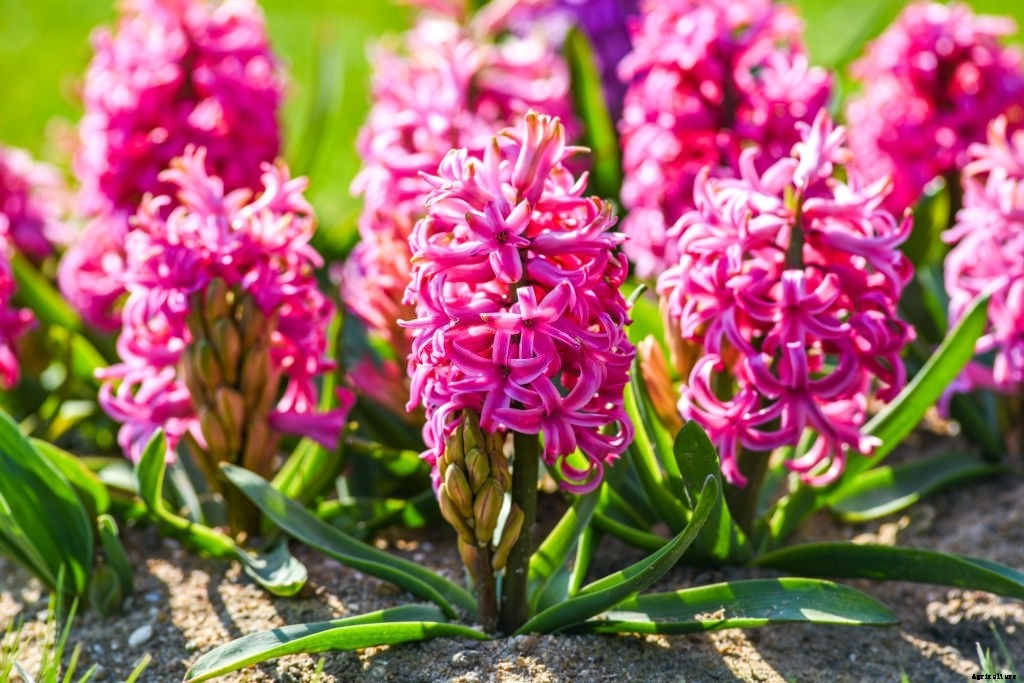
| Sadness | Dead leaves |
| Safe | Ginger |
| Safety | Broom, traveler’s joy |
| Scholarship | Coral bells, orchids, especially cymbidium |
| Self-esteem | Narcissus |
| Self-love | Narcissus |
| Sensibility | Sensitive plant |
| Sentimental recollections | -Aster, Silver King Artemisia |
| Separation | Carolina jasmine |
| Serenity | Willow |
| Showy | Lisianthus |
| Shyness | Peony, rose-colored rose |
| Silence | White rose |
| Silliness | Cockscomb |
| Simplicity | Daisy, English daisy, violet |
| Sincerity | Fern, satin flower, anemone, honesty |
| Skill | Purple coneflower |
| Sleekness | Glossy abelia |
| Sleep | Hops, poppy, especially white |
| Softness | Lamb’s ears |
| Softness, feminine | Peach |
| Solitude | Globeflower |
| Soothes the tremblings and passions of the heart | Lavender |
| Soothing | Dill |
| Sorrow | Primrose, purple rose, yarrow, yew |
| Speak your mind | Borage |
| Spectacular | Mexican sage |
| Spiritual energy | Pine |
| Splendor | Cardinal flower, Turk’s-cap lily |
| Sport | Hyacinth, especially blue |
| Steadfastness | Oak, bamboo |
| Stoicism | Box |
| Stratagem | Walnut |
| Strength | Fennel, garlic, lovage, oak, thyme |
| Strength of character | Gladiolus |
| Strength of mind | Walnut |
| Strengthens the memory | Rosemary |
| Studious pursuit | Olive |
| Stupidity | Scarlet geranium |
| Submission | Grass |
| Success | Laurel, lavender |
| The sun | Pot marigold |
| Superstition | St. John’s Wort |
| Support | Lamb’s ears |
| Surprise | Truffle, lamb’s ears |
| Suspicion | Mushroom |
| Sweet dreams | Phlox |
| Sweetness | Delphinium, lilac, magnolia, pinks, sweet violet |
| The sweetness of character derived from good works |
Cherry, cherry-red rose |
| Sympathy | Lemon balm, sea statice, thrift |
| Talent | Oregano |
| Taste | Fuchsia, pinks |
| Temptation | Apple, quince |
| Tenacity | Ivy |
| The testes | Pinecone |
| Thank you | Daisy fleabane |
| Thanks | Parsley |
| Thinness | Fennel |
| Thoughts | Pansy |
| Thoughts, happy | Heartsease, Johnny-jump-up |
| Thoughts of absent friends | Zinnia |
| Thoughts of heaven | Viburnum |
| Thrift | Sea thrift |
| Thriving | Blackberry lily |
| Timidity | Four-lock, Violet |
| Tiredness prevents | Mugwort |
| A token of affection | Oxeye daisy, Viburnum |
| Thoughtlessness | Mandevilla |
| Too young to love | White rosebud |
| Tranquility | Stonecrop/Sedum |
| Transient happiness | Spiderwort |
| Transient impressions | Withered white rose |
| Transport of joy | Gardenia, Jasmine |
| Travel | Mugwort |
| Travelers luck | Sea holly |
| Tree of life | Arborvitae |
| Triteness | Quince |
| Trinity | Three-leaf clover |
| Truthfulness | Ivy |
| Trustworthiness | Honesty |
| Truth | Anemone, bittersweet, white chrysanthemum, oak |
| Unceasing remembrance – | Silver King Artemesia |
| Unchanged for eternity | Clematis |
| Unchanging friendship | Arborvitae |
| Unexpected meeting | Lemon-scented geranium |
| Unfaithfulness | Yellow rose |
| Unfortunate attachment | Pincushion flower |
| Unity | White or red rose, allium/flowering onion |
| Uprightness | Bamboo |
| Usefulness | Grape Hyacinth |
| Vanity | Rocket |
| Variety | Aster, Rosa Mundi |
| The varying course of life | Magnolia and red flowers together |
| Vengeance | Scot’s thistle |
| Victory | Red rose, Spirea |
| Vigilance | Spring starflower |
| Vigorous life | Pine |
| Virtue | Lemon mint, oak, rue, sage, especially pineapple |
| Virtuous, sweet | Bee balm |
| Vision | Rue |
| Vitality | Champagne rose |
| Voluptuousness | Cyclamen, tuberose, moss rose |
| Voraciousness | Lupine |
| Vulgar minded | African marigold |
| Wait for me | Evening primrose |
| Wantonness | Butterfly bush |
| War | Yarrow |
| Wards off evil | Lavender cotton |
| Warm friendship | Pine |
| Warm-hearted | Cyclamen, especially white |
| Warming | Ginger |
| Warmth | Feverfew, peppermint |
| The warmth of feeling | Mint |
| The warmth of sentiment | Spearmint |
| Wealth | Tiger lily |
| Wearisomeness helps against | Chamomile |
| Wedded love | Ivy |
| Wedding | Stephanotis |
| Welcome | Pineapple, pineapple mint, safflower, spurge |
| Welcome fair stranger | Wisteria |
| Welcome-home-husband-however-drunk-ye-be | Stonecrop |
| Welcome to a new home | Juniper |
| Well-being | Delphinium |
| Whimsy | Bells-f-reland |
| Widowhood | Pincushion flower |
| Will you accompany me to the East? | Stephanotis |
| Wisdom | Rosemary, sage, blue salvia |
| Wise administration | Pear |
| A wish | Foxglove |
| Wishes, best | Basil |
| Wishes come true | Dandelion, heather |
| Wishes granted | Gooseneck loosestrife |
| Wit, ill-timed | Wood sorrel |
| The womb | Fig |
| Womb plant | Creeping jenny |
| Work, hard | Coral bells, clover |
| Worldly goods | Wheat |
| Worldly pleasures | Astilbe |
| Worth beyond beauty | Sweet alyssum |
| Worthy of all praise | Fennel |
| You are a prophet | St.-John’s-Wort |
| You are childish! | Geranium |
| You are dazzling but dangerous | Snapdragon |
| You are delicious! | Strawberry |
| You are lovely | Pink rosebud |
| You are rich in attractions | Ranunculus |
| You are unjust! | Gentian |
| You cannot deceive me | Japanese lily |
| You light up my life! | Feverfew |
| You occupy my thoughts | Pansy, purple violet |
| You pierce my heart | Gladiolus |
| You will always be lovely | Double pinks |
| A young girl | Pink rosebud |
| Your ignorance of love is sweet! | Rosebud |
| Your image is engraved on my heart! | Euonymus |
| Your looks freeze me! | Ice plant |
| Your presence revives me! | Rosemary |
| Your qualities, like your charms, are unequaled! | Peach rose |
| Your smile bewitches me! | Scarlet geranium |
| Your whims are quite unbearable. | Bee balm |
| Your wiles are irresistible – | Bergamot |
| Youth | Lilac, rosebud |
| Youth, early | Primrose |
| Youthful gladness | Crocus |
| Youthful innocence | White lilac |
| Zeal | Elderberry |
| Zest | Lemon |
When it comes to giving form to love – or hatred – nothing quite says it like flowers, writes Pamela Jane.
Poor old St Valentine – martyred in ancient Rome and, except for his name, apparently had nothing to do with the beautiful tradition of sending messages of love and admiration on February 14 every year.
One authority says the custom of sending Valentines began accidentally on that day because it coincided with a popular festival of feasting, dancing, and sacrificing goats.
Happy coincidence! St Valentine’s Day, a rather less bloody affair now, has grown in popularity to a worldwide celebration when millions of people reveal their feelings openly (or secretly) for somebody else.
It has become a profitable day, too, for newsagents selling cards, post offices selling stamps, newspapers printing weird and wonderful messages, and, of course, for florists who regard February 14 as one of their best days.
Flowers have been important for centuries in celebrations of all kinds, so it is not surprising that special meanings have developed around some of them.
You really should know – sending or receiving – how you might interpret your floral message.
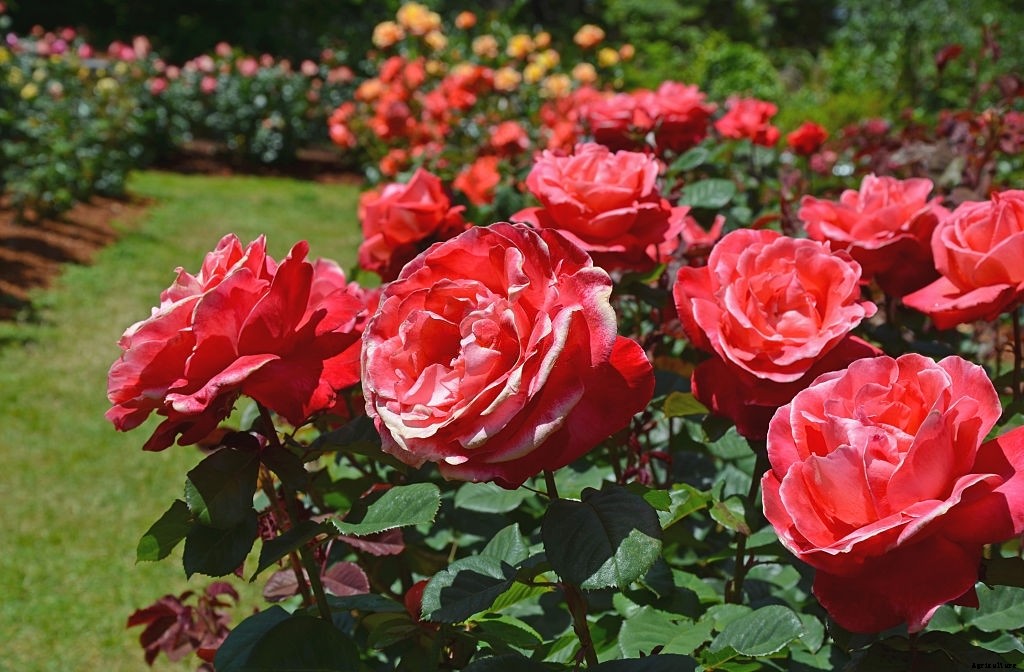
Roses are the most traditional Valentine flowers, but different colors send different messages.
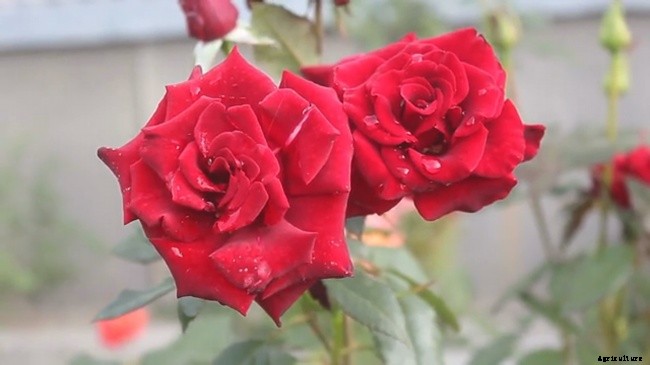
Red means pure and lovely, pink signifies grace, white says, “I am worthy of you,” and a combination of red and white means unity. Yellow roses suggest sunshine and ecstasy, though some believe they also indicate a dwindling affection.
The splendid waterlily says purity of heart, and the huge and fragrant summer magnolias bring a message of splendid beauty, love of nature, and magnificence.
White lilies are wonderful in flower arrangements, and their message is one of mystique, purity, and patriotism. Red lilies are a declaration of love.
Similarly, a red chrysanthemum says simply, “I love you.” A stem of heliotrope indicates that love is eternal, and cream honeysuckle illustrates the bonds of love.
Some Valentines might prefer to receive a bunch of forget-me-nots for faithfulness or ivy for fidelity and marriage.
To praise your loved one’s beauty, choose colored daisies and china roses. For more sensitive souls, hibiscus depicts a delicate beauty, while stock means everlasting beauty. A small sunflower spells adoration and wisteria says, “I cling to thee.”
Less committed Valentines might consider sending marigolds, marjoram, rosemary, and heartsease for a message of happiness and remembrance, or salad burnet for gaiety and a sprig of wattle for friendship.
Personally, I hope the man in this house will find a small bunch of crepe myrtle to tell me I am “extremely eloquent!”
No, thanks
For all the charm and beauty of flowers, they are not always romantic in what they represent. With flowers alone, it is possible to be positively rude and unpleasant.
Larkspurs, for example, signify infidelity and wantonness, and faithlessness is indicated with a bunch of white daisies.
Florists use a lot of dramatic lotus flowers, but their message renounces love.
Try sending a nasty neighbor a bunch of tansies, which means “I declare war against you.” Yellow carnations express total disdain. French marigolds signal extreme jealousy, and a small handful of lobelia is a message of malevolence.
Morning glory is for affectation, hydrangeas for heartless boasters, a capricious beauty deserves musk roses, and lavender says “distrust.”
You might consider sending a spray of stephanotis to a pompous boss – it means “you boast too much.” Another peculiar interpretation, however, says it asks, “Will you accompany me to the East?” Be careful.
Summer heat and humidity can be lethal for flowers in vases. Picking or buying a pretty bunch one day and having to throw them away the next is frustrating and expensive. Fortunately, you can help them to live longer.
Always pick flowers in the cool of the evening or early morning. Keep them shaded as you pick and lie them flat.
Freshly picked flowers will last longer if their stems are recut underwater. Use a sharp knife – not scissors or secateurs – and slice at an angle. This gives a bigger surface through which they can absorb water.
The stems of some flowers quickly become soggy in a vase. If you spot this, recut it every two or three days.
Submerged leaves will turn the water sour – so off with them.
Many florists offer sachets of chemicals to put in the water. A little bleach or lemonade can help if you prefer not to use preservatives.
The old-fashioned remedies of dropping in a spoonful of sugar, two aspirins, or a copper coin are useless.
Christmas bush (Ceratopetalum gummiferum) is still blooming and lasts well if picked early in the day. Put the stems into water immediately, then recut. Keep the vase out of sunlight and draughts, and the flowers” should last at least 10 days. Even when they dry out, they are attractive.
You should put wattle stems into boiling water immediately after cutting. Leave until the water is cold, then put them into a clean, cold water vase with half a teaspoon of alum (from a chemist).
Agapanthus, those tall, elegant purple or white lilies which grow in clumps, last for ages if individual blooms are picked off as they die. The juicy, fat stems need trimming every second day to keep them fresh.
Ochna requires little treatment, and the bright red waxy calyx can be mixed cheerfully with other flowers.
Hydrangeas are always spectacular at this time of year – and they can fill a lot of space. Slit the ends of the stems about 2cm and submerge them in boiling water for five minutes. Alternatively, scorch them over a flame.
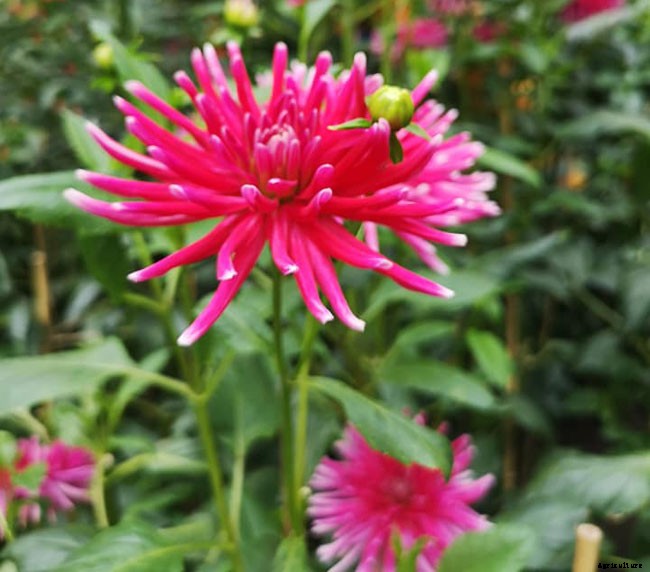
You can give dahlias the same treatment except that you should scald stems for 30 minutes. Daisies last better if their ends are burnt and the vase water replaced daily.
You should pick Roses early. Crush the base of each stem as you pick it and soak in the water right up to the base of the flower for a couple of hours or even overnight.
Carnations last well in a vase of lemonade.
Gladioli and lily spikes can be picked when the first flower opens and will last several weeks. Remove flowers as they die and snap off the top buds.
Did you find this post useful? Would you like to get back to it later? Save THIS PIN below to your flower and plant gardening boards on Pinterest! Thanks 🙂